Leave Your Message
0%

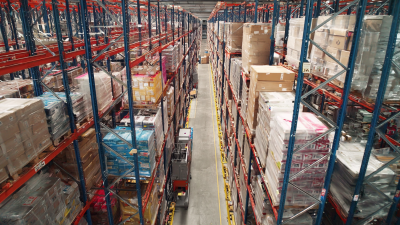
You know, the world of warehousing and logistics is changing super fast, and by 2025, we're really going to see Automated Pallet Racking systems shake things up in a big way. A recent report from Warehousing and Logistics International says that companies jumping on the automation bandwagon could boost their space usage by as much as 60% and slash their labor costs by about 30%. One company leading the charge is Linyi Lingong Intelligent Information Technology Co., Ltd., which has been around since 2013. They're all about smart tech, focusing on research, development, production, and service in intelligent manufacturing. They've really become a symbol of innovation in our industry! By hopping on the Automated Pallet Racking train, businesses not only get better storage solutions but also make their workflows smoother. It’s definitely a step towards creating smarter and more sustainable warehouses.
2025 Market Outlook: How Best Automated Pallet Racking Will Transform Warehousing Efficiency

Automated Pallet Racking: The Future of Warehouse Storage Solutions

You know, with the way storage needs are growing these days, automated pallet racking is really shaking things up in warehouse operations. A report from the Material Handling Industry of America (MHIA) even points out that these automated systems can crank up warehouse space usage by an impressive 85%! That’s a big deal because it not only squeezes in more storage but also helps keep track of inventory better, leading to fewer mix-ups and a faster response to what the market needs.

If you’re a company thinking about jumping on the automated pallet racking bandwagon, here’s a good tip: take a good, hard look at how you're currently storing your goods. By figuring out when your busiest times are and getting a grip on how quickly your inventory turns over, you can create a racking system that really fits your business’ style. Plus, throwing in some data analytics tools could help you spot how your space is being used, letting you fine-tune things continuously.

And don’t forget, going with automated pallet racking can seriously cut down on labor costs. Studies have shown that automation can bring those expenses down by around 20-25%. It's also super important for companies to take the time to train their employees so they can get used to the tech and make everything work smoothly together. Embracing this new wave of storage solutions not only ramps up efficiency but also sets businesses up for some solid growth well into 2025 and beyond.

Key Advantages of Implementing Automated Systems in Warehousing

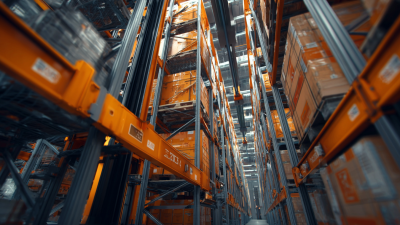
You know, the way we’re incorporating automation in warehousing really feels like it’s about to shake things up big time. There are some seriously cool advantages that come with it, especially when it comes to operating more efficiently. Take automated pallet racking systems, for example. They really make the most of the space available and make managing inventory a breeze! These systems can adapt on the fly to whatever storage needs pop up, which means less manual handling and a lower chance of mistakes—bonus, right? That all leads to a smoother workflow. Companies adopting these automated solutions are seeing productivity soar since they speed up picking and packing processes. It’s kind of amazing how much quicker they can respond to what the market needs.

At Linyi Lingong Intelligent Information Technology Co., Ltd., we’re really proud to be leading the charge in this automation revolution. Since we started back in 2013, we’ve been all about pushing the boundaries with intelligent manufacturing solutions. Our focus on smart technology doesn’t just boost accuracy and efficiency in warehousing—it’s also designed to fit perfectly into the bigger picture of supply chain management. By rolling out our next-gen automated pallet racking systems, businesses can really level up their operational efficiency and create a nimble, quick-response supply chain that can tackle the ever-shifting market challenges. It’s an exciting time for all of us!

2025 Market Outlook: Automated Pallet Racking Efficiency

Impact of Automation on Inventory Management and Accuracy

You know, with all the buzz around making warehousing more efficient, automated pallet racking systems are really set to change the game for inventory management. It’s pretty wild, but a report from Mordor Intelligence suggests that the global warehouse automation market is expected to double from $15 billion in 2021 to over $30 billion by 2026. That just shows how much the industry is leaning into automation these days! These automated systems really make storage processes slicker, letting businesses keep tabs on their inventory in real-time, which helps cut down on those annoying stock discrepancies.

Plus, automating warehousing isn’t just about getting things right; it’s also about using space better. I read a study from McKinsey that claims companies using these automated systems can boost their storage capacity by as much as 50%. That’s huge! And when you throw in tech like RFID and IoT into the mix, it just gets better. We’re talking spot-on inventory counts and super-fast retrieval times—leading to a drop in order fulfillment mistakes by up to 30%! As businesses try to stay ahead of the curve, diving into automated pallet racking is going to be key for ramping up operational efficiency and nailing inventory management.

Innovative Technologies Driving Efficiency in Automated Racking

You know, the warehousing industry is really on the brink of some major changes, all thanks to some next-level technologies that are making those automated pallet racking systems a whole lot more efficient. Companies are really pushing to fine-tune their operations, and that's where stuff like artificial intelligence, machine learning, and the Internet of Things (IoT) come in. These tools are game-changers for inventory management, letting businesses track stock levels in real time, do predictive maintenance, and even handle automatic restocking. Seriously, it’s cutting down on downtime and saving a ton on labor costs!

Plus, let’s not forget about how robotics and automationare shaking things up in warehouse logistics. Autonomous Mobile Robots, or AMRs for short, are becoming the go-to for moving pallets around, which is awesome because it helps get the goods flowing and cuts back on human error. And when you pair these robots with smart software that crunches data to optimize storage layouts and retrieval strategies, companies can really hit asweet spotin operational precision. As these cool technologies keep advancing, they’re set to take Automated Racking systems to the next level, helping warehouses keep up with the skyrocketing demands of e-commerce and global supply chains.

Best Practices for Integrating Automated Pallet Racking into Existing Operations

You know, bringing automated pallet racking into your warehouse can really boost efficiency and productivity—big time! But to make this work smoothly, it’s super important to take a good look at how things are currently set up, including your layout and inventory management. Start by diving deep into how you’re using your space and how your workflow flows. This info will be key in picking out the right automated racking system that fits your specific needs.

Here’s a tip: Sit down with your operational team and chat about what’s really not working in your current setup. Their feedback can be invaluable in picking out a system that doesn’t just help you use your storage better, but also makes picking and restocking a breeze—less time handling means more time for other important stuff!

And don’t forget about your staff! Getting them up to speed with the new tech is super crucial for everything to click. Think about rolling out a solid training program that not only teaches how to use the automated systems but also how to handle inventory effectively. This way, your team not only feels equipped but also gets to be part of a forward-thinking workplace culture.

Another handy tip: Use simulation tools to give your team a taste of the new systems before they go live. Trust me, this hands-on experience will really help boost their confidence and cut down on the learning curve when it’s time to switch to the automated pallet racking.

2025 Market Outlook: How Best Automated Pallet Racking Will Transform Warehousing Efficiency

Dimension Value
Projected Increase in Warehouse Efficiency 20% by 2025
Reduction in Labor Costs 15% annually
Warehouse Space Utilization Improvement 30%
Average Return on Investment (ROI) 200% in 3 years
Time Saved in Order Picking 40% reduction
Increase in Inventory Accuracy 99% accuracy rate
Investment Growth in Automated Solutions $10 billion by 2025

Case Studies: Success Stories of Enhanced Efficiency with Automation

You know, there's been a real surge in the demand for automated pallet racking systems in warehouses lately, and honestly, the benefits are really starting to shine through with all the success stories popping up. A recent study from the Warehousing Education and Research Council (WERC) noted that companies using these automated solutions have seen efficiency improvements of up to 30%! Take, for instance, a big retail distribution center that implemented an automated system — they actually cut their cycle times in half! Can you believe that? This meant they could turn over inventory way faster and fulfill orders a lot better.

And let’s look at another case: a global supplier of automotive parts decided to jump on the automation train, integrating automated pallet racking into their supply chain. The results were impressive, with a 40% boost in storage density and a significant drop in labor costs since they didn’t need as many people managing the storage tasks anymore. It’s pretty clear that the trend towards automation in warehousing is backed by a report from the Material Handling Industry of America (MHIA), which mentions that around 75% of warehouse operators plan to invest in automation tech by 2025. This really shows how the industry is shifting to more efficient and scalable solutions. All these case studies just go to show that automated pallet racking isn’t just a fad; it’s a game-changer that could seriously redefine how operations run in warehouses.

FAQS

: What are the benefits of implementing automated systems in warehousing?

: Automated systems in warehousing enhance operational efficiency by optimizing space utilization, streamlining inventory management, minimizing manual handling, and reducing errors, thus increasing productivity and improving response times to market demands.

How do automated pallet racking systems improve inventory management?

Automated pallet racking systems adjust dynamically to varying storage needs, facilitating faster picking and packing processes, which leads to smoother workflows and more efficient inventory management.

What approach should businesses take to integrate automated pallet racking?

Businesses should start by evaluating their current layout and inventory management practices, conducting a thorough analysis of space utilization and workflow, and then choosing the right type of automated racking solution that aligns with their operational needs.

How can staff training impact the integration of automated systems?

Training staff on new technologies is crucial for seamless integration, as it equips them with the necessary skills to operate automated systems effectively and fosters a culture of innovation within the workplace.

What is the role of team collaboration in implementing automated systems?

Collaborating with the operational team helps identify specific pain points in the current setup, ensuring the selected automated system maximizes storage and streamlines tasks like picking and replenishment.

Are there tools available to help prepare staff for new automated systems?

Yes, utilizing simulation tools allows staff to familiarize themselves with new automated systems before they go live, boosting confidence and reducing the learning curve when transitioning.

What company is at the forefront of automation in warehousing?

Linyi Lingong Intelligent Information Technology Co., Ltd. is a national high-tech enterprise specializing in developing and providing intelligent manufacturing solutions, playing a key role in the automation revolution in warehousing.

What is the significance of integrating automated systems with supply chain management?

Integrating automated systems with supply chain management improves accuracy and efficiency in warehousing operations, contributing to a more agile and responsive supply chain that can adapt to market changes.

When was Linyi Lingong Intelligent Information Technology Co., Ltd. established?

The company was established in 2013.

What should be included in a training program for staff adapting to automated systems?

A comprehensive training program should focus on operating automated systems and managing inventory effectively, ensuring staff are well-prepared for the transition.


Nathan

Nathan

Nathan is a dedicated marketing professional at Linyi Linggong Intelligent Information Technology Co., Ltd., where he leverages his extensive knowledge and expertise to promote the company's innovative products. With a strong focus on intelligent technology, Nathan plays a crucial role in enhancing......
Previous Navigating the Future of AMR Technology for Global Supply Chains