Leave Your Message
Lately, we've been seeing some pretty exciting stuff in robotics, especially with the rise of Four Wheel Drive Robots. These machines are really changing the game in smart manufacturing. Take Linyi Lingong Intelligent Information Technology Co., Ltd., for example — they've been around since 2013 and have made a name for themselves as a national high-tech company, mainly focusing on developing core products for intelligent manufacturing. It’s clear they're not just following trends; they’re actually driving them forward, especially when it comes to four-wheel drive tech.
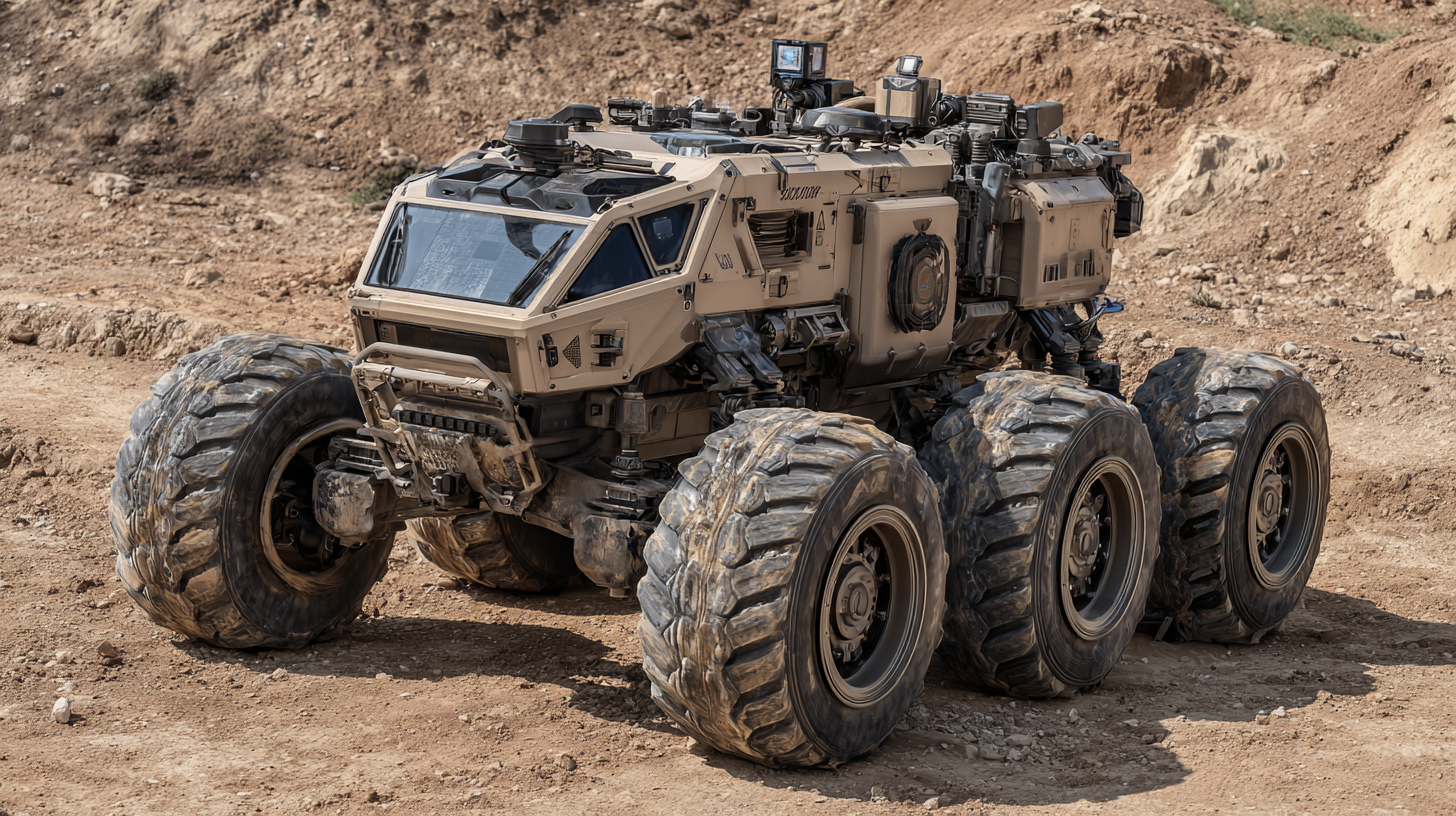
What makes these four-wheel drive robots stand out isn’t just their automation abilities — it’s how resilient and adaptable they are. They’re now pretty much essential in a bunch of industries like logistics, farming, and industrial production. As we look ahead to the top 10 four-wheel drive robots you should keep an eye on by 2025, this overview will share some insights into what makes each of them unique, what they can do, and the tech that powers them. Companies like Linyi Lingong aren’t just watching these trends unfold—they’re actively shaping the future of robotics, making sure these smart machines help boost efficiency and get work done better than ever before.
The world of robotics is witnessing rapid advancements, particularly in four-wheel drive (4WD) technology. As we look towards 2025, these innovative robots are set to transform industries such as agriculture, logistics, and search and rescue operations. Enhanced maneuverability, superior traction, and improved energy efficiency are just a few of the driving factors behind the evolution of 4WD robots. These machines are designed to navigate through challenging terrains, enabling them to perform tasks that were once considered impossible for conventional robots.
Tips: When considering the implementation of 4WD robots, it's essential to evaluate the specific needs of your operation. Pay attention to factors like terrain adaptability, load capacity, and battery life. Investing in a robot that can seamlessly integrate with existing systems can streamline workflows and enhance productivity.
Moreover, constant technological upgrades are reshaping the capabilities of these robots. Companies are exploring the integration of artificial intelligence and machine learning, allowing for smarter navigation and decision-making processes. As sensory and processing technologies advance, the potential for 4WD robots to operate autonomously in dynamic environments is becoming a reality.
Tips: Stay informed about emerging technologies in the robotics sector. Participating in workshops and conferences can provide valuable insights into the best practices and innovations, ensuring your organization remains at the forefront of this transforming industry.
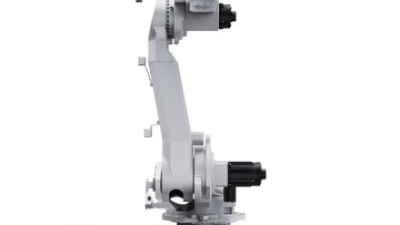
The RA6280 six-axis robot is a game-changer in the realm of industrial automation, particularly for operations requiring the handling of heavy loads. With a remarkable payload capacity of 280kg, this robot is engineered to efficiently manage some of the most demanding tasks in manufacturing and assembly processes. According to a report by the International Federation of Robotics, the demand for industrial robots, especially those capable of handling heavy objects, is expected to grow by 12% annually over the next five years, highlighting the essential role of advanced robotic solutions like the RA6280.
The RA6280 combines precision and flexibility, making it ideal for applications in various industries, including automotive, aerospace, and heavy machinery. Its swift action allows for rapid cycle times, significantly enhancing productivity and reducing operational bottlenecks. A recent study indicated that automating heavy-load tasks can lead to a 30% increase in production efficiency, demonstrating the economic advantages of incorporating high-capacity robots into assembly lines.
Moreover, the durability and reliability of the RA6280 align with the industry’s increasing emphasis on minimizing downtime and maintenance costs. The robot's robust design ensures it can withstand rigorous operational environments, thus supporting a seamless workflow. With the growing trend of automation in industrial settings, investing in advanced robotics like the RA6280 not only maximizes efficiency but also positions companies to stay competitive in an ever-evolving market landscape.
: Buyers should look for advanced mobility, real-time data processing capabilities, and enhanced connectivity through IoT integration to ensure versatility and efficiency in various applications.
The RoboExplorer 5000 is known for its superior all-terrain navigation capabilities due to its advanced sensors and adaptive control systems.
The TechRover X5 excels in payload capacity, making it particularly suitable for industrial applications that require heavy lifting.
The EcoBot 300 features an eco-friendly hybrid power system that reduces operational costs while maintaining robustness and has strong real-time data processing capabilities.
The UrbanScout 2.0 employs AI-driven algorithms that enhance its ability to maneuver through complex cityscapes effectively.
Four-wheel-drive robots are expected to revolutionize agriculture, manufacturing, and logistics by providing enhanced mobility and versatility for autonomous operations.
4WD robots are enabling autonomous operations in diverse terrains, enhancing efficiency in planting and harvesting while minimizing soil compaction for healthier crops.
The rise of e-commerce and the demand for automation in warehouse and delivery operations are fueling the adoption of 4WD robots, improving efficiency in complex logistics environments.
The global market for robotic automation is expected to grow from $23.9 billion in 2021 to over $74 billion by 2026, indicating a significant increase in the deployment of 4WD robotic systems.
By minimizing soil compaction and enhancing efficiency, 4WD robots promote healthier crops and sustainable land use, aligning with the goals of precision farming.
As we approach 2025, the advancements in Four Wheel Drive Robot technology are set to redefine various industries. Key features to look for in the leading models include enhanced mobility, improved obstacle navigation, and advanced AI integration, making these robots indispensable for tasks in manufacturing, agriculture, and logistics. A comparative analysis of the top robots reveals distinct capabilities tailored to specific applications, contributing to their growing importance in intelligent manufacturing.
Emerging trends indicate a shift towards more autonomous and adaptable Four Wheel Drive Robots, driven by innovations in machine learning and sensor technology. Companies like Linyi Lingong Intelligent Information Technology Co., Ltd. are at the forefront of this revolution, focusing on R&D to develop cutting-edge solutions. For businesses considering the implementation of Four Wheel Drive Robots in 2025, understanding these trends and features will be crucial in selecting the right technology to enhance operational efficiency and competitiveness.