When it comes to logistics, one thing's pretty clear — efficiency really matters. That's where ASRS, or Automated Storage and Retrieval Systems, come into play. They've become a game-changer for lots of warehouses trying to streamline their operations. If you're curious,Asrs Warehouse Automation might just hold the solution you're looking for.
Now, jumping into ASRS can seriously cut down the time it takes to find products. Sounds great, right? But, fair warning — setting it up isn't exactly cheap. Plus, your team will need some proper training to get used to the new tech. And hey, not every warehouse will benefit the same way; some might run into hiccups trying to fit it into their existing systems. Also, putting too much faith in automation could make things a bit inflexible — like, what happens if something goes wrong?
As the logistics world keeps evolving, getting a handle on what ASRS can do is pretty important for making smarter choices. It’s not necessarily a perfect fit for everyone, but understanding its perks and pitfalls can really help you decide if it’s worth exploring further.

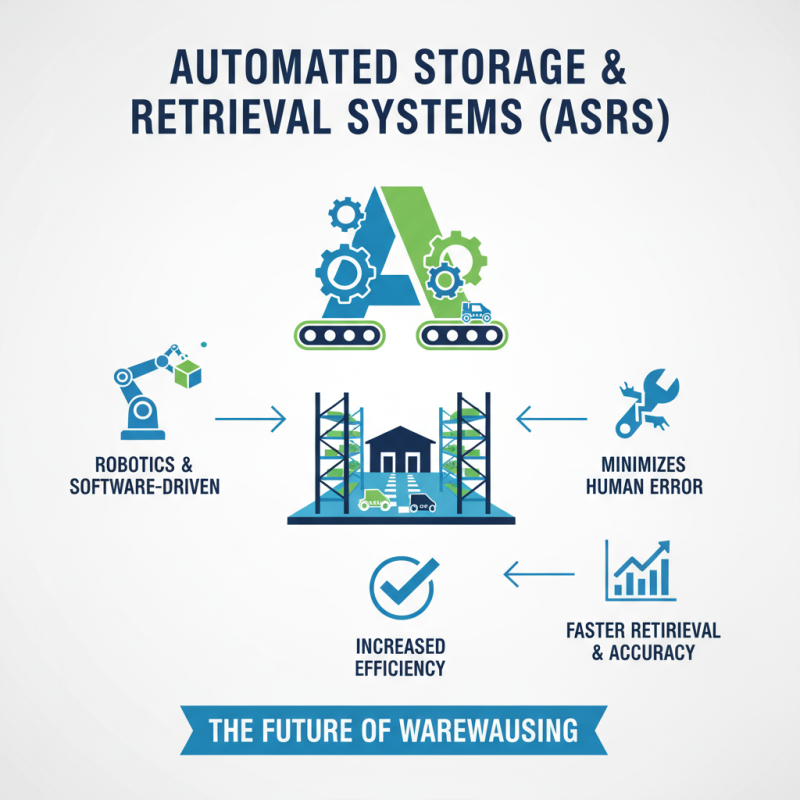
Automated Storage and Retrieval Systems (ASRS) represent a significant advancement in warehouse management. These systems streamline processes and enhance productivity. Typically, ASRS involves a combination of computer-controlled systems and automated equipment. The key components include storage racks, retrieval machines, and inventory management software. These elements work in harmony to optimize space and increase retrieval speed.
In an ASRS setup, items are stored in designated locations. When a product is needed, a robotic mechanism retrieves it with precision. This minimizes human labor and reduces the chance of errors. The layout often maximizes vertical space. However, adopting ASRS may require a substantial initial investment. Companies must weigh this against potential efficiency gains.
More efficient warehouse operations often rely on the power of data analytics. Monitoring performance metrics can highlight areas for improvement. Sometimes, this means reevaluating the storage strategy or even reshuffling inventory. While ASRS offers tangible benefits, reflection on its implementation is crucial. Understanding the balance between technology and human factors is essential for success in warehouse efficiency.
| Component | Description | Benefits |
|---|---|---|
| Automated Storage Retrieval System (ASRS) | A system that automatically handles the storage and retrieval of goods in a warehouse | Increased efficiency, reduced labor costs, and improved space utilization |
| Shuttles | Automated vehicles that transport goods to and from storage locations | Faster retrieval processes and enhanced throughput |
| Conveyors | Mechanical systems that move products through different areas of the warehouse | Streamlined operations and minimized manual handling |
| Warehouse Management System (WMS) | Software used to manage and optimize warehouse operations | Real-time inventory management and improved accuracy |
| Robotics | Automated machines that can perform tasks like picking and packing | Increased speed and reduced human error |
The evolution of Automated Storage and Retrieval Systems (ASRS) has transformed warehouse management over the decades. Initially, ASRS focused on improving basic storage functions. Early systems were simple conveyor belts and basic racking. However, they provided limited efficiency. Over time, technology advanced, introducing robotics and sophisticated software. As systems became more complex, the potential for error also increased.
Recent developments show a trend toward integration and automation. Modern ASRS uses artificial intelligence to optimize storage and retrieval processes. This not only speeds up operations but also reduces labor costs. Yet, the technology is not flawless. Some systems still struggle with flexibility. Adapting to varied product sizes remains a challenge for many warehouses.
The focus now is on creating systems that adapt seamlessly to changing demands. Systems must balance speed with accuracy to minimize mistakes. As warehouses evolve, these challenges will need continuous attention. Embracing technology while reflecting on its imperfections is crucial for future improvements.
This bar chart illustrates the improvement in warehouse efficiency before and after implementing Automated Storage and Retrieval Systems (ASRS). The efficiency increased from 30% to 70% with this advanced technology, indicating a significant enhancement in operational performance.
ASRS, or Automated Storage and Retrieval Systems, come in various forms. Each type is designed with distinct functions and technologies. The most common systems include unit-load ASRS, which move entire pallets, and mini-load ASRS, which handle small items. These systems dramatically enhance storage efficiency by maximizing vertical space. They reduce the footprint of warehouses in busy operations.
Shuttle systems are another popular choice. They use shuttles to transport goods to and from storage locations. This method allows for rapid movements of products. It also minimizes labor costs, improving productivity. However, the complexity of shuttle systems can be a concern. Implementing these requires careful planning and understanding of warehouse dynamics.
Another type is the carousel system. These can be vertical or horizontal and rotate bins to the user. They are efficient for small items but can be less effective for bulk storage. Companies should reflect on their specific needs. Each solution has benefits and drawbacks, and the choice must align with the warehouse's goals. Choosing the right ASRS system is critical for optimizing efficiency.
Automated Storage and Retrieval Systems (ASRS) revolutionize warehouse operations. The role of automation in ASRS efficiency cannot be overstated. Imagine a warehouse where machines, not humans, handle the bulk of the tasks. This system uses software and robotics to store and retrieve items quickly. It minimizes human error, which often leads to inaccuracies.
ASRS significantly boosts warehouse efficiency by reducing operational time. With automation, the retrieval process becomes seamless. Workers can focus on more complex tasks rather than routine ones. However, reliance on technology isn’t without issues. Machine malfunctions can disrupt operations. While automation increases speed, some workers may feel anxious about job security. Training is essential to ensure that new systems complement human efforts.
In the context of understanding "Asrs Warehouse Meaning," it's clear that while automation presents numerous advantages, it also raises questions. Not all warehouses can adapt seamlessly to this technology. The transition can be challenging. Balancing automation and human touch is crucial for a harmonious workflow. Embracing the future requires careful planning and consideration.
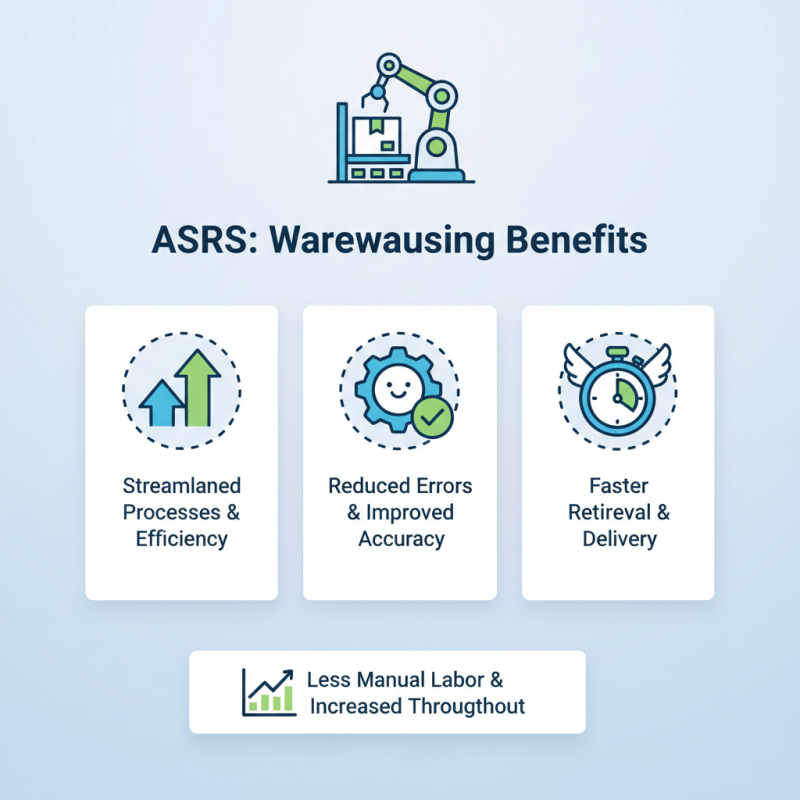
Implementing an ASRS (Automated Storage and Retrieval System) in warehousing operations brings numerous benefits. This technology streamlines processes and enhances efficiency. By automating storage tasks, warehouses can reduce human error and improve order accuracy. Less reliance on manual labor leads to faster product retrieval and delivery times.
Consider the layout of your warehouse. Proper integration of an ASRS system can optimize space. Wider aisles may be unnecessary when robots handle inventory. This could allow more storage density and better organization. However, not every warehouse may benefit equally. Size, product type, and transaction volume can influence the effectiveness of ASRS.
Here’s a tip: start with a needs assessment. Understand your current workflow to identify pain points. Then evaluate if an ASRS system aligns with your operational goals. Also, train your staff properly. Technology is only as good as the people who use it. Limited training can lead to misuse and slowdowns in systems. Balancing automation and human oversight is key.
Ultimately, the Asrs System Warehouse implementation should be a thoughtful decision. Consider all factors. Reflect on whether the benefits justify the investment in your specific situation.
Implementing an ASRS (Automated Storage and Retrieval System) can significantly enhance warehouse efficiency. However, it also presents a range of challenges and considerations. One major concern is the high initial investment. According to industry reports, companies can expect to spend upwards of $1 million for an Asrs Warehouse System, depending on the scale and complexity. This upfront cost can be a barrier, especially for smaller businesses.
Another challenge is system integration. Existing warehouse management systems may not easily interface with new ASRS technologies. Ensuring compatibility can lead to additional time and significant costs. Employees also need training to effectively operate these advanced systems. This may cause temporary dips in productivity, which companies must account for.
Tip: Consider conducting a thorough cost-benefit analysis. Evaluate the long-term savings and additional efficiencies to offset the initial investment.
Moreover, the dependence on technology introduces risks. A system failure could halt operations entirely. Proper maintenance and contingency planning are crucial. Companies need to reflect on the long-term viability of their ASRS plans.
Tip: Implement routine check-ups for your ASRS Warehouse System. This can prevent unexpected downtimes and enhance reliability.
Automated Storage and Retrieval Systems (ASRS) have transformed warehouse operations. One standout case study involved a mid-sized distribution center. The facility struggled with slow order fulfillment. They decided to implement an ASRS solution. This decision led to significant changes in overall efficiency.
After the ASRS was installed, things improved quickly. Order picking times dropped by nearly 50%. The system reduced human error during retrieval. Workers were able to focus on more complex tasks. However, employees initially resisted the change. Training was necessary to ensure everyone felt comfortable with the new technology. Some workers voiced concerns about job security as well.
Another example involves a large e-commerce warehouse. They faced challenges like space limitations and fluctuating inventory. Implementing ASRS allowed them to optimize storage. They could now store products up to 80% more efficiently. Despite these benefits, there were hiccups. Integration with existing systems was not seamless. Some glitches caused temporary disruptions. Nonetheless, the long-term gains were undeniable. The warehouse now operates at a higher capacity than before.
: The activity promotes community engagement. It helps build relationships and fosters collaboration among participants.
The frequency may vary. Some activities occur weekly, while others may be monthly or quarterly.
Participation is often open to everyone. However, some events may have specific criteria for joining.
Some activities may require a fee. Others are free to encourage wider participation.
Participants may be able to join later activities. It's advisable to follow up for future opportunities.
Feedback can be gathered through surveys. This helps organizers improve future events and experiences.
Participants may be advised to bring personal items. Things like water, snacks, and comfortable clothing are often suggested.
Cancellation policies can vary. Always check before the event to understand the potential consequences.
Participants should subscribe to newsletters. Following social media channels is also a good way to stay informed.
Yes, suggestions are often welcomed. Feedback helps organizers create more engaging and relevant experiences.
ASRS, or Automated Storage and Retrieval Systems, represent a transformative approach in warehouse management, enhancing efficiency through automation and optimized processes. This technology has evolved significantly, transitioning from manual systems to advanced automated solutions that streamline storage and retrieval operations. Various types of ASRS systems exist, catering to different warehouse needs and layouts, each designed to maximize space utilization and minimize human error.
Implementing ASRS in warehousing operations offers numerous benefits, including increased productivity, reduced labor costs, and improved inventory accuracy. However, challenges such as initial investment, system integration, and change management must be carefully considered. Real-world case studies demonstrate the successful adoption of ASRS, highlighting the tangible improvements in operational efficiency and responsiveness in today’s fast-paced supply chain environment.