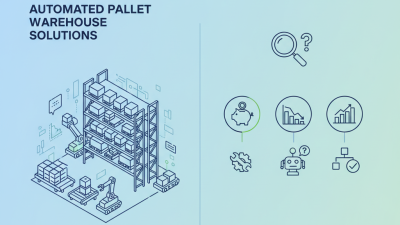
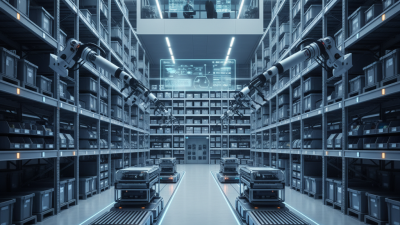
In the ever-changing world of logistics, staying efficient has never been more critical. I recently came across David Lee, a senior consultant over at Warehousing Solutions, who said something pretty interesting: “Automated Pallet Racking totally changes the game for how warehouses run.” Honestly, this new system really shakes things up when it comes to storage and retrieving goods. It makes everything run smoother, cuts down on labor costs, and helps reduce human mistakes – which is pretty great. It's like, the system not only makes space go further but also uses vertical space in ways traditional racks just can’t pull off, especially as warehouses get smaller and every inch counts. But, I’ll be honest—adopting this technology isn’t always straightforward. Companies really need to think about their specific needs before jumping in, because not every warehouse is ready to go full-on automation. Plus, there’s the ongoing stuff like maintenance and staff training, which are super important. Sure, the initial investment might seem a bit intimidating at first, but honestly, in the long run, the benefits usually outweigh the costs. Automated systems can make your warehouse more flexible and resilient, which is a big plus as industry demands keep evolving. Getting a good handle on these things now could really help businesses stay ahead of the curve down the line.
Benefits of Automated Pallet Racking for Efficient Warehousing
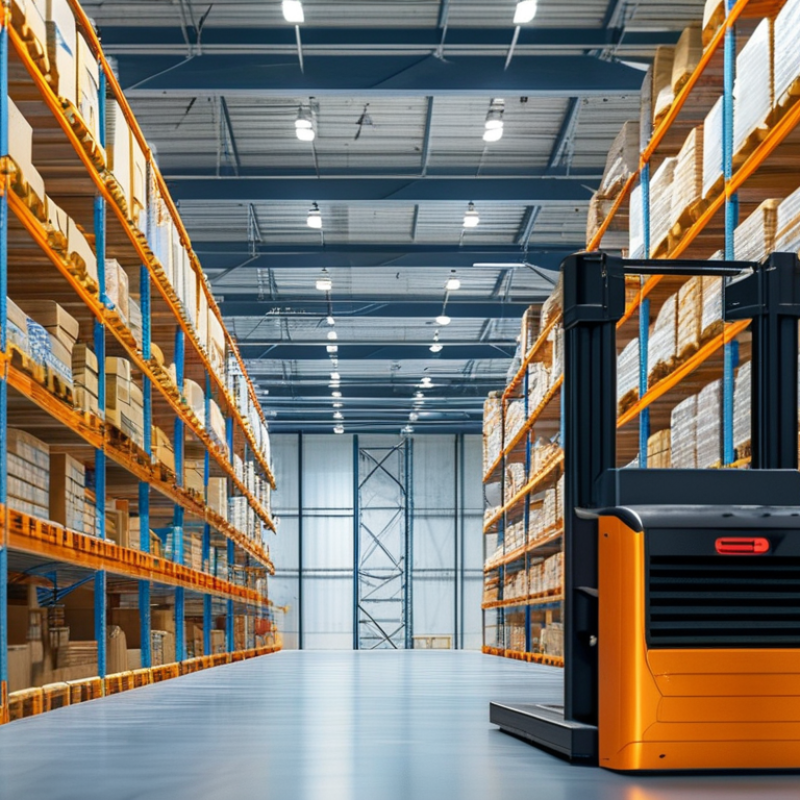
Automated pallet racking systems transform warehousing efficiency. By automating storage and retrieval, these systems save both time and space. They use advanced technology to streamline operations, allowing warehouses to handle high volumes of goods effectively. For instance, a system can quickly retrieve multiple pallets with minimal human intervention. This leads to faster order fulfillment, which is essential in today’s fast-paced market.
Moreover, automated pallet racking reduces labor costs. Fewer employees are needed on-site, decreasing the risk of injuries and related expenses. Systems often include safety features like sensors, ensuring safe operation. However, implementing these systems involves upfront costs and training. Some warehouses may find it challenging to adapt to new technologies. Balancing efficiency with human resources is crucial. Reflecting on these aspects helps businesses make informed decisions about modernization.
In addition to cost savings, automated systems improve inventory accuracy. They track inventory in real-time, minimizing errors and discrepancies. This reliability enhances customer satisfaction and builds trust. Sometimes, though, dependence on automation can lead to overconfidence. Regular audits and manual checks remain essential. Continuous evaluation of operations is vital to ensure long-term success and adaptability.
Comparison of Automated vs. Manual Pallet Racking Systems
When considering warehouse efficiency, two primary systems come to mind: automated and manual pallet racking. Automated systems use technology to streamline operations. They reduce the need for manual labor. As such, they improve speed and accuracy in inventory management. Meanwhile, manual systems require more hands-on involvement. Employees physically retrieve and store pallets, leading to potential errors and inconsistencies.
One clear advantage of Automated Racking is the maximization of space. These systems often allow for higher storage density. For example, they can utilize vertical space effectively, whereas manual systems may struggle with layout optimization. However, automated systems come with higher initial costs and maintenance requirements. Understanding these trade-offs is crucial when making a decision.
Tips: Evaluate your inventory turnover rate. If you frequently rotate stock, manual racking might be enough. Assess your current workforce's capabilities. A skilled team might thrive in a manual environment. Remember, the right choice depends on your unique operational needs and financial resources.
Key Features of Automated Pallet Racking Solutions
Automated pallet racking solutions are transforming warehouse operations. These systems maximize storage efficiency and improve inventory management. According to a recent industry report, automated racking can enhance space utilization by up to 85%. Such efficiency is essential in today’s fast-paced logistics environment.
Key features of automated pallet racking include advanced robotics, real-time inventory tracking, and optimized picking processes. Robotics streamline the retrieval and storage of pallets, saving time and reducing labor costs. Real-time inventory tracking minimizes the risk of stockouts, ensuring that products are always available. Companies benefiting from CE Certification Automated Pallet Racking also see significant reductions in operational errors.
Tips: Consider assessing your warehouse layout before implementing an automated system. Understand your typical inventory turnover rates to select the right type of racking. Regularly review the performance of your system to identify areas for improvement. Error rates may still occur; acknowledging them can foster better solutions.
Cost-Effectiveness of Investing in Automation Technology
Investing in automated pallet racking can revolutionize warehouse operations. The cost-effectiveness of such technology speaks volumes. Initially, the setup may require a significant investment. However, the long-term savings often outweigh these upfront costs. Automation reduces labor needs and lowers operational costs. Fewer employees on the floor can lead to a safer environment and lower liability.
Automated pallet racking systems also enhance storage efficiency. They maximize space usage by allowing for higher stacking. With precise inventory control, stock takes less time. Additionally, reduced human error leads to fewer losses and better inventory management.
Not every warehouse may fit the automated model perfectly. Companies must assess their specific needs and layout. Relying on insights from experts and Automated Pallet Racking Manufacturers can be invaluable. Engaging in this transformation requires careful planning. The demand for efficiency and speed often ignites a reevaluation of traditional practices. Making the leap to automation isn't just about cost—it's about future-proofing your operations.
Space Optimization Through Automated Pallet Racking Design
Automated pallet racking systems offer significant benefits for space optimization in warehouses. These systems can increase storage density by up to 50%, according to industry reports. By employing vertical space efficiently, facilities can maximize their storage capacity while minimizing the footprint required. This approach reduces the need for additional warehouse space, which can be costly and logistically challenging.
Implementing automated solutions can also streamline operations. With improved inventory management, warehouses can experience a 20% increase in picking efficiency. This efficiency can lead to faster order fulfillment and reduced labor costs. However, companies must be cautious when integrating these systems. Proper training and adaptation to new technologies are necessary. Without this, the benefits of automation may not be fully realized.
While automated pallet racking is a strong contender for space optimization, it does come with challenges. Initial setup costs can be high, and maintenance requires specialized knowledge. Facilities might face a learning curve as staff adapt to new processes. Therefore, companies should balance the potential for increased efficiency with these considerations. It is crucial to plan carefully before investing.
Impact of Automation on Inventory Management and Accuracy
Automated pallet racking has become a game-changer in inventory management. By integrating cutting-edge technology, warehouses can achieve higher efficiency and accuracy. Workers spend less time searching for items. They can focus on tasks that truly add value, rather than managing chaos. With closer inspection of algorithms, stock levels can be tracked in real-time. This reduces errors and ensures that businesses are meeting customer demands effectively.
However, the implementation of automated systems isn’t without its challenges. Transitioning from manual processes requires training and adjustment. Some employees may resist change, leading to temporary disruptions. There are concerns about the initial investment costs. Thankfully, improvements in technology have made it easier to find solutions tailored to specific needs. Consulting with an experienced Automated Pallet Racking Manufacturer can provide insights into these transitions.
Accurate inventory management is vital. Misleading stock counts can lead to overstocking or stockouts. This affects customer satisfaction directly. Automation tools can help mitigate these risks by providing reliable data. Yet, it is important to continuously assess these systems. Regular audits help ensure that they meet operational goals. Balancing efficiency with accuracy requires ongoing reflection and adaptation.
Future Trends in Warehouse Automation and Pallet Racking Systems
Warehouse automation is rapidly evolving. High-Quality Automated Pallet Racking systems play a vital role in this transformation. They enhance storage efficiency and maximize space utilization. These systems work seamlessly with robotics and AI. They allow for real-time inventory tracking. This setup minimizes human error and increases accuracy. The ability to manage more products without expanding space is game-changing.
Future trends indicate a shift towards fully automated warehouses. Advances in technology will facilitate integration with IoT devices. This connectivity will enable predictive analytics for inventory management. However, it’s essential to reflect on the challenges. Transitioning to automated systems requires investment and training. Workers may feel threatened by this change. Addressing their concerns is necessary for a smooth shift. Balancing automation with the human touch can enhance overall productivity and morale in the workplace.
Innovative Solutions for Efficient Warehouse Operations: The Role of China MF16L/MF20L Intelligent Unmanned Forklifts
In today's fast-paced logistics environment, the efficiency of warehouse operations has become imperative for businesses aiming to enhance productivity and reduce operational costs. The MF16L/MF20L series of intelligent unmanned forklifts has emerged as a transformative solution, offering innovative features tailored for streamlined pallet handling and high-rise operations. With impressive rated load capacities ranging from 1600 to 2000 kg, these forklifts are capable of managing a variety of tasks, from transporting standard pallets to maneuvering non-standard material racks seamlessly.
Designed for versatility, the MF16L/MF20L forklifts excel in both medium and long-distance transportation, making them an ideal choice for warehouses that require frequent movement of goods. Their ability to perform high-level transportation tasks is enhanced by their engineering that enables compatibility with shelving systems, ensuring that goods can be efficiently retrieved or stored at various heights. Moreover, these forklifts support automatic cross-floor transportation, simplifying the logistics of moving items to and from elevators, and enhancing the overall workflow within warehouse settings.
By integrating such intelligent forklifts into warehouse operations, businesses can significantly improve efficiency while minimizing manual handling. This not only leads to reduced labor costs but also mitigates the risks associated with manual pallet handling, ultimately creating a safer and more productive work environment. The MF16L/MF20L series stands as a testament to how innovation in material handling can revolutionize warehouse efficiency and effectiveness.
FAQS
: The two main types are automated and manual pallet racking systems.
Automated racking maximizes space usage and enhances inventory management.
They can increase storage density by up to 50%.
Manual systems may lead to errors and require more labor.
Initial setup costs and ongoing maintenance can be significant.
It can lead to a 20% increase in picking efficiency and faster fulfillment.
Yes, proper training is essential to adapt and maximize the technology.
The inventory turnover rate is an important consideration.
Yes, a capable team might excel with manual racking systems.
Companies must plan carefully and evaluate their operational needs.
Conclusion
Automated Pallet Racking systems are revolutionizing warehouse operations by enhancing efficiency and optimizing space utilization. The key benefits of these advanced solutions include improved inventory management, accuracy, and a stark contrast to traditional manual systems. With automation, warehouses can operate more effectively, ensuring quicker access to products and a significant reduction in labor costs.
Investing in Automated Pallet Racking technology not only proves cost-effective in the long run but also adapts to future trends in warehouse automation. The design of these systems allows for maximum space optimization, accommodating a high density of goods while maintaining easy accessibility. As businesses continue to prioritize efficiency and precision, Automated Pallet Racking is set to become the cornerstone of modern warehousing solutions.