Leave Your Message
0%

When it comes to automated warehouse storage, really, efficiency is everything. Mark Roberts from TechLogistics puts it pretty plainly: “Efficiency isn’t just a nice-to-have; it’s what keeps you alive in this game.” His take totally lines up with how everyone’s pushing for smoother, faster operations in warehouses nowadays.

Automated systems can seriously boost productivity—no doubt about that. But, let’s be real, they’re not perfect. Things like poor management or a bad layout can totally throw a wrench in the works. Take inventory tracking, for example—it’s super important. If you mess that up, even the fanciest system can fall flat.

Plus, setting up these systems isn’t exactly a walk in the park. It takes careful planning and sometimes, things don’t go as planned on the first go. That’s why it’s all about ongoing tweaks and constant checking to really get things running smoothly. Honestly, facing these challenges head-on can turn a regular warehouse into this well-oiled, ultra-efficient machine—so totally worth the effort.

Automated Warehouse Storage Tips for Maximum Efficiency

Benefits of Automated Warehouse Storage Systems

Automated warehouse storage systems are changing logistics. Studies show that these systems can boost efficiency by up to 30%. They reduce the time workers spend finding items. As a result, companies can fulfill orders more quickly.

Flexibility is another advantage. Automated systems can adjust to fluctuating demands. For instance, during peak seasons, they scale operations seamlessly. However, the initial investment can be daunting. Some businesses hesitate, weighing costs against potential savings.

Improved accuracy is crucial. Error rates drop significantly when automation is implemented. A report noted that automated systems reduce picking errors by over 70%. Yet, there are challenges to address. Integrating automation into existing workflows may require retraining staff. Finding the right balance between technology and manpower is essential.

Automated Warehouse Storage Tips for Maximum Efficiency

Aspect Details Benefits
System Type Robotic Automated Storage and Retrieval System (AS/RS) Higher efficiency in retrieval; reduces labor costs
Inventory Management Real-time tracking and monitoring Improved accuracy; reduced stock discrepancies
Space Utilization Vertical racking systems Maximizes storage capacity; optimizes floor space
Order Fulfillment Speed Automated picking methods Faster processing time; increased customer satisfaction
Energy Efficiency Energy-efficient equipment and layout Lower operational costs; reduced carbon footprint
Data Analytics Utilizes AI for performance insights Informed decision-making; continuous improvement

Key Technologies in Automated Warehousing

Automated Warehouse Storage Tips for Maximum Efficiency

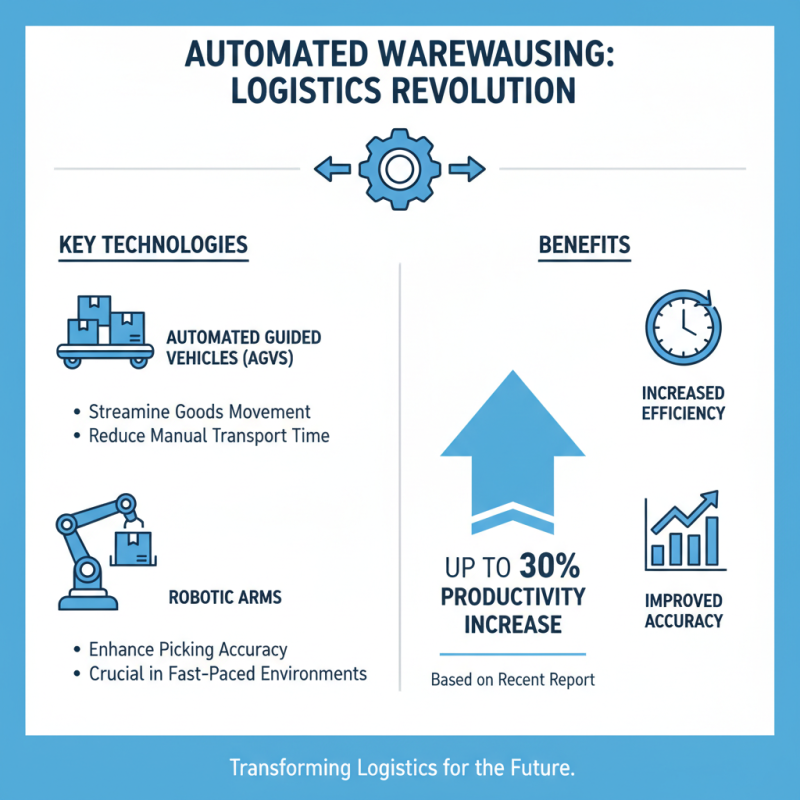
Automated warehousing is transforming logistics. Key technologies like Automated Guided vehicles (AGVs) and robotic arms enhance storage efficiency. A recent report shows that these systems can increase warehouse productivity by up to 30%. AGVs streamline the movement of goods, reducing the time spent on manual transport. Meanwhile, robotic arms improve picking accuracy, which is vital in a fast-paced environment.

When implementing automated solutions, consider your layout. An optimal design reduces travel time for equipment. Invest in inventory management software that integrates seamlessly with automation. Real-time data analytics can prevent stock shortages and overages. Ensure staff receive adequate training on new technologies; resistance often stems from fear of the unknown.

A common oversight is over-automation. Some processes still require human judgment. Perhaps a mix of automation and manual work strikes the right balance. Regular assessments of automated systems can reveal inefficiencies. Continuous improvement remains the heartbeat of successful warehouses. Understanding these technologies is crucial to maximizing efficiency in modern warehousing.

Space Optimization Strategies for Efficient Storage

Maximizing storage efficiency is crucial in automated warehouses. One important strategy is using vertical space. High shelving units or racks optimize the warehouse's vertical area. This offers more storage while keeping the ground level clear. Remember, however, that not all items should go high. Some products are heavy or frequently accessed. Consider easy-to-reach areas for those items.

Creating zones is another effective tactic for space optimization. Group similar items together. This not only improves accessibility but also minimizes time spent locating products. However, it's vital to review the layout frequently. Over time, the demand for certain goods may change. Adjusting the zones accordingly can lead to increased efficiency.

Additionally, using bins and containers minimizes wasted space. Ensure that they are clearly labeled. This helps in quickly identifying inventory. However, keep in mind that too many containers can lead to clutter. Finding the right balance is key. Reflection on the organization will lead to better storage solutions and enhanced efficiency over time.

Inventory Management Techniques for Automation

Effective inventory management is crucial for any automated warehouse. Accurate tracking of stock levels minimizes errors and speeds up operations. Use barcoding or RFID systems for real-time inventory updates. These technologies allow for precise counting and tracking. However, reliance on technology can sometimes lead to challenges. If systems fail, it may disrupt the entire process.

Integrating automated tools with your existing systems is essential. Choose compatible software that fits your workflow. Training staff on these tools can take time. Some workers may struggle to adapt to new technologies. Continuous training can alleviate these issues, but patience is needed.

Regular audits of inventory processes can reveal hidden inefficiencies. Emphasize the importance of checking stock levels frequently. Analyze discrepancies between expected and actual inventory. These reflections can help enhance the system overall. Balancing automation with human oversight creates a more resilient inventory management approach.

Workflow Design for Improved Operational Efficiency

Automated Warehouse Storage Tips for Maximum Efficiency

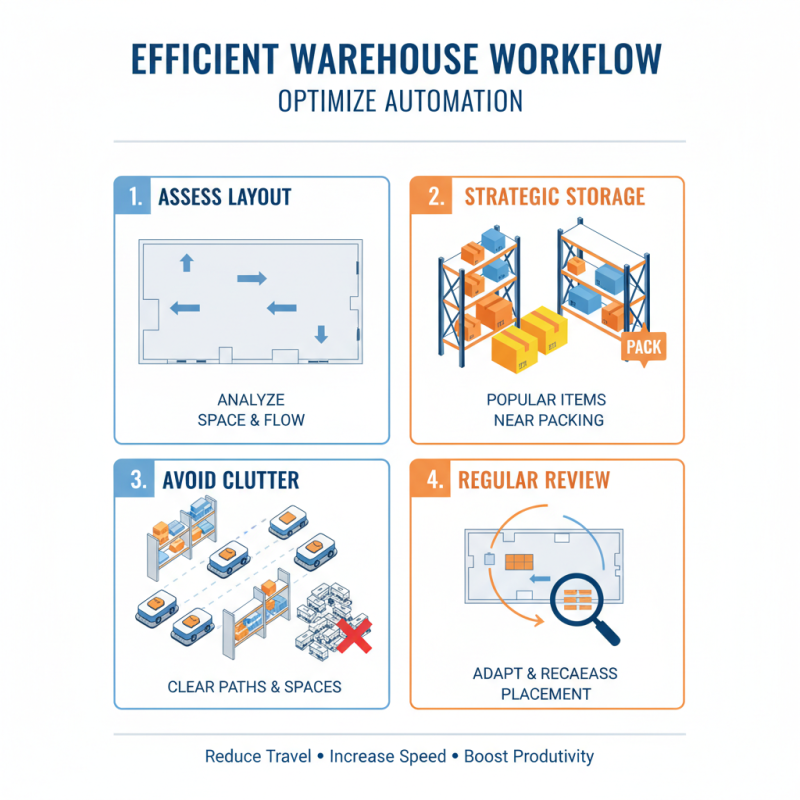
Creating an efficient workflow in an automated warehouse is crucial. Start by assessing your layout. Arranging storage based on item popularity can significantly cut down retrieval times. Place frequently picked items near packing areas. This minimizes unnecessary travel for workers. However, it’s essential to avoid overcrowding. Cluttered spaces can lead to mistakes. Regular reassessments of item placement are necessary to ensure continued efficiency.

Integrating technology can further enhance workflow. Use automated tracking systems to monitor item locations. These systems can reduce time spent searching for products. Yet, reliance on technology can sometimes backfire. Malfunctions or system outages may disrupt operations. Periodic training sessions for staff on handling issues can mitigate such risks.

Communication among team members is vital. Regular check-ins can help identify bottlenecks. Can the picking process be streamlined? Actively seek feedback from workers. They have firsthand experience and insights. Implementing minor adjustments based on their input can lead to significant gains. Efficient workflow design is an ongoing process requiring flexibility and adaptation.

Maintenance and Upkeep of Automated Systems

Maintaining automated warehouse systems requires careful attention. Regular inspections are essential. Check the software updates and ensure all components are functioning properly. Sometimes, sensors can fail or motors may wear out over time. A small malfunction can lead to larger issues. It’s vital to create a maintenance schedule that considers these aspects.

Cleaning is also critical. Dust and debris can impact performance. Ensure that aisles and storage areas are clean and accessible. Blocked paths can hinder efficiency. Conducting routine cleaning can prevent potential hazards. Consider the effect of neglected upkeep. A broken system may not only slow production but also incur higher repair costs later.

Finally, training staff on system operation is necessary. Some employees might not fully understand the technology. This gap can lead to mistakes. Regular training sessions can help reinforce proper usage and maintenance protocols. Encourage an open dialogue about the system’s challenges. Mistakes should be seen as learning opportunities. This approach fosters a proactive maintenance culture.

Future Trends in Warehouse Automation Technologies

The future of warehouse automation technologies is shaping the landscape of logistics. Robotics and AI integration is on the rise. These technologies help streamline operations. For instance, automated guided vehicles (AGVs) can transport goods efficiently. Yet, reliance on technology may lead to unexpected challenges. System failures can disrupt workflows. Without proper training, employees may struggle with new systems.

Another trend is the use of IoT (Internet of Things) devices. Sensors track inventory levels in real-time. This data aids in decision-making and reduces stockouts. However, data privacy issues raise concerns. Companies must ensure their systems are secure. It’s a balancing act between efficiency and risk.

Moreover, we see a shift towards modular warehouse designs. This approach allows for rapid reconfiguration as needs change. It sounds ideal, but not all warehouses can adapt easily. Some designs may lead to underutilized space. Reflecting on these advancements reveals both exciting possibilities and significant hurdles. Finding the right fit for each operation requires careful consideration and adaptation.

Automated Warehouse Storage Tips for Maximum Efficiency

This chart illustrates the percentage increase in efficiency achieved through various warehouse automation techniques. Automated picking shows the highest improvement at 30%, followed closely by robotic assistance at 40%. Each technique contributes significantly to enhancing operational efficiency in modern warehouses.

Innovative Solutions for Streamlining Logistics: The Intelligent Three-Dimensional Warehouse Conveying System

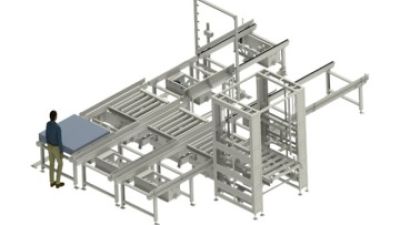
The logistics industry is undergoing a transformation with the advent of innovative technologies designed to enhance efficiency and productivity. Central to this evolution is the intelligent three-dimensional warehouse conveying system, which integrates various advanced components such as chain conveyors, dismantling and stacking machines, top lifting and transplanting machines, and roller conveyors. According to a recent industry report, automation in logistics is projected to grow at a compound annual growth rate (CAGR) of 14.5% through 2027, underlining the significance of such systems in streamlining operations.

These sophisticated systems utilize advanced hardware and software solutions alongside intricate algorithms to optimize the storage and retrieval processes of goods. By enabling precise management, businesses can significantly reduce operational costs and improve service delivery. Data from the Supply Chain Management Review indicates that companies leveraging automated systems report up to a 30% increase in order accuracy and a reduction in warehouse labor costs by 25%, showcasing the tangible benefits of implementing intelligent warehouse solutions.

Furthermore, the shift towards three-dimensional conveying systems facilitates maximized space utilization, allowing warehouses to adapt to increasing inventory demands while maintaining a high operational throughput. Embracing this technology not only meets the needs of contemporary logistics but also positions businesses to thrive in a competitive marketplace where efficiency and reliability are paramount.

FAQS

: What are the main benefits of using this product?

: The product offers convenience and efficiency. It can save time and improve daily tasks.

How should I use this product effectively?

Follow the instructions carefully. Adjust settings as needed for optimal results.

Is it safe to use this product around children?

Yes, but supervision is recommended. Keep it out of reach when not in use.

Can this product be used outdoors?

Some features are suitable for outdoor use. Check specifications to ensure compatibility.

What should I do if the product malfunctions?

Refer to the troubleshooting guide. Contact support if issues persist.

Are there any maintenance tips for longevity?

Regular cleaning is important. Store it in a dry place to prevent damage.

Can this product be used for multiple purposes?

Yes, it has versatile applications. Users have reported creative uses beyond its main function.

Are there any common mistakes to avoid?

Avoid overloading the product. Misuse can lead to reduced performance and potential damage.

Is there a warranty provided?

Typically, a limited warranty is included. Check the details for specific coverage terms.

What if I am not satisfied with my purchase?

Contact customer service for return options. Feedback is valuable for improvement.

Conclusion

Automated Warehouse Storage has revolutionized the logistics industry by significantly enhancing efficiency and productivity. By implementing automated systems, warehouses can achieve optimal space utilization, ensuring that inventory is organized and accessible. Key technologies such as robotics, conveyor systems, and software integration play a crucial role in streamlining operations. Additionally, adopting effective inventory management techniques facilitates real-time tracking, reducing errors and improving stock accuracy.

To maximize the benefits of Automated Warehouse Storage, it is essential to design workflows that minimize downtime and enhance operational efficiency. Regular maintenance of these automated systems is vital to ensure longevity and reliability. Looking ahead, emerging trends in warehouse automation technologies promise even greater advancements, making it imperative for businesses to stay abreast of developments in this field to maintain a competitive edge.

Sophie

Sophie

Sophie is a dedicated marketing professional at Linyi Linggong Intelligent Information Technology Co., Ltd., where she leverages her extensive knowledge of the company's products to drive effective marketing strategies. With a strong focus on innovation and technology, Sophie plays a vital role in......
Previous Navigating the Future of AMR Technology for Global Supply Chains