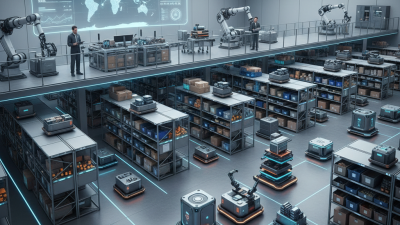
In today's super busy world of logistics, being efficient really matters. Have you heard about Autonomous Warehouse Robots? They're truly changing the game when it comes to how goods are stored and pulled out. Big names like Amazon and Zebra Technologies are leading the charge with this cool tech stuff, making warehouse work smoother and smarter.
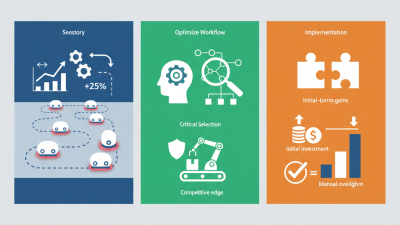
These robots help speed things up, cut down on mistakes humans might make, and boost overall productivity. But, I gotta say, bringing these robots into the mix isn’t exactly a walk in the park. Companies need to shell out for better infrastructure, staff has to get trained, and keeping up with these high-tech robots requires ongoing skills.
Even with those hurdles, the benefits are pretty huge. The money saved in operations can easily make up for what you spend to get started. In the end, jumping on the Autonomous Warehouse Robots bandwagon might just be the way forward for the future of supply chains and logistics.

Types of Autonomous Warehouse Robots in Supply Chains
In the fast-paced logistics industry, understanding the types of autonomous warehouse robots is critical. These robots enhance efficiency and reduce operational costs. According to a report by the International Federation of Robotics, warehouse automation is projected to grow at a compound annual growth rate of 26.3% from 2021 to 2025. This growth reflects the increasing reliance on robots for various tasks in supply chains.
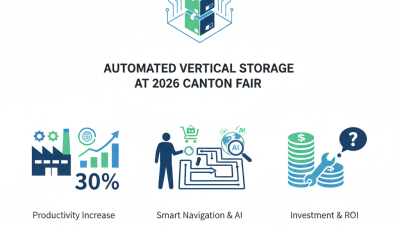
Autonomous Mobile Robots (AMRs) are one of the major Types Of Warehouse Robots. These robots navigate through complex warehouse environments, transporting goods without human intervention. Based on a survey, AMRs can improve warehouse productivity by up to 30%. However, challenges remain. A lack of integration with existing warehouse systems can lead to inefficiencies. Robots must communicate seamlessly with humans and other machines.
Automated Guided vehicles (AGVs) are another key type in this landscape. They follow fixed paths, performing repetitive tasks with precision. AGVs can operate in controlled environments, resulting in reduced error rates. Still, they require significant initial investment, which can be a barrier for some companies. Overall, while the types of warehouse robots offer substantial advantages, companies must carefully analyze their unique needs and potential drawbacks.
Key Features of Efficient Autonomous Robots
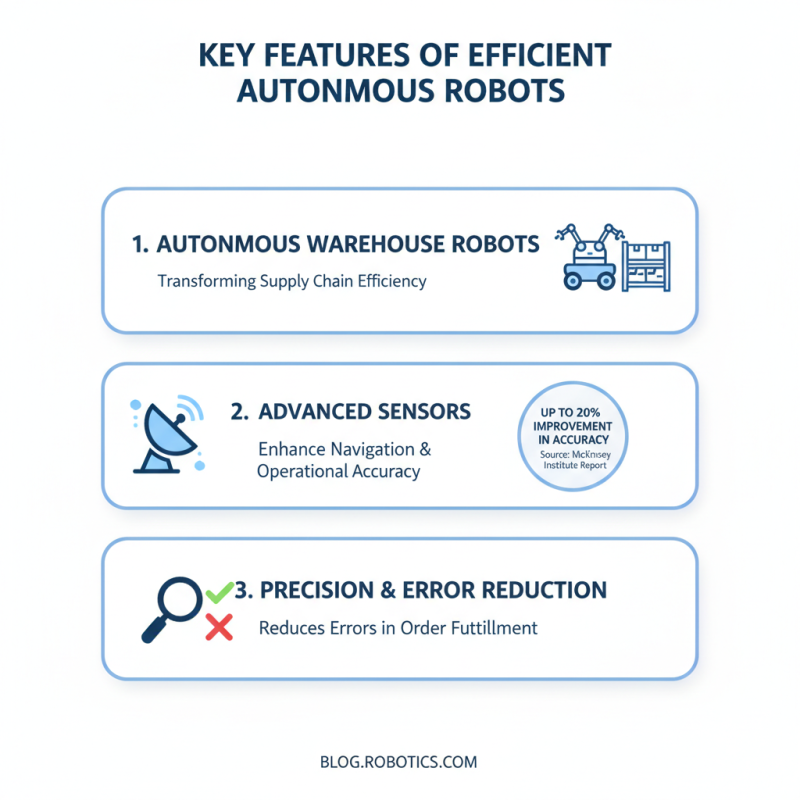
Autonomous warehouse robots are transforming supply chain efficiency. Key features define their effectiveness. Many robots are equipped with advanced sensors that enhance navigation. A report by the McKinsey Global Institute notes that these sensors can improve operational accuracy by up to 20%. This precision reduces errors in order fulfillment.
Another critical feature is real-time data analytics. Robots that can process data as they operate lead to smarter inventory management. Reports highlight that companies using this technology saw a 30% increase in productivity. Robots learn from patterns and adapt, creating a more dynamic workflow. However, dependence on technology raises concerns about workforce displacement.
Collaboration features are also vital. Robots must work alongside human operators seamlessly. Communication systems that allow robots to relay information can improve overall efficiency. While some systems work well, others struggle with integration. Disjointed operations can lead to bottlenecks, revealing a need for improved design. The landscape of autonomous robots is continually evolving, and reflection on their limitations is crucial for future advancements.
Benefits of Implementing Warehouse Automation
Implementing warehouse automation can significantly transform supply chain operations. One major benefit is the enhanced efficiency it brings. Automated systems can swiftly move goods, reducing the time spent in handling and sorting. This leads to faster order fulfillment, which improves customer satisfaction. Furthermore, Autonomous Industrial Robots can operate around the clock, ensuring that productivity remains high even during off-peak hours.
Another advantage lies in cost reduction. By minimizing human labor costs, businesses can allocate resources more effectively. Automation also lowers the risk of human error, which can lead to costly mistakes. However, some challenges come with this transition. Initial investment costs can be high, and there may be a learning curve for staff. Organizations might find it difficult to shift from traditional methods to automated systems.
Despite these hurdles, the long-term benefits of warehouse automation outweigh the challenges. Companies that embrace these technologies can enjoy a competitive edge. This strategy fosters innovation and can lead to new opportunities. Adapting to changes in technology requires flexibility and a willingness to reflect on current practices. Embracing autonomous robots can redefine efficiency in modern supply chains.
Top Autonomous Warehouse Robots for Efficient Supply Chain
The following chart illustrates the estimated efficiency improvements of various autonomous warehouse robots based on several key performance indicators such as speed, accuracy, cost, and scalability.
Challenges in Adopting Autonomous Robots
The integration of autonomous robots in warehouses is promising but comes with significant challenges. One primary concern is the initial investment. Companies must consider not only the robots' purchase cost but also maintenance and operation expenses. Some organizations hesitate, fearing that productivity gains won't justify these costs. Additionally, ensuring the right infrastructure in place is critical. A warehouse must adapt its layout for seamless robot operation.
Worker displacement is another pressing issue. Employees may worry about job security as robots take over repetitive tasks. Training employees to work alongside robots is essential. Yet, this process can be complex. There can be a steep learning curve, and not all employees will adjust at the same pace. Moreover, achieving CE Certification for autonomous industrial robots adds another layer of complexity. Compliance with safety regulations is necessary to ensure both worker safety and the robots' reliability.
Lastly, integration with existing technology can pose difficulties. Many warehouses have legacy systems that may not communicate well with new automation technologies. This incompatibility can lead to operational inefficiencies and increased costs. It's crucial for businesses to address these challenges thoughtfully. Balancing innovation with employee concerns and adapting to new technologies requires ongoing reflection and dedication.
Top Autonomous Warehouse Robots for Efficient Supply Chain - Challenges in Adopting Autonomous Robots
| Robot Type | Load Capacity (kg) | Speed (m/s) | Operating Range (sqm) | Challenges in Adoption |
| Automated Guided Vehicle (AGV) | 1000 | 1.5 | 5000 | High initial investment cost |
| Autonomous Mobile Robot (AMR) | 500 | 2.0 | 3000 | Complex navigation in dynamic environments |
| Robotic Arm | 200 | 0.5 | 1500 | Limited flexibility for varying tasks |
| Sorting Robot | 300 | 1.2 | 2000 | Integrating with existing systems |
| Palletizing Robot | 800 | 0.8 | 1000 | Safety concerns and workforce adaptation |
Leading Companies in Autonomous Warehouse Robotics
In the world of logistics, autonomous warehouse robotics has emerged as a game-changer. Several leading companies lead the charge in enhancing supply chain efficiency. These manufacturers focus on creating machines that reduce human error. They aim to optimize workflows and boost productivity in warehouses. Automation minimizes delays and improves accuracy in order fulfillment.
Many Autonomous Industrial Robots Manufacturers innovate continuously. They develop specialized vehicles designed for picking, packing, and sorting. Some robots excel at navigating tight spaces and adapting to busy environments.
However, these advancements come with challenges. Implementing new technology can disrupt existing workflows. Training staff on these systems may be time-consuming.
The tech landscape in logistics is consistently evolving. Companies must evaluate the balance between automation and the human touch. Without proper planning, reliance on robotics may lead to unforeseen issues. Businesses must invest in compatible systems that integrate smoothly with their operational needs. Loyal customers expect reliable service, so quality control remains paramount in these transitions.
Future Trends in Warehouse Robotics Technology
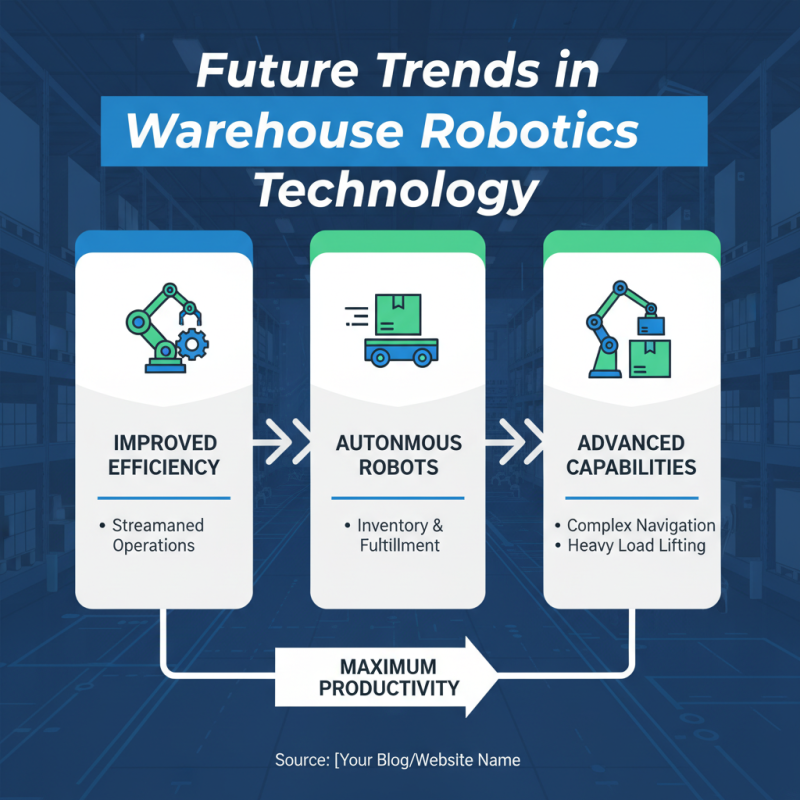
The future of warehouse robotics technology is an exciting frontier. Innovations are emerging to improve efficiency and streamline operations in supply chains. Companies are increasingly adopting autonomous robots to handle inventory management and order fulfillment. These robots are designed to navigate complex environments, lifting heavy loads and ensuring maximum productivity.
Integration of artificial intelligence is crucial in modern warehouse robotics. AI enhances the robots' ability to learn from their surroundings. This leads to better decision-making and improved task performance. Yet, challenges remain. Robots may struggle in dynamic settings with unpredictable human workers. Communication issues between robots can also hinder productivity.
The push for sustainability in logistics is another trend shaping the future. Companies are focusing on eco-friendly practices, and robots can help reduce energy consumption. However, the reliability of these machines remains a topic of discussion. Regular maintenance and updates are necessary for continued operation. Flaws in design or programming can lead to inefficient workflows. As technology evolves, addressing these challenges will be vital for successful implementations in warehouses.
Comparative Analysis of Top Autonomous Robot Models
The rise of autonomous warehouse robots marks a significant evolution in supply chain efficiency. These robots promise to streamline logistics operations, offering faster processing times and reduced labor costs. However, selecting the right model requires careful consideration of various factors. Performance metrics, such as speed, payload capacity, and navigation capabilities, can greatly influence operational efficiency in any warehouse setting.
Some robots excel in structured environments, while others are designed for flexibility in dynamic spaces. Additionally, user-friendliness and integration with existing systems can impact the overall effectiveness. A deeper analysis reveals that not all models are perfect; some struggle with complex layouts or face issues in real-time decision-making. This variability necessitates that organizations reflect on their specific needs and challenges when choosing suitable technology.
Moreover, operational costs and maintenance requirements vary widely among different robots. While some models may boast lower initial costs, hidden long-term expenses can become burdensome. Evaluating the total cost of ownership is crucial. Thus, conducting a thorough comparative analysis of these robots, focusing on their strengths and weaknesses, is essential for informed decision-making in supply chain automation.
Innovative Solutions in Logistics: Exploring the Benefits of Intelligent Three-Dimensional Warehouse Conveying Systems
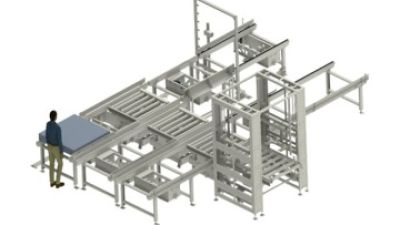
The logistics industry is undergoing a transformation, driven by the incorporation of intelligent three-dimensional warehouse conveying systems. These systems represent a significant leap forward in warehouse management, integrating state-of-the-art hardware and software to streamline the movement and storage of goods. Central to these systems are diverse components like chain conveyors, dismantling and stacking machines, top lifting and transplanting machines, and roller conveyors, each designed to optimize specific functions within the warehouse environment.
These advanced systems not only enhance the efficiency of storage but also allow for rapid retrieval and precise management of inventory. By utilizing sophisticated algorithms, the systems ensure that goods are organized and accessible, minimizing downtime and reducing labor costs. The automation of material handling presents a competitive advantage, enabling companies to respond to market demands swiftly and manage their supply chains effectively. As the logistics sector continues to evolve, embracing such intelligent solutions will be crucial for businesses aiming to improve operational efficiency and customer satisfaction.
The application of intelligent three-dimensional warehouse conveying systems also contributes to better space utilization within warehouses. By stacking goods vertically and enhancing movements between various storage points, these systems free up floor space for other essential operations. This strategic approach not only maximizes storage capacity but also promotes a safer working environment. As technology continues to advance, the integration of these intelligent systems will shape the future of logistics, fostering innovation and efficiency across the supply chain.
FAQS
: Autonomous warehouse robotics enhances supply chain efficiency and reduces human error, optimizing workflows and improving order fulfillment.
Implementing new technology can disrupt existing workflows and training staff may take considerable time and effort.
AI helps robots learn from their surroundings, leading to better decision-making and improved task performance.
Robots may struggle in dynamic environments with unpredictable human workers and may experience communication issues.
Sustainable practices can reduce energy consumption, aligning logistics operations with eco-friendly goals.
Consider performance metrics, user-friendliness, integration capabilities, and specific organizational needs before selecting a model.
Hidden long-term expenses can create burdens; evaluating total ownership costs is crucial for informed decisions.
No, some robots excel in structured settings while others adapt better to dynamic spaces, reflecting their limitations.
Regular maintenance and software updates are essential for sustained operation and to prevent workflow inefficiencies.
Companies must evaluate potential disruptions and balance automation with the human touch to avoid unforeseen issues.
Conclusion
The article explores the vital role of Autonomous Warehouse Robots in enhancing supply chain efficiency. It discusses various types of these robots, highlighting their key features such as advanced navigation systems and real-time data analysis capabilities. The benefits of implementing warehouse automation are also examined, including improved productivity, reduced labor costs, and enhanced operational accuracy. However, the adoption of Autonomous Warehouse Robots presents challenges, such as high initial investment and workforce adaptation.
Moreover, the article identifies leading companies in the field of autonomous robotics and discusses future trends that suggest an evolution towards more intelligent and collaborative robots. Lastly, a comparative analysis of top autonomous robot models provides insights into their functionalities and effectiveness, equipping supply chain managers with crucial information to leverage automation in their operations. Overall, Autonomous Warehouse Robots represent a significant advancement in warehouse management technology, promising to transform logistics.