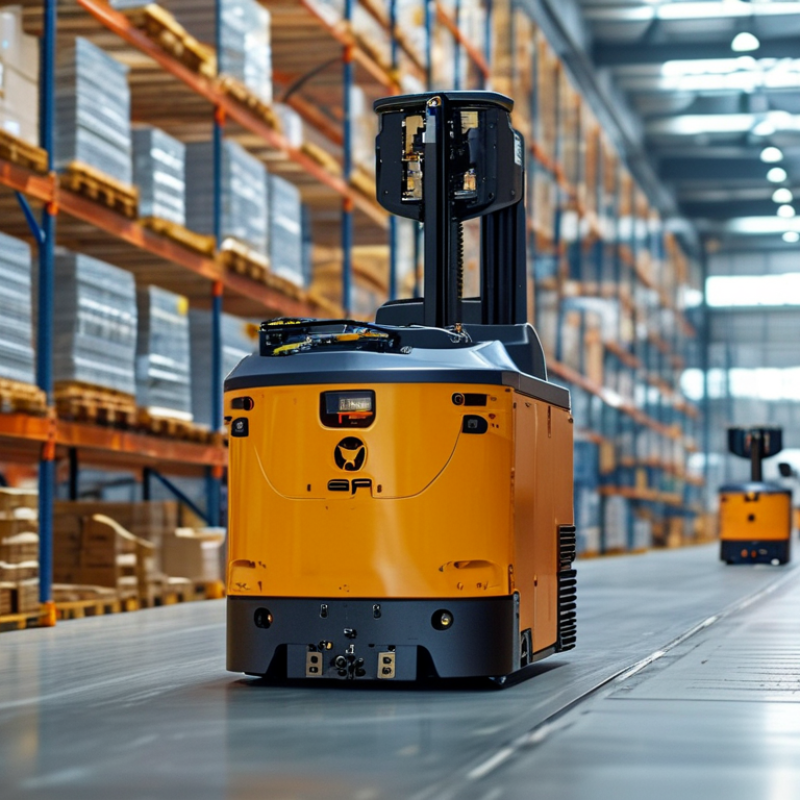
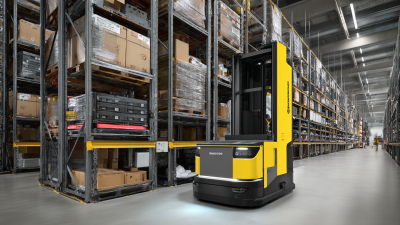
In today’s fast-moving business world, how well logistics and material handling are managed can really make or break a company. Tony Evans, who’s a top expert over at Mobile Automation Solutions, puts it simply: “Automated Guided Vehicles are changing the way businesses run.
Benefits of Automated Guided Vehicles in Streamlining Warehouse Operations
Automated Guided Vehicles (AGVs) are revolutionizing warehouse operations. They offer significant benefits in efficiency and productivity. According to a report by the Material Handling Industry of America, implementing AGVs can improve warehouse efficiency by up to 30%. This leads to faster order fulfillment and reduced labor costs.
Using AGVs can also minimize human error in inventory management. The accuracy of inventory tracking increases significantly when AGVs handle material transport. Reports suggest that companies using AGVs have experienced a 50% decrease in inventory discrepancies. However, not all systems are perfect. Initial setup costs can be high, and integration with existing systems may require adjustments.
Furthermore, while the technology is reliable, maintenance of AGVs is essential. Routine checks are necessary to ensure optimal performance. AGVs with CE Certification provide a degree of assurance regarding safety and quality standards. Despite these challenges, the efficiencies gained through AGVs can outweigh the drawbacks, making them a valuable asset in modern warehouses.
Impact on Labor Cost Reduction Through Automated Guided Vehicles
Automated Guided Vehicles (AGVs) are making significant waves in the business landscape, especially in reducing labor costs. According to a study by the Association for Advancing Automation, companies can cut labor costs by up to 50% when implementing AGVs in their operations. This reduction isn't merely a theoretical concept; many companies in manufacturing and logistics report actual savings.
Labor savings arise from AGVs' ability to operate continuously without breaks. They handle repetitive tasks, allowing human workers to focus on higher-value activities. Reports indicate that businesses using AGVs see a 20% increase in productivity. However, reliance on automation isn't without its issues. Companies may face challenges during initial implementation. It can take time for employees to adapt to new technology, leading to temporary disruptions in workflow.
Moreover, while AGVs reduce costs, they raise questions about job displacement. Factories must strike a balance between automation and workforce management. An updated skill set may be required for employees to work alongside AGVs. As businesses navigate this transition, they will need to consider both the potential savings and the human element of their operations.
Enhanced Safety Protocols with Automated Guided Vehicle Implementation
The implementation of Automated Guided Vehicles (AGVs) significantly enhances safety protocols within various industries. In a report by the National Safety Council, it is noted that workplace accidents can cost businesses up to $162,000 per incident. AGVs help mitigate these risks by reducing human error. They operate on predetermined paths, minimizing the chances of collisions and accidents.
Moreover, AGVs can be integrated into existing safety protocols seamlessly. They come equipped with advanced sensors and navigation systems, which detect obstacles in real time. This technology not only contributes to a safer work environment but also increases operational efficiency. According to a study from the Robotics Industries Association, businesses that adopt AGVs report a reduction in workplace injuries by approximately 25%.
However, it's essential to assess the balance between automation and human oversight. Over-reliance on AGVs can lead to complacency among employees. Training is criticalto ensure that staff can manage and troubleshoot the technology effectively. While Agv Manufacturers provide advanced solutions, the human element remains crucial for overall safety.Agv Automated Guided Vehicles Manufacturers emphasize the importance of integrating these vehicles into a comprehensive safety strategy.
Increase in Operational Efficiency Through AGVs in Manufacturing Plants
Automated Guided Vehicles (AGVs) play a crucial role in enhancing operational efficiency within manufacturing plants. According to a recent study by the International Journal of Production Research, AGVs can boost productivity by as much as 25%. This phenomenon is primarily due to their ability to operate continuously without breaks, which reduces downtime. With the integration of AGVs, manufacturers often report decreased labor costs and improved safety measures on the factory floor.
In a typical manufacturing operation, conventional material handling methods can lead to significant bottlenecks. A report from Logistics Management indicates that over 40% of production delays are attributable to inefficient material transport. High-Quality Agv Automated Guided Vehicles mitigate this challenge by streamlining the movement of goods. They deliver materials exactly where needed, minimizing manual transport errors and delays. However, the initial investment in AGV systems can be a barrier for some businesses. Therefore, companies must weigh the long-term savings against these upfront costs.
Implementing AGVs also requires ongoing assessment to maximize benefits. For instance, misaligned systems may not produce expected efficiencies. Data indicates that 60% of companies using AGVs find that they need to adjust their operational workflows post-implementation. Continuous employee training and system updates are essential to fully harness AGVs' capabilities. With the right adjustments, businesses can create a more efficient and responsive manufacturing environment.
Case Studies: Successful Integration of AGVs Across Various Industries
Automated Guided Vehicles (AGVs) are transforming operations in various sectors. For instance, in a leading manufacturing firm, AGVs improved efficiency by 30%. This reduction in operational costs significantly boosts profit margins. In distribution centers, AGVs can handle up to 100 tons of materials daily, revolutionizing logistics processes.
A case study from the automotive industry shows how a mid-sized manufacturer integrated AGVs into their assembly line. As a result, downtime was reduced by 25%. Employees could focus on higher-value tasks, enhancing overall productivity. Such integration highlights the strategic advantages of adopting AGVs.
Tips for effective AGV integration include assessing current workflows and identifying bottlenecks. Training staff on new technologies is vital. It ensures a smoother transition and maximizes the benefits of AGVs. Ethical considerations are also essential—companies must ensure that automation complements human work, rather than replacing it entirely. Balancing technology with human expertise can lead to sustainable growth.
What Are the Benefits of Automated Guided Vehicles for Businesses? - Case Studies: Successful Integration of AGVs Across Various Industries
| Industry | AGV Implementation | Benefits | Challenges Overcome | Result Metrics |
| Manufacturing | Automated material transport | Reduced labor costs, increased efficiency | Safety incidents reduction, consistent operations | 30% increase in throughput |
| Retail | Inventory management and order fulfillment | Improved inventory accuracy, faster order processing | Stock discrepancies, checkout delays | 20% reduction in out-of-stock items |
| Healthcare | Transportation of medical supplies | Reduced delivery times, increased safety | Human error in supply delivery | 15% increase in supply delivery speed |
| Logistics | Automated pallet transport and sorting | Higher productivity, reduced walking time for workers | Labor shortages, repetitive strain injuries | 25% increase in operational efficiency |
Future Trends: The Growth of Automated Guided Vehicles in Logistics
The logistics sector is experiencing significant change. Automated Guided Vehicles (AGVs) are at the forefront of this evolution. They offer improved efficiency in warehouse operations. These vehicles can navigate autonomously, reducing the risk of human error. Consequently, businesses can expect higher productivity and lower operational costs. However, the path to full automation isn’t without its challenges.
Several companies are investing in AGVs due to their rising demand. As a result, the market for these systems is growing rapidly. With advancements in technology, AGVs are becoming smarter and more efficient. They can adapt to varied environments and workflows. But, it’s crucial for businesses to understand that integration requires careful planning and training. The role of an Agv Automated Guided Vehicles Manufacturer is vital here. They must provide not only the vehicles but also guidance and support throughout implementation.
As the industry adapts, companies must stay informed about trends. A focus on sustainability is emerging, with AGVs reducing energy use and emissions. While these vehicles present many benefits, organizations should also reflect on potential limitations. Maintenance and potential downtime can impact productivity. Balancing technology with human oversight may prove essential for success in the long run.
Benefits of Automated Guided Vehicles for Businesses
Environmental Benefits of Utilizing Automated Guided Vehicles in Supply Chains
Automated Guided Vehicles (AGVs) are transforming supply chains, bringing significant environmental benefits. These vehicles help reduce carbon emissions by optimizing routes and decreasing energy consumption. AGVs operate efficiently, minimizing waste and unnecessary energy use during transportation. Businesses can lower their carbon footprint, contributing positively to the environment.
Furthermore, AGVs can be programmed to use renewable energy sources. This usage promotes sustainability in operations. However, the initial investment in AGVs may raise concerns for some businesses. The cost can be substantial, creating a hurdle for small enterprises. Yet, over time, the environmental advantages may outweigh the initial expenses.
AGVs also aim to enhance labor conditions. By automating repetitive tasks, these vehicles can help reduce worker fatigue. This shift can improve job satisfaction, yet it also raises questions about potential job displacement. Companies must navigate these challenges carefully. Balancing technology-driven efficiencies with workforce impacts is essential for a sustainable future.
FAQS
utomated Guided Vehicles (AGVs)?
AGVs have improved efficiency by up to 30% in some manufacturing firms, reducing costs and increasing profit margins.
AGVs help reduce carbon emissions by optimizing routes and minimizing energy consumption in supply chains.
Yes, AGVs automate repetitive tasks. This can reduce worker fatigue but raises concerns about potential job displacement.
Training ensures a smooth transition to new technologies, maximizing the benefits of AGVs while preparing employees for changes.
Companies need to assess their workflows, identify bottlenecks, and consider the initial investment versus long-term benefits.
AGVs can run on renewable energy sources, helping businesses lower their carbon footprint and contribute positively to the environment.
The initial costs can be high, especially for small enterprises. However, environmental benefits often outweigh these expenses over time.
Companies should balance technological efficiency with maintaining job security and worker satisfaction to create sustainable growth.
Yes, by automating mundane tasks, AGVs can improve job satisfaction but also introduce challenges around job security.
Conclusion
Automated Guided Vehicles (AGVs) are revolutionizing the way businesses operate, particularly in warehouse and manufacturing environments. These vehicles streamline operations by automating material handling processes, which significantly reduces labor costs and increases overall efficiency. The implementation of AGVs also enhances safety protocols, as they are designed to navigate autonomously, minimizing the risk of accidents in busy workspaces.
Moreover, various industries have successfully integrated AGVs, showcasing their adaptability and effectiveness in optimizing logistics and supply chains. The future looks bright for AGVs, with emerging trends indicating a growing reliance on these technologies to address operational challenges. Additionally, the environmental benefits of utilizing AGVs contribute to sustainable practices in supply chain management, making them a valuable asset for modern businesses looking to improve their bottom line while promoting ecological responsibility.