In today’s super fast-paced industrial world, being efficient is more important than ever. Companies are always on the lookout for smart ways to make their operations smoother. One of the cool solutions out there is the Agv For Material Handling. These Automated Guided Vehicles, or AGVs, have really changed the game when it comes to moving goods around. They help things run more smoothly and cut down on mistakes made by people.
Plus, AGVs make warehouses safer. Since they take over transport tasks, there's less risk involved with manual handling — which can sometimes be a bit risky. These vehicles are pretty clever; they can navigate around obstacles and make sure everything gets delivered on time. That said, it’s not a one-size-fits-all situation. Companies need to think carefully about what they really need before jumping in. Setting up AGVs takes some investment upfront and training staff — so it’s worth considering if it’s the right fit.
Another perk is how flexible they are. AGVs can work in all kinds of spaces, whether it’s a massive warehouse or a smaller, tighter area. Still, picking the right model is key, because not all AGVs are created equal. Some might not handle all the demands of your specific operation. Doing a bit of research on different options can really pay off, helping you get the most out of your investment. Overall, bringing AGVs into your operations can seriously boost how you handle materials. But, make sure to plan things out carefully and consider your unique workplace needs — that’s the best way to set yourself up for success.
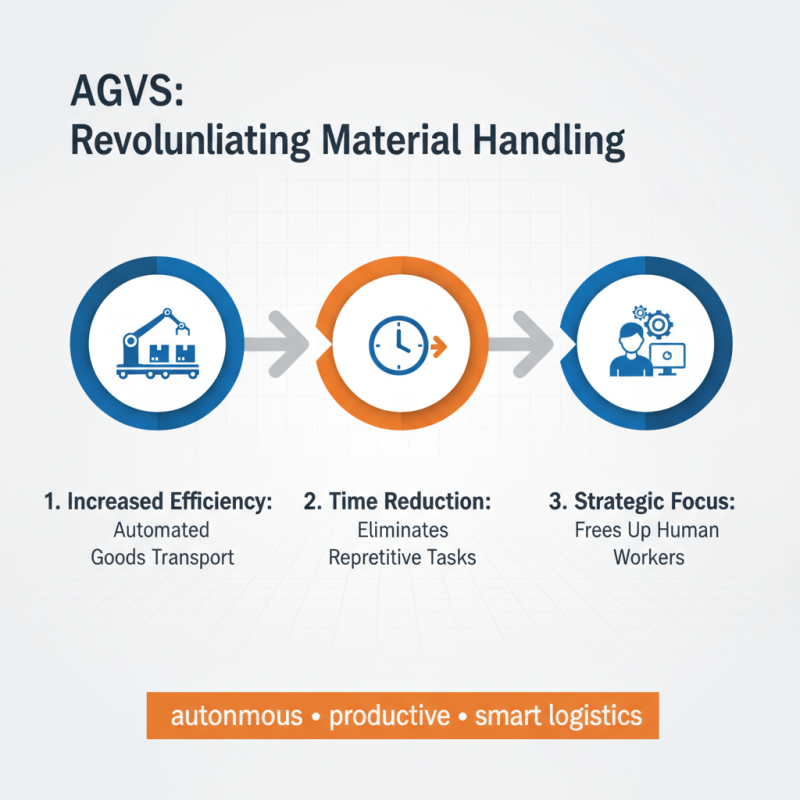
Automated Guided Vehicles (AGVs) are revolutionizing material handling operations. Their efficiency in moving goods is a game changer. With AGVs, companies can transport items without human intervention. This reduces time spent on repetitive tasks. Workers can focus on more strategic activities.
One major benefit is increased workflow efficiency. With AGVs, companies notice a significant drop in delays. For instance, an AGV can transport materials faster than a manual process. This speed leads to quicker deliveries and higher customer satisfaction. However, integration may pose challenges. Staff might need training to work alongside AGVs, which can be a hurdle.
Implementing AGVs requires careful planning. Here are some tips: Evaluate your current processes before introducing AGVs. Ensure they fit seamlessly into existing workflows. Also, consider safety protocols. AGVs should complement human efforts, not replace them. Continual assessment is vital. Reflect on how operations improve and where adjustments are needed. Make it a priority to gather feedback from workers interacting with AGVs. Their insights are valuable for future improvements.
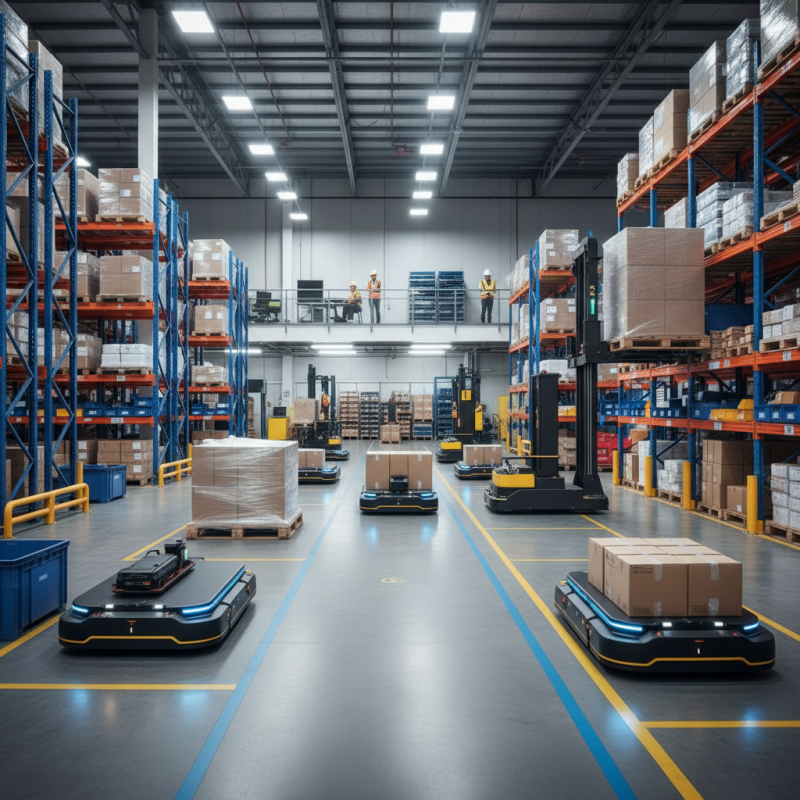
In recent years, automated guided vehicles (AGVs) have transformed material handling in warehouses. These machines navigate autonomously, reducing human intervention and cutting costs significantly. By using AGVs, companies can streamline operations, minimize labor costs, and avoid human errors in transporting goods.
Tips for efficient AGV integration: Focus on proper mapping of your warehouse layout. Each aisle and corner should be accurately plotted for AGVs to operate effectively. Regular maintenance of vehicles is crucial, as downtime can offset savings. Identify slow-moving products; positioning them strategically can enhance AGV efficiency.
Cost reduction is not just about the initial investment. AGVs can work continuously, which speeds up processes. This leads to quicker turnaround times and higher throughput. Evaluate your fleet size; sometimes fewer, smarter vehicles can do more than many older models. Regular training for your team ensures everyone understands the technology, maximizing its benefits.
The implementation of automated guided vehicles (AGVs) in material handling is revolutionizing safety standards in warehouses and factories. According to a 2022 industry report, companies that adopted Agv Technology reported a 40% reduction in workplace accidents. These vehicles eliminate human error, which is often a leading cause of injuries. Employees can then focus on more complex tasks, enhancing productivity while ensuring their safety.
AGVs operate on predefined paths and use sensors to avoid obstacles. This autonomy significantly minimizes the risks associated with manual material handling. A recent survey revealed that 25% of businesses believe AGVs improve operational efficiency and safety simultaneously. However, transitioning to this technology isn't entirely seamless. Some facilities experience initial pushback from staff who fear job displacement. Training programs can ease these concerns, highlighting that AGVs complement human workers.
Over-reliance on technology poses risks, too. Companies must ensure AGVs are regularly maintained. Malfunctions can lead to accidents, countering the safety benefits. Additionally, industries need to balance AGV adoption with the human element in workflows. Finding the right equilibrium is crucial for maximizing the advantages of Agv Material Handling without compromising safety and personnel morale.
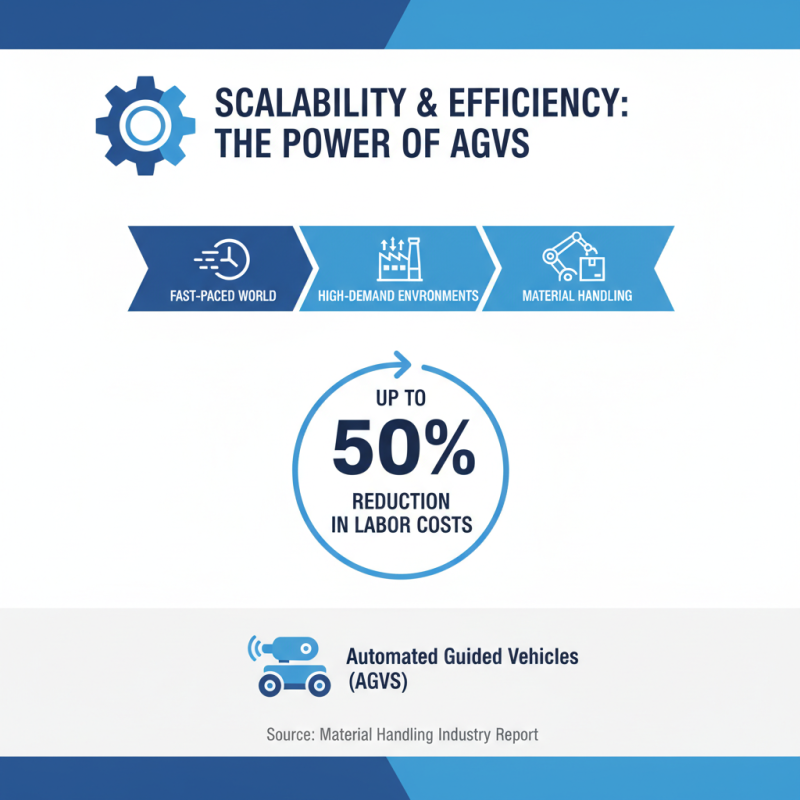
In today's fast-paced world, scalability is crucial for operations, especially in high-demand environments. Automated Guided Vehicles (AGVs) play a vital role in enhancing material handling processes. According to a recent report by the Material Handling Industry, organizations using AGVs can see up to a 50% reduction in labor costs. This statistic showcases the efficiency AGVs bring to the table.
AGVs are designed to adapt swiftly to changing demands. In a peak season, for instance, an AGV system can be ramped up to handle 30% more tasks compared to traditional setups. This flexibility can be vital during unpredictable market conditions. While many companies benefit from this scalability, not all operations integrate AGVs seamlessly. It’s essential to evaluate the specific needs of a facility before implementation. Planning is critical.
CE Certification Agv For Material Handling ensures that these vehicles meet safety standards, making them reliable for daily use. However, the upfront investment can be daunting. Companies must consider the long-term return on investment (ROI) to justify the costs. Striking the right balance between automation and oversight remains a challenge in optimizing AGV systems. Continuous monitoring and adjustments are necessary to harness their full potential.
AGVs, or Automated Guided Vehicles, are reshaping material handling operations. They offer unparalleled flexibility in layout and processes. Traditional warehouses often face limitations due to fixed pathways for forklifts and manual transport. With AGVs, these constraints diminish. They can navigate complex environments, adapting to changing layouts with ease. This adaptability allows for better space utilization.
Imagine a warehouse where the placement of goods changes frequently. AGVs can handle these adjustments effortlessly. They learn new routes and optimize paths quickly. Workers can focus on more strategic tasks rather than being tied to mundane transport duties. However, despite their advantages, implementing AGVs is not without challenges. The initial setup can be complex. Maintenance is essential to ensure the system runs smoothly.
High-Quality Agv For Material Handling can improve operational efficiency significantly. But businesses require ongoing training for staff to work alongside these machines effectively. Flexibility is a double-edged sword; it brings potential, but only if managed properly. Companies must reflect on their infrastructure. Are they truly ready for AGVs? The journey to automation may be beneficial, yet it requires thought and careful planning.
| Benefit | Description | Impact on Operations |
|---|---|---|
| Enhanced Flexibility | AGVs can be programmed to adapt to changing layouts and workflows. | Increases efficiency during operational changes. |
| Cost Savings | Reduces labor costs and minimizes human error. | Improves overall profitability of operations. |
| Increased Safety | AGVs reduce the risk of accidents in warehouses. | Ensures a safer working environment for staff. |
| Higher Throughput | AGVs operate continuously without breaks. | Increases the volume of material handled effectively. |
| Optimized Storage Space | Allows for more efficient use of available space and layout options. | Maximizes storage capabilities and minimizes costs. |
Data-driven decision-making is revolutionizing material handling operations, particularly with the integration of Automated Guided Vehicles (AGVs). These advanced systems collect valuable analytics that can significantly improve efficiency. A recent report indicates that organizations using AGVs witness a 30% reduction in labor costs and a 25% increase in productivity. However, it's crucial to interpret this data correctly. Over-reliance on analytics might overlook real-time issues on the warehouse floor.
AGVs generate extensive data on movement patterns, inventory levels, and operational bottlenecks. For instance, analytics can highlight underutilized routes, leading to improved traffic flow. Yet, companies often find difficulty in translating these insights into actionable strategies. A staggering 40% of businesses struggle with data interpretation, causing missed opportunities. This disconnection can undermine the benefits of AGV systems. Employing a dedicated analytics team could address this gap, ensuring that insights lead to tangible improvements.
Moreover, while AGVs boost operational speed, they require careful management of data inputs. Inaccurate or incomplete data can lead to misguided decisions. Some organizations report a 15% decrease in system efficiency due to flawed data inputs. It symbolizes a need for continual improvement in data gathering processes. Adopting a loop of feedback and adjustment can optimize AGV performance and enhance decision-making across the board.
Automated guided vehicles (AGVs) play a pivotal role in enhancing material handling operations. An essential advantage is the reduction in labor costs. According to the Material Handling Industry report, companies can save up to 30% on labor expenses by integrating AGVs into their workflows. The initial investment may seem substantial, but the long-term savings are evident.
Human error remains a significant factor in manual handling tasks. Studies indicate that over 70% of workplace accidents result from human mistakes. Implementing AGVs can minimize this risk. They operate based on precise algorithms, which lowers the possibility of accidents and mistakes. Facilities with AGVs often report fewer incidents and improved safety. Still, reliance on technology raises questions about employee training and adaptability. Not all workers find it easy to transition to a more automated environment.
CE Certification for AGV material handling ensures compliance with safety and operational standards. Adopting certified AGVs means investing in a tool that not only cuts down costs but also aligns with safety regulations. However, it’s crucial to regularly assess AGV performance and the need for maintenance, as outdated machines can lead to inefficiencies. By carefully balancing automation with human oversight, businesses can achieve optimal results in their material handling operations.
: The articles discuss various aspects of health, wellness, and lifestyle choices.
Focus on balanced nutrition, regular exercise, and adequate sleep to enhance your overall wellbeing.
Many diets emphasize plant-based foods, whole grains, and lean proteins for better health outcomes.
Yes, mental wellbeing is crucial. Managing stress and seeking support can greatly benefit mental health.
Aim for at least 150 minutes of moderate exercise each week for better fitness.
Absolutely. Simple adjustments, like drinking more water, can lead to significant health improvements.
Quality sleep is vital for physical and mental recovery. Poor sleep can negatively impact your mood.
Healthy habits, like a balanced diet and regular activity, can potentially increase lifespan.
Yes, tracking can help you understand your habits and make necessary improvements.
Reflect on your challenges, learn from them, and try to stay motivated for future progress.
The use of AGVs (Automated Guided Vehicles) for material handling operations offers numerous advantages that significantly enhance warehouse efficiency. By automating transport tasks, AGVs streamline workflows, leading to increased productivity and operational efficiency. They also contribute to cost reduction by minimizing labor expenses and optimizing resource allocation. Safety standards improve with AGV implementation, as these vehicles reduce the likelihood of accidents associated with manual handling.
Furthermore, AGVs provide scalability, enabling businesses to adapt to fluctuating demands without extensive changes to their existing setups. Their flexibility in design allows for various layouts and processes, making them suitable for diverse applications. Additionally, the data-driven insights generated from AGV systems foster informed decision-making, while the reduction in human error further enhances overall operational reliability. In summary, integrating AGVs for material handling not only transforms efficiency but also paves the way for sustainable growth in high-demand environments.