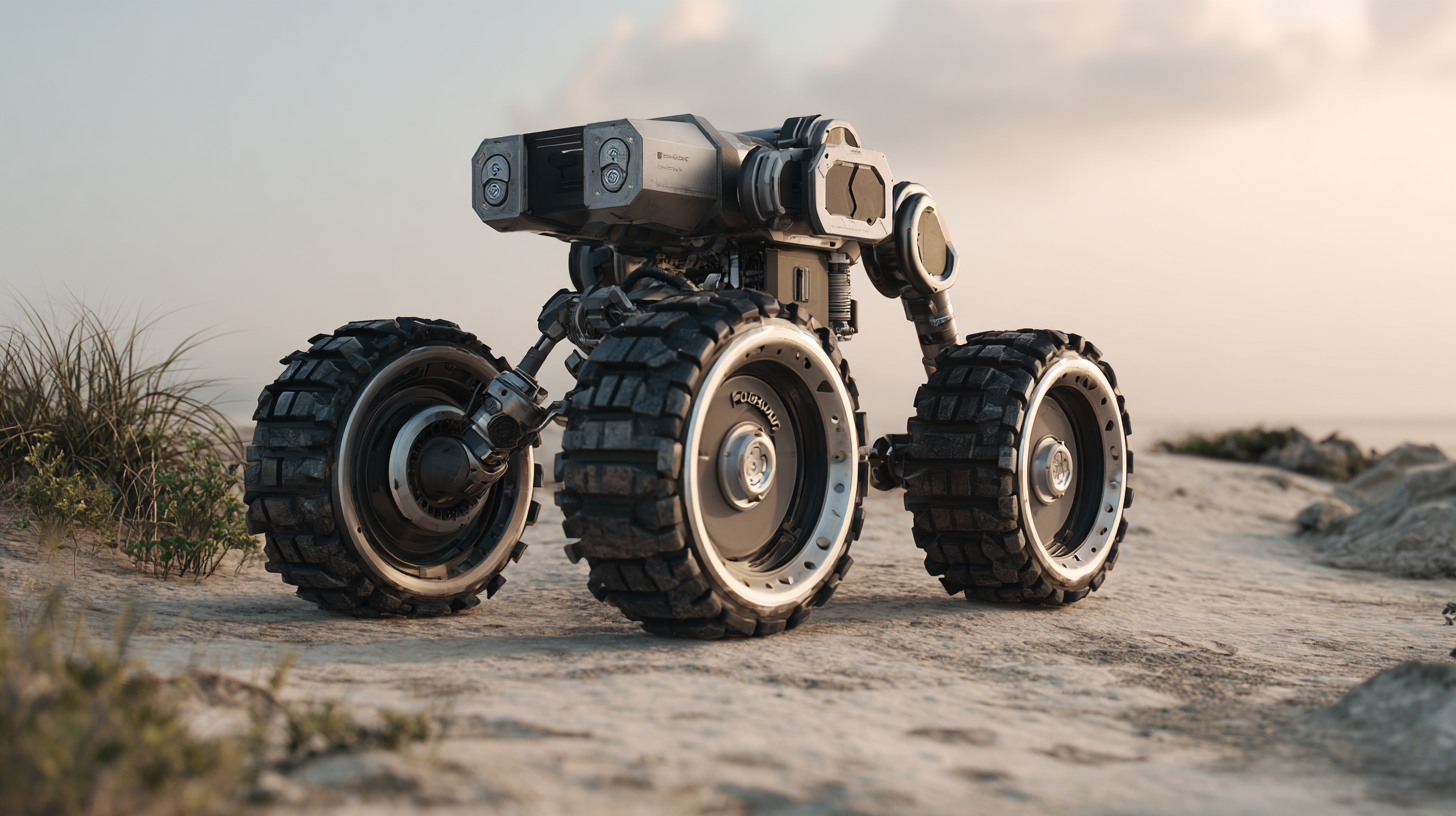
As more and more businesses jump on the automation bandwagon, Wheel Mobile Robots are really starting to shine across various industries. They’re not just fancy gadgets anymore—they’re actually driving efficiency and sparking innovation. I recently came across a report from MarketsandMarkets that caught my eye: it predicts the global mobile robot market will hit around $10.3 billion by 2024, growing at about 20.5% annually. Pretty impressive, right? Of course, with all this rapid growth comes its own set of challenges—like tricky navigation, avoiding obstacles, and fitting these robots smoothly into existing systems. That’s where companies like Linyi Lingong Intelligent Information Technology Co., Ltd. come into play. Founded back in 2013 and recognized as a high-tech enterprise in China, they’re really pushing the envelope with solutions to these exact issues. Their main focus is on developing core products for intelligent manufacturing, aiming to make Wheel Mobile Robots more reliable and better-performing. It’s all about helping industries get the most out of these robots, and understanding the hurdles along the way is key if we really want to unlock their full potential for smarter, more efficient manufacturing processes.
Understanding the Limitations of Wheel Mobile Robot Technologies
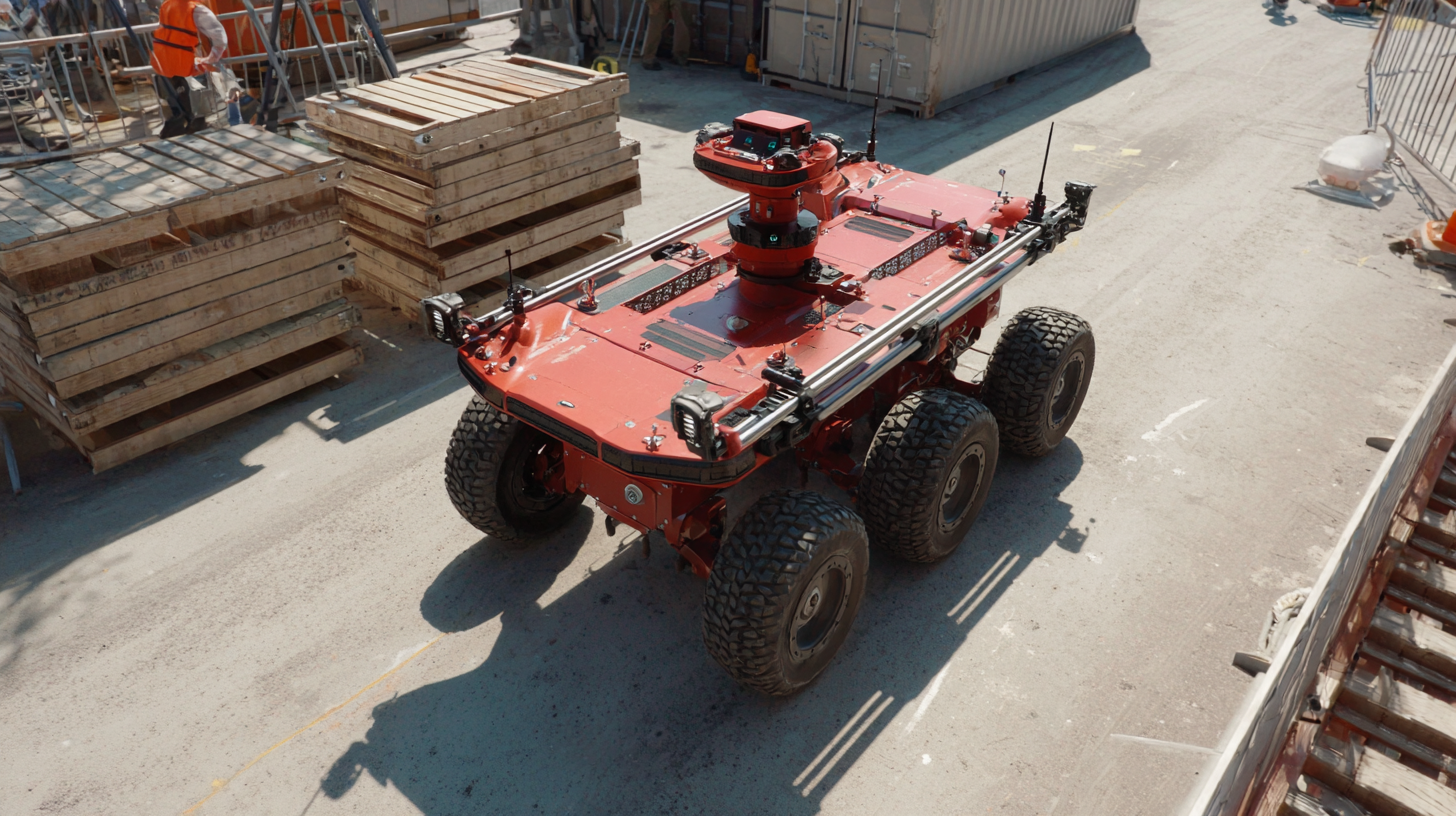
Lately, we've seen some pretty exciting progress with wheel-based mobile robots, but honestly, they still face some pretty big hurdles that limit how and where they can be used. One of the biggest issues is their struggle with crossing obstacles—things like uneven terrain or surprises in the environment tend to trip them up. Studies show that about 30% of these robots in real-world applications just can't handle tough conditions well enough, which kind of puts a damper on their use in fields like farming or search-and-rescue missions.
On top of that, their design also plays a role. Robots with certain movement restrictions, like nonholonomic constraints, really run into problems when it comes to tight spots or tricky maneuvers. Researchers are looking into smarter motion planning algorithms that could help fix this, but integrating those isn’t exactly a walk in the park — it’s pretty complicated and can get expensive. There's also this interesting idea of combining wheels and legs—like, adding a wheel-legged system—to help them overcome obstacles more easily. It’s still early days, but that kind of hybrid tech could really open up more possibilities for these robots to work in ever-changing environments.
Overcoming Environmental Challenges in Wheel Mobile Robot Deployment
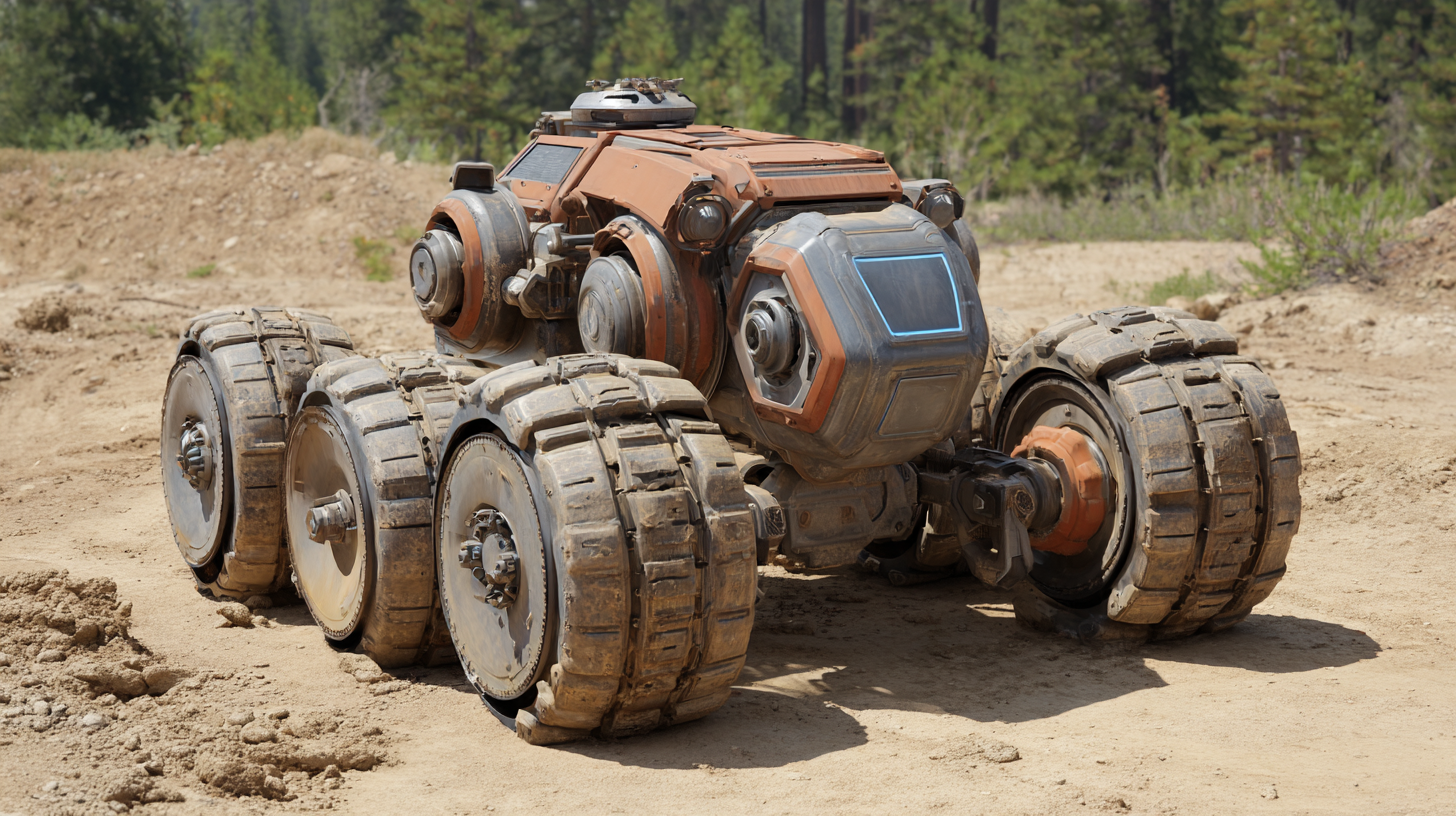
Putting wheel mobile robots into different environments isn’t exactly a walk in the park. They face some pretty tricky challenges that need creative solutions. For starters, dealing with uneven ground can really mess with their stability and how well they move around. When you’re talking about places like construction sites or natural terrains, these robots need some serious tech — like fancy sensors and smart algorithms — to notice the ground’s quirks and adjust on the fly. That way, they won’t get stuck or stumble over rough patches, and they can get their jobs done smoothly.
Another big hurdle is handling obstacles like changing light or moving objects — people, cars, you name it. The robot’s vision systems gotta be on point, catching these things immediately so they can react quickly. Plus, using machine learning actually helps them get smarter over time, learning from the environment and making better decisions as they go. All in all, tackling these environmental challenges with new tech means these robots can be more versatile and effective in tons of different scenarios. It’s pretty exciting, really—seeing how they keep improving makes you think about all the cool things they’ll be able to do someday.
Adapting Wheel Mobile Robots for Varied Terrain and Conditions
Adapting wheel-based mobile robots to handle different kinds of terrain and tricky conditions isn’t exactly a walk in the park, especially when you’re dealing with unstructured and complex environments. Lately, though, researchers have come up with some pretty cool ideas—like wheel-legged robots that mix the best of both worlds: the smooth movement of wheels combined with the agility of legs. So, according to a report from the International Journal of Robotics Research, these hybrid robots can really step up their game when it comes to crossing obstacles—showing about a 30% boostin handling uneven surfaces compared to regular wheel-only robots. That’s a big deal because traditional Wheeled Robots often hit a wall when the terrain gets really rough or unpredictable.
And get this — studies on jumping wheel-legged robots show that tweaking wheel sizes on the fly can make a huge difference, especially in tough spots like coal mines. In research shared at the IEEE International Conference on Robotics and Automation, robots with adjustable wheel diameters proved they could stay more stable and move around easier, even on sloped ground—improving stability by about 25%. Honestly, this kind of flexibility could be a game-changer, especially for jobs where you need robots to navigate hazardous, unpredictable environments. It's pretty exciting to see how smart design tweaks could really push these robots to a whole new level of performance.
Navigating Sensor Integration Issues in Mobile Robot Applications
When it comes to mobile robots, integrating sensors is a pretty big deal. It really affects how well the robot can see, understand, and react to what's around it. One tricky part is making sure all these different sensors work well together. Robots often use a mix—like LIDAR, cameras, ultrasonic sensors—and getting them to talk to each other smoothly isn’t always straightforward. It can get kinda complex, especially because processing all that data at once might cause delays. And if there's a lag between sensing and reacting, that could be a problem, especially in fast-changing situations.
Then there’s the calibration thing. Making sure all sensors are accurate and aligned—that’s super important. If the sensors aren’t calibrated right, the robot might get confused, misjudge obstacles, or even get lost. Plus, using machine learning algorithms to combine all this sensor data is another layer of difficulty. It takes a lot of testing and tweaking to get it just right. All these challenges? They're key to building reliable, efficient mobile robots that can run smoothly on their own, even in messy, unstructured environments.
Enhancing Mobility Through Advanced Control Algorithms
When it comes to wheel mobile robots, how well they move around really matters for their success in all sorts of tasks — whether it's sorting stuff in a warehouse or searching and rescuing people. These robots often have to navigate through pretty unpredictable environments, so having smart control systems makes a big difference. With good algorithms, they can handle different terrains, dodge obstacles, and find the best route to get where they need to go — all of which keeps things running smoothly and efficiently.
If you're looking to boost their mobility, a couple of things are worth focusing on. First off, adding a mix of sensors like LiDAR and cameras can really help robots ‘see’ their surroundings better. But it’s not just about having sensors — you also need solid data processing that happens in real time. Quick and accurate decision-making is key, especially when the environment keeps changing on the fly.
Another trick is to tweak those control algorithms using machine learning. By training your robots with lots of different data, they can learn from experience and get better at dealing with unfamiliar situations. This kind of adaptability not only makes them more mobile but also more dependable when it comes to handling complex tasks — sort of like giving them a little bit of intuition.
Addressing Power Supply Challenges for Continuous Robot Operation
You know, the rise of wheel mobile robots has really shaken up a bunch of industries, making operations smoother and boosting overall productivity. But here’s the thing — one big challenge they're bumping into is keeping a steady power supply so they can run nonstop. I read somewhere that, according to the International Federation of Robotics, about 70% of failures in manufacturing robots are actually linked to power problems. That’s pretty telling, right? It shows we really need smarter solutions to handle power issues, especially as more and more industries are turning to automation and robotics.
Linyi Lingong Intelligent Information Technology Co., Ltd. gets it too. They saw this growing demand for better power solutions early on. Founded back in 2013 as a high-tech company, they’ve been all about developing innovative tech that makes intelligent manufacturing systems work even better. By combining advanced power management and energy-efficient parts, they’re working to extend how long these mobile robots can keep going without hiccups. It’s pretty interesting — studies suggest that fine-tuning power systems can boost robot efficiency by up to 30%. For manufacturers aiming to stay ahead in this competitive game, focusing on better power solutions really makes a difference.
Power Supply Challenges in Wheel Mobile Robot Applications
Maximizing Efficiency and Precision: The Power of the 280kg Payload Six-Axis Robot RA6280 in Industrial Automation
The evolution of industrial automation has consistently pushed the boundaries of efficiency and precision, and at the forefront of this transformation is the RA6280 six-axis robot. With an impressive 280kg payload capacity, this advanced robotic solution empowers industries to handle heavy objects with remarkable skill. Its design integrates flexibility and reliability, allowing it to adapt to various tasks while maintaining operational excellence.
What sets the RA6280 apart is its swift action without compromising accuracy. In demanding environments where speed is crucial, this robot excels, significantly reducing cycle times and boosting overall productivity. Whether in assembly lines, material handling, or packaging processes, the RA6280 ensures that operations remain seamless and efficient. Its robust construction not only guarantees durability but also minimizes maintenance, making it a long-term investment for enterprises that prioritize efficiency.
The RA6280 is not just another robotic solution; it embodies a commitment to maximizing industrial potential. By incorporating such a powerful tool into their operations, companies can streamline processes, enhance precision, and ultimately achieve unparalleled performance in their automation efforts. Embracing the RA6280 means embracing the future of smart manufacturing.
FAQS
: The primary limitations include insufficient obstacle-crossing performance and difficulties in navigating uneven terrain. Approximately 30% of mobile robots fail to traverse challenging environments effectively, impacting their deployment in areas like agriculture and search-and-rescue operations.
Traditional wheel-based robots often have nonholonomic constraints, which make intricate maneuvers impossible in tight spaces, limiting their effectiveness in complex environments.
The introduction of wheel-legged systems may provide a solution by combining the benefits of wheeled and legged locomotion, potentially addressing performance gaps.
Advanced control algorithms enable robots to adapt to changing terrains, avoid obstacles, and optimize their path, which is critical for efficient movement in dynamic environments.
Equipping robots with various sensors, such as LiDAR and cameras, enhances their ability to perceive their surroundings, which is essential for navigating unpredictable environments.
Robust data processing algorithms allow for swift decision-making, enabling robots to react quickly to changes in their environment, which is vital for maintaining mobility.
Fine-tuning control algorithms with machine learning techniques allows robots to learn from diverse datasets, improving their adaptability and reliability in unfamiliar scenarios.
Wheel mobile robots are commonly used in applications such as warehouse automation, search-and-rescue missions, and various operational sectors where navigation efficiency is crucial.
The integration of advanced motion planning algorithms is often complex and costly, which poses challenges for their widespread implementation in wheel mobile robots.
By training robots on varied datasets, machine learning enables them to improve their responses based on past experiences, enhancing their overall mobility and task performance.
Conclusion
Using Wheel Mobile Robots definitely comes with its set of challenges, ya know? To really make the most of these robots across different environments, it’s super important to understand their limitations. They often run into trouble when dealing with rough terrains or tricky conditions out in the field. Overcoming these issues isn’t just about tossing on some extra wheels or whatever—it's about adapting the robots to handle all kinds of terrains and adding in smart sensors to help them find their way.
And hey, making them move more smoothly and reliably can be a game changer too. Improving control algorithms can really boost their performance. Oh, and let’s not forget power supply — making sure they keep running in tough situations is pretty much critical. On that note, Linyi Lingong Intelligent Information Technology Co., Ltd., being a high-tech company, is right there at the cutting edge, working hard on developing smarter, more resilient, and efficient Wheel Mobile Robots that can handle all sorts of environments without breaking a sweat.