Leave Your Message
0%

China’s warehouse scene is shifting pretty fast these days, and Asrs Warehouse Automation is quickly becoming a smart investment for a lot of distribution centers out there. You can now find Chinese suppliers offering everything from pallet cranes and mini-load systems to shuttle tech, conveyors, software, and robotic integration. But honestly, slapping together a shiny brochure doesn’t tell you much about how it performs in real life.

Martin Ford, a well-respected warehouse automation consultant, once said, “Automation works best when it supports people, processes, and decisions.” That’s a point worth keeping in mind when you're looking at Chinese suppliers. A solid partner should really understand things like storage density, order types, temperature needs, how the labor force behaves, and what expansion might look like down the line. Plus, they should be ready to show you solid testing results, software demos, maintenance plans, and clear performance stats—because at the end of the day, you want proof, not just promises.

This guide is here to introduce some of the top China-based Asrs Warehouse automation suppliers and help you figure out what they’re really capable of. We’ll chat about things like their engineering experience, the quality of their equipment, their warehouse management software, how well they can integrate everything, as well as support during installation and ongoing service. We’ll mention players such as HAI ROBOTICS, Hikrobot, Inform Storage, and Damon Technology – but keep in mind, not every supplier is the perfect fit for every project.

Remember, the cheapest option isn’t always the safest or smartest choice.

Sometimes, a smaller warehouse might not need more machines but instead better, more modular automation solutions. Or a small operation could get more bang for its buck with a simple, flexible system rather than a complicated high-bay setup. This makes evaluating options a bit tricky. Rankings and lists can help, but they’re no substitute for site visits, simulations, talking to references, and running pilot tests. Always be wary of shiny promises—especially when details about energy consumption, software compatibility, spare parts availability, and response times aren’t crystal clear. The biggest supplier isn’t necessarily the best one. It’s the one that genuinely helps improve your operations and takes responsibility once everything is up and running.
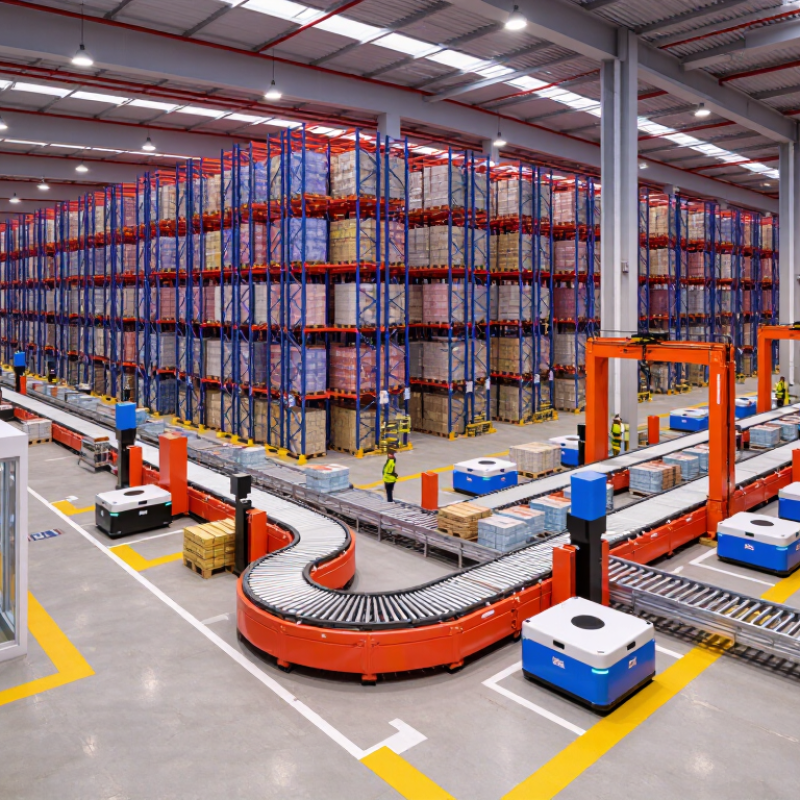
China Best ASRS Warehouse Automation Suppliers Guide

ASRS Warehouse Automation: Definition, Types, and Core Technologies

ASRS warehouse automation uses software, storage equipment, and machines to move goods with limited manual handling. It improves inventory visibility and reduces unnecessary travel inside a warehouse. MHI’s 2024 Annual Industry Report found that 55% of respondents already use robotics. Another 37% planned adoption within two years. These figures show growing pressure for measurable warehouse productivity.

Common ASRS types include pallet cranes, mini-load systems, shuttle systems, and vertical Lift Modules. Pallet cranes suit heavy, stable loads. Mini-load systems handle cartons, totes, and smaller parts. Shuttle systems support dense storage and frequent order movement. Vertical lifts protect goods in compact spaces. Core technologies include warehouse control software, barcode or RFID scanning, sensors, conveyors, and robotic interfaces.Agv Warehouse Automation can connect storage zones with picking and replenishment tasks. However, software integration often becomes harder than equipment installation. The first layout is rarely perfect.

Tips: Measure real order profiles before selecting equipment. Record carton size, weight, temperature, and daily peaks. Leave safe access around maintenance points. Test exception handling, not only normal operation. MHI data can indicate adoption trends, but each facility needs local validation. A misplaced scanner may create delays that a faster machine cannot fix. Review data after launch and adjust storage rules carefully.

China’s ASRS Market and Main Supplier Categories

China’s ASRS market is expanding beyond large distribution centers. Manufacturers now support factories, cold storage sites, retail warehouses, and spare-parts rooms. Demand is driven by labor pressure, land costs, and traceability requirements. In practice, storage density matters only when inventory accuracy and order speed remain stable.

The main supplier categories serve different project needs. ASRS equipment manufacturers provide pallet cranes, miniload systems, shuttle vehicles, and vertical lifts. System integrators connect these machines with conveyors, barcode scanners, warehouse management software, and warehouse control systems. Software specialists focus on inventory logic, task scheduling, and data exchange with enterprise platforms. Component suppliers provide motors, sensors, racks, safety doors, and control cabinets. Turnkey contractors combine several categories and manage design, installation, testing, and operator training.

A reliable evaluation should start with the stored goods. A 1,000-kilogram pallet needs different equipment from a small carton or irregular spare part. Ask for measured throughput, retrieval accuracy, noise levels, and maintenance response times. Visit an operating site if possible. Watch how workers handle exceptions, not only normal orders. Safety design must include guarded access, emergency stops, inspection routines, and local compliance documentation. Energy use also deserves attention, especially in cold rooms. Some proposals look efficient on paper. Real performance may change after software integration, product variation, or seasonal peaks. Buyers should leave room for testing, adjustment, and honest review.

China Best ASRS Warehouse Automation Suppliers Guide - China’s ASRS Market and Main Supplier Categories

China ASRS Market: Main Supplier Categories and Typical System Characteristics
Supplier Category Core ASRS Solution Typical Storage Unit Typical Load Range Typical Operating Height Indicative Throughput Range Common Industries Main Purchasing Considerations
Pallet AS/RS Integrators Unit-load stacker-crane systems for high-density pallet storage and retrieval Euro pallet, standard industrial pallet, or custom pallet 500–1,500 kg per pallet position 12–40 m Approximately 50–150 pallet movements per hour per crane, depending on travel distance and layout Manufacturing, food and beverage, chemicals, automotive, retail distribution Load stability, aisle width, fire protection, crane availability, pallet quality, and warehouse height
Four-Way Shuttle System Suppliers Shuttle vehicles that move horizontally and transfer between storage levels or aisles Pallets, usually arranged in deep-lane storage 500–1,500 kg per pallet 10–30 m Approximately 50–200 pallet movements per hour per operating zone Cold chain, beverage, food processing, contract logistics, bulk storage Temperature rating, battery charging strategy, lane depth, redundancy, and peak-period performance
Pallet Shuttle and Radio-Shuttle Suppliers Rail-guided shuttle equipment installed inside pallet racking for high-density storage Pallets in first-in-last-out or first-in-first-out lanes 500–1,500 kg per pallet 5–15 m Approximately 20–80 pallet movements per hour per shuttle, depending on lane length Cold storage, food and beverage, raw-material warehouses, seasonal inventory Lane depth, inventory rotation, forklift interface, battery endurance, and access to individual pallets
Miniload AS/RS Integrators Crane-based automated storage for totes, cartons, trays, and small containers Plastic totes, cartons, trays, or bins 20–100 kg per container 6–20 m Approximately 200–1,000 tote or carton movements per hour per system, subject to configuration Spare parts, pharmaceuticals, electronics, e-commerce, light manufacturing Container standardization, goods-to-person ergonomics, order profile, buffer capacity, and software integration
Autonomous Mobile Robot Suppliers Mobile robots for tote transport, goods-to-person picking, line replenishment, and sorting support Totes, shelves, carts, pallets, or roll cages 5–1,500 kg, depending on robot class Usually 2–8 m for floor-based solutions Approximately 100–600 tote or shelf movements per hour per operating area E-commerce, apparel, retail, electronics, spare parts, third-party logistics Navigation accuracy, fleet-management software, floor conditions, traffic control, safety zoning, and scalability
Tote-to-Person and Robotic Picking Suppliers Automated tote storage, buffering, sequencing, and robotic or assisted order picking Standard totes, cartons, trays, and order containers 5–50 kg per tote or container 4–12 m Approximately 300–1,200 tote presentations per hour per system, depending on workstation count Retail, apparel, cosmetics, pharmaceuticals, e-commerce fulfillment SKU profile, order-line density, picking accuracy, workstation design, replenishment rules, and peak-season capacity
Vertical Lift Module Suppliers Enclosed vertical storage modules with automated trays and operator access stations Trays, bins, components, and small cartons 50–1,000 kg per tray, depending on tray design 2–10 m Approximately 20–80 retrieval cycles per hour per module Maintenance stores, tools, electronics, medical supplies, industrial parts Ceiling height, tray dimensions, fire requirements, operator ergonomics, and item-access frequency
Vertical Carousel and Horizontal Carousel Suppliers Rotating shelves or carriers that present stored items to an operator Bins, trays, totes, components, and cartons Up to approximately 500 kg per carrier, depending on equipment type 2–12 m for vertical units; floor-level layouts for horizontal units Approximately 60–300 line presentations per hour per machine Tools, spare parts, garments, pharmaceuticals, documents, small-item warehouses Item dimensions, access frequency, fire safety, operator density, and integration with inventory software
Conveyor, Sortation, and Pallet Handling Suppliers Material-flow equipment used to connect storage, picking, packing, shipping, and production areas Cartons, totes, trays, pallets, and roll cages 5–2,000 kg per transport unit, depending on conveyor type Usually 0.5–10 m above floor level Approximately 500–5,000 units per hour per line, depending on item size and sorter design Manufacturing, parcel distribution, retail, e-commerce, food processing Item dimensions, accumulation logic, noise level, maintenance access, safety guarding, and line balancing
Warehouse Control Software and WCS Suppliers Warehouse management, equipment control, task orchestration, inventory visibility, and host-system integration Digital control of pallets, totes, cartons, orders, and equipment tasks Not applicable; capacity is measured by transactions and connected equipment Not applicable Commonly designed for hundreds to thousands of equipment transactions per hour, depending on architecture All ASRS applications, especially multi-zone and multi-equipment facilities ERP or MES interfaces, API capability, cybersecurity, data ownership, uptime, traceability, and upgrade policy
Turnkey ASRS System Integrators End-to-end design, equipment supply, software integration, installation, commissioning, and after-sales service Mixed: pallets, totes, cartons, bins, and production materials Project-specific; commonly combines light-load and pallet-load zones Project-specific; often 6–40 m Defined by the complete material-flow model rather than one machine Large manufacturing plants, distribution centers, cold chain, retail, pharmaceuticals Reference projects, engineering capability, commissioning plan, service coverage, spare parts, and lifecycle cost
Data note: The figures shown are typical China-market planning ranges for ASRS equipment and system categories. Actual capacity, throughput, height, and load ratings vary according to building conditions, SKU dimensions, inventory profile, storage policy, equipment configuration, safety standards, and software performance.

How to Evaluate Chinese ASRS Warehouse Automation Suppliers

Choosing an Automation In Warehouse partner requires more than comparing prices. A capable supplier should explain the full process, from receiving pallets to order dispatch. Ask for warehouse layouts, cycle-time calculations, and verified load data. Request a live demonstration, not only polished videos.

Visit an operating installation when possible. Watch how storage cranes handle uneven loads, barcode errors, and peak-hour congestion. Ask how quickly technicians respond to faults and which spare parts remain locally available. Review training plans for operators and maintenance staff. A reliable supplier should provide safety documentation, testing records, and clear integration details for warehouse management software. Compliance with applicable electrical, machinery, and workplace standards also matters.

Total cost needs careful attention. Include installation, software updates, energy use, maintenance, and future expansion. A low quotation may hide expensive modifications later. Supplier references should include projects with similar ceiling height, product weight, and throughput. Speak with those customers directly. Their answers may be less flattering, but more useful.

Some evaluation teams focus too heavily on maximum speed. That can be a mistake. Stable performance, recovery procedures, and accurate inventory control often create greater value. Ask what happens during a network outage or sensor failure. Then document every assumption before signing. Even experienced buyers can overlook floor tolerance or seasonal volume changes. That deserves another review.

Key Solutions Offered by Leading ASRS Suppliers in China

China Best ASRS Warehouse Automation Suppliers Guide

Leading ASRS suppliers in China now offer complete warehouse automation packages, not only storage machines. Typical solutions include pallet ASRS, miniload systems, shuttle racks, conveyors, lifts, robotic picking, and warehouse control software. They also connect warehouse management systems with barcode, RFID, and sensor data. A practical supplier should provide layout simulation, throughput testing, safety design, installation, training, and maintenance support.

The 2024 MHI Annual Industry Report surveyed more than 2,000 supply chain professionals and identified robotics and automation as major investment priorities. The International Federation of Robotics reported 541,302 industrial robots were installed worldwide in 2023. These figures show strong automation momentum, but ASRS success depends on process accuracy, not equipment volume. A cold-storage project may require insulated enclosures, corrosion-resistant components, and battery planning. A fast-moving warehouse needs stable picking rates and short recovery times.

Experienced suppliers usually begin with SKU analysis, order profiles, storage density, and peak-season demand. They then recommend pallet cranes, shuttle systems, or robotic goods-to-person stations. Integration quality matters. Weak interfaces can leave expensive equipment waiting for software instructions.

A perfect digital model is rarely available. That assumption deserves challenge. Operators should test exception handling, manual access, fire protection, and spare-part response before acceptance. Lifecycle cost also deserves attention, because energy use and maintenance can quietly exceed the original equipment budget.

ASRS Supplier Selection: Quality, Capacity, and Service Criteria

China Best ASRS Warehouse Automation Suppliers Guide

Choosing an ASRS supplier means looking beyond a polished proposal. Check system quality through component specifications, safety documentation, and maintenance plans. Ask how the equipment performs during peak shifts, not only during a controlled demonstration. A brief site visit can reveal practical details, such as aisle clearances, noise levels, and access for repairs.

Capacity must match real operating patterns. Compare the supplier’s stated throughput with your order profile, SKU mix, tote dimensions, and busiest hour. Request assumptions in writing. A system sized only for average demand may struggle when several orders arrive together. Asrs Automation can improve storage density, but the gains depend on accurate inventory data and workable processes.

Service is just as important. Clarify response times, spare-parts availability, remote support, and staff training before signing. Ask who handles faults after commissioning, and request a realistic escalation process. Small gaps matter. No supplier can prevent every interruption, and some projections may prove optimistic. Leave room to question the figures.

Project Planning, Integration, Installation, and Maintenance

A reliable ASRS project begins with real operating data, not a showroom layout. Map pallet dimensions, daily order peaks, SKU turnover, and required retrieval times. Then check floor flatness, clear height, column spacing, fire provisions, and conveyor routes. Small survey errors can become costly installation delays. Keep a little space for maintenance access; it is often squeezed out on drawings.

Tips: Ask suppliers to document load assumptions, system interfaces, acceptance tests, and operator training. Include CE Certification Asrs Automation in your technical review, but verify which equipment and documentation it covers. Certification alone does not confirm that a complete warehouse system suits your site. Request a risk assessment and a clear division of responsibility between supplier, integrator, and facility team.

During integration, test the warehouse control system with realistic order waves and exception cases. Try blocked aisles, unreadable labels, and a failed sensor before go-live. Installation plans should identify shutdown windows, lifting access, and safe work zones. After handover, track retrieval times, fault codes, and battery or component condition. Maintenance intervals may need adjustment; actual usage rarely matches the first estimate.

China Best ASRS Warehouse Automation Suppliers Guide

Typical ASRS project engagement timeline by major phase. These planning benchmarks reflect common warehouse automation delivery practices; the maintenance figure represents a one-year service cycle.

Project planning normally covers requirements, storage analysis, layout design, and ROI validation. Integration includes controls, software, warehouse management interfaces, and testing. Installation covers equipment deployment and commissioning, while maintenance continues through preventive inspections, troubleshooting, and performance optimization.

Costs, Delivery Timelines, and Purchasing Considerations

China Best ASRS Warehouse Automation Suppliers Guide

An ASRS project needs a complete-cost view, not only a machine quotation. MHI’s 2024 Annual Industry Report found that 55% of supply chain leaders planned to increase technology investment. This demand is pushing suppliers to shorten production schedules. However, a realistic delivery timeline often remains six to twelve months. It includes engineering, factory testing, shipping, installation, and software commissioning. Imported controls or delayed site preparation can add several weeks. My practical warning is simple: a low initial price may hide integration, infrastructure, training, and spare-part costs.

Compare suppliers through a detailed request for proposal. Ask for storage capacity, throughput, unit-load dimensions, peak-hour performance, energy use, and recovery procedures. Interact Analysis reports continued strong growth in warehouse automation, but growth does not remove project risk. Request customer references with similar fire codes, building heights, and operating shifts. Check whether local technicians can respond within 24 or 48 hours. Payment terms also matter; link milestone payments to design approval, factory acceptance testing, and site acceptance.

Tips: Keep a 10–15% contingency budget. Confirm civil-work responsibilities in writing. Test real products, including damaged cartons and irregular pallets. A simulation may look perfect, yet actual operations can be messier. Review the warranty carefully. It should cover software updates, sensors, motors, and response times, not just steel structures.

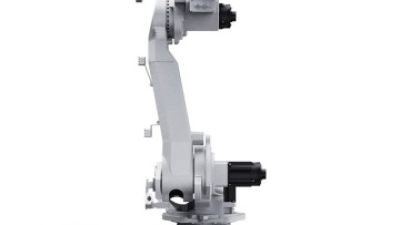
RA6280 280KG Payload Six-Axis Robot: Flexible, Reliable Automation for Modern Manufacturing

The RA6280 six-axis robot is engineered for demanding manufacturing environments where strength, precision, and flexibility are essential. With a payload capacity of up to 280 kg, it can manage heavy components, tools, and workpieces while maintaining stable and accurate movement. Its six-axis configuration provides a wide working range and enables smooth, multi-directional operation, making it suitable for material handling, machine tending, palletizing, welding, and other industrial processes.

Built for reliable long-term performance, the RA6280 combines a robust structure with responsive motion control to support consistent production quality. Its flexible design allows manufacturers to integrate the robot into different production lines and adapt it to changing operational requirements. Manufactured in China under strict quality standards, this heavy-payload solution offers durable performance and efficient operation for factories seeking to improve productivity, reduce manual workload, and establish a more streamlined automation process.

FAQS

What types of suppliers serve China’s ASRS market?

Equipment manufacturers provide cranes, shuttle vehicles, miniload systems, and vertical lifts. System integrators connect machines, conveyors, scanners, and software. Software specialists manage inventory logic and task scheduling. Component suppliers provide sensors, motors, racks, and safety doors. Turnkey contractors manage design, installation, testing, and training.

How should buyers match ASRS equipment with stored goods?

Start with product weight, dimensions, packaging, and storage conditions. A 1,000-kilogram pallet needs different equipment from a small carton. Irregular spare parts may require flexible storage locations. Cold rooms need special attention to energy use and equipment reliability. One solution rarely fits everything.

What performance data should suppliers provide?

Request measured throughput, retrieval accuracy, cycle times, noise levels, and recovery procedures. Ask for peak-hour results, not only average performance. Test damaged cartons and uneven pallets. A polished simulation may miss real warehouse problems. Real products matter.

How can buyers evaluate supplier experience?

Request references with similar building heights, product weights, storage capacities, and operating shifts. Visit a working installation when possible. Watch workers handle barcode errors, congestion, and unusual orders. Speak directly with previous customers. Their feedback may be uncomfortable, but useful.

What safety details should an ASRS proposal include?

Check guarded access, emergency stops, inspection routines, and clear maintenance procedures. Request testing records and applicable compliance documents. Review electrical, machinery, and workplace safety requirements. Confirm who handles civil work and site preparation. Safety cannot remain vague.

How long can an ASRS project take?

A realistic project often requires six to twelve months. The schedule may include engineering, factory testing, shipping, installation, and software commissioning. Imported controls or unfinished floors can create delays. Confirm every milestone in writing. Schedules slip sometimes.

What costs should buyers include beyond the equipment quotation?

Include installation, software updates, energy consumption, maintenance, training, spare parts, and future expansion. Keep a contingency budget of about 10–15 percent. Link payments to design approval and acceptance testing. A low quotation may hide expensive modifications later. A spreadsheet can lie.

How should buyers assess maintenance and software support?

Ask whether technicians can respond within 24 or 48 hours. Confirm which spare parts remain locally available. Review support for sensors, motors, control cabinets, and software updates. Ask what happens during network outages or sensor failures. My judgment may be incomplete. Recheck the recovery plan.

Conclusion

This guide explains Asrs Warehouse Automation, including its definition, major system types, and core technologies such as automated storage and retrieval machines, conveyors, warehouse control software, and inventory management platforms. It also examines China’s growing ASRS market and the main supplier categories, including system integrators, equipment manufacturers, software providers, and specialized solution companies.

Readers will learn how to evaluate Chinese suppliers based on product quality, engineering capability, production capacity, certifications, project experience, service support, and customization options. The guide also covers common solutions, project planning, system integration, installation, training, maintenance, costs, delivery schedules, and purchasing considerations. By comparing technical performance, total ownership cost, communication efficiency, scalability, and after-sales support, buyers can make more informed decisions and select an ASRS partner that matches their warehouse size, operational requirements, budget, and long-term development goals.
Nathan

Nathan

Nathan is a dedicated marketing professional at Linyi Linggong Intelligent Information Technology Co., Ltd., where he leverages his extensive knowledge and expertise to promote the company's innovative products. With a strong focus on intelligent technology, Nathan plays a crucial role in enhancing......
Previous What Are the Top Types of Automated Forklift Systems?