In today’s fast-moving manufacturing world, staying efficient is more important than ever. Companies are always on the lookout for smart solutions to get ahead. One pretty popular option these days is the Agv Automated Guided Vehicle. These machines really boost productivity and help make operations smoother — honestly, they’ve become a must-have for lots of businesses.
Basically, Agv Automated Guided Vehicles are built to move materials around without any human help. They can handle navigating tricky environments and reduce mistakes caused by people. Thanks to tech advancements, these vehicles are way more reliable and flexible now. They can switch between different tasks and fit into various workplace layouts, which is a huge plus.
That said, some companies are still a bit cautious. They worry about the upfront costs and how tricky it might be to get everything up and running. It’s definitely important to weigh these factors carefully before jumping in. When you look at the long-term gains, investing in one of these vehicles can really pay off. In the end, making the move to adopt an Agv Automated Guided Vehicle could be the push your operations need to run more efficiently and smoothly.
Understanding Automated Guided Vehicles (AGVs)
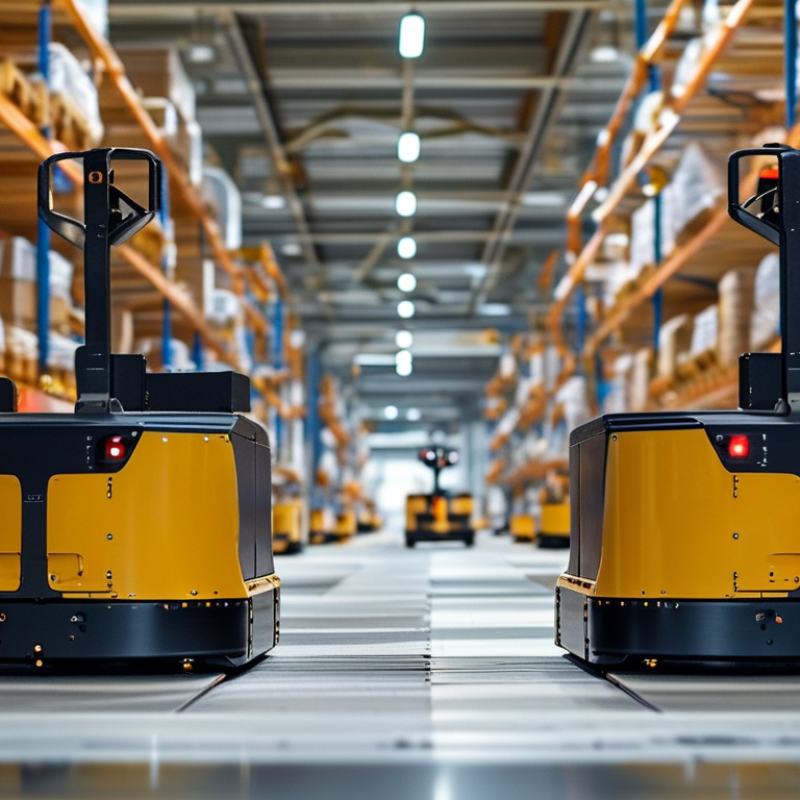
Automated Guided Vehicles (AGVs) are revolutionizing logistics and manufacturing industries. These vehicles are automated and designed to transport materials in a facility without human intervention. Understanding how they operate is essential for businesses considering this technology.
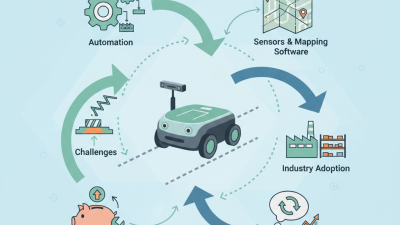
AGVs use a combination of sensors and navigation systems to navigate their environment. They follow predefined paths or utilize sensors to avoid obstacles. This technology can significantly improve operational efficiency. By reducing the need for manual labor, businesses can allocate their workforce to more critical tasks. However, implementing AGVs requires a careful assessment of workflows and infrastructure.
The versatility of AGVs is notable. They can handle various loads, from small items to large pallets. However, companies should reflect on their specific needs. Not all operations are suited for automation. Consideration of operational scale, complexity, and cost is vital. While AGVs present great opportunities, they also require an honest evaluation of readiness for such advancements.
Key Benefits of Integrating AGVs into Your Business Operations
Integrating AGVs into business operations offers numerous advantages that can reshape productivity. Automation streamlines processes. It reduces the need for manual labor, thus lowering operational costs. AGVs operate efficiently in various environments, moving goods safely and quickly. Their ability to navigate through tight spaces is commendable. This flexibility allows businesses to utilize their workspace effectively.
Incorporating AGVs can also enhance safety. These vehicles are equipped with advanced sensors to prevent collisions and ensure a secure working environment. Regular maintenance of AGVs promotes reliability. Businesses should assess their needs and train staff accordingly. The introduction of CE Certification Agv Automated Guided Vehicle ensures compliance with safety standards, providing further peace of mind.
However, transitioning to AGVs requires careful planning. Companies must evaluate existing workflows and consider potential challenges. A well-thought-out implementation strategy can mitigate risks. Understanding the technology and its limitations is crucial. By doing so, businesses can maximize the benefits of automation while avoiding common pitfalls.
Why Choose AGV Automated Guided Vehicle for Your Business? - Key Benefits of Integrating AGVs into Your Business Operations
| Benefit | Description | Impact on Operations |
| Increased Efficiency | AGVs streamline processes by reducing manual handling and optimizing material transport. | Faster production cycles and improved throughput. |
| Cost Reduction | Lower labor costs and reduced material handling errors contribute to overall savings. | Enhanced profit margins and budget efficiencies. |
| Safety Improvement | Automation reduces the risk of workplace accidents related to heavy lifting and transport. | Safer work environment leading to fewer injuries and downtime. |
| Flexibility | AGVs can be reprogrammed or reconfigured for different tasks or workflows easily. | Adapts to changing business needs without extensive re-investment. |
| Data Collection | AGVs provide valuable data on operational efficiencies and areas for improvement. | Informed decision-making based on real-time operational insights. |
Types of AGVs and Their Specific Applications in Industries
Automated Guided Vehicles (AGVs) have different types tailored for various industrial applications. Understanding these types can guide businesses in selecting the right Agv Solution for their operations.
Towing AGVs are designed to move heavy loads. They are ideal for factories and warehouses, where materials often need to be transported between production areas. Their ability to tow trailers enhances efficiency in handling bulk items.
Another type is the unit load AGV. These vehicles carry pre-defined loads, making them perfect for assembly lines. They move goods from one point to another seamlessly. Specialized AGVs, like those with robotic arms, can even handle complex tasks, such as picking and placing items. This versatility adds a layer of automation that can streamline workflows.
**Tip:** Consider your specific needs before selecting an AGV. Not all models perform efficiently in every environment.
Think about how often your production processes change. Some AGVs require reprogramming when tasks shift, which can lead to downtime. Regular evaluations of AGV performance can reveal areas for improvement.
**Tip:** Working with reputable Agv Automated Guided Vehicle Manufacturers can help you find suitable models that meet your demands. You may want to explore options that offer easy adaptability to changes in workflow.
How AGVs Improve Operational Efficiency and Productivity
Automated Guided Vehicles (AGVs) are transforming the way businesses operate. They increase operational efficiency by automating routine tasks. This technology allows for better allocation of human resources. Employees can focus on more complex activities while AGVs handle repetitive movements. Real-time monitoring ensures that AGVs adapt to changing conditions, reducing downtime.
Moreover, the precision of AGVs enhances productivity. They follow predefined paths and can work around the clock. Fewer errors in material handling lead to smoother workflows. However, implementing AGVs doesn’t come without challenges. Companies may encounter initial resistance from staff or need to invest in infrastructure changes. It’s vital to approach this transition thoughtfully.
Choosing the right Agv Automated Guided Vehicle Manufacturer is key. Assessing their expertise and reliability can help ensure a successful implementation. Those willing to embrace this technology can find new levels of efficiency. Yet, companies must remain aware of the need for ongoing training and adaptation. Balancing automation with human insight is crucial for long-term success.
Challenges in Implementing AGVs and How to Overcome Them
Implementing Automated Guided Vehicles (AGVs) in a business can present several challenges. A key issue is the initial cost of investment. According to recent reports, businesses may spend upwards of $250,000 on an AGV system. This cost can deter some companies from adopting this technology. However, understanding long-term savings and efficiency gains is crucial. AGVs can reduce labor costs by up to 30% and improve operational efficiency by nearly 20%.
Another common challenge is integration with existing systems. Many companies struggle to connect AGVs with their warehouse management systems or conveyor lines. A study by the Warehouse Automation Association found that 45% of companies face integration issues. To address this, thorough planning and collaboration with technology providers are essential. Involve IT and operations teams early to ensure smooth integration.
Tips: Assess your current systems before implementation. This will help identify potential compatibility issues. Additionally, consider the training needs of your staff. Providing adequate training can mitigate resistance and enhance acceptance of AGVs.
Lastly, it is essential to monitor the performance of AGVs continuously. The technology may not initially yield expected results. Regular analysis can reveal areas for improvement. Addressing these can lead to better outcomes and enhanced return on investment. Being adaptable and responsive is key to successful AGV implementation.
Evaluating Cost-Effectiveness of AGVs for Business Investment
Investing in AGVs can significantly influence your business's bottom line. They improve efficiency and reduce labor costs. However, understanding their cost-effectiveness is crucial. Analyze your operational needs before making a decision. High-Quality Agv Automated Guided Vehicle can streamline processes. Yet, assessing the initial investment versus long-term savings is essential.
Consider the various factors involved in deploying AGVs. Maintenance costs can add up over time. Training staff to operate these vehicles is also important. Assess your facility layout. AGVs may require infrastructure modifications. This could lead to unforeseen expenses that impact your budget.
Tip: Run a pilot program to test AGVs in your operations. It allows you to measure the impact without a full commitment. Collect data on productivity and costs during this trial. It might help you make a more informed decision.
The choice of AGVs must align with your goals. Evaluate if the technology fits your business model. Weigh the benefits against potential drawbacks. AGVs are not one-size-fits-all solutions. Regularly revisit your decision as technology evolves.
Future Trends in AGV Technology and Their Impact on Businesses
The automation landscape is changing rapidly, and AGVs are at the forefront of this movement. Industry reports suggest that the global AGV market is expected to reach USD 5.5 billion by 2025, growing at a CAGR of 15.2%. This trend reflects the increasing adoption of automated solutions across various sectors. Businesses recognize the efficiency gains and cost reductions that AGVs bring to material handling processes.
Recent advancements in AGV technology include greater flexibility and scalability. Modern AGVs can navigate complex environments, adapt to changing layouts, and communicate with other systems. These abilities enhance operational efficiency and workflow optimization. A survey by a leading logistics platform found that 70% of businesses using AGVs reported improved warehouse productivity. However, challenges such as integration with existing systems and initial investment costs require careful consideration.
There's also a growing emphasis on safety and AI integration. AGVs equipped with advanced sensors can prevent accidents, and AI-infused data analytics enhance decision-making. Reports indicate that businesses leveraging AI with AGVs see a 25% reduction in operational costs. While the technology shows great promise, businesses must reflect on their specific needs and circumstances. Balancing innovation with practicality will be key as they navigate this evolving landscape.
Innovative Solutions: Exploring China’s Dual-Vehicle Linkage AGV Technology for Modern Warehousing Operations
The advent of dual-vehicle linkage AGV (Automated Guided Vehicle) technology marks a significant evolution in modern warehousing operations. This innovative solution leverages a differential drive system, which allows for agile maneuverability within dynamic environments such as warehouses. The ability to swiftly navigate complex layouts enhances operational efficiency, resulting in faster retrieval and delivery times for goods.
Equipped with advanced wireless technology, these AGVs maintain excellent compatibility with a variety of equipment, making them versatile assets for various industries. Their design not only meets the rigorous demands of logistics but also facilitates seamless integration into existing workflows. As industry needs evolve, the commitment to high-quality AGVs ensures that businesses can harness cutting-edge automation solutions, driving progress in logistical operations and optimizing overall productivity. With a focus on collaboration and innovation, these vehicles are set to transform the landscape of warehousing, enabling companies to streamline their processes effectively.
FAQS
AGVs automate routine tasks, allowing employees to focus on complex activities. They also provide real-time monitoring.
Initial resistance from staff and infrastructure changes can pose challenges. It's important to approach this transition carefully.
Regular checks can reveal inefficiencies. They help in adapting AGVs to changing production processes, preventing downtime.
Future AGVs will likely be more flexible, scalable, and responsive. They may also enhance integration with existing systems.
Advanced sensors are being added to prevent accidents. AI analytics are also being integrated for better decision-making.
Yes, businesses using AI with AGVs report a 25% reduction in operational costs. However, initial investments are still a factor.
Ongoing training ensures staff can effectively collaborate with AGVs. Adjusting to new technology takes time and support.
Specific operational needs and the AGV's adaptability to workflow changes are crucial. Not all models suit every environment.
Implementing AGVs can lead to smoother workflows and fewer errors. Many businesses have noted significant productivity improvements.
Conclusion
The article "Why Choose Agv Automated Guided Vehicle for Your Business?" explores the benefits and applications of AGVs in various industries. It begins by explaining what AGVs are and highlights their ability to streamline operations and enhance productivity. Businesses can leverage different types of AGVs to meet specific needs, helping to optimize workflows and reduce operational costs.
Additionally, the article addresses challenges associated with implementing AGVs, providing strategies to overcome these obstacles. It also emphasizes the importance of evaluating the cost-effectiveness of AGVs as an investment for long-term operational efficiency. Finally, the article discusses future trends in AGV technology, projecting its potential impact on business processes and the broader industrial landscape. Adopting Agv Automated Guided Vehicles can significantly transform business operations, making them more efficient and competitive.