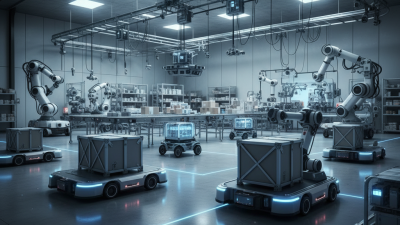
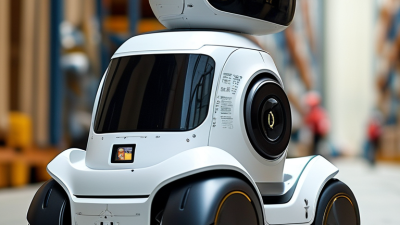
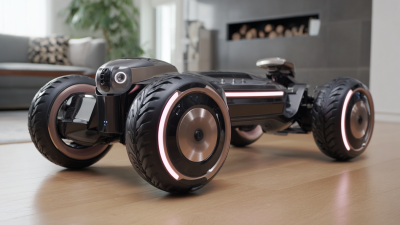
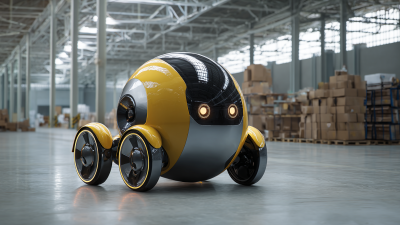
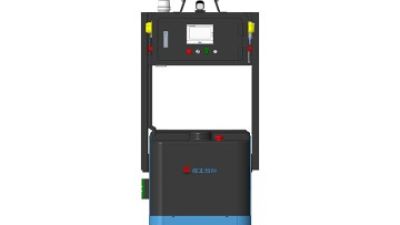
In today’s super busy business world, companies are always on the lookout for new ways to get things done more efficiently. One thing that’s really shaking things up across different industries is Mobile Robots. Big names like Amazon and Tesla are using these tech solutions to make their operations smoother and more streamlined. Have you heard about Omni Directional Mobile Robots? They’re changing the game when it comes to logistics, making navigation in all sorts of environments a breeze.
These robots aren’t just a flash in the pan — they’re part of a pretty big shift in how companies handle their day-to-day operations. Plenty of organizations are seeing better productivity and cutting down on labor costs just by bringing in these smart machines. Of course, it’s not all smooth sailing — there are some hurdles, like the initial costs and the need to train staff on how to work with these gadgets. Some companies find it tricky to tweak their workflows to fit this new tech.
But even with those bumps in the road, the pluses are pretty clear. These robots are excellent at doing repetitive tasks perfectly and without getting tired. If your business is thinking about what steps to take next, considering mobile robots might just be a smart move. Seriously, jumping on this tech bandwagon could lead to some pretty awesome boosts in efficiency and overall agility.
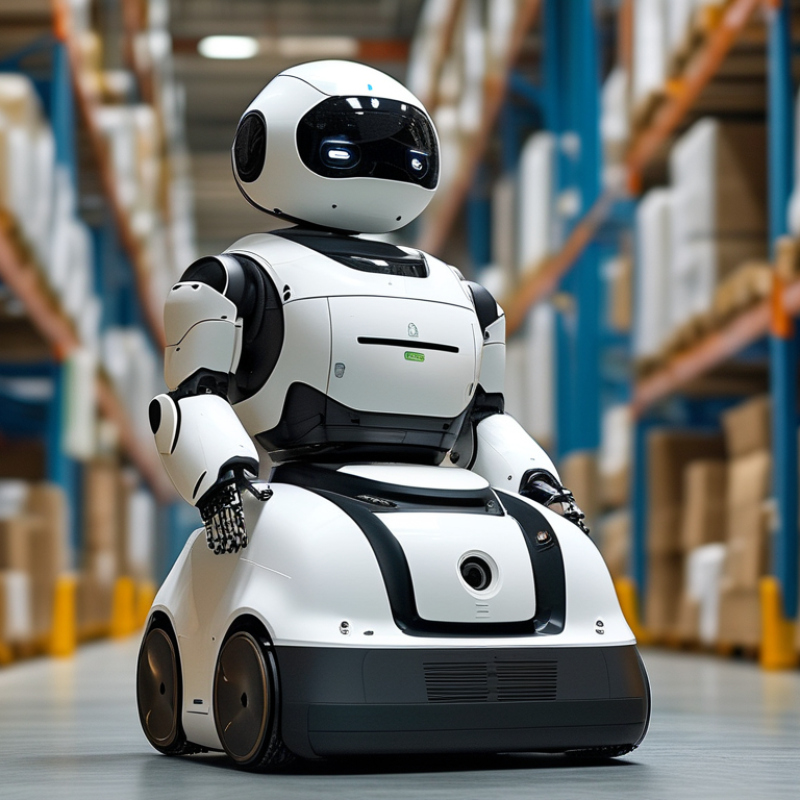
Benefits of Mobile Robots in Business Operations
Mobile robots are transforming business operations in numerous ways. These autonomous machines can handle repetitive tasks, allowing human workers to focus on more complex duties. Many factories use mobile robots for transporting materials. This improves efficiency and reduces the risk of workplace injuries. However, businesses must consider the initial investment and maintenance costs associated with integrating mobile robots.
The versatility of mobile robots makes them suitable for various industries. They can navigate complex environments to deliver goods or clean spaces. This technology increases productivity and often leads to cost savings over time. Nonetheless, the integration process can come with challenges. Training staff requires time and resources. Companies need to be prepared for unexpected issues that may arise during implementation.
Additionally, the data collected by mobile robots can enhance decision-making. They offer insights into workflows and inefficiencies. Yet, relying solely on technology can lead to over-dependence. A balanced approach is essential. Employees should remain engaged and not be overshadowed by machines. Mobile robots serve as tools to assist—instead of replace—human intellectual contributions.
Types of Industries Leveraging Mobile Robots
Many industries are increasingly turning to mobile robots for various applications. In logistics, efficiency is key. Mobile robots, like the Differential Mobile Robot, streamline warehouse operations. They navigate spaces intelligently, transporting goods quickly. This technological enhancement minimizes human error and optimizes workflow. Companies are reporting significant time savings.
In healthcare, mobile robots assist in patient care. They deliver supplies, medications, and even meals. This frees up staff to focus on critical tasks. However, the integration of these robots raises questions. How do we ensure they work seamlessly with human teams? Training and adaptability are crucial factors for success.
Retail is another sector benefiting from these innovations. Mobile robots help manage inventory. They scan shelves and track product levels in real-time. This leads to better inventory management, but challenges remain. The initial investment can be substantial. Businesses must weigh costs versus long-term gains. As industries evolve, finding the right balance is essential for leveraging mobile technology effectively.
Key Features to Look for in Mobile Robots
When considering mobile robots for business needs, certain key features stand out. One critical aspect is navigation technology. Intelligent Mobile Robots equipped with advanced sensors and cameras can navigate complex environments. According to a recent report by the International Federation of Robotics, 70% of warehouses are expected to implement mobile robots by 2025. This highlights the growing importance of accurate navigation systems in achieving efficiency.
Another essential feature is the load capacity of the robots. Different applications require different capacities. For instance, a restaurant delivery robot needs to carry trays or food items, while a logistics robot may need to transport heavy packages. Research shows that about 60% of operations benefit from improved efficiency when using robots with tailored load capacities. Companies must evaluate their logistics and workflow to select the right type of Intelligent Mobile Robot that meets their specific needs.
Finally, remote monitoring and real-time data analytics are invaluable in optimizing robot performance. Many businesses report that integrating these features has led to a 40% increase in operational efficiency. It's essential to ensure that the chosen robot can provide actionable insights. Organizations must remain adaptable and open to refining their processes as technology evolves, focusing on what works best for their unique situation.
Cost-Benefit Analysis of Implementing Mobile Robots
Mobile robots are increasingly becoming essential assets for businesses. A detailed cost-benefit analysis shows their advantages. While they require an initial investment, the long-term savings often outweigh these costs. Businesses can reduce labor costs and enhance efficiency. For instance, in warehousing, mobile robots can work 24/7, minimizing downtime.
Implementing mobile robots often leads to improved accuracy. They perform repetitive tasks without fatigue. However, training staff to work alongside these robots is necessary. This additional cost can be a drawback. Some companies may find it challenging to integrate robots into existing systems. It's crucial to evaluate the current workflow beforehand.
Maintenance is another factor to consider. Regular servicing can add to ongoing costs. Business leaders should account for these expenses. Not every company may achieve the same return on investment. The results can vary based on factors like industry and robot type. Reflection on specific business needs is key.
Challenges and Considerations When Adopting Mobile Robots
As industries increasingly shift toward automation, mobile robots stand out for efficiency. However, adopting mobile robots isn’t without challenges. A 2022 report by the International Federation of Robotics reveals that 75% of companies faced integration issues when they implemented these technologies. Excessive upfront costs and insufficient staff training often hinder successful deployment.
Moreover, navigating the ethical implications of robotics is crucial. A survey from Deloitte in 2023 indicated that 60% of organizations struggled with employee concerns regarding job security. This anxiety can result in resistance to change, which may stall progress. It's essential for businesses to communicate openly with their teams, addressing these fears directly.
Another key consideration is the technology's adaptability. Mobile robots must work seamlessly with existing systems. According to a McKinsey study, 52% of firms reported difficulties in adapting their workflows to accommodate new robotic technologies. Continuous monitoring and iterative adjustments are essential for maximizing the return on investment. Balancing innovation with practical concerns ensures a smoother transition into the future of work.
Future Trends in Mobile Robotics for Businesses
As businesses increasingly adopt automation, mobile robotics are on the rise. These technologies promise efficiency but come with their own challenges. The evolution of Mobile Manipulators in logistics offers a glimpse into future trends. Companies are investing inMobile Manipulator Robots that can navigate warehouse environments seamlessly. These robots can pick, sort, and deliver items while reducing human error.
However, the implementation of these systems isn't without obstacles. Integrating mobile manipulators into existing workflows can disrupt operations. Organizations must ensure that staff are trained to work alongside these robots effectively. User acceptance is vital, as resistance to new technology can hinder productivity. Without a thoughtful approach, businesses may face setbacks.
Looking forward, developments in artificial intelligence will enhance the capabilities of mobile manipulator robots. These machines will learn and adapt to complex environments, becoming even more efficient. The demand for real-time data will push businesses to invest in better analytics tools. Though the future is bright, companies must continuously evaluate their strategies. Balancing innovation with workforce readiness will be key to leveraging mobile robotics successfully.
Case Studies: Successful Mobile Robot Implementations
In recent years, businesses across various industries have embraced mobile robots to streamline operations. A manufacturing plant improved efficiency by integrating autonomous mobile robots to transport materials. These robots reduced human labor and minimized errors. Employees reported feeling less overwhelmed, allowing them to focus on higher-value tasks. However, there were initial challenges in training staff to work alongside robots. Adaptation took time, highlighting the importance of clear communication in technology integration.
Another case study involves a large retail chain that utilized mobile robots for inventory management. Robots efficiently scanned shelves, providing real-time stock updates. This helped to prevent stockouts and overstock situations. However, the implementation revealed some shortcomings. Some robots struggled in crowded aisles or when faced with unexpected obstacles. These issues prompted the company to rethink layout strategies and robot navigation technologies.
These examples illustrate the potential of mobile robots to enhance operational performance. Yet, they also underscore the importance of continuous evaluation and adaptation. The success of these technologies hinges not just on their design, but on how well organizations can integrate them into existing workflows. Addressing challenges head-on can lead to more sustainable and effective mobile robot deployments in various sectors.
Why Choose Mobile Robots for Your Business Needs? - Case Studies: Successful Mobile Robot Implementations
| Industry | Application | Benefits Realized | ROI (%) | Deployment Time (Months) |
| Warehouse | Automated Inventory Management | Increased efficiency, Reduced labor costs | 25%*
| 4 |
| Manufacturing | Material Transport | Reduced downtime, Enhanced safety | 30%*
| 6 |
| Healthcare | Delivery of Medications | Improved patient care, Cost savings | 20%*
| 3 |
| Retail | Stock Management | Enhanced customer experience, Inventory accuracy | 15%*
| 5 |
Revolutionizing Logistics: The Impact of MF20T Low-Robot Unmanned Forklifts in Chinese Warehousing Solutions
The logistics industry is undergoing a transformative shift with the introduction of advanced technologies, such as the MF20T low-robot unmanned forklift. This innovative transportation-type forklift is specially designed for efficient point-to-point transportation, making it an invaluable asset in Chinese warehousing solutions. With a remarkable rated load capacity of 2000kg, it excels in handling a variety of materials, including standard pallets and non-standard racks, enhancing operational efficiency across diverse applications.
What sets the MF20T apart is its automation capabilities, particularly the ability to execute automatic cross-floor transportation. This feature facilitates seamless loading and unloading operations, including access to elevators without the need for manual intervention. As warehouses increasingly focus on optimizing workflows and reducing labor costs, the MF20T emerges as a leading choice for suppliers and factories throughout China. By streamlining logistics operations, this avant-garde solution is setting new standards for productivity and operational effectiveness in the warehousing sector.
FAQS
: Mobile robots handle repetitive tasks, allowing human workers to tackle more complex duties. This leads to productivity gains.
Mobile robots are versatile and can be utilized in various sectors, including manufacturing, logistics, and cleaning services.
Businesses must consider the costs of purchasing and maintaining mobile robots before implementation.
Staff training and unforeseen issues during integration can pose significant challenges that businesses must address.
They provide insights into workflows and inefficiencies, but reliance on data alone can lead to over-dependence.
Key features include advanced navigation, appropriate load capacity, and real-time data analytics to optimize performance.
Yes, training is essential to ensure staff can effectively work alongside mobile robots. It requires time and resources.
No, mobile robots are designed to assist rather than replace human contributions in workflows.
Technology evolves rapidly; businesses need to be flexible and refine processes based on what works best for them.
Using robots with tailored load capacities can improve efficiency, benefiting about 60% of operations across various applications.
Conclusion
Mobile robots have become integral to modern business operations, offering a range of benefits such as increased efficiency, cost savings, and improved safety. Various industries, from manufacturing to healthcare, are leveraging mobile robots to enhance productivity and streamline processes. When choosing a mobile robot, it is essential to consider key features like navigational capabilities, load capacity, and integration with existing systems.
Implementing mobile robots involves a thorough cost-benefit analysis, weighing upfront investment against potential savings. However, businesses must also address challenges, such as workforce adaptation and technological compatibility. As mobile robotics technology continues to evolve, future trends indicate increased automation and smarter, more versatile robots. Successful case studies highlight the effectiveness of mobile robots in real-world applications, showcasing their significant impact on operations and profitability.