Picking out the right Automatic Storage System can feel pretty overwhelming sometimes. There are so many options out there, each with its own set of features, it’s almost like navigating a maze. Honestly, the first thing you wanna do is really figure out what you actually need.
For example, think about how you can make the most of your space. An Automatic Storage system should help you maximize what you've got, not waste it. Take a look at your facility’s size and layout—some systems are better suited to certain spaces. Companies like Dematic and Swisslog have some pretty cool solutions, and honestly, their systems tend to be tailored for different kinds of industries.
Now, don’t forget to think about how well it’ll fit with what you’re already using. Will it sync up without causing headaches? If it doesn’t, you might find the workflow starts to get all tangled up, which nobody wants. Keep in mind, there's no one-size-fits-all perfect solution. It’s a good idea to think long-term about your goals and what your operations really need. Taking the time to seriously evaluate your requirements can really pay off in the end and save you a lot of trouble down the line.
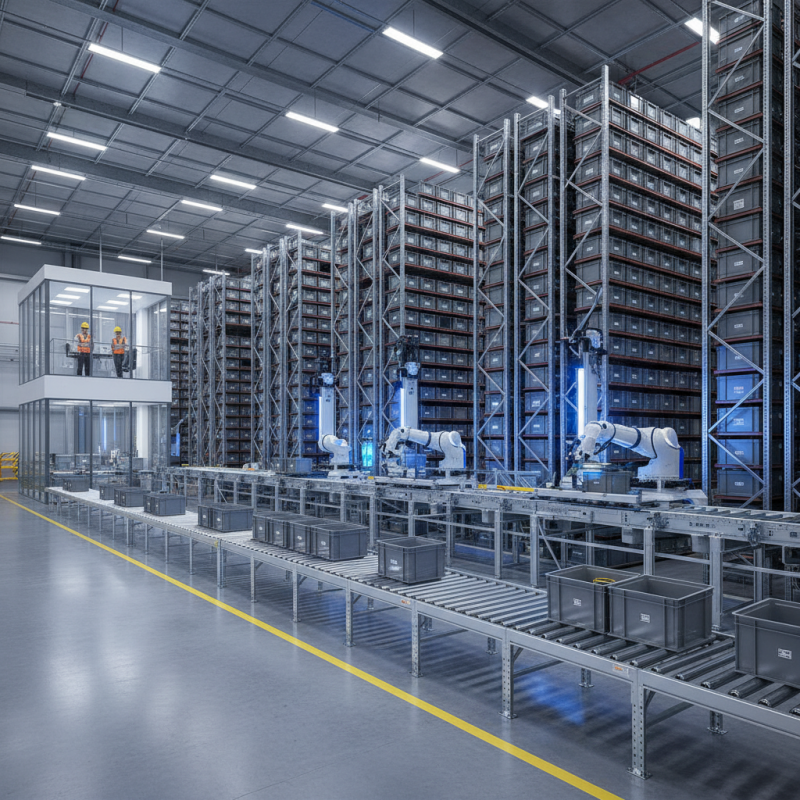
Understanding Your Storage Needs: Analyzing Space and Volume Requirements
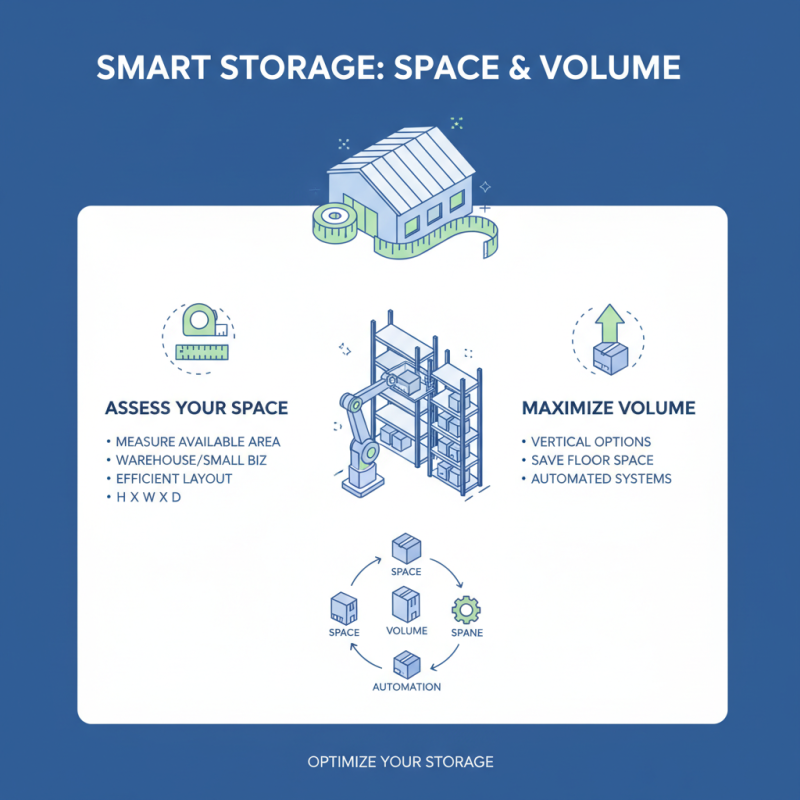
When considering an automatic storage system, it's crucial to evaluate your space and volume requirements. Begin by measuring your available area. Space is often limited in warehouses or small businesses. An efficient layout is essential for maximizing utility. Think about the height, width, and depth of the space you have. Consider vertical options. These can help save floor space.
Volume requirements are equally significant. Estimate the quantity and size of the items to store. Different products may need different storage systems. For example, large items require more robust systems. Balance these needs with automation efficiency. Sometimes, opting for a CE Certification Automatic Storage System can be beneficial. However, ensure it aligns with your specific storage goals.
Reflect on the potential growth of your storage needs. Will your inventory increase in the next few years? A system that adapts to changing demands is valuable. Storage solutions should not be rigid. Think about flexibility and scalability. It’s important to weigh these factors carefully. A well-thought-out decision will lead to a more organized and efficient storage environment.
Types of Automatic Storage Systems: Comparing Solutions for Different Applications
Choosing the right automatic storage system can be challenging. Various types cater to different applications, each with unique benefits. For instance, Vertical Lift Modules utilize vertical space efficiently. They can significantly optimize storage areas. This is ideal for companies with limited floor space.
Automated guided vehicles (AGVs) offer a flexible approach. They transport materials quickly across large facilities. However, their implementation may require significant initial investment and training. Often, facilities must assess their actual needs versus potential gains. Considering the specific requirements of operations is crucial when reviewing options.
Some systems focus on heavy items, while others handle delicate products. Although exploring these differences is essential, it can be overwhelming. Buyers should seek advice from Automatic Storage System Manufacturers. Their insights may highlight feasible solutions. Ultimately, balancing cost and functionality is vital for making the right choice.
Evaluating Performance Metrics: Speed, Capacity, and Efficiency Standards
When selecting an automatic storage system, understanding performance metrics is critical. Speed is often a top priority. According to a recent industry report, systems with a retrieval speed of under 30 seconds can significantly enhance workflow efficiency. However, implementation challenges often arise. Some systems may promise high speed yet underperform in real-world scenarios, leading to missed expectations.
Capacity, another essential metric, affects inventory management. Organizations must consider their current and future needs. Many businesses require scalable solutions; an automatic storage system that handles between 1,500 to 3,000 items is often ideal. Yet, a common mistake is overestimating these needs. Too much capacity can lead to wastage and higher costs.
Efficiency standards are vital for long-term success. A study by the Storage Solutions Association indicates that an efficient system uses at least 30% less energy than average. However, efficiency can vary by manufacturer. Some systems may not meet the expected efficiency benchmarks despite high initial costs. Evaluating these metrics thoroughly can prevent costly mistakes when looking for an Automatic Storage System Manufacturer .
Cost Analysis: Initial Investment vs. Long-Term Savings of Automation
Investing in an automatic storage system can be transformative for your business. However, understanding the cost analysis is essential. The initial investment may seem daunting. Yet, it’s crucial to evaluate the potential long-term savings. Consider factors like labor costs and space efficiency. An automated system can reduce the workforce needed for storage management. This could lead to significant savings over time.
Furthermore, maintenance costs should not be overlooked. Some systems require regular updates and servicing. Factoring in these costs is vital when calculating overall expenses. Analyze how much time employees spend on storage tasks. If automation can free up hours, think about the value of that time. Cut down on mistakes and enhance accuracy with automation, leading to fewer losses. This could be a game-changer for inventory management.
It's also important to reflect on your specific needs. Not every automated solution fits all businesses. The return on investment varies across sectors. Some may experience high savings, while others may see less impact. Ensure that the technology aligns with your operational goals. Taking the time to assess these elements can ultimately pay off. The balance between cost and efficiency is delicate and requires thoughtful consideration.
How to Choose the Best Automatic Storage System for Your Needs?
| Storage System Type | Initial Investment ($) | Annual Operating Cost ($) | Expected Lifespan (Years) | Long-Term Savings Over 10 Years ($) | ROI (%) |
| Automated Vertical Lift Module | 15000 | 2000 | 15 | 50000 | 233% |
| Automated Mobile Shelving | 12000 | 1500 | 10 | 30000 | 250% |
| Robotic Storage System | 25000 | 3000 | 12 | 70000 | 280% |
| Automated Warehouse System | 40000 | 5000 | 20 | 150000 | 375% |
Integration with Existing Systems: Compatibility and Technology Considerations
When selecting a High-Quality Automatic Storage System, integrating it with existing systems is crucial. Compatibility issues can arise. It’s important to examine the technology currently in use. If your warehouse relies on legacy systems, compatibility may be a challenge. Some systems are not designed to work together seamlessly. This mismatch can lead to inefficiencies.
Consider the communication protocols of your existing systems. Many automatic storage solutions use standardized protocols. Ensure that the new system aligns with these to avoid integration headaches. Testing compatibility in a controlled environment is vital. Real-life integration scenarios can sometimes reveal unexpected problems. Training staff on both systems can also be overlooked, leading to confusion.
Pay attention to the data flow between systems. A high-quality automatic storage system should improve overall efficiency. Yet, if data doesn’t transfer smoothly, it can hinder operations. Evaluate whether real-time reporting is possible. It can be easy to neglect these aspects, but they significantly impact performance. Continuous assessment and adjustment of your setup might be necessary as needs evolve.
Maintenance and Support: Assessing Service Plans for Reliability and Uptime
When choosing an automatic storage system, maintenance and support are crucial aspects. Reliable service plans can make a significant difference. They should include regular check-ups and prompt repairs. Look for providers that emphasize uptime. You want a partner who understands your operational goals.
Assessing service plans requires attention to detail. Does the plan cover preventive maintenance? What about emergency support? A system can be efficient, but without proper care, it will falter. Focus on response times and technician expertise. Sometimes, the cheapest option may lead to more downtime later.
Don’t overlook the importance of user feedback. Talk to existing customers about their experiences. Are they satisfied with support? Can they easily reach help when needed? These insights reveal the reliability of the service plan. Sometimes, initial savings can hide potential issues, leading to regret in the long run. Be vigilant in your evaluation process.
Maintenance and Support Assessment for Automatic Storage Systems
Future Trends in Automatic Storage: Innovations Shaping the Industry Landscape
As the automatic storage industry evolves, innovation plays a crucial role. Technologies like artificial intelligence and robotics are transforming how warehouses operate. Automated systems can now optimize storage space, speed up retrieval times, and reduce labor costs. This trend is becoming vital for businesses aiming to stay competitive.
Consider the role of IoT in automatic storage. Devices connected to the internet provide real-time data. This helps managers make informed decisions about inventory management. However, integrating these technologies is not always seamless. Businesses often face challenges such as data security and system compatibility. It's a learning curve that requires patience.
Sustainability is another emerging trend in automatic storage. Companies are looking for eco-friendly solutions. Implementing energy-efficient systems can reduce environmental impact. Still, some may struggle to balance cost and sustainability. Investing in green technology often requires upfront costs. Finding the right balance can be difficult, yet it's crucial for future success.
Enhancing Warehouse Efficiency: Insights from Recent Logistics Industry Reports on Linyi Lingong Intelligent Shelf System
In recent logistics industry reports, the Linyi Lingong Intelligent Shelf System has emerged as a pivotal innovation in enhancing warehouse efficiency. The demand for efficient storage solutions has prompted a shift toward advanced shelving concepts that not only maximize space but also improve accessibility and organization within the facility. One such popular solution is the cow leg shelving, characterized by its unique design that combines practicality with durability.
The structure of cow leg shelving comprises multiple layers of storage boards supported by sturdy columns and beams made from high-quality steel. This robust construction allows for a remarkable load-bearing capacity, making it an ideal choice for various warehouse needs. Its design facilitates easy access to stored items, reducing the time workers spend retrieving goods and thereby streamlining operational processes. Furthermore, the durability of the materials used ensures longevity, which is crucial for maintaining efficient storage systems in high-traffic environments.
Incorporating such intelligent shelving solutions not only enhances the overall functionality of warehousing operations but also contributes to cost-effective inventory management. The strategic arrangement of shelving systems allows for optimal use of vertical space, which is essential in today’s fast-paced logistics sector. As more businesses strive to innovate their warehousing practices, the integration of effective shelving solutions like the cow leg design positions companies to meet evolving industry demands efficiently.
FAQS
: Use the password recovery option. Follow the prompts to reset it.
Generally, usernames cannot be changed. Contact support for exceptional cases.
Log into your account. Go to settings to edit your details.
Secure your account immediately. Change your password and enable two-factor authentication.
There may be a suspected violation. Review the terms to understand the issue.
Find the delete option in settings. Follow the instructions carefully to proceed.
There is usually no limit. However, too many failed attempts may lead to a lockout.
Yes, you can. Make sure to secure each device with appropriate measures.
Try refreshing your page. If issues persist, contact customer support for help.
Regularly changing your password is good. Aim for every few months for better security.
Conclusion
Choosing the best Automatic Storage System involves a comprehensive understanding of your specific storage needs, including an analysis of space and volume requirements to ensure optimal utilization. Different applications may call for various types of automatic storage solutions, so it's vital to compare them effectively. Performance metrics such as speed, capacity, and efficiency standards should be evaluated to determine how well a system meets operational demands.
Cost analysis plays a crucial role, weighing initial investments against potential long-term savings from automation. Additionally, assessing the integration of the new storage system with existing technology is essential for seamless compatibility. Maintenance and support services should be considered to guarantee reliability and minimize downtime. Finally, awareness of future trends and innovations within the automatic storage industry will help inform your decision, positioning your operations for success in a rapidly evolving landscape.