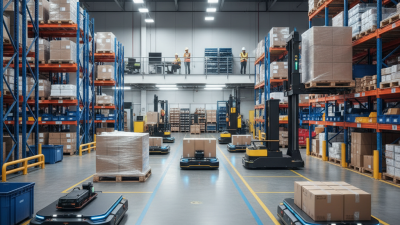
Lately, there's been a real increase in the demand for automation in warehouses. Companies are on the lookout for smarter ways to get things done more efficiently. One tech that’s catching a lot of someone's attention is the Agv For Material Handling. Basically, these Automated Guided vehicles make tasks like moving stuff around and storage way easier—and they do it pretty seamlessly.
But here’s the thing: picking the right AGV isn’t exactly a one-size-fits-all deal. Different models are made for different jobs — whether that’s towing heavy loads or handling pallets. So, it’s super important to really think about what your specific needs are. What works perfectly for one business might not be the best fit for another.
Now, investing in AGVs definitely has its perks—things like boosted efficiency and lower operational costs. But, don’t forget, bringing new tech into the mix can also come with its own set of challenges. Proper planning is key to avoid running into hiccups down the road. Picking the best AGV for your operation means paying close attention to details and taking a thoughtful approach—trust me, it’s worth the effort.

Understanding Automated Guided Vehicles (AGVs) in Material Handling
Automated Guided Vehicles (AGVs) have transformed material handling in various industries. They are designed to move materials efficiently. AGVs navigate through predefined paths, using sensors and software. This technology minimizes human intervention. However, choosing the right AGV requires careful consideration.
When evaluating AGVs, think about the specific needs of your operation. Understand the weight and size of materials to be transported. Different AGVs handle different payload capacities. Assess the layout of your facility; tight spaces may require smaller, more agile models. Communication and integration with existing systems matter too.
While AGVs offer many benefits, they are not without flaws. The initial investment can be high. Maintenance costs add up over time. Occasionally, AGVs might encounter unexpected obstacles. This could lead to delays in production. Reflecting on these challenges is crucial for making informed decisions. Careful analysis will ensure the chosen AGV aligns with operational goals.
2026 How to Choose the Best AGV for Material Handling?
| AGV Type | Load Capacity (kg) | Speed (m/s) | Operating Time (hrs) | Navigation Type | Key Features |
| Tugger AGV | 1000 | 1.2 | 12 | Magnetic | Versatile towing capabilities |
| Unit Load AGV | 1500 | 1.5 | 10 | Laser | Efficient for transporting pallets |
| ForkLift Agv
| 2000 | 1.0 | 8 | Vision | Autonomous stacking and retrieval |
| Hybrid AGV | 1800 | 1.3 | 11 | Inertial | Combines multiple navigation methods |
Key Factors to Consider When Selecting an AGV
Selecting the right Automated Guided Vehicle (AGV) for material handling requires careful consideration. One of the key factors is load capacity. Assess the weight and dimensions of your typical loads. An AGV that is too small may struggle, while one that is oversized can be inefficient. Think about your facility’s layout. Narrow aisles and tight corners can limit AGV movement and efficiency.
Navigation technology is another critical aspect. Laser-guided systems provide precision, while magnetic strips offer simplicity. Choosing the wrong navigation system can lead to operational hiccups. Additionally, examine the software integration capabilities. AGVs need to work seamlessly with your existing systems. Poor software compatibility can lead to frustration and delays.
Safety features cannot be overlooked. Your chosen AGV should have sensors to prevent collisions. Still, no technology is foolproof. Regular training and updates are essential to minimize risks. Reflect on maintenance needs as well; an AGV requires upkeep to function properly. This consideration may affect your overall costs in the long run. Balancing these elements is vital for optimizing Agv Material Handling in your operations.
Types of AGVs: Which is Right for Your Application?
When selecting an Automated Guided Vehicle (AGV) for material handling, understanding the types available is crucial. Different AGVs serve various functions. For instance, tow tractors are designed to pull carts or trailers. They’re often used in warehouses for efficient transportation. Then there are unit load carriers, which transport individual pallets. Their design prioritizes flexibility and adaptability in different environments.
Another option is pallet Jack AGVs. These are ideal for moving heavy loads over short distances. They're compact and can navigate tight spaces. Consider your specific needs before choosing. An AGV should align with your operational requirements. Additionally, ensure that it meets safety standards, such as CE Certification Agv For Material Handling. This certification guarantees the vehicle's reliability in real-world scenarios.
Each type has its strengths and limitations. Cost, ease of integration, and maintenance also matter. Reflections on past experiences can provide insights. Sometimes, what works best in theory may falter in practice. It's essential to evaluate all aspects thoroughly before making a decision.
Evaluating Load Capacity and Size for AGVs
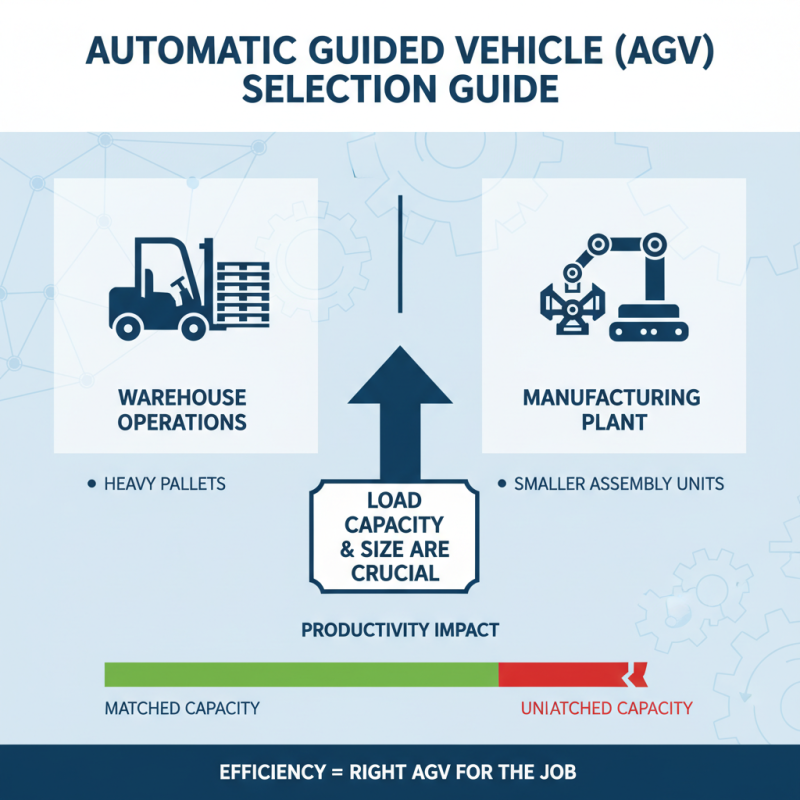
When selecting an Automatic Guided Vehicle (AGV), evaluating load capacity and size is crucial. Different operations have varying needs. For instance, a warehouse may require vehicles that can handle heavy pallets, while a manufacturing plant might use smaller units for assembly. The load capacity directly impacts productivity. If an AGV can't carry the load, inefficiencies arise.
Take into account the dimensions. An oversized AGV may struggle in tight spaces. Conversely, a smaller AGV might not support the load effectively. Needle-like precision is often needed in these decisions. Consider future growth. An existing operation might expand, which could lead to a mismatch between AGV size and requirements. If an AGV is too small now, it could become a bottleneck later.
It’s essential to reflect on the balance between size and capacity. Choose an AGV that aligns with current operations while considering potential changes. This decision will influence efficiency and overall workflow. Gather feedback from operators, as they provide useful insights on the ground. Their experiences can highlight imperfections that manuals might miss.
Navigational Technologies Used in AGVs
Navigational technologies play a crucial role in the efficiency of Automated Guided Vehicles (AGVs) used in material handling. The choice of AGV largely depends on the navigational system it employs. Key technologies include laser navigation, magnetic tape, and vision-guided systems.
Laser navigation systems offer high precision. They use lasers to create a map of the environment. A recent industry report states that laser AGVs account for over 40% of the market share. They excel in dynamic environments but can be expensive.
Magnetic tape systems provide a more cost-effective solution. They follow magnetic strips laid on the floor. This method limits flexibility, especially in changing layouts.
Vision-guided AGVs are gaining popularity for their adaptability. They rely on cameras and software to navigate. Companies using this technology have reported a 30% increase in efficiency. However, this system can struggle with poorly lit areas.
Selecting the right navigational technology is vital for achieving High-Quality Agv For Material Handling. Each option offers distinct advantages and disadvantages, necessitating careful evaluation to meet specific operational needs.
Safety Features to Look for in AGVs
When selecting an Automated Guided Vehicle (AGV) for material handling, safety features are paramount. Look for robust sensing technology. This includes LIDAR or camera systems that detect obstacles in real-time. Well-placed sensors can prevent collisions. AGV's path should be meticulously mapped. This ensures safe navigation through busy environments.
Another crucial aspect is the emergency stop functionality. An AGV should be equipped with easily accessible emergency stop buttons. Additionally, audible alarms or lights signal when the AGV is in operation. These features can reduce risks significantly. Operators and pedestrians need clear communication about AGV movements.
Evaluating the CE Certification can serve as a benchmark. It assures compliance with safety standards. However, certification doesn't guarantee perfection. You should inspect each vehicle for specific risks. Is the vehicle's speed adjustable? Can it handle various load types? These questions are vital. Your choice should reflect both the AGV's capabilities and your handling needs.
Cost Considerations and ROI of AGV Investments
When considering an investment in Automated Guided Vehicles (AGVs), cost plays a crucial role. Initial expenses can vary widely. Factors such as design, application, and required technology impact these costs. Organizations should analyze their specific needs before making a decision. A proper assessment can help avoid costly mistakes. What works for one company may not work for another.
Return on Investment (ROI) is equally important. A well-implemented AGV system can significantly reduce labor costs. It can also minimize errors and improve efficiency. However, companies must be realistic about recovery time. Implementing AGVs requires training and potential downtime. Ensure that these factors are included in the overall cost analysis. Ignoring them can lead to overestimating the benefits.
Thinking critically about AGV effectiveness is essential. Not all operations benefit equally from automation. Some tasks may still require human intervention. The key is to identify whether AGVs align with your long-term goals. Calculate potential savings versus the cost of installation and maintenance. Balancing these elements is crucial for sustained success.
Optimizing Warehouse Efficiency with the LGIM 5-Ton Piggyback Lift AGV: Elevate Your Operations Today
In today’s fast-paced warehouse environments, optimizing efficiency is paramount. The introduction of innovative technologies, like the advanced piggyback lift AGV, offers a solution that significantly elevates operational capabilities. By leveraging compound navigation technology, this AGV ensures independent and precise positioning, allowing for seamless integration into existing workflows. This enhances not only productivity but also accuracy in handling various logistics tasks.
The piggyback lift AGV features a robust four-wheel differential drive system that enables flexible movement in tight spaces, making it ideal for warehouses with intricate layouts. The intelligent power management system stands out by providing automatic online and offline charging, ensuring that the AGV remains operational without the need for constant human oversight. Additionally, advanced safety features, such as diagonal laser obstacle avoidance and 360° collision detection, offer multiple layers of protection for both the equipment and surrounding personnel, fostering a safer working environment.
Interaction with the system is simplified through an intelligent touch screen and audio-visual integration, catering to operator needs and enhancing usability. With wireless WiFi capabilities and seamless roaming, the system guarantees uninterrupted operation across the entire network coverage area. Supporting the lifting and handling of goods up to 5,000kg, this piggyback lift AGV not only streamlines warehouse operations but also allows businesses to redefine their logistics strategies, paving the way for increased efficiency and productivity in modern supply chain management.
FAQS
: This product aims to improve daily convenience. It simplifies tasks for users.
Follow the instructions provided in the guide. Ensure you understand each step clearly.
Yes, misuse can lead to accidents. Always consider safety first.
Yes, it's designed for both indoor and outdoor use. Be cautious in extreme weather.
Some users report difficulties with assembly. It may require multiple attempts.
Use a damp cloth for maintenance. Avoid harsh chemicals to prevent damage.
A warranty may be included. Check the documentation for details.
Returns are generally accepted within a specific timeframe. Ensure you keep the packaging.
Yes, other options exist. Research well before making a choice.
Contact customer support for assistance. They will guide you through the process.
Conclusion
Choosing the right AGV for material handling involves a comprehensive understanding of various factors that influence the efficiency and safety of operations. First, it is essential to grasp the fundamentals of Automated Guided Vehicles (AGVs) and their role in enhancing material handling processes. Key considerations include evaluating the load capacity and size required for your operations, as well as the specific navigational technologies that AGVs employ, such as laser guidance or magnetic tape.
Additionally, safety features are paramount to ensure a secure working environment, while cost considerations and potential ROI must be analyzed to justify the investment in AGVs. By thoughtfully assessing these elements, businesses can select the most suitable AGV for material handling, leading to improved productivity and streamlined operations.