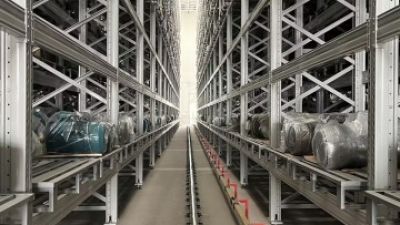
Picking the right Automatic Storage System can honestly feel a bit overwhelming at times. There are so many factors to consider—everything from efficiency to cost—it's easy to get lost in the details. Usually, businesses find it tricky to really match their specific needs with what's available out there.
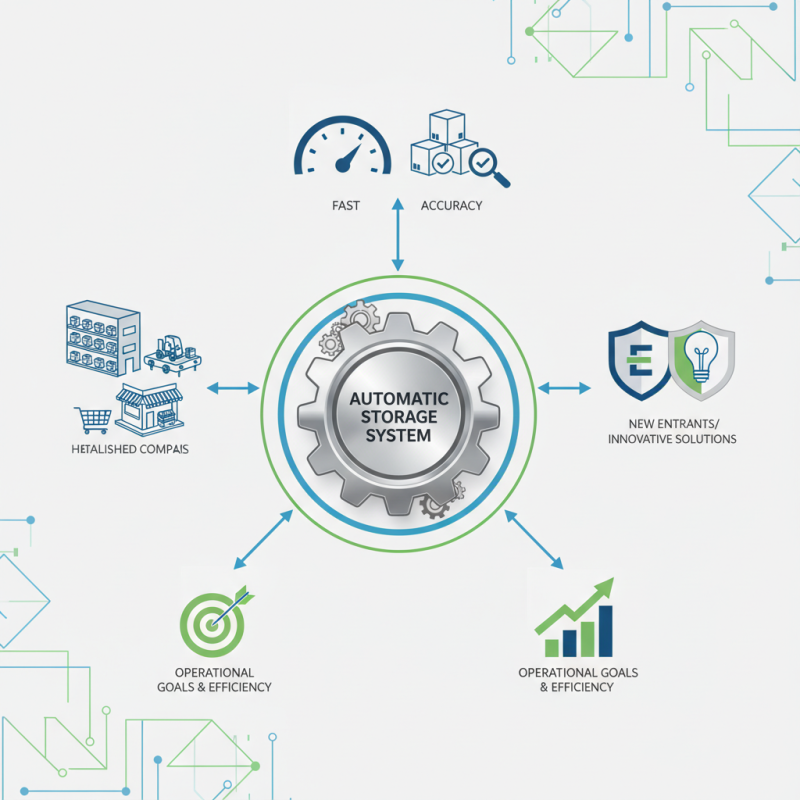
Now, while top-notch systems are out there, they don’t always fit every environment. For instance, a massive warehouse is a whole different ballgame compared to a small retail shop. Some systems are built for lightning-fast speed, whereas others focus more on keeping inventory accurate. So, really understanding what you need most is crucial — otherwise, you might end up with something that just doesn’t cut it.
And don’t forget to check out who makes these systems. Big names like Dematic or SSI Schaefer come with a lot of experience, which can be reassuring. But hey, newer companies can sometimes surprise you with innovative ideas that shake up the usual options. Weighing these pros and cons can really help you make a smarter decision. Ultimately, making sure your chosen system lines up with your goals is key — because that’s how you’ll get the most out of your space and keep things running smoothly.
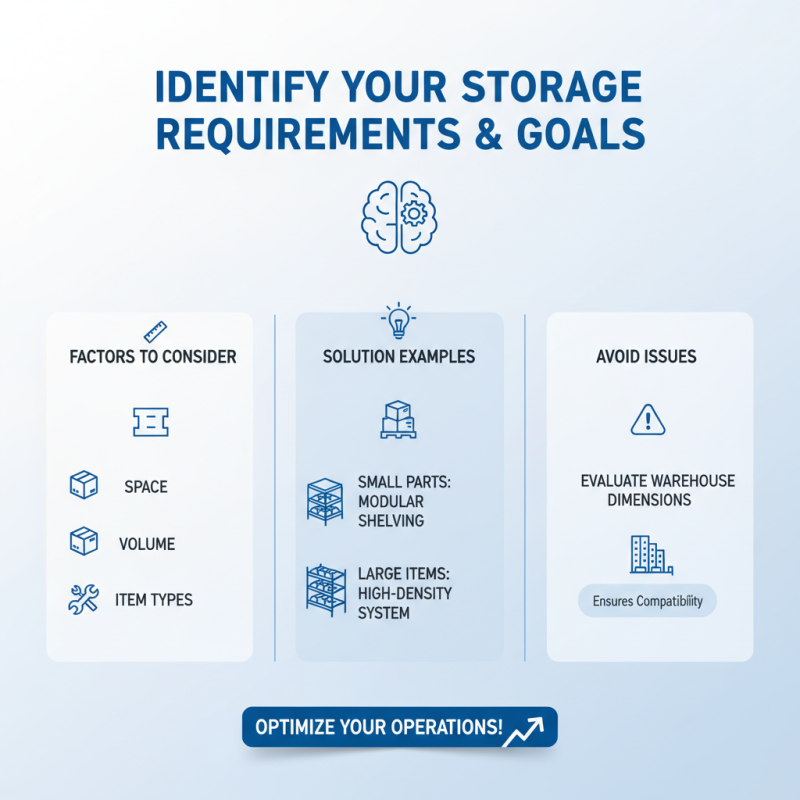
Identify Your Storage Requirements and Goals
When selecting an Automatic Storage system, identifying your specific storage requirements is crucial. Consider factors such as space, volume, and types of items to be stored. For instance, if you deal with small parts, a system with modular shelving might work best. A high-density storage solution could be ideal for larger items. Evaluating the dimensions of your warehouse space helps avoid compatibility issues.
Determining your goals is equally important. Are you focused on maximizing efficiency or reducing labor costs? Understanding what you wish to achieve will guide your decision-making. Think about the ease of access. Systems that allow for quick retrieval can boost productivity. However, rising complexity may lead to challenges, such as the need for training. Regular reflection on your storage process can reveal areas for improvement. Recognizing potential pitfalls will help ensure your chosen system meets long-term needs.
Evaluate the Available Types of Automatic Storage Systems
When evaluating automatic storage systems, it’s crucial to consider the types available. Various systems cater to distinct needs. For instance, vertical Lift Modules maximize space in facilities with limited floor area. These systems are efficient and can significantly reduce retrieval times.
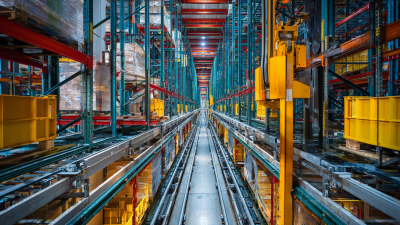
Another option is the shuttle system. It operates using a series of shuttles on a track, moving items to and from storage. These systems excel in high-density storage applications. A well-designed shuttle system can enhance workflow and productivity.
**Tips:** Focus on throughput. Analyze how quickly you need items retrieved. Assess the weight and size of goods. Also, ensure that the system offers CE Certification Automatic Storage System for quality assurance. Consider the maintenance needs, as some systems require more upkeep. Don’t overlook the scalability of solutions. Invest in a system that adapts to your growth.
How to Choose the Best Automatic Storage System for Your Needs?
| Storage System Type | Capacity (Units) | Speed (Items/Hour) | Footprint (Square Feet) | Cost (USD) | Ideal Use Case |
| Vertical Lift Module | 500 - 3,000 | 50 - 200 | 40 - 200 | 15,000 - 50,000 | Small to Medium Warehouses |
|
Automated Storage and Retrieval System (AS/RS) | 1,000 - 10,000 | 200 - 1,000 | 200 - 1,000 | 50,000 - 200,000 | Large Distribution Centers |
| Mobile Racking System | 1,000 - 5,000 | 30 - 100 | 100 - 500 | 10,000 - 30,000 | High-density Storage |
| Shuttle System | 500 - 3,000 | 100 - 300 | 50 - 250 | 20,000 - 70,000 | E-commerce Fulfillment |
| Conveyor System | Varies | 300 - 1,200 | Varies | 5,000 - 15,000 | Manufacturing and Distribution |
Assess the Space and Layout for Storage Solutions
When considering an automatic storage system, the space and layout are crucial. Assess your warehouse or storage area carefully. Take measurements of the height, width, and depth. Think about the shelves and aisles you'll need. This will help you choose a system that utilizes your space efficiently.
Also, consider the workflow. Is your storage area organized in a way that facilitates quick access? Think about how items will be retrieved and replaced. You may find that the layout needs adjustments. An ideal setup maximizes productivity and minimizes wasted time.
Consult with experts in the field. Automatic Storage System Manufacturers can provide insights based on their experience. They may suggest innovative solutions tailored to your specific layout. Sometimes, the best system might require a few tweaks to fit your unique space. Taking the time to reflect on these details can lead to better long-term results.
Consider the Technology and Features of Storage Systems
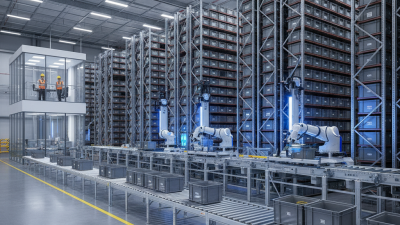
When choosing an automatic storage system, technology plays a crucial role. You need to evaluate the system's automation level. Look for features like robotic picking and real-time inventory tracking. These capabilities enhance efficiency and accuracy in operations. Some systems offer a centralized control interface. This allows for better management of storage tasks. It is essential to ensure the technology aligns with your specific operational needs.
Additionally, consider the compatibility of the storage system with existing software. An effective integration can streamline processes and reduce manual errors. It's important to assess the scalability of the system as your business grows. Some systems may have limitations that could hinder expansion. Pay attention to the user interface; a complex system may require extensive training, wasting time and resources. Real-world testing can provide valuable insights into these factors.
Analyze Your Budget and Total Cost of Ownership
When choosing an automatic storage system, analyzing your budget is crucial. One study from the Material Handling Industry of America revealed that over 70% of companies fail to consider total cost of ownership. This oversight can lead to unexpected expenses down the line. Evaluating initial costs, installation fees, and maintenance expenses helps create a realistic financial picture.
The total cost is often misunderstood. Apart from upfront costs, operational expenses play a significant role. A report from the Logistics Management indicated that labor costs can account for up to 55% of total logistics expenses. By investing in an efficient automatic storage system, companies can significantly reduce labor needs and enhance productivity. However, you must balance investment with the expected return.
Moreover, longevity of equipment also affects your budget. Some systems may require frequent updates, while others are designed for durability. Consulting with an experienced Automatic Storage System Manufacturer can provide insights into lifespan and potential hidden costs. Being aware of these factors will help guide your decision-making process.
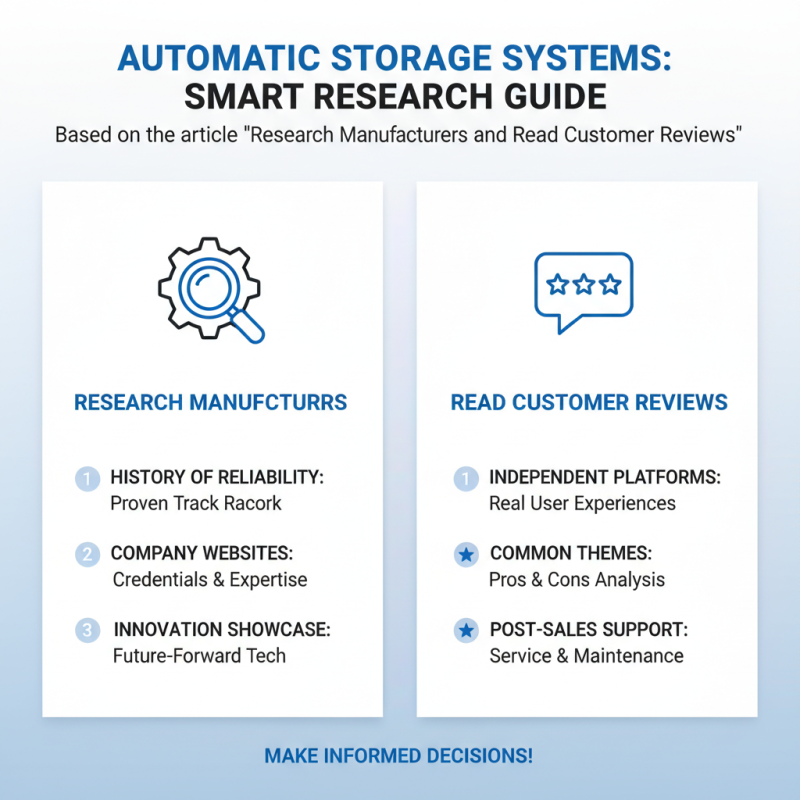
Research Manufacturers and Read Customer Reviews
When researching automatic storage systems, it's crucial to investigate the manufacturers thoroughly. Look for companies that have a history of delivering reliable products. Visit their websites and evaluate their credentials. Ensure they showcase their expertise and innovation in the field.
Customer reviews are another essential aspect. They provide real-world insights into the performance of a High-Quality Automatic Storage System. Check online platforms where users share their experiences. Look for patterns in the feedback. Positive reviews can indicate a solid product, while too many complaints might raise red flags.
Don't forget to consider the details. Understand the features that matter most for your storage needs. Check the specifications to see if they align with your requirements. Reflect on your own needs and the limitations of potential systems. This process will guide you in making an informed decision for your operations. The right choice can enhance efficiency and streamline your workflow significantly.
Plan for Future Growth and Scalability of Storage Systems
When considering an automatic storage system, it's vital to think about future growth. Many organizations face challenges when their storage solutions can’t adapt. Choosing a scalable system is not just an option; it’s a necessity. Look for systems that allow modular expansions. These can grow alongside your inventory demands.
Evaluating your storage needs means anticipating changes. How much will you store in the next five years? Will your business expand into new markets? Your storage system must adjust to these questions. A well-designed automatic system offers flexibility, allowing you to increase capacity without a complete overhaul. However, this often requires planning and investment upfront.
Mistakes happen when companies underestimate their needs. A system that seems sufficient today may quickly become limiting. Regularly reassess your storage capacity and alignment with business goals. Engaging with experts can provide valuable insights, but be prepared to question their advice too. Finding the right balance between cost and capability is challenging. Nevertheless, a thoughtful approach can lead to more reliable, long-term solutions.
Transforming Retail Efficiency: Insights from the Latest Market Reports on Linyi Lingong Intelligent Shelf Systems
In the current retail landscape, efficiency is paramount, and the adoption of intelligent shelf systems is transforming how stores manage their inventory. One innovative solution gaining prominence is the cow leg shelving system. This type of shelving, characterized by its multi-layer board structure supported by robust legs shaped like cow legs, offers both practicality and durability. The steel columns and beams not only provide an impressive load-bearing capacity but also ensure longevity, making them an ideal choice for various retail environments.
The design of cow leg shelving facilitates organized storage, enabling retailers to optimize their available space efficiently. With the increasing complexity of supply chain demands, having a reliable shelving system that can withstand the pressures of heavy stock while maintaining accessibility is essential. The integration of intelligent features in shelving systems further enhances their functionality by allowing for real-time inventory tracking and restocking alerts, streamlining operations, and reducing the time staff spend managing stock levels.
As the retail industry continues to embrace technological advancements, the evolution of shelving solutions like cow leg systems becomes crucial in supporting overall efficiency. By employing such innovative storage solutions, retailers can not only maximize their space usage but also improve customer experience by ensuring products are always well-organized and readily available.
FAQS
: Measure the height, width, and depth of your space. Consider shelves and aisles needed for access.
A well-organized layout can improve access speed. It helps avoid wasted time when retrieving items.
The layout may need adjustments to facilitate faster item retrieval. Reflect on how items will be managed effectively.
Experts can provide tailored insights for your specific layout. They may suggest innovative solutions for better efficiency.
Investigate their history of reliability. Check their credentials and expertise in providing innovative storage solutions.
Reviews offer insights into real user experiences. Look for common patterns in feedback to guide your decision.
Understand which features matter for your needs. Reflect on specifications and limitations of potential systems.
Yes, a suitable system can streamline workflows. However, it’s crucial to find one that fits your specific requirements.
Yes, too many complaints can indicate issues. Take time to analyze both positive and negative feedback.
Absolutely, reflecting on your requirements can lead to better long-term results. It helps in making informed decisions.
Conclusion
Choosing the best Automatic Storage System requires a systematic approach to ensure it meets your specific needs. Start by identifying your storage requirements and goals, which will guide the evaluation of various types of automatic storage systems available. Assess your space and layout to determine the most suitable solutions, and consider the technology and features each system offers to enhance efficiency.
Budget is another critical factor; analyze the total cost of ownership to avoid unexpected expenses. Additionally, researching manufacturers and reading customer reviews can provide valuable insights into the reliability and performance of different systems. Finally, planning for future growth and scalability will ensure that your chosen Automatic Storage System remains effective as your needs evolve. Taking these steps will help you select a solution that aligns perfectly with your storage objectives.