Leave Your Message
0%

Picking the right RGV Rail Guided Vehicle for your facility isn’t just a technical choice; it can really make or break your overall efficiency, productivity, and smooth day-to-day operations. With more and more companies looking into automation for moving stuff around, understanding what makes each RGV special is pretty important if you want to find the perfect fit for your needs. These vehicles are awesome because they help speed things up and cut down on manual labor, making them a great pick for industries like manufacturing, warehousing, or distribution centers.

When you’re choosing an RGV, don’t forget to consider stuff like how much weight it can carry, how fast it moves, and whether it works well with your current layout. Every facility is kinda unique, so taking the time to assess your specific needs will help you pick a vehicle that really matches what you’re doing. Also, it helps to look into the tech features—things like navigation systems and safety gadgets—because these can really boost efficiency and make sure everyone stays safe while the vehicle does its thing.

At the end of the day, buying an RGV isn’t just about grabbing the most high-tech model out there. It’s about finding the one that fits your operational challenges best. If you do a little homework on what's available and really understand what your facility needs, you’ll be in a much better spot to choose an option that can truly level up your productivity and make handling materials a lot easier.
How to Choose the Right RGV Rail Guided Vehicle for Your Facility Needs

Understanding RGV Rail Guided Vehicles: An Overview

Rail Guided Vehicles (RGVs) are essential for optimizing the movement of goods within manufacturing and distribution facilities. These automated systems follow predefined paths, often embedded with rails, to transport materials safely and efficiently. Understanding the mechanics and capabilities of RGVs can help facility managers tailor their material handling solutions to meet specific operational requirements.

When selecting the right RGV for your facility, consider the following tips: First, assess the layout of your space. Evaluate the routes you need the RGVs to follow, including curves, inclines, and any obstacles that may affect movement. Second, think about the types of loads the vehicles will handle. Different RGV models have varying capacities and configurations that can impact both performance and safety. Lastly, consider the integration with existing systems; an RGV should seamlessly fit into your current operations, connecting with other automated solutions as necessary.

Additionally, don’t overlook maintenance and support services. A well-maintained RGV fleet not only improves efficiency but also extends the lifespan of your equipment. Evaluate the support options available through suppliers and ensure you have a robust maintenance plan that fits your operational needs. By meticulously analyzing these factors, you can ensure that the RGVs you choose will enhance productivity and meet the demands of your facility.

Identifying Your Facility's Specific Requirements for RGVs

How to Choose the Right RGV Rail Guided Vehicle for Your Facility Needs

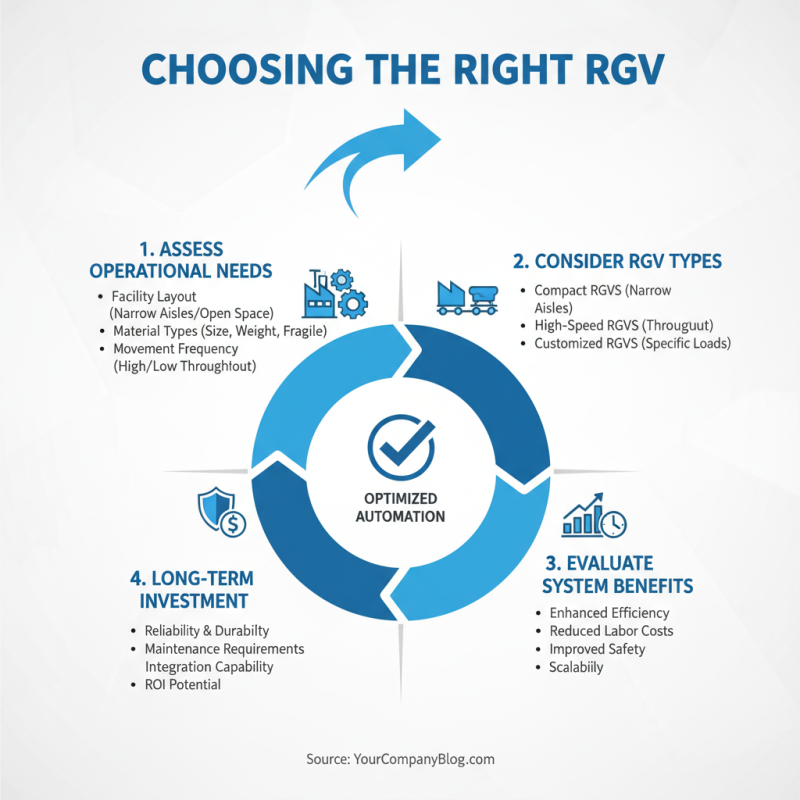
When selecting the right Rail Guided Vehicle (RGV) for your facility, it is essential to first identify the specific requirements of your operations. Factors such as the facility layout, types of materials being moved, and the frequency of movement can greatly influence your choice. For instance, narrow aisles may require more compact RGVs, while high throughput environments might dictate the need for faster moving systems. Understanding these nuances ensures that you invest in a solution that enhances efficiency rather than complicates processes.

**Tips:** Start by conducting a thorough assessment of your facility to understand the flow of materials. Map out key areas where RGVs will be employed and examine the distances and routes involved. Engaging with stakeholders from different operational areas can provide insights into their unique needs, helping to ensure that the chosen RGV aligns with the overall operational goals.

Additionally, consider the future scalability of the vehicle. As businesses grow, so do their material handling demands. Opt for RGVs that can accommodate fluctuations in volume or the possibility of integrating additional technology in the future. This foresight will save both time and resources down the line. Keeping the long-term vision in mind while selecting the right RGV can lead to a more flexible and effective material handling solution.

Evaluating Different Types of RGVs for Optimal Performance

When evaluating different types of Rail Guided Vehicles (RGVs) for optimal performance in your facility, several key factors should be taken into consideration. First and foremost, understanding the specific operational requirements of your facility is crucial. This includes assessing the load capacity, the dimensions of the transport routes, and the speed at which materials need to be moved. RGVs vary in design and capabilities; therefore, aligning these with your workflow requirements will ensure a smooth integration into your existing systems.

Another important aspect to consider is the environment in which the RGVs will operate. Different RGVs are better suited for specific settings, whether it's a manufacturing plant, a warehouse, or a cleanroom environment. Features such as noise levels, dust resistance, and navigational technology can significantly impact their efficiency and safety. It’s essential to match the vehicle's specifications with environmental considerations to maximize their performance and longevity. By taking into account the unique demands of your facility and the operational context, you can select an RGV that not only meets your needs but also enhances overall productivity.

How to Choose the Right RGV Rail Guided Vehicle for Your Facility Needs

This chart illustrates the load capacities of various RGV models, allowing facilities to evaluate different options for optimal performance. When selecting an RGV, consider not only the load capacity but also other factors such as maneuverability, speed, and integration with existing systems.

Key Features to Consider When Selecting an RGV

When selecting the ideal RGV (Rail Guided Vehicle) for your facility needs, there are several key features to consider that can significantly impact the efficiency and effectiveness of your operations. First and foremost, understanding the payload capacity is crucial. Ensure that the RGV can accommodate the maximum weight of the materials or products you plan to transport. This not only affects the vehicle's performance but also its longevity, as an overloaded vehicle can lead to maintenance issues and increased downtime.

Another vital aspect to examine is the vehicle's navigation and control systems. Advanced navigation capabilities, such as automated guidance and obstacle detection, can enhance safety and improve workflow within your facility. Consider whether the RGV can seamlessly integrate with your existing control systems and infrastructure. Additionally, look for customizable routing options that allow for flexibility in various layouts and environments. This adaptability is essential for facilities that experience frequent changes in workflow or require tailored solutions for different tasks.

Assessing the Integration of RGVs with Existing Systems

How to Choose the Right RGV Rail Guided Vehicle for Your Facility Needs

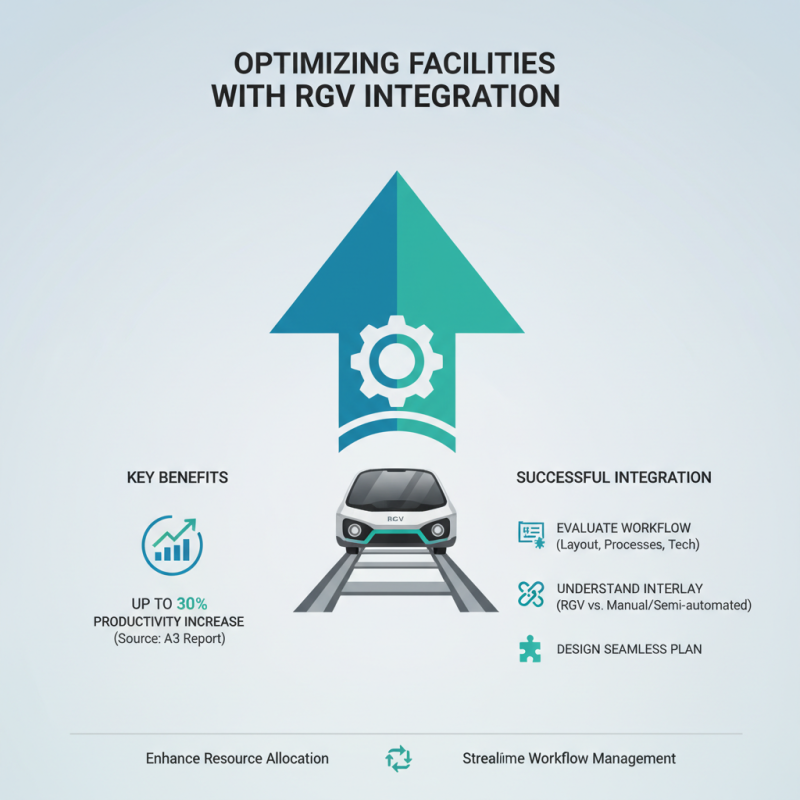
Integrating Rail Guided Vehicles (RGVs) into existing facility systems requires careful assessment to maximize operational efficiency. According to a report by the Association for Advancing Automation, facilities utilizing automated systems can achieve productivity increases of up to 30%. To effectively integrate RGVs, it's crucial to evaluate the current workflow, including layout, operational processes, and existing technology. By understanding the interplay between RGVs and manual or semi-automated systems, organizations can identify bottlenecks and design a seamless integration plan that enhances resource allocation and workflow management.

Moreover, an analysis by the Material Handling Industry (MHI) indicates that about 60% of companies struggle with compatibility issues when introducing new automated vehicles into their operations. To address this, businesses must conduct a comprehensive audit of their current material handling systems. This entails examining transport paths, load requirements, and interface capabilities with existing equipment. By aligning the specifications of RGVs with these factors, companies can ensure that their transition to automation not only meets current demands but also is adaptable to future growth, thereby securing a return on investment and improving overall operational agility.

Budget Considerations and Cost-Benefit Analysis for RGVs

When evaluating the budget considerations and cost-benefit analysis for Rail Guided Vehicles (RGVs), it is essential to comprehend the upfront investment and ongoing operational costs juxtaposed against the long-term financial benefits. A recent report from the Material Handling Industry associationstates that Automated Guided vehicles can lead to a reduction in operational costs by up to30% over time due to decreased labor requirements and enhanced productivity. This considerable reduction often justifies the initial capital expenditure associated with acquiring RGVs, which can vary widely based on capacity, technology, and layout specifications.

Additionally, conducting a thorough cost-benefit analysis can highlight potential savings and efficiencies gained from integrating RGVs into facility operations. For instance, a study by the Automated Imaging Association revealed that implementing automated systems can result in a 25% increase in operational efficiency, translating into quicker turnaround times and reduced bottleneck occurrences. Moreover, by evaluating metrics such as return on investment (ROI) and total cost of ownership (TCO), organizations can strategically assess the financial viability of different RGV models while ensuring that overall facility needs are met without compromising budget constraints.

Ensuring Safety and Compliance Standards in RGV Selection

When selecting the right Rail Guided Vehicle (RGV) for your facility, ensuring safety and compliance with industry standards is paramount. According to the Material Handling Industry (MHI) and its 2022 report on Automated Storage and Retrieval Systems (AS/RS), facilities implementing RGVs have seen a significant reduction in workplace accidents, with claims dropping by up to 30% when safety protocols are rigorously applied. Compliance with OSHA regulations and other local safety standards is vital before, during, and after the RGV selection process to minimize risk.

Furthermore, it is essential to consider the operational environment and load specifications when determining safety features. Data from the Occupational Safety and Health Administration (OSHA) emphasizes that vehicles must be equipped with adequate safety measures, such as emergency stop buttons, collision detection systems, and visibility aids – in fact, RGV systems that incorporated such features reported improved response times in emergency scenarios by over 25%. Implementing a comprehensive risk assessment that adheres to these guidelines not only promotes safety but also ensures that the selected RGV meets the compliance requirements necessary to protect employees and maintain operational efficiency.

How to Choose the Right RGV Rail Guided Vehicle for Your Facility Needs - Ensuring Safety and Compliance Standards in RGV Selection

Dimension Description Importance Compliance Standards
Capacity The maximum weight the vehicle can safely transport. High - ensures proper handling of loads. ISO 9001 Quality Management
Speed The speed at which the vehicle can operate efficiently. Medium - affects productivity and safety. ANSI B56.5 Safety Standards
Battery Life Duration the vehicle can operate on a single charge. High - crucial for uninterrupted operations. IEC 62040-1 Battery Maintenance
Navigation System Includes obstacles detection and route planning features. High - enhances safety and efficiency. ISO 13849-1 Safety of Machinery
Size Dimensions of the vehicle that affect maneuverability. Medium - impacts fitting in tight spaces. OSHA Regulations on Aisle Width

FAQS

: What are rail guided vehicles (RGVs) used for?

: RGVs are used to optimize the movement of goods within manufacturing and distribution facilities by following predefined paths to transport materials safely and efficiently.

What factors should be considered when selecting an RGV for a facility?

Key factors include the layout of the space, types of loads to be handled, and the integration with existing systems and automated solutions.

How does the environment affect RGV selection?

Different RGVs are suited for specific environments such as manufacturing plants, warehouses, or cleanrooms; features like noise levels, dust resistance, and navigational technology impact their efficiency and safety.

Why is maintenance important for RGVs?

Regular maintenance improves efficiency and extends the lifespan of the equipment, making it essential for overall operational effectiveness.

What safety features should RGVs have to comply with industry standards?

RGVs should be equipped with emergency stop buttons, collision detection systems, and visibility aids to ensure safety and compliance with industry regulations.

How can RGVs help reduce workplace accidents?

Implementing RGVs with proper safety protocols can lead to a significant reduction in workplace accidents, as noted by studies showing a drop in claims by up to 30%.

What is involved in ensuring compliance during the RGV selection process?

Facilities must adhere to OSHA regulations and conduct a comprehensive risk assessment to evaluate safety features and compliance requirements for protecting employees.

What is the significance of aligning RGV capabilities with operational requirements?

Matching RGV design and capabilities with the facility's operational needs helps ensure a smooth integration and optimal performance.

How can RGVs contribute to overall productivity in a facility?

By selecting RGVs that meet specific requirements and enhance operational efficiency, facilities can improve material handling and overall productivity.

What is the impact of safety measures on emergency response times in RGV systems?

RGV systems that incorporate essential safety measures have reported improved response times in emergency scenarios by over 25%.

Conclusion

Selecting the right RGV Rail Guided Vehicle for your facility involves a comprehensive understanding of both the vehicles themselves and the specific needs of your operation. Initially, it's essential to grasp the fundamental concepts of RGVs and identify your facility's unique requirements, which will influence the performance and efficiency of the vehicles.

Evaluating the various types of RGVs, alongside key features such as load capacity, speed, and adaptability, ensures an informed choice. Additionally, assessing how these vehicles integrate with existing systems is crucial for streamlined operations. Lastly, budget considerations and a thorough cost-benefit analysis are necessary to ensure the investment in RGVs aligns with your financial goals, all while prioritizing safety and compliance standards to uphold operational integrity.
Nathan

Nathan

Nathan is a dedicated marketing professional at Linyi Linggong Intelligent Information Technology Co., Ltd., where he leverages his extensive knowledge and expertise to promote the company's innovative products. With a strong focus on intelligent technology, Nathan plays a crucial role in enhancing......
Previous Navigating the Future of AMR Technology for Global Supply Chains