Picking the right types of warehouse robots can really make a difference in how smoothly your business runs. Thanks to all the tech advancements these days, there are a bunch of options out there, each with its own special purpose. It’s pretty important to understand what each type does so you can manage your warehouse effectively.
When you're trying to choose the right robots, think about what your specific needs are. Some robots are awesome for picking and packing items, while others work better for moving things around or keeping track of inventory. Finding the right balance between automation and your human team can be tricky — if you don’t get it right, it might end up costing you more or creating bottlenecks.
Getting advice from experts can really help. Folks like the team at Robot Logistics have lots of experience and can offer insights that make your decision easier. Ultimately, figuring out which warehouse robots are best for you takes some careful thought and paying attention to the little details. Take your time, and make sure to think about what your operation actually needs—it's worth it in the long run.
Understanding the Different Types of Warehouse Robots Available
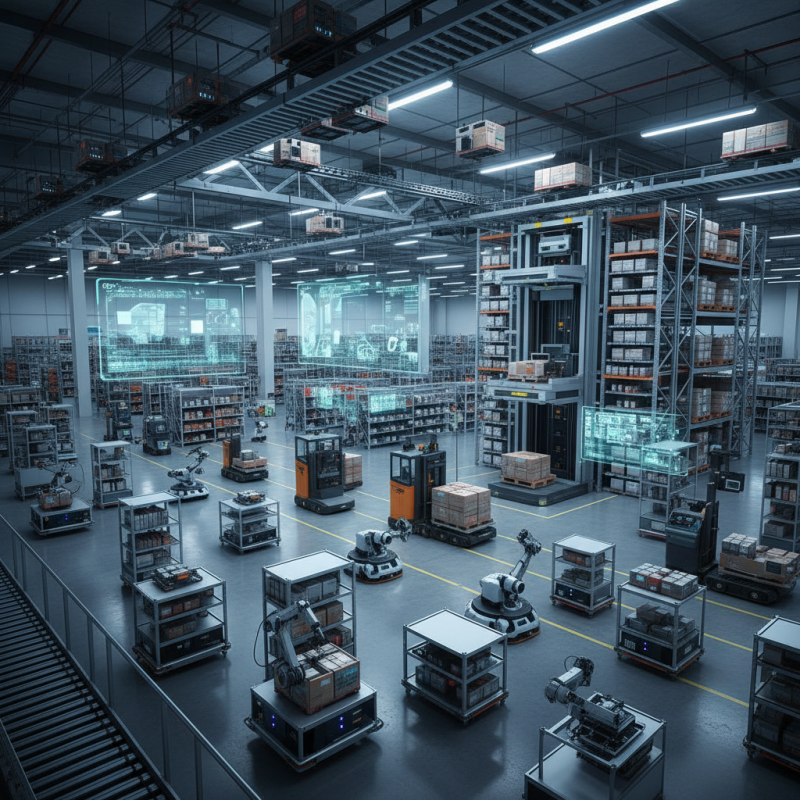
In today's rapidly evolving logistics landscape, understanding the types of warehouse robots is crucial. There are various kinds, each with unique functions. Automated Guided vehicles (AGVs) are popular for transporting goods around the warehouse. These robots follow predetermined paths, making them reliable but less flexible.Autonomous Warehouse Robots, however, can navigate more freely. They use advanced sensors and AI to operate independently, adjusting to warehouse layouts dynamically.
When considering automation, think about your specific needs. Do you require flexibility or efficiency? Autonomous warehouse robots often excel in environments needing quick adaptation to changes. However, their complexity may lead to higher maintenance costs. Assessing your warehouse layout is also vital. Simpler AGVs might suffice for straightforward routines, while more complex operations may benefit from advanced autonomous systems.
Tip: Assess your workspace before investing in robots. Some warehouses may not need autonomous options, saving costs. Also, consider the learning curve involved in training staff on new technologies. Transitioning to automated solutions can be challenging but rewarding in efficiency gains. Ultimately, choosing the right robot is about aligning technology with your operational goals.
Assessing Your Business Needs and Workflow Requirements
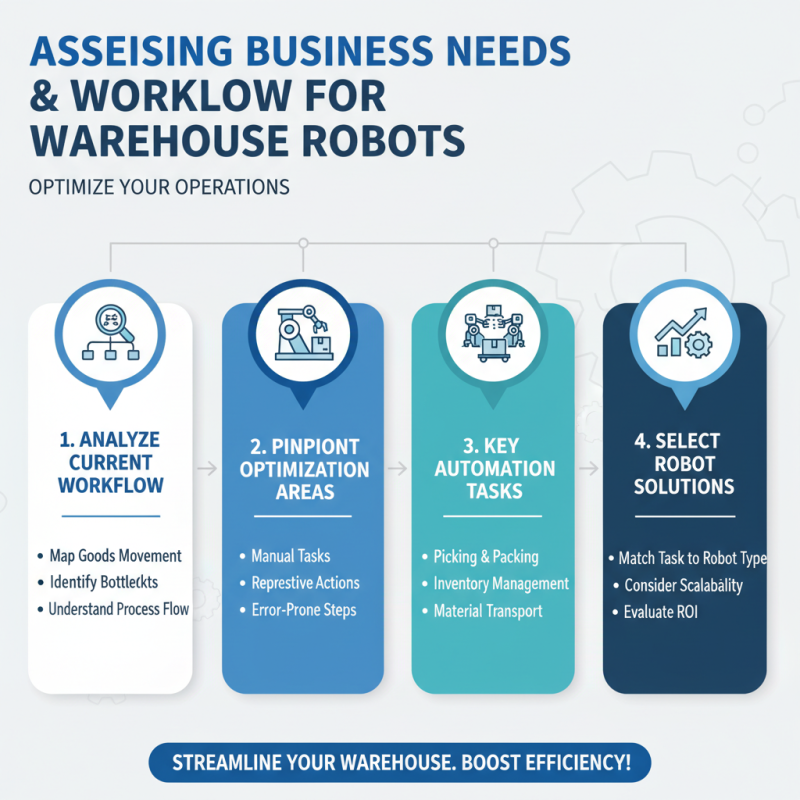
When selecting warehouse robots, assessing your business needs is crucial. Start by analyzing your current workflow. Understand how goods move and where bottlenecks occur. This will help identify specific tasks that robots can optimize. Tasks like picking, packing, and inventory management often benefit the most from automation.
Consider the size of your warehouse and the weight of the items you handle. Will the robots navigate narrow aisles? Can they lift the heaviest products? These factors dictate the type of robots that would fit your operations. For instance, autonomous Mobile Robots may suit a largescale environment, while robotic arms excel in assembly tasks.
Reflect on the integration process. Can the robots seamlessly connect with your existing software? Unexpected challenges may arise during setup. A plan must allow for adjustments as needed. Be open to learning from the initial implementation phase. Each trial can provide insights into refining your processes. This reflection is vital for making informed decisions about future upgrades.
Evaluating Robot Capabilities: Speed, Load Capacity, and Versatility
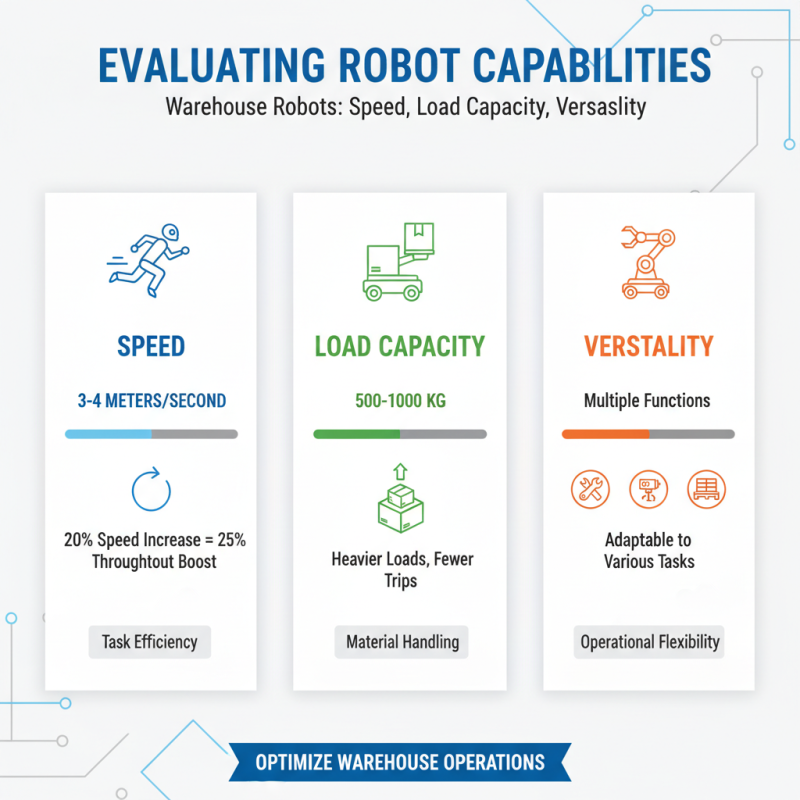
When evaluating warehouse robots, consider key capabilities like speed, load capacity, and versatility. Speed greatly influences task efficiency. For example, robots capable of traveling 3-4 meters per second can significantly reduce pick and transport times. Research indicates that increasing robot speed by just 20% can enhance overall throughput by nearly 25%, highlighting the importance of this factor.
Load capacity is equally vital. Many robotic solutions can handle loads ranging from 50 to over 1000 kilograms. This range is essential, as it determines what tasks a robot can perform effectively. If a robot cannot manage your heaviest items, it may cause operational bottlenecks. Versatility plays a crucial role as well. Machines designed for various tasks, including sorting and inventory management, can adapt as business needs change.
Warehouse managers often face challenges in finding the perfect balance among these capabilities. Relying solely on robot speed may overlook load handling issues. Alternatively, prioritizing versatility might result in choosing a slower robot. Regular assessments of workflows and technology capabilities are vital. Conducting a needs analysis regularly can be beneficial. As your business evolves, so will the requirements for your robots. Investing in diverse "Types Of Wheeled Mobile Robots" can enhance operational flexibility.
Analyzing the Integration of Robots with Existing Warehouse Systems
Integrating robots into existing warehouse systems is a complex yet rewarding endeavor. Data from industry analysts indicates that 75% of companies that adopt automated solutions improve productivity by over 30%. The challenge lies in ensuring seamless integration with legacy systems. Many warehouses still operate with outdated technology, hindering efficiency.
It's crucial to assess your current systems before introducing robots. Identify software compatibility and hardware infrastructure. For instance, research shows that only 60% of companies have successfully integrated robots without major disruptions. Understanding these obstacles can guide better resource allocation.
Customization is often necessary for a successful interface between robots and existing systems. Regular feedback from employees can highlight integration issues. Companies must remain adaptable, addressing shortcomings fluidly. In contrast, leaving integration unaddressed can lead to wasted investments. The balance of technology and human input is delicate but essential for sustaining operational efficiency.
Considering Cost Factors and Return on Investment for Robotics
When considering warehouse robots, cost factors and return on investment (ROI) are crucial. A high initial cost can be daunting. However, it's essential to evaluate ongoing savings. Robots reduce labor costs and improve efficiency. They can work longer hours without breaks. Yet, these advantages come with maintenance expenses. Choosing the right robot means understanding both purchase and long-term costs.
It's also important to assess the expected ROI. This often involves analyzing productivity gains versus operational costs. A small investment in basic robots may yield quick savings. More advanced systems might promise greater efficiency, but they require careful financial planning. Sometimes, the benefits aren’t immediate. It can take time to see the effective impact on workflow.
Businesses should conduct thorough market research. This can provide insights into potential costs and benefits. Consulting with industry experts can help clarify what type of technology fits best. Reflecting on specific operational needs can lead to smarter choices. It’s possible to overlook long-term implications while focusing only on upfront costs. Balancing short-term investment with long-term gains is key for future success.
Exploring Maintenance, Support, and Training Resources for Robots
When integrating warehouse robots, understanding maintenance, support, and training resources is crucial. Regular maintenance ensures optimal performance. Scheduling routine check-ups can prevent unexpected downtimes. Keeping spare parts on hand also helps mitigate potential disruptions. However, it’s easy to overlook these needs amidst daily operations.
Support resources play a vital role. Your team should have access to comprehensive documentation. Clear guides and troubleshooting information can empower your staff. Investing in training sessions can elevate their skills. Many organizations struggle with the transition, often underestimating training requirements. New employees might find adapting to Types Of Wheeled Robots challenging without proper guidance.
Training resources should not just focus on manipulation. Emphasis on safety protocols is essential too. Misunderstandings about robot functions can lead to accidents. Companies should provide ongoing training. Engaging employees with hands-on practice can boost their confidence. Remember, implementing robots is not a one-time effort; it's an ongoing journey that requires commitment and reflection.
Future Trends in Warehouse Robotics and Their Impact on Businesses
The future of warehouse robotics is rapidly evolving. According to a report by MarketsandMarkets, the warehouse automation market is expected to reach $30 billion by 2026. This surge is driven by advancements in technology and the increasing need for efficiency in logistics. Businesses are seeking ways to improve productivity while reducing operational costs.
Automation is not just about job replacement. It's about job transformation. Robots like autonomous mobile robots (AMRs) can navigate dynamic environments. These robots can work alongside human workers, enhancing overall performance. However, choosing the right types of warehouse robots, including CE Certification Types Of Wheeled Mobile Robots, requires careful consideration of your specific needs.
Tips: Assess your current warehouse layout. Flexibility is key. Look for robots that can adapt to changes in your inventory and space. Invest in training for your workforce. This ensures a smoother integration of robotics into your operations.
The integration of AI in warehouse robotics is another significant trend. AI can analyze data to optimize routes and manage inventory more efficiently. However, the reliance on technology introduces vulnerabilities. Cybersecurity must be prioritized, as breaches could disrupt operations. Be wary of over-automation. It might lead to unforeseen complications and decreased job satisfaction among staff.
The Impact of Automated Solutions on Warehouse Efficiency: Insights from Recent Industry Data and Trends in Intelligent Three-Dimensional Conveying Systems
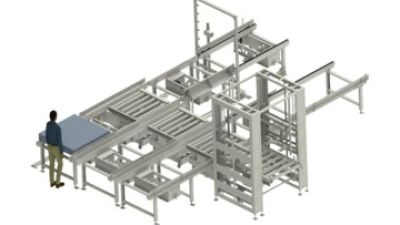
The emergence of intelligent three-dimensional conveying systems has revolutionized warehouse efficiency by integrating advanced technologies that optimize storage and retrieval processes. These systems employ a variety of automated solutions, including chain conveyors, dismantling and stacking machines, top lifting and transplanting machines, and roller conveyors, each designed to facilitate the seamless movement and management of goods within a warehouse environment. Such innovations not only streamline operations but also minimize human error, ensuring precise and rapid handling of inventory.
Recent industry data highlights the significant impact these automated solutions have on overall warehouse productivity. By utilizing sophisticated hardware, software systems, and cutting-edge algorithms, warehouses can achieve remarkable levels of efficiency. For instance, the use of intelligent algorithms allows for real-time tracking and management of stock levels, reducing downtime and enhancing the accuracy of order fulfillment. Furthermore, automated systems can adapt to varying workload demands, showcasing their flexibility and scalability. This adaptability is crucial in today's fast-paced market, where the ability to swiftly respond to customer needs is paramount to maintaining a competitive edge.
As businesses increasingly recognize the value of automation, the integration of intelligent conveying systems becomes essential for modern supply chain management. The ongoing trend towards digitization and the adoption of innovative technologies in warehouse operations signify a shift in how goods are stored and managed. Companies that leverage these advancements are likely to experience enhanced operational workflows, lower labor costs, and improved service levels, leading to a more efficient and responsive supply chain.
FAQS
: Regular maintenance ensures optimal performance and prevents unexpected downtimes. It’s easy to overlook this need.
Support resources provide comprehensive documentation. Clear guides and troubleshooting information empower your team.
Ongoing training enhances skills and confidence. Hands-on practice helps staff adapt to new robot functions more effectively.
Safety protocols must be emphasized. Misunderstandings about robot functions can lead to accidents and injuries.
The market for warehouse automation is set to grow significantly. Advancements in technology will drive efficiency and productivity.
Yes, robots like autonomous mobile robots can work alongside humans. This collaboration enhances overall performance and productivity.
Flexibility allows robots to adapt to changes in inventory and space. This adaptability is essential for modern operations.
Over-automation can lead to complications and decreased job satisfaction. Striking a balance is crucial for workforce morale.
AI analyzes data for better route optimization and inventory management. However, it also introduces cybersecurity vulnerabilities.
Underestimating training can hinder smooth transitions. New employees may struggle without proper guidance and support.
Conclusion
Choosing the right types of warehouse robots is essential for optimizing efficiency and productivity in modern logistics operations. This process begins with understanding the various types of warehouse robots available, such as automated guided vehicles (AGVs), autonomous mobile robots (AMRs), and robotic arms, each serving different purposes. Businesses must assess their specific needs and workflows to determine which robots align best with their operational goals.
Evaluating robot capabilities—including speed, load capacity, and versatility—plays a crucial role in selection. Equally important is the analysis of how these robots can integrate with existing warehouse systems and processes. Cost factors and potential return on investment must also be considered to ensure financially sound decisions. Additionally, businesses should explore maintenance, support, and training resources available for these robots to ensure smooth implementation. As the landscape of warehouse robotics continues to evolve, staying abreast of future trends will enable companies to adapt and thrive in a competitive environment.