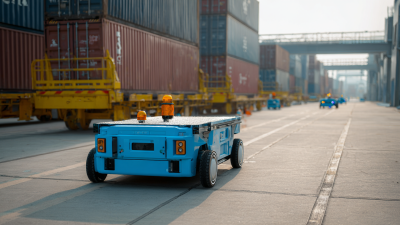
Lately, the transportation and logistics industries have been going through some major changes, mostly thanks to new tech. One of the biggest game changers? Self-Guided Vehicles, or SGVs. I came across a report from MarketsandMarkets that says the SGV market is expected to jump from $3.5 billion in 2021 all the way up to $13.8 billion by 2026 — that's a hefty 31.8% compound annual growth rate! It really shows how much everyone’s craving smarter digital solutions to keep operations running smoothly. Since 2013, Linyi Lingong Intelligent Information Technology Co., Ltd., a high-tech company right here in the country, has been leading the charge with these kinds of innovations. They focus on researching, developing, and producing core products for smart manufacturing. By bringing SGVs into the mix, companies worldwide can streamline their supply chains, cut down on costs, and boost safety — a real step forward into a more tech-savvy future.
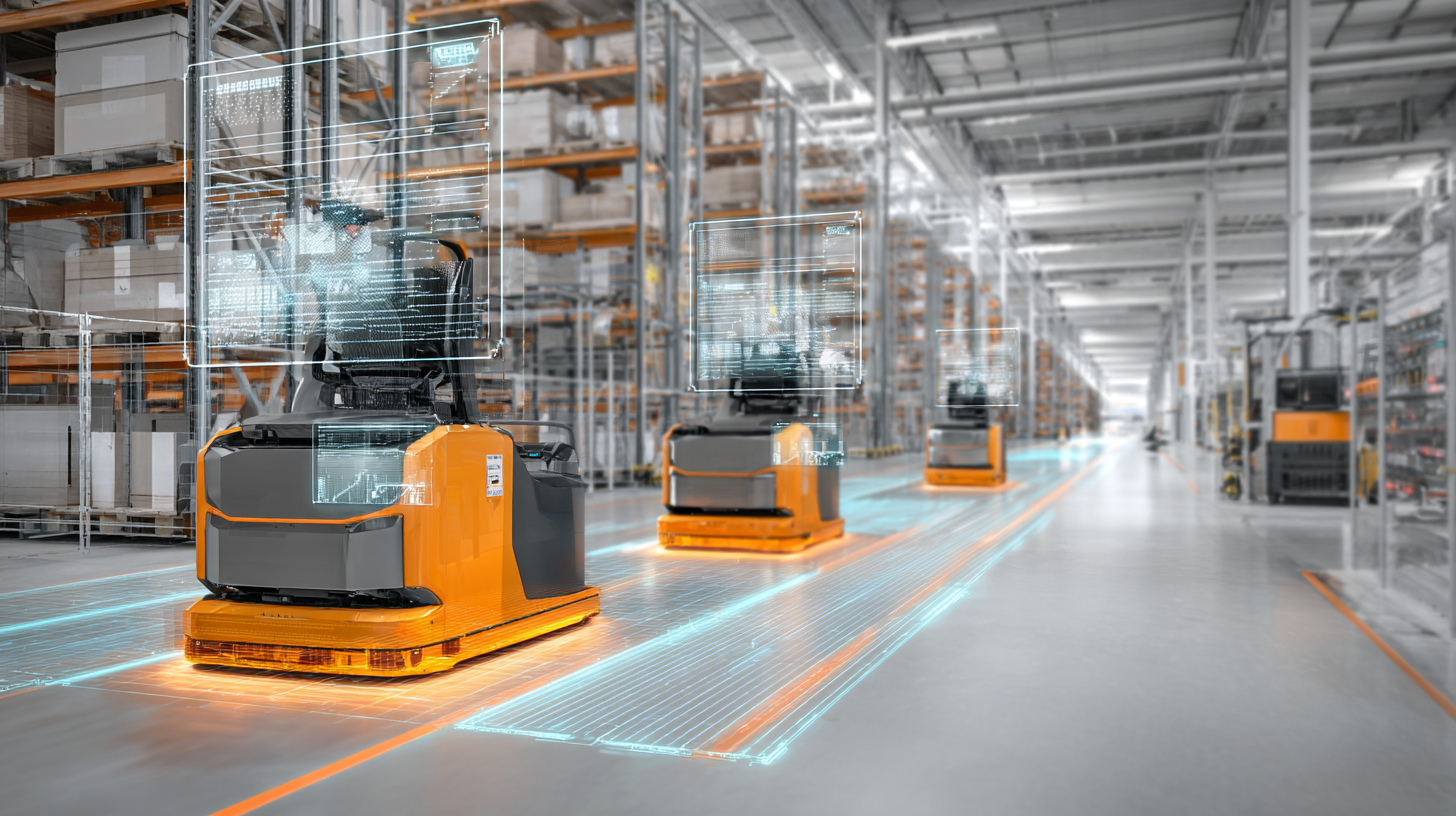
Innovations Driving Efficiency: An Overview of Self-Guided Vehicle Technology
You know, with self-driving vehicles starting to make their way into various industries, things are really starting to shift. They’re not just about cool tech anymore — they’re actually boosting efficiency and helping cut down on operational costs. Thanks to advancements in AI and sensors, these vehicles can now handle pretty tricky environments with surprising accuracy. It’s pretty amazing how they can make quick decisions on the fly and blend smoothly into existing logistics setups. As these self-guided vehicles get smarter and more advanced, we're seeing them pop up in all sorts of fields—transportation, farming, manufacturing—you name it—and they're really opening up new possibilities for productivity and growth.
And it’s not just the vehicles themselves, either. There’s a whole wave of digital tools designed specifically for these autonomous systems. Companies around the globe are tapping into better data analytics and machine learning to track how their fleets are doing, catch upcoming maintenance issues early, and overall manage things more efficiently. With these tech innovations, businesses can use their resources more wisely, cut down on downtime, and just run smoother overall. It’s exciting to see how all this tech is changing the game—helping industries become more competitive and sustainable in our fast-paced, connected world.
The Economic Impact of Self-Guided Vehicles on Global Supply Chains
So, the whole idea of self-guided vehicles (SGVs) making their way into global supply chains is pretty exciting, honestly. It’s like we’re on the verge of a big shift that could totally change the game economically. A report from McKinsey suggests that once these autonomous techs become more mainstream, logistics could become up to 15% more efficient — that’s a huge jump, which might mean saving around $50 billion a year by 2030, mainly because of lower labor costs and faster throughput. Companies are really looking for ways to smooth out their operations, and SGVs are perfect for that because they process data in real-time and keep goods moving without many hiccups — making the tricky world of supply chains a lot more manageable.
And, it’s not just about saving money upfront. Deloitte’s study points out that these self-guided vehicles could cut delivery times by about 20 to 30 percent, which is a big deal for customer satisfaction and loyalty. Plus, with traffic jams getting worse in city centers, deploying SGVs can help ease those bottlenecks and keep the goods flowing, ultimately cutting transportation costs. Moving towards automation isn’t just about efficiency — it’s also a step toward greener logistics. These vehicles tend to be more efficient than traditional trucks, so they can help reduce carbon emissions too. All in all, this mix of economic benefits and sustainability could really shake up global commerce in the years ahead — pretty amazing stuff, don’t you think?
Data-Driven Insights: Analyzing the Market Growth of Autonomous Vehicle Solutions
The autonomous vehicle scene right now is really heating up, and it’s mostly thanks to all the breakthroughs in data analysis and AI. If you look at the numbers, the market for AI in vehicles was worth around $3 billion in 2022. And get this — experts are saying it could jump to about $15 billion by 2030, which is a solid 20% growth each year. That’s pretty significant, and it just goes to show how much everyone’s craving smarter driving tech and how quickly these autonomous features are becoming part of all sorts of vehicles.
China’s playing a huge role in all of this, too. They’re really leading the charge, with a big chunk of the market grabbed by top companies that make these smart driving systems. By 2024, roughly one out of every three smart cars in China has a unique intelligent driving setup installed — which really highlights how much data-driven insights are helping to fine-tune these tech solutions. Plus, the whole TaaS (Transportation as a Service) thing, boosted by IoT integration, is transforming how we think about logistics and moving people around on a global scale. With all this happening so fast, if companies want to stay competitive and make the most of autonomous tech, they’ve got to tap into these insights and adapt quickly. It’s definitely an exciting time out there!
Challenges and Solutions: Overcoming Barriers in Self-Guided Vehicle Adoption
So, when it comes to self-driving vehicles, there are quite a few hurdles that could slow down their rollout across different industries. A recent report from McKinsey mentioned that about 75% of folks in the auto world are a bit worried—mainly, they’re concerned about how expensive it is to develop these cars and the unclear regulatory rules we'll have to follow. And it’s not just industry insiders—surveys from PwC show that around 60% of everyday consumers are actually nervous about how safe autonomous vehicles really are. They’re calling for more thorough testing and honest communication from the makers to put those fears to rest. Basically, if we want self-guided tech to be truly successful, leaders need to focus on setting clear, standardized rules that ensure both performance and safety.
Challenges and Solutions in Self-Guided Vehicle Adoption
Future Trends: Predicting the Next Innovations in Self-Guided Vehicle Technology
Looking ahead at the future of self-driving car tech, it’s pretty clear that some big trends are starting to stand out — trends that could totally change how we think about getting around. The worldwide market for autonomous vehicles is booming; it hit a staggering $150 billion in 2022, and experts are saying it could skyrocket to over $1.36 trillion by 2030. That’s a huge jump, with a growth rate of around 32% each year. What’s fueling this explosive growth? Well, it’s not just about making cars more automated, but also advancements in key tech like sensors and AI that make these vehicles smarter and safer.
On top of that, the market for Level 3 autonomous vehicles is really heating up. That’s the level where cars can handle most driving tasks by themselves, which seems to be the direction things are headed thanks to changing consumer demand and new regulations that are more supportive of higher automation. As these vehicles become more commonplace, the role of advanced driver-assistance systems (ADAS) will be even more important. This tech alone was valued at around $35.9 billion in 2023 — and it’s only going to keep getting better, making our roads safer and the whole driving experience more efficient. With all these new models, gadgets, and applications on the horizon, it’s pretty safe to say that innovations in self-driving tech will really shape what our cities and daily commutes look like in the near future.
Digital Solutions for Enhancing Efficiency with Self Guided Vehicles Tips for Global Buyers - Future Trends: Predicting the Next Innovations in Self-Guided Vehicle Technology
| Feature | Description | Impact on Efficiency | Predicted Adoption Rate (%) | Timeline for Innovation |
| AI Navigation Systems | Advanced algorithms that improve route planning and obstacle avoidance. | Increases route efficiency by 20%. | 85% | 2025 |
| Vehicle-to-Everything (V2X) Communication | Vehicles communicate with each other and infrastructure to optimize traffic flow. | Reduces traffic congestion by 30%. | 75% | 2024 |
| Enhanced Safety Features | Automatic braking, collision detection, and lane keeping assist technologies. | Decreases accident rates by 40%. | 90% | 2023 |
| Energy Efficient Propulsion | Utilizing electric and hybrid technologies for lower emissions. | Improves fuel efficiency by 25%. | 65% | 2026 |
| Robotic Process Automation (RPA) | Automating routine operational tasks to enhance workflow. | Reduces operational costs by 15%. | 70% | 2024 |
Evaluating ROI: Calculating Cost Savings with Self-Guided Vehicles in Fleet Operations
As more and more fleet operators are jumping on the self-driving vehicle bandwagon, figuring out the real return on investment (or ROI) has become pretty crucial. You know, understanding whether these tech upgrades actually save money on the long run. A report from Deloitte points out that companies rolling out autonomous vehicles could cut their operational costs by around 30%. That’s mainly thanks to better fuel efficiency and less need for manual labor, which is a pretty big deal. Not only does this bump their profits, but it also frees up resources to reinvest in cooler tech or expanding their fleets.
And get this — a McKinsey study adds even more to the story. It suggests that owning these self-guided vehicles could slash total costs by up to 25% compared to traditional ones. How? Well, there are fewer accidents and lower maintenance bills, thanks to smarter safety features and predictive upkeep tech. Plus, since these vehicles use AI to find optimal routes and driving patterns, they can cut down fuel use by about 15%. That’s a pretty compelling reason for businesses to consider shifting entirely to autonomous fleets. Bottom line? By crunching these numbers carefully, companies around the world can make smarter choices, boost efficiency, and hopefully see bigger profits in the long run.
FAQS
: Self-guided vehicles (SGVs) are autonomous vehicles that utilize artificial intelligence and sensor technologies to navigate complex environments and enhance operational efficiency in various industries.
SGVs can boost efficiency in logistics by up to 15%, enabling real-time data processing and unhindered movement of goods, which addresses the complexities of modern supply chains.
The adoption of autonomous technology in logistics could save the industry an estimated $50 billion annually by 2030, primarily through reduced labor costs and increased throughput.
Studies show that SGVs can contribute to a decrease in delivery times by 20-30%, which enhances customer satisfaction and loyalty.
Self-guided vehicle technology has potential applications in transportation, agriculture, and manufacturing, among other sectors.
Enhanced data analytics and machine learning capabilities allow organizations to monitor performance, predict maintenance needs, and improve fleet management.
SGVs are generally more efficient than traditional transport methods, potentially leading to reductions in carbon emissions and promoting a more sustainable operational model.
SGVs can help minimize traffic congestion and bottlenecks in urban centers, facilitating smoother flows of goods and lowering transportation costs.
By reducing labor costs and increasing operational efficiency, SGVs contribute to lower overall operational costs for businesses.
The integration of SGVs is expected to reshape the landscape of global commerce, driving economic efficiency and sustainability in logistics.
Conclusion
In today’s fast-changing world of logistics and transportation, self-guided vehicles are really starting to make a big splash. They’re becoming key players in making everything work more smoothly and efficiently. In this blog, I’ll take a look at the latest tech that’s just driving these autonomous vehicles forward, and the pretty significant economic impact they’re having on global supply chains. We’ll also check out some data and trend insights that show how the market’s growing, plus talk about the hurdles companies face when trying to adopt these new tech and what strategies could help overcome those challenges.
Plus, I’ll share some ideas on where this tech might be headed next — giving you a sneak peek at future trends in self-guided vehicles. For business folks considering jumping in, understanding the return on investment is super important. Basically, these vehicles can lead to some serious cost savings, especially when added to existing fleets. At Linyi Lingong Intelligent Information Technology Co., Ltd., we’re really at the forefront of this shift. We’re here to support global clients in making the most of these innovative, cutting-edge solutions to help boost their operational efficiency.