In today’s fast-changing industrial world, boosting operational efficiency is more important than ever for businesses trying to stay ahead of the game. One of the most effective ways to do this? Vertical Lift Warehouse solutions. These smart systems are game-changers—they not only make the most of limited storage space but also make getting and managing goods way easier and faster. That means saving both time and money, which is a huge plus. So, a bit about Linyi Lingong Intelligent Information Technology Co., Ltd.—founded back in 2013 and proud to be recognized as a national high-tech enterprise. They've been leading the charge in developing some seriously innovative intelligent manufacturing solutions. The company focuses on research, production, sales, and support, and they specialize in advanced vertical lift tech tailored to different industries’ needs. Putting all this together, exploring Vertical Lift Warehouse solutions really shows how they can totally transform business operations—taking efficiency and productivity to a whole new level.
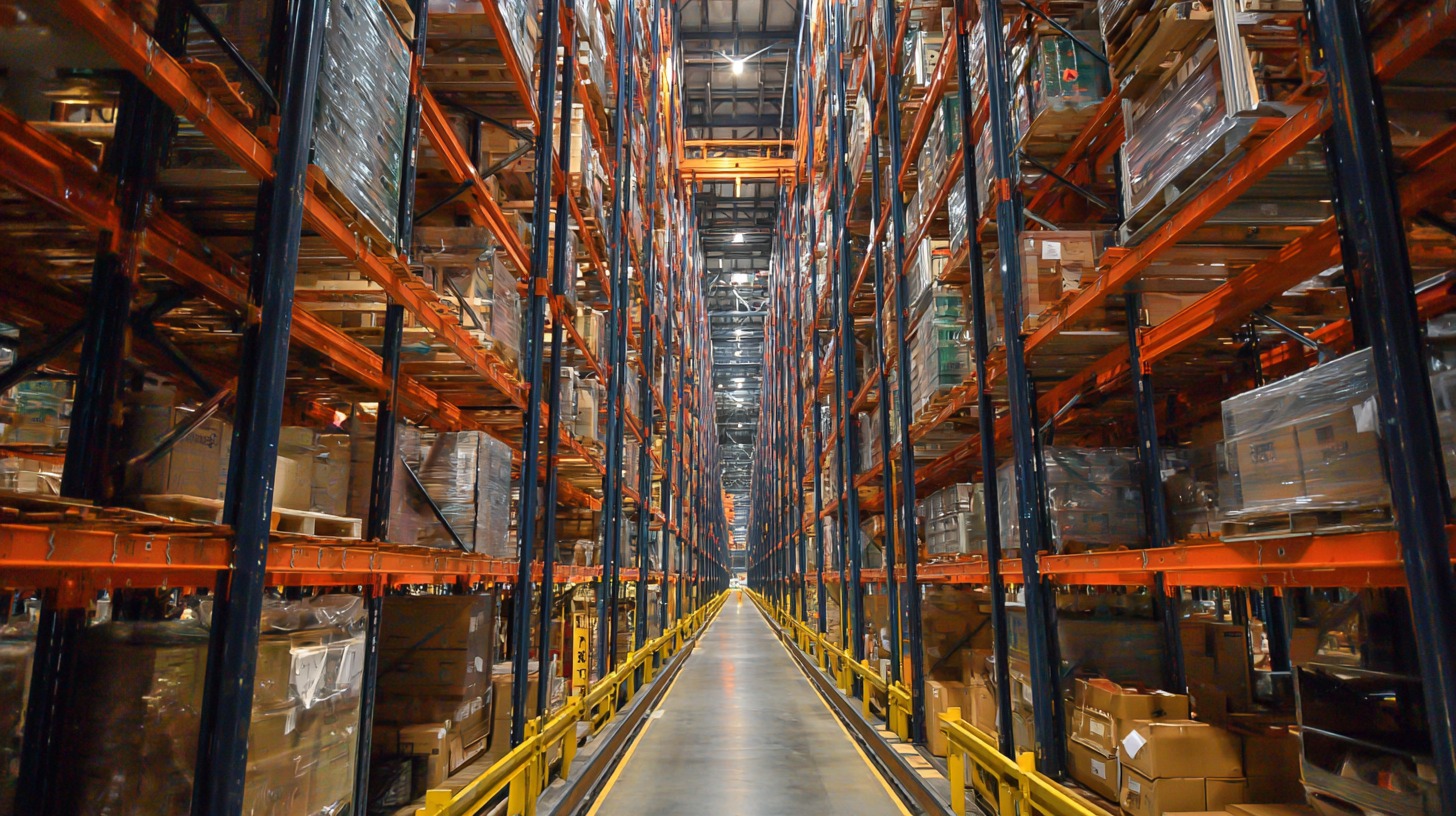
Understanding Vertical Lift Warehouse Solutions for Improved Operations
Vertical lift warehouse systems are really changing how businesses handle storage and daily operations. These setups, using high-density shelving modules, help companies make the most of their space—while also improving accuracy and cutting down on workforce fatigue. With the warehousing market expected to grow quite a bit, it’s pretty smart for companies to understand how these vertical lift solutions work. Doing so can help them streamline their processes and keep up with rising demand—without necessarily needing to take up more physical space.
If you're thinking about jumping into Vertical Lift Systems, here are a fewtips to keep in mind:
- First up, really analyze your current storage needs. Take a good look at your space and figure out where you can squeeze more efficiency.
- Don't forget to train your team properly. Introducing new tech can be a game-changer, but only if everyone knows how to use it right.
- And of course, keep track of how things are going afterward. Use key performance indicators (KPIs) like picking accuracy and labor costs to see what’s improving and what might need a tweak.
Adding vertical lift solutions isn’t just about being more efficient; it also helps reduce supply chain hiccups by making your operations smoother and more responsive. As automation continues to grow in importance, businesses that jump on these tech trends will probably find they can respond faster and stay competitive in today’s fast-moving market.
Key Benefits of Implementing Vertical Lift Systems in Your Business
Getting vertical lift systems set up in a warehouse can really boost how smoothly things run. One of the biggest perks is how it helps make better use of all that vertical space—something most traditional setups tend to ignore. Basically, with these systems, businesses can pack more inventory into a smaller area. That means they don’t have to rent or buy extra space, saving a pretty penny on costs.
And here’s another thing: it seriously upgrades the whole workflow. Items are picked out way faster, so employees aren’t wasting time digging through shelves. With automation in play, workers can move around more easily and quickly, which means orders get out the door faster and labor costs go down. Plus, safety gets a boost too. These systems cut down on the risks of manual lifting and carrying heavy stuff, making the workplace safer and less stressful for everyone.
All in all, adding vertical lift systems isn’t just about storage—it’s about making the whole operation more efficient, safer, and cost-effective.
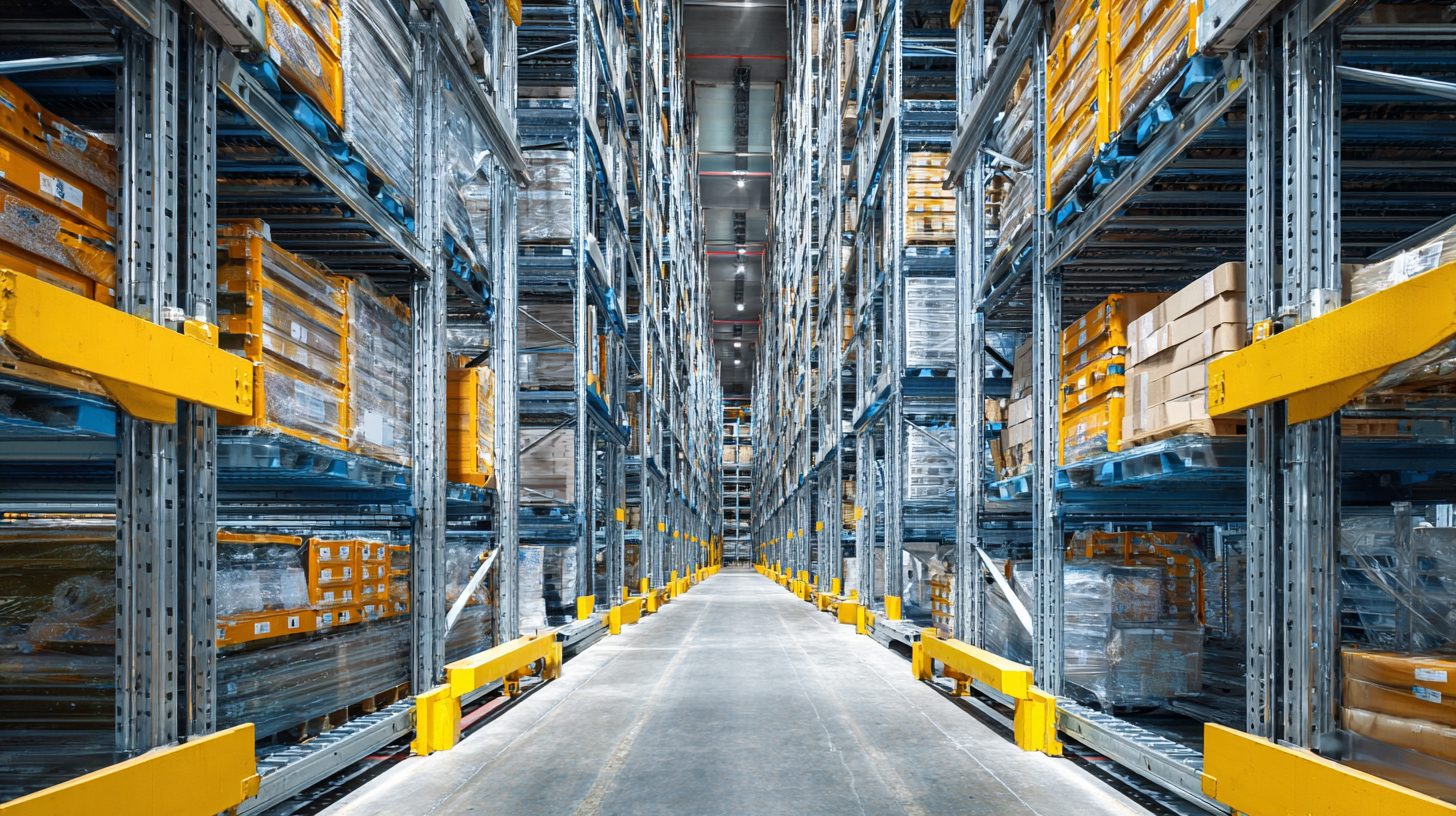
Assessing Your Warehouse Space for Optimal Vertical Lift Usage
Taking a good look at your warehouse space is actually pretty important if you're serious about getting the most out of vertical lift solutions. I read in a report from the Material Handling Industry of America (MHIA) that companies can bump up their storage capacity by as much as 50% just by adding vertical lifts—pretty impressive, right? These systems do a great job of using vertical space smarter, but they also make it easier for your team to access items quickly, saving a ton of time that would otherwise be spent digging through the shelves. The key is to do a careful, systematic check of your current layout—this way, you'll spot the hot spots where vertical lifts could really make a difference.
If you're trying to figure out how to get the most out of vertical lifts, start by measuring how tightly packed your storage is, how wide your aisles are, and where your equipment needs access. According to the Warehousing Education and Research Council (WERC), companies that jump on innovative storage solutions often see a 25-30% boost in operational efficiency. By including vertical lifts in your evaluation, you'll make your processes smoother, improve how you manage inventory, and even cut down on labor costs. Plus, it can help reduce workplace injuries—so it’s a win all around. Overall, taking these steps can really help turn your warehouse into a more productive, profitable space.
How to Enhance Efficiency in Your Business with Vertical Lift Warehouse Solutions
| Warehouse Location | Total Area (sq ft) | Current Vertical Lift Usage (%) | Potential Efficiency Gain (%) | Estimated ROI (Years) |
| New York | 50,000 | 30 | 25 | 3 |
| Los Angeles | 75,000 | 40 | 30 | 2.5 |
| Chicago | 60,000 | 35 | 20 | 3.5 |
| Houston | 80,000 | 50 | 35 | 2 |
Integrating Vertical Lift Solutions with Existing Warehouse Technology
In today’s fast-changing world of logistics and supply chain management, mixing vertical lift solutions with existing warehouse tech has really turned out to be a game-changer for boosting efficiency. According to the Material Handling Industry of America, using automated tools—including vertical lifts—can cut down the time spent on order picking and managing inventory by up to 85%. When you make good use of vertical space, businesses can shrink their floor space needs while still packing in more storage. Pretty neat, right?
When you team these lifts up with traditional warehouse management systems (WMS) and other automation tech, it creates a smooth flow of data that simplifies processes and helps with smarter decision-making. Gartner reports suggest that companies who go for integrated tech solutions can see their inventory accuracy jump by around 30%. Plus, putting these systems in place often means savings on labor costs because the ergonomic design cuts down on manual handling and related risks. All in all, with the right strategy, companies don’t just get more efficient—they also make their warehouses safer places to work.
Productivity Improvement with Vertical Lift Warehouse Solutions
Training Employees to Effectively Use Vertical Lift Systems
If you really want to get the most out of vertical lift systems in your warehouse, making sure your employees are properly trained is key. They need to have a good grasp of how these complex machines work and feel confident using them. Hosting thorough training sessions that cover everything from how the lifts operate, safety rules, to regular maintenance goes a long way in helping staff understand the tech and use it effectively. And hey, mixing things up with interactive stuff like hands-on demos or simulations can help the training stick and boost everyone’s confidence on the floor.
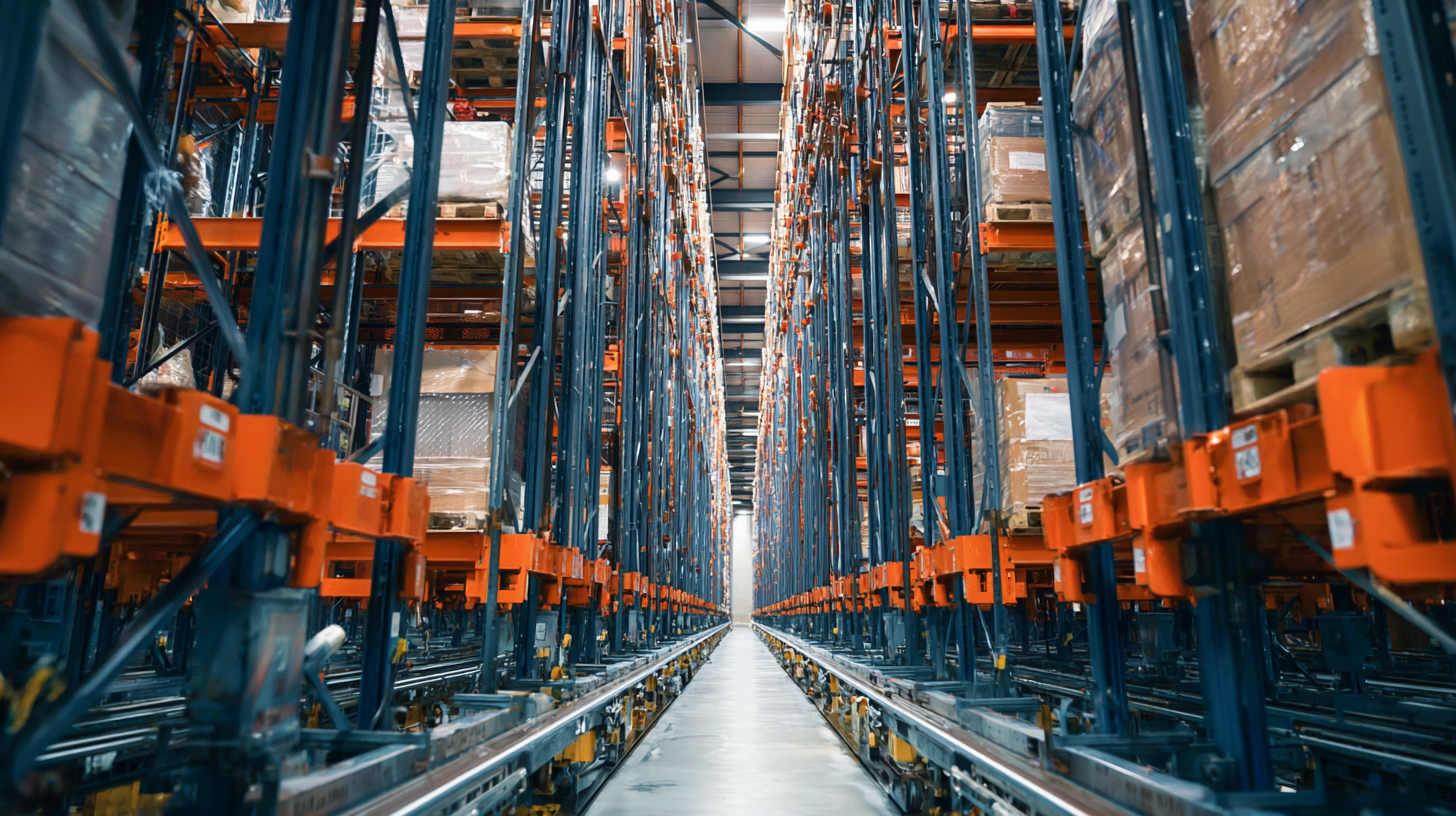
But don’t forget — ongoing education is just as important. Regular refresher courses or advanced training can keep everyone updated, especially if there are upgrades or new features added to the lifts. Listening to what employees say about their training experience or any issues they run into can really promote a culture of continuous improvement. When you invest in good employee training, it not only reduces mistakes but also helps streamline workflows and ramps up overall efficiency with your vertical lift solutions. It’s all about making sure your team feels equipped and ready to handle it all like pros.
Measuring the Impact of Vertical Lifts on Warehouse Productivity and Efficiency
Vertical lift warehouse solutions have really become a game-changer when it comes to boosting productivity and efficiency in today’s fast-paced business world. By making much better use of vertical space and simplifying how stuff gets moved around, these systems do more than just add storage—they help your team get to things faster. That means less time wasted on hunting down or stashing items, which keeps things running smoothly. When you toss in vertical lifts, you get quicker access to your inventory, making your supply chain more responsive and overall operations way more efficient.
When you’re trying to see how much of a difference vertical lifts make, there are a few key measures to look at. Things like how fast your team can pick orders, the accuracy of your inventory, and how efficiently everyone’s working are all important. From what I’ve seen, companies using vertical lifts usually notice better accuracy, faster retrieval times, and fewer mistakes—all of which help cut down labor costs. So, basically, you can handle more orders with less effort, which makes customers happier and even bumps up your revenue. Adding vertical lift solutions isn’t just about saving time—it’s about giving your business a real leg up with smarter workflows and better use of your team’s effort.
Enhancing Industrial Efficiency with LGIM 5-Ton Piggyback Lift AGV: A Comprehensive Overview
In the evolving landscape of industrial automation, the LGIM 5-Ton Piggyback Lift Automated Guided Vehicle (AGV) stands out as a transformative solution aimed at enhancing operational efficiency. Leveraging advanced compound navigation technology, this AGV ensures independent and precise positioning, which is crucial in environments where space is often a premium. The four-wheel differential drive allows for agile movement, enabling the vehicle to navigate tight spaces and complex pathways seamlessly, thereby optimizing workflow processes.
Energy management is another cornerstone of the LGIM AGV, featuring intelligent power management that automates online and offline charging within the operational area. This functionality minimizes downtime, a critical factor as studies indicate that reducing downtimes can yield productivity boosts of up to 20% in manufacturing environments. Additionally, the AGV is equipped with sophisticated safety features, including diagonal laser obstacle avoidance and a comprehensive 360-degree collision detection system, thus enhancing the safety of both the vehicle and the surrounding personnel.
With a user-centric approach, the LGIM AGV incorporates an intelligent touch screen and audio-visual integration, fostering a humanized interaction model that promotes ease of use among operators. The integration of wireless WiFi connectivity allows for seamless roaming within the network coverage area, further enhancing operational fluidity. Capable of lifting and transporting goods weighing up to 5,000 kg, the LGIM 5-Ton Piggyback Lift Agv is not just a piece of equipment but a strategic ally in driving industrial efficiency forward. As businesses increasingly turn to automation, solutions like these are critical in meeting the demands of modern manufacturing and logistics sectors.
FAQS
: Employee training is crucial because it equips workers with the knowledge and skills necessary to operate vertical lift systems confidently, ensuring safety and efficiency in their usage.
Training sessions should cover the mechanism of vertical lifts, safety protocols, maintenance routines, and incorporate interactive elements like hands-on demonstrations and simulations for better retention and proficiency.
Ongoing education, including periodic refresher courses and advanced training, helps employees stay updated on upgrades or changes to the systems and allows for continuous improvement in their operational skills.
Encouraging employee feedback about their training experiences and any challenges faced while operating vertical lifts can foster a culture of continuous improvement within the organization.
Vertical lift systems optimize vertical space, streamline material handling processes, increase storage capacity, and reduce the time employees spend retrieving and storing goods.
Vertical lifts improve order picking speed, inventory accuracy, and labor efficiency, leading to fewer errors, lower labor costs, and the ability to handle larger volumes of orders effectively.
Key performance indicators (KPIs) include order picking speed, inventory accuracy, and labor efficiency, which help assess the effectiveness of vertical lift systems in enhancing warehouse operations.
By integrating vertical lift solutions, companies can achieve improved customer satisfaction and increased revenue potential due to enhanced picking accuracy and decreased retrieval times.
The implementation of vertical lifts allows for faster access to inventory, contributing to a more responsive supply chain and enhancing overall operational efficiency.
Businesses gain a competitive edge through maximized labor efficiency and optimized warehouse workflows, leading to improved overall productivity and operational outcomes.
Conclusion
Vertical Lift Warehouse solutions are really changing the game when it comes to how businesses handle their operations. They help make the most out of limited space and make inventory management way smoother. Once you understand how these systems work and the perks they bring, you'll see a big boost in warehouse productivity. Putting in vertical lift systems isn’t just about saving space — they also play nicely with your existing tech, making your workflow way more streamlined.
Of course, taking a good look at your warehouse layout to figure out the best way to use vertical lifts is a smart move. And don’t forget, training your staff properly on how to operate these systems is super important if you want everything to run smoothly. Tracking how these solutions actually improve productivity can also give you some solid clues on whether it’s worth all the investment. Here at Linyi Lingong Intelligent Information Technology Co., Ltd., we’re all about smart manufacturing products and can help businesses tap into the benefits of Vertical Lift Warehouse systems — helping you stay innovative and efficient every step of the way.