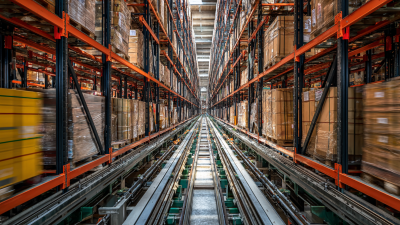
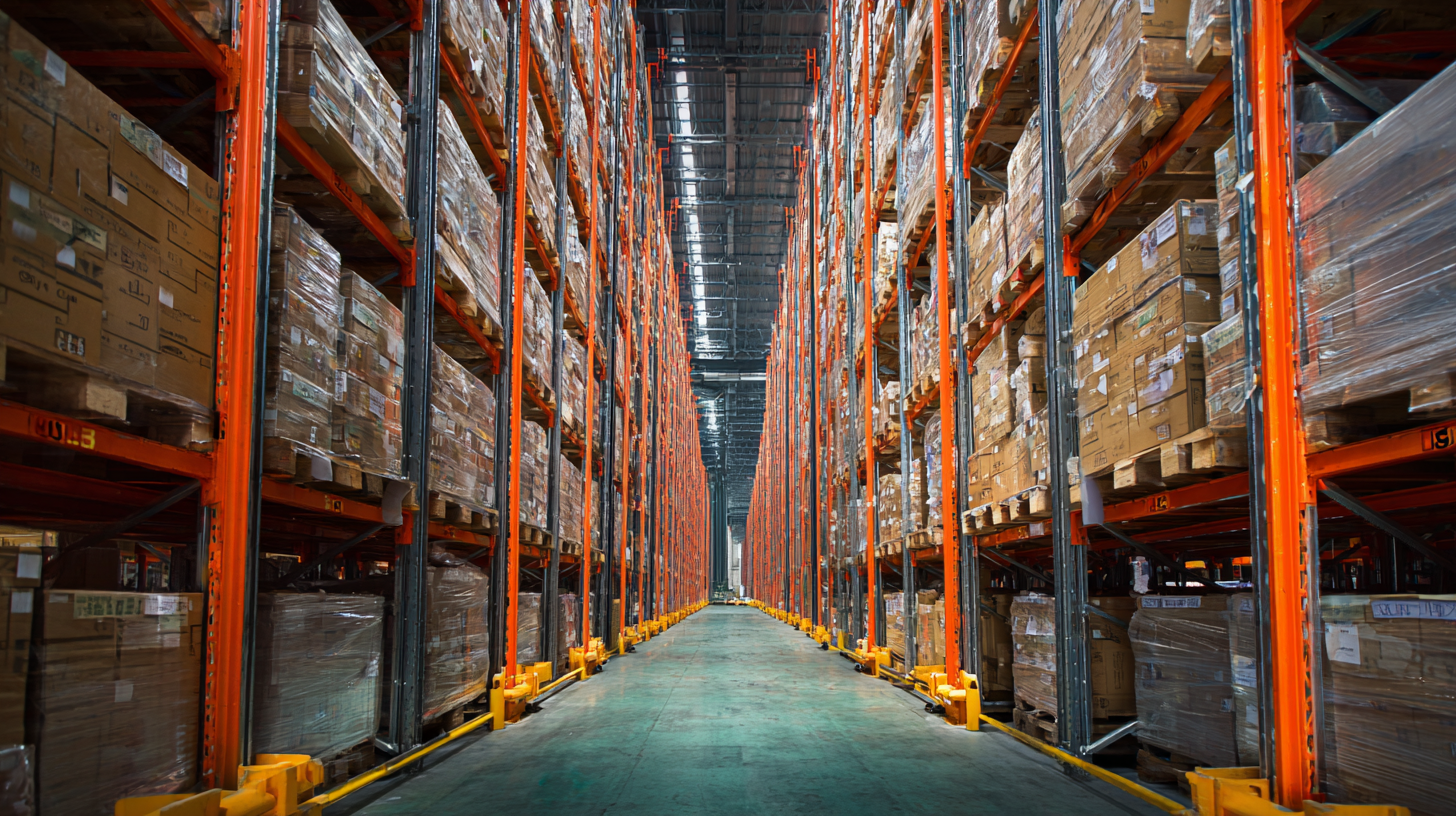
These days, with the industrial world changing so fast, companies really need to get creative if they want to stay ahead. One of the best ways to do that is by jumping on Automated Storage solutions. They help streamline your warehouse operations, cut down on the manual work, and make the most of the available space.
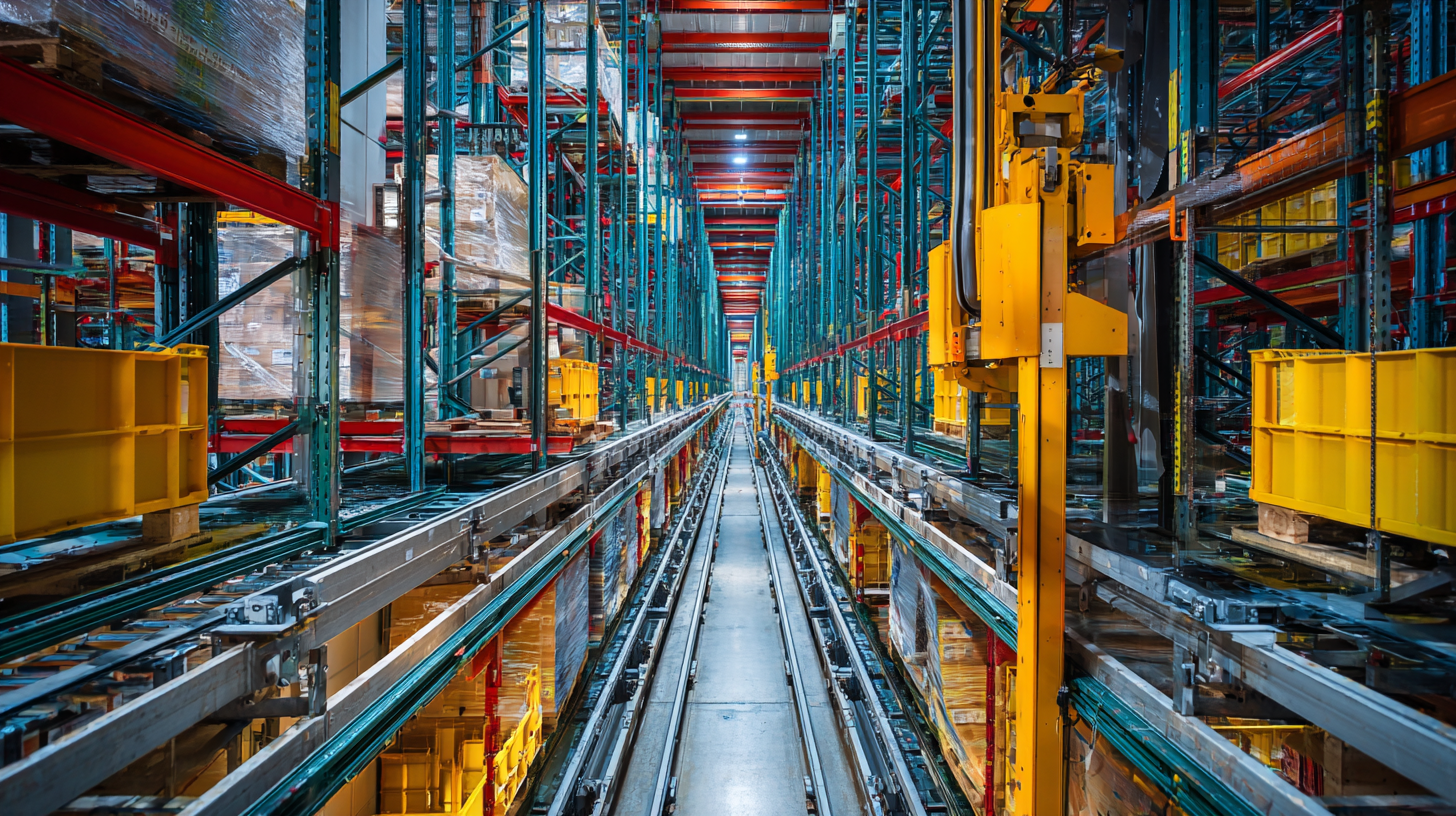
Take Linyi Lingong Intelligent Information Technology Co., Ltd., for example — a high-tech company founded back in 2013. They focus on developing, producing, and supporting smart manufacturing products. When businesses use their automated storage systems, they often see big improvements — like better inventory control, quicker item retrieval, and fewer mistakes. In this article, I’ll walk you through some of the strategies and tech Linyi Lingong provides to boost warehouse efficiency. Ultimately, it’s about helping companies run smarter, more efficient storage, and creating a more innovative manufacturing world.
Thinking about adding automated storage solutions to your warehouse? First things first, you want to get a good handle on what your specific needs are. Take a moment to look at what's slowing things down—like maybe slow retrieval times, hefty labor costs, or not enough storage space. These kinds of issues can really highlight why automation might be a game-changer for you. If you're usually dealing with fast-moving items or specialized products, automating could make your life a lot easier and your processes more efficient.
Here's a little tip—start with a detailed inventory review. It helps you spot exactly where automation could make the biggest impact. Keep an eye on demand patterns and storage patterns; they can reveal where your current setup isn’t quite cutting it. Also, think about your warehouse layout—how could automation help you make better use of space? For instance, vertical storage or shrinking aisle widths can really open things up.
And don’t forget to chat with your team. They deal with these issues day in and day out and might have some great insights on what’s really holding things back. Finally, doing a quick cost-benefit analysis comparing what you’re spending now to what you could save with automation can give you a clearer picture of the potential return on investment and help you justify the move if you decide to go ahead.
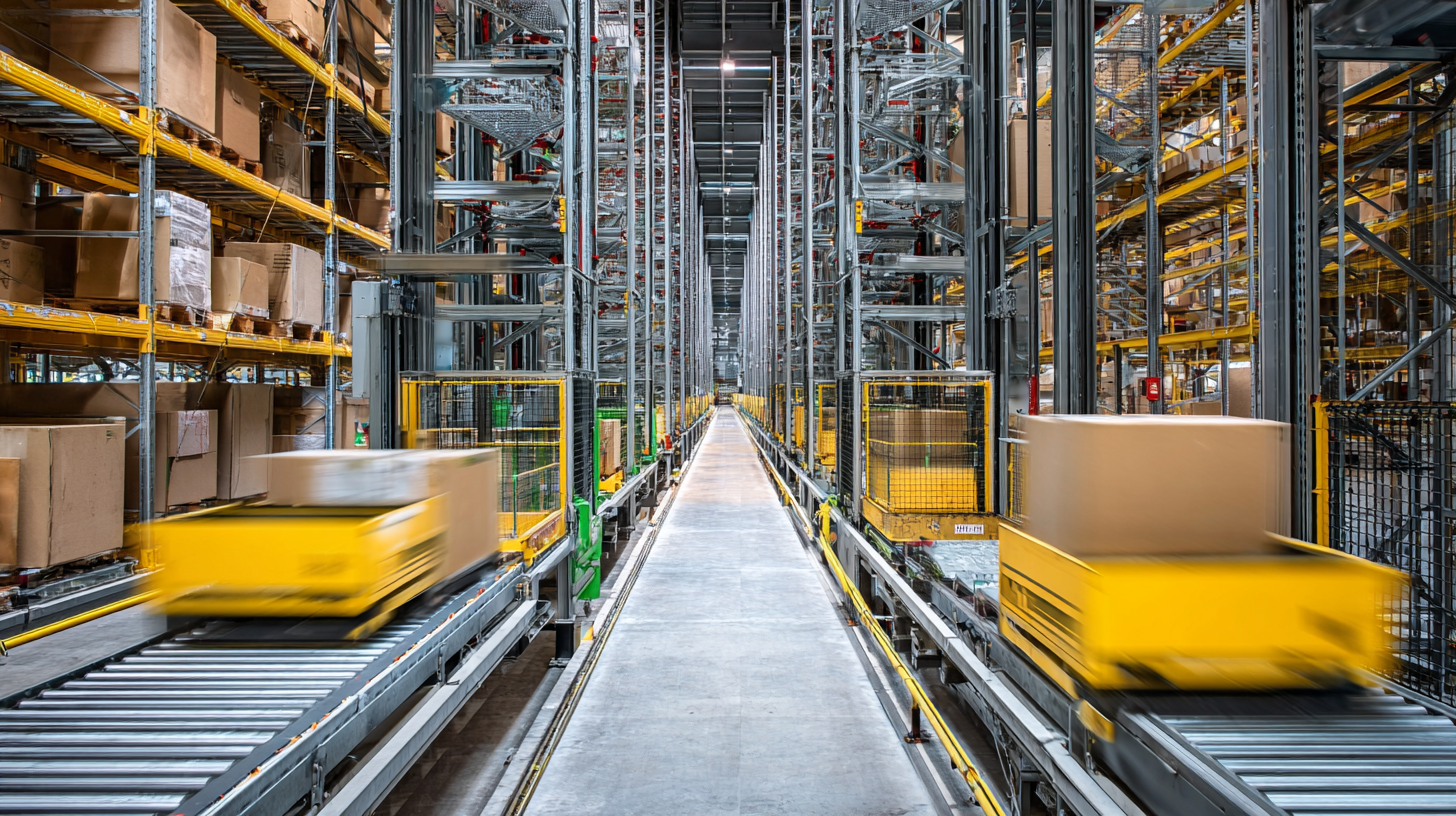
Automated storage solutions are really starting to play a bigger role in making warehouses run smoother, especially with e-commerce booming and global trade picking up steam. I came across a recent report from Technavio, and it looks like the worldwide market for automated storage and Retrieval Systems — you know, AS/RS — is expected to hit around $10 billion by 2025. That’s a pretty clear sign that companies are really investing more in these tech solutions. What’s cool about automation is that it cuts down on the manual labor and mistakes, speeds up how quickly inventory moves, and helps make better use of space. So, it’s no wonder more warehouses are jumping on board with these options.
When you’re thinking about different types of automated storage, it’s key to find the right fit for your specific warehouse. You’ve got options like automated guided vehicles (or AGVs), advanced shuttle systems, and vertical Lift Modules (VLMs). For example, a study from the Warehousing Education and Research Council pointed out that using shuttle systems can boost storage density by up to 30% compared to old-school shelving setups. And speaking of innovation, Linyi Lingong Intelligent Information Technology Co., Ltd., a high-tech firm, is all about developing smart solutions that leverage these kinds of technologies. Their goal? Helping businesses not just get more efficient but also stay competitive in today’s fast-changing market.
When it comes to ramping up warehouse efficiency, tweaking the workflows can make a huge difference. Streamlining how things run not only cuts down on wasted time, but it also boosts overall productivity. A good starting point is taking a close look at how things are currently done—spotting those annoying bottlenecks. Once you've identified the problem areas, redesign those processes to make the flow smoother, helping everything move seamlessly from storage to retrieval.
Here's a tip: try using a flowchart to visually map out your workflow. It’s super helpful for the team because they can quickly see what's working and what’s not. Plus, involving staff in the redesign process actually gets everyone more on board—after all, their input really matters. This kind of buy-in can make all the difference.
And hey, automation isn't just a buzzword—integrating automated storage solutions can really speed things up. It reduces manual handling, makes order fulfillment faster, and helps optimize space. Plus, it cuts down on human errors, which is a win-win.
A quick tip: keep an eye on how these changes are working by using KPIs like order accuracy and how long it takes to pick items. It’s all about setting up a feedback loop, so you can keep refining processes based on real data and what the team experiences day to day.
Training your staff the right way is honestly one of those things that can really make a difference when you’re dealing with automated storage systems in a warehouse. I was reading this report from the Warehouse Education and Research Council (WERC), and it said that companies who put a big focus on thorough training for their team members can boost how efficient they are by as much as 30%. Pretty impressive, right? It just goes to show how important it is to invest time and resources into making sure your staff knows how to handle these new tech systems — it’s all about giving them the tools and confidence they need.
And here’s a little tip: mixing in hands-on training sessions and simulation exercises can do wonders for boosting staff confidence and skills with these technologies. The National Association of Wholesaler-Distributors (NAWD) also did a study and found that companies that actively involve their employees in learning and practice saw error rates drop by around 20% when using automated storage systems. As warehouses keep adopting more advanced tech, keeping up with ongoing training and support isn’t just a good idea — it’s pretty much essential. It helps create a flexible, skilled team that can adapt easily, which ultimately means more productivity and fewer costs down the line.
When it comes to measuring how well your automation is performing, it’s super important to look at the right metrics to really understand its impact on your warehouse operations. Stuff like order accuracy, how fast inventory turns over, and picking speed can tell you a lot about whether automation is actually making things run smoother. Keep a close eye on these numbers, and you’ll spot areas where things could be better. From there, you can tweak workflows or systems to get everything running at its best.
But it’s not just about the usual KPIs. You also want to think about more advanced stuff like how productive your workers are after automation kicks in and how often your systems stay up and running without hiccups. Labor productivity gives you an idea of how efficient your team is, while system uptime shows if your automation is reliable. Analyzing these metrics helps you see if your investment is paying off and guides you in deciding whether it’s time for upgrades. Taking this kind of data-driven approach not only keeps things improving, but it also helps align your warehouse activities with overall business goals—making sure everything works together in harmony.
With technology advancing so quickly these days, it’s more important than ever for warehouses to think ahead when it comes to upgrades and scaling up their storage solutions. A recent study by the Material Handling Industry of America (MHIA) found that almost three-quarters of warehouse operators plan to invest in automated storage systems within the next five years. The main goal? Boost efficiency and handle the increasing volume of inventory. As e-commerce keeps booming, being able to adapt quickly and scale your storage is pretty much a game-changer for operational success.
When choosing automated storage options, it’s smart to look for modular setups that can be expanded easily down the line. McKinsey & Company even reports that companies that design their warehouses to be scalable often cut their operational costs by somewhere between 15% and 30%. By bringing in high-tech gear like vertical lift modules and automated guided vehicles (AGVs), warehouses can squeeze in more storage, speed up picking times, and improve accuracy too. Investing in flexible, scalable solutions now actually sets the stage for tackling future demands without breaking a sweat, helping warehouses stay competitive in today’s increasingly automated logistics world.
: You should assess operational inefficiencies such as slow retrieval times, high labor costs, and limited storage space. Additionally, understanding the volume and type of inventory and conducting a thorough inventory analysis can help pinpoint areas where automation would be beneficial.
Look for patterns in product demand and storage utilization that indicate a mismatch in your current system. Engaging with your team to discuss their challenges and conducting a cost-benefit analysis of current operational costs versus potential savings can also highlight specific needs for automation.
There are several types of automated storage solutions, including automated guided vehicles (AGVs), shuttle systems, and vertical lift modules (VLMs). Each option has specific advantages that can be tailored to meet your warehouse's needs.
Automated storage solutions significantly reduce manual labor requirements, minimizing errors and allowing for quicker inventory turnover, which makes them attractive for modern warehouses looking to enhance efficiency.
Integrating shuttle systems can increase storage density by up to 30% compared to traditional shelving, optimizing space utilization and improving overall warehouse efficiency.
Team members have invaluable insights into daily challenges and bottlenecks that may not be immediately apparent, helping to identify specific automation needs that can improve operations.
Automation can enhance space efficiency by better utilizing vertical storage and reducing the footprint required for aisles, allowing for more efficient use of the available warehouse area.
The global automated storage and retrieval systems (AS/RS) market is expected to reach $10 billion by 2025, indicating significant investment and demand for these technologies in the warehouse sector.
Conducting a cost-benefit analysis comparing current operational costs to anticipated savings from automation will provide a clearer picture of the potential return on investment (ROI) and help justify the investment.
Companies like Linyi Lingong focus on developing innovative automated storage solutions that leverage advanced technologies, helping businesses enhance efficiency and maintain a competitive edge in a rapidly evolving market.
Nowadays, staying competitive in logistics really means stepping up your warehouse game — and automated storage solutions are a big part of that. The first thing you wanna do is figure out what your warehouse actually needs when it comes to automation. Then, take a good look at the different types of automated storage options out there. Once you’ve picked the right system, tweaking your workflows a bit can go a long way in boosting efficiency. Plus, training your staff properly is super important so everyone knows how to get the most out of these high-tech systems.
After you roll out the automation, don’t forget to keep an eye on key performance metrics. Regular monitoring helps you see what's working and what might need a tweak. It also sets you up for future upgrades and makes sure your storage systems can grow along with your business. Companies like Linyi Lingong Intelligent Information Technology Co., Ltd., with their expertise in smart manufacturing, are really ready to help businesses navigate this transformation seamlessly.