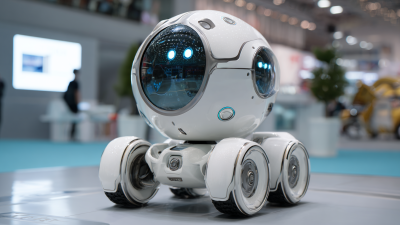
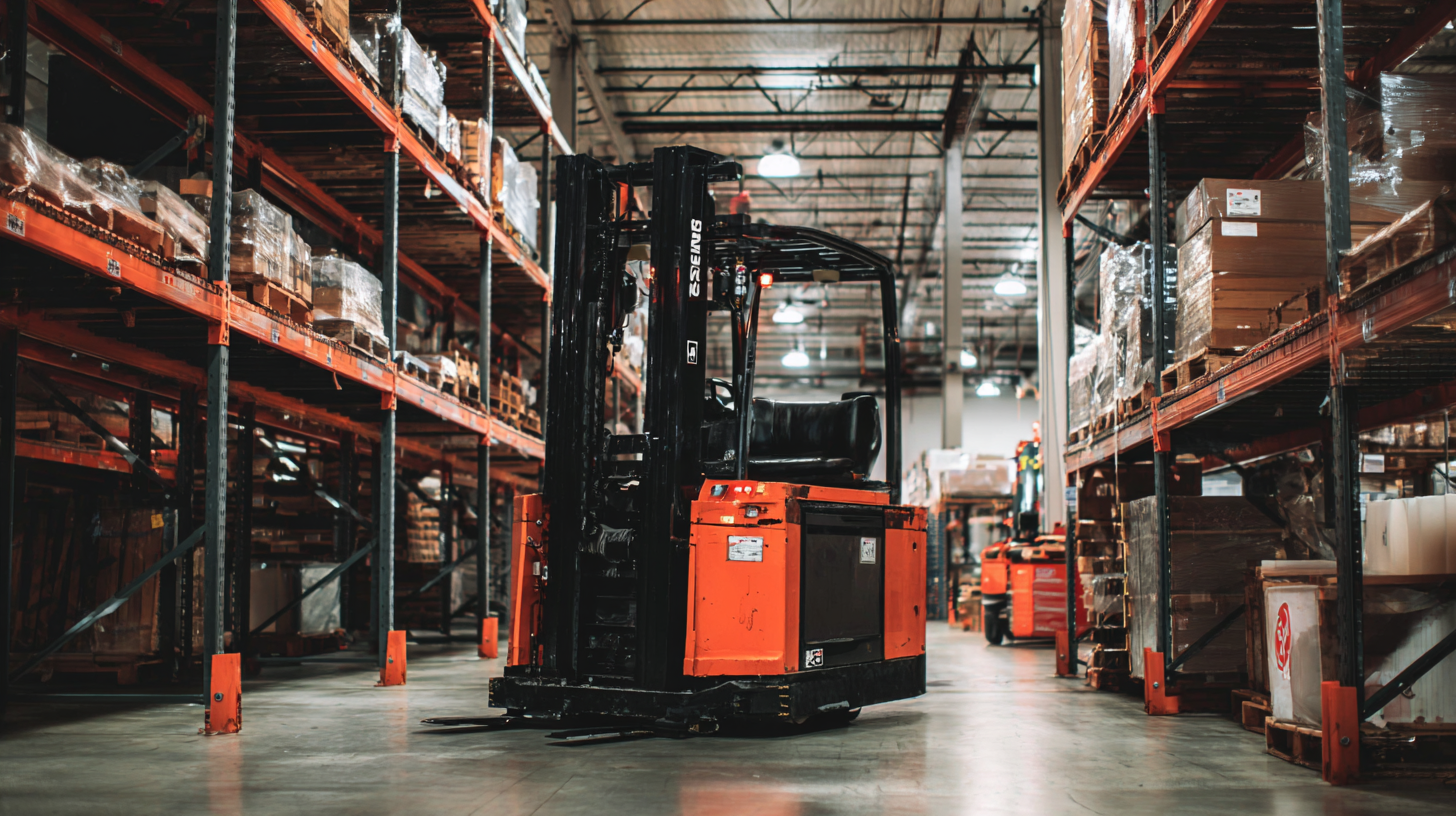
 Lately, the forklift industry has been going through some pretty big changes. We've seen everything evolve—from simple manual pallet jacks to high-tech autonomous robots. It’s like a real game-changer for how warehouses operate and handle materials. According to the International Industrial Truck and Trailer Manufacturers Association (IITMA), the global forklift market is expected to hit around $60 billion by 2026. That growth is mainly fueled by a rising need for automation and more efficient logistics.
One company really leading the charge here is Linyi Lingong Intelligent Information Technology Co., Ltd. — they were founded back in 2013 and are considered a high-tech enterprise. They focus on developing smart manufacturing solutions that are at the core of this new wave. As more businesses jump on the bandwagon and start using these smart, advanced forklifts, industries like retail and e-commerce are really transforming fast. Honestly, understanding how all this is changing is super important if you want to stay ahead of the game and make the most of these new tech advances to boost your operations and productivity.
The Historical Development of Forklifts: Key Milestones
The journey of how forklifts have evolved is pretty fascinating — it really shows how technology has progressed alongside what the logistics industry needs. I mean, if you go way back to the early 20th century, they were using manual pallet jacks that depended a lot on human strength and simple mechanical tricks. Over time, though, things started to change. In the 1920s, powered lifting devices came into play, and that was a real game-changer, making tasks way more efficient and saving workers from a lot of physical fatigue. As decades went by, we saw the emergence of electric forklifts and designs that focused on worker ergonomics, which made workplaces safer and boosted overall productivity, especially in warehouses and factories.
Lately, things have taken a big leap with automation and robotics. Now, we've got autonomous forklifts equipped with cutting-edge sensors and AI tech — they can run on their own, really helping to streamline warehouse operations and cut down on human errors. Companies like Linyi Lingong Intelligent Information Technology Co., Ltd. are leading the charge here. They've been all about R&D in smart manufacturing solutions since 2013. As a high-tech enterprise, their focus is on making material handling safer and more efficient through innovative tech, and honestly, they're pushing the forklift industry into an exciting new chapter.
Transitioning from Manual Pallet Jacks to Powered Equipment
The world of material handling has really changed a lot over the years. Remember when manual pallet jacks were the main thing in warehouses? They’re simple, affordable, and get the job done, but honestly, they rely a lot on workers’ strength and can be pretty slow. That’s why industries have started looking for smarter solutions that boost productivity and keep everyone safer.
Thanks to technology, powered equipment like electric pallet jacks and forklifts have become the new standard. These tools help reduce the physical effort workers have to put in, and they’re faster and more precise too. As companies try to stay ahead and work more efficiently, switching to powered gear isn’t just a good idea—it’s kinda essential. Plus, it helps cut down on workplace injuries and makes operations run smoother overall. So, this shift toward powered machinery is a pretty big deal—it’s changing how we handle goods, and who knows, maybe in the future we’ll see even more automated systems taking over. It’s all about making things easier, safer, and more efficient for everyone involved.
The Rise of Electric Forklifts: Benefits and Innovations
You know, electric forklifts have really shaken things up in the material handling world. They're a much cleaner and more efficient alternative to those old gas-powered models we used to see everywhere. Plus, they're way better for the environment because they cut down on emissions, which is pretty important given all the global sustainability efforts these days. And let’s not forget how much quieter they are — that means workers can concentrate better and stay more productive, especially in busy places like warehouses or factories where noise levels can get pretty hectic.
Thanks to some cool breakthroughs in battery tech, electric forklifts have become even more appealing. The new lithium-ion batteries last longer, recharge faster, and don’t need as much maintenance compared to the old lead-acid ones. This means they can run longer shifts without constantly stopping to recharge, which is a huge plus for businesses trying to get more done. All these upgrades make electric forklifts a smart choice for companies wanting to stay competitive and save some cash in the long run. No wonder we’re seeing more folks investing in these eco-friendly, reliable machines!
Evolution of Forklifts: A Comparative Analysis
This chart illustrates the market share distribution among different types of forklifts, highlighting the significant rise of electric forklifts and the emerging role of autonomous robots in the industry.
Introduction of Automated Guided Vehicles in Material Handling
Hey, so you know those Automated Guided Vehicles (AGVs)? They've really marked a big step forward in how we handle materials. These little guys can move around without anyone having to guide them directly, which is pretty cool. They help make warehouses and factories run smoother and safer. By sticking to pre-set routes or using fancy navigation tech, AGVs can transport goods with a level of accuracy and steadiness that’s hard to beat. Plus, they cut down on the physical toll for workers and lower the chances of accidents that happen when folks are manually handling stuff.
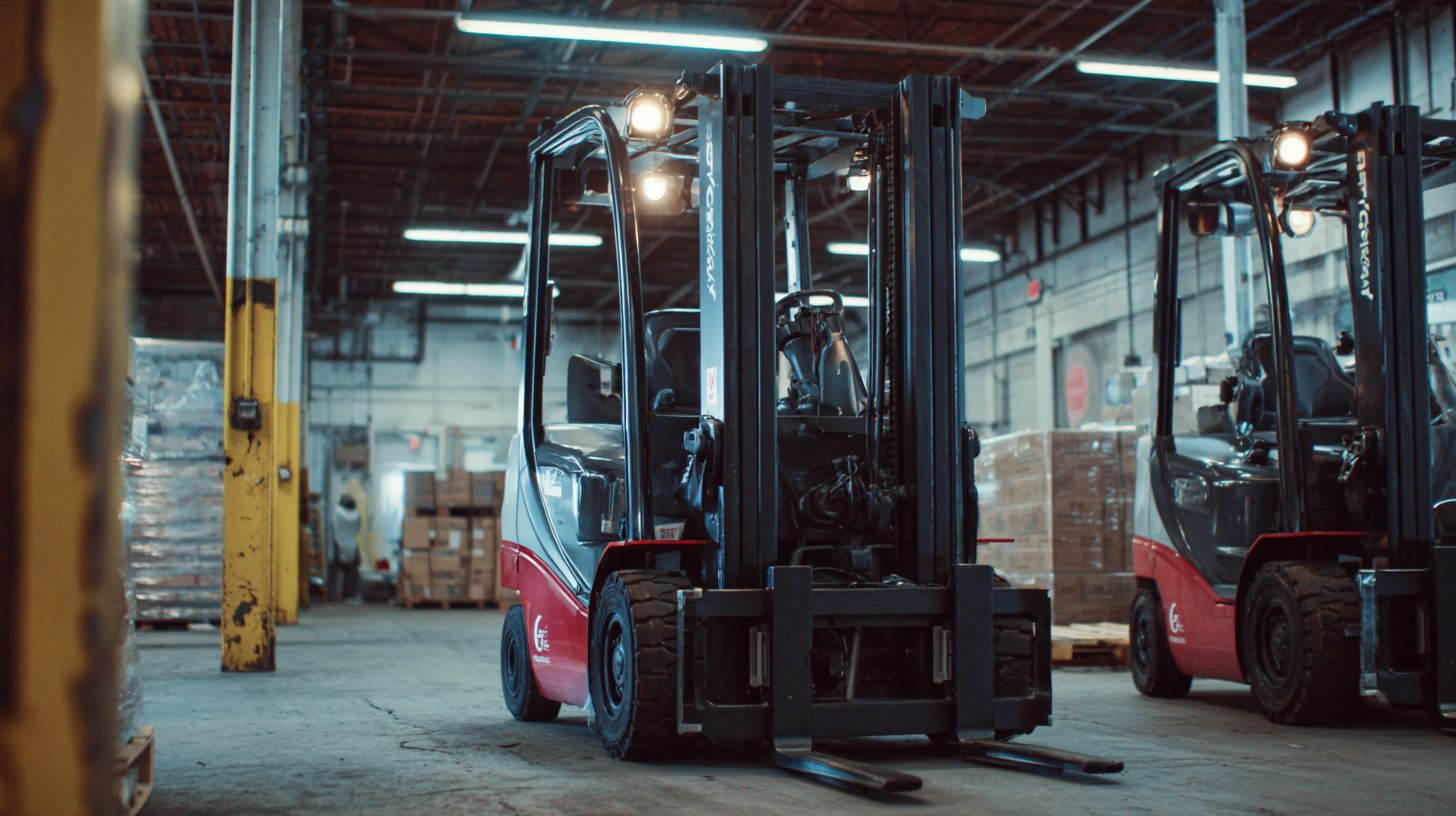
And it’s not just about hauling pallets anymore. These days, AGVs can do loads of other things — loading and unloading, keeping track of inventory, and even syncing up with other automated systems in a smart factory setup. They can work 24/7, which means companies get more done and can respond quicker when things get busy or demand spikes. As technology keeps on improving, these vehicles are only going to get smarter and more adaptable, totally changing how supply chains work and giving businesses a real edge in this automated world.
Future Trends: The Role of AI and Robotics in Forklift Technology
You know, the way forklift technology has evolved over the years is pretty impressive. It’s all about how AI and robotics have really pushed things forward. These days, forklifts aren’t just simple manual pallet jacks; they’ve become these smart, autonomous machines that can handle pretty complex tasks in warehouses and factories. Thanks to AI, they can now navigate their surroundings, figure out the best routes, and even chat with each other, which really boosts efficiency and keeps things safer around the loads.
If you're thinking about switching to Automated Forklifts, it’s a good idea to take a good look at your warehouse layout and how your products move through the space. Installing sensors and cameras can make navigation way smoother and help prevent accidents by avoiding collisions—that kind of stuff really makes a difference.
And honestly, the future of forklift tech is only looking brighter. With machine learning becoming more advanced, these robots will get better at adapting and responding to whatever’s happening around them. The next-gen forklifts might even be smart enough to manage inventory and predict maintenance needs all by themselves.
So, a quick tip—try to invest in training your team on the latest tech and safety procedures. Cultivating a learning mindset will really help everyone stay ahead of the curve as these new developments roll out.
Exploring the Evolution of Forklifts: From Manual Pallet Jacks to Autonomous Robots - Future Trends: The Role of AI and Robotics in Forklift Technology
| Technology Type | Year of Introduction | Key Features | Advantages | Future Trends |
| Manual Pallet Jack | 1920s | Hand-operated, basic lifting mechanism | Cost-effective, easy to use | Development of more ergonomic designs |
| Electric Forklift | 1950s | Battery-operated, quieter operation | Environmental friendly, reduced noise | Increased automation and connectivity features |
| Reach Truck | 1980s | Extended reach height, narrow aisle operation | Optimizes warehouse space | Integration of AI for improved navigation |
| Counterbalance Forklift | 1990s | Versatile, balances weight for stability | Good for various load sizes | Autonomous models reducing human labor |
| Autonomous Mobile Robot (AMR) | 2010s | Self-navigating, AI-driven | Highly efficient, reduces labor costs | Increased use of machine learning for adaptability |
Safety Improvements in Forklift Design over the Decades
You know, when you look at how forklifts have evolved over the years, it’s pretty clear that safety has really taken center stage. Especially nowadays, with all the talk about logistics and warehouse safety, companies are really stepping up their game. I mean, according to OSHA, forklifts are responsible for around 85 deaths and about 34,000 serious injuries every single year in the US. That’s a huge number, and it’s definitely pushed manufacturers to come up with smarter, safer designs to keep everyone safer out there.
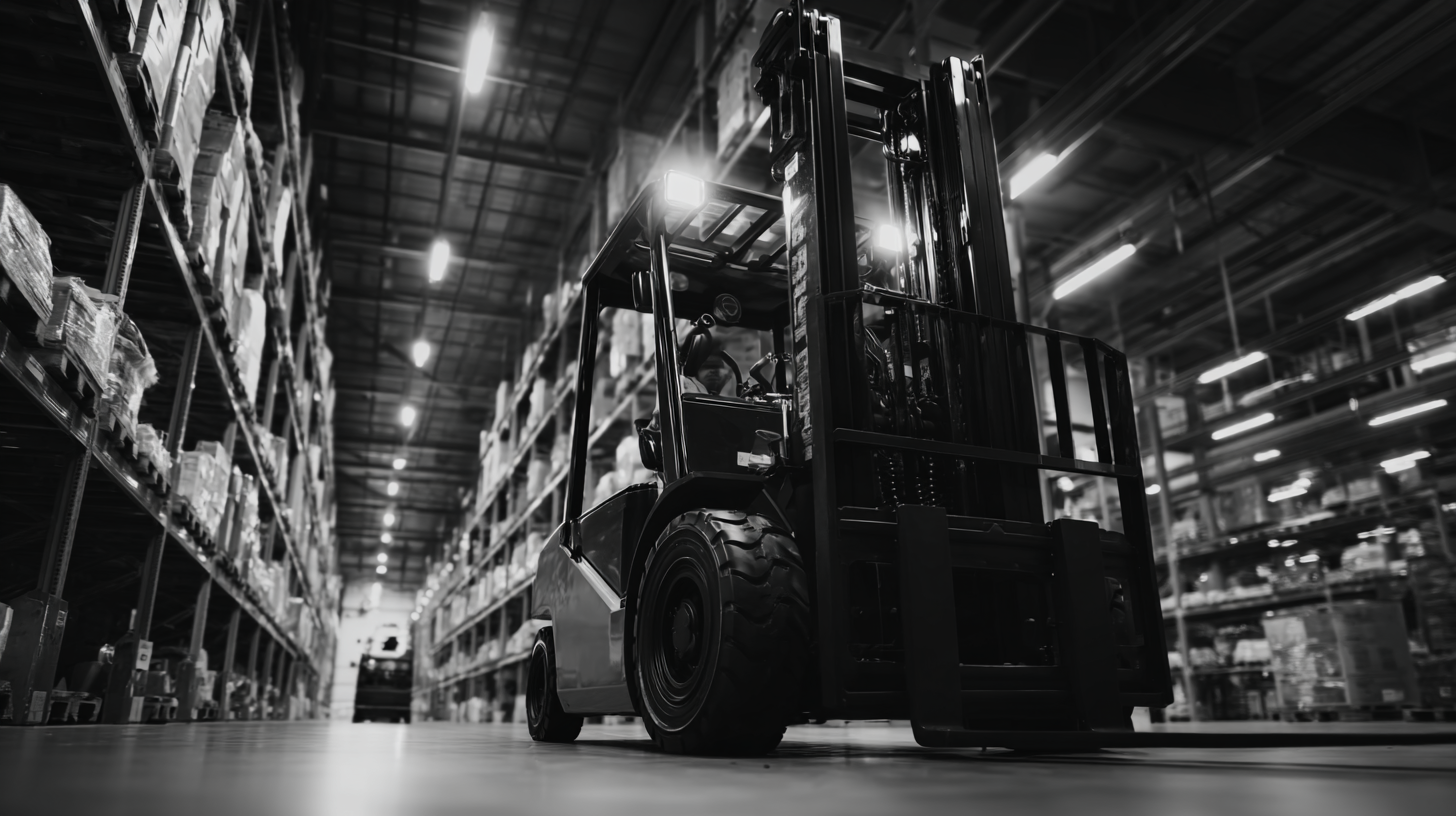
Today’s forklifts are way better equipped with all these high-tech safety features—things like improved visibility, cameras, and sensors that buzz if someone’s too close or if there’s a hazard. Plus, the ergonomic designs help reduce operator fatigue, which we all know can lead to accidents if someone’s tired or distracted. A report from the International Forklift Association actually shows that these safety upgrades have cut workplace accidents involving forklifts by about 20% over the last decade. And it’s not just about safety—there’s also some exciting stuff happening with autonomous forklifts, which now come with really advanced safety protocols. These systems not only help keep workers safe but also boost efficiency on the floor. All in all, it’s pretty clear that the industry is really committed to making sure everyone stays safe while getting the job done smoothly.
FAQS
utomated Guided Vehicles (AGVs) and their primary function?
By reducing manual handling, AGVs decrease physical strain on workers and minimize the risk of accidents, thereby improving overall workplace safety and operational efficiency.
AGVs can also handle loading and unloading, inventory management, and integrate with other automated systems in smart factories.
AI enables forklifts to navigate environments, optimize routes, and communicate with other machines, making the operation more efficient and safer in material handling.
Businesses should assess their warehouse layout and product flow to identify potential efficiency gains and consider implementing sensors and cameras for navigation accuracy.
Modern forklifts now have advanced safety features like improved visibility, integrated cameras, and proximity sensors, which alert operators to hazards and reduce the risk of accidents.
The introduction of safety enhancements in forklifts has contributed to a 20% reduction in workplace accidents over the past decade.
Autonomous forklifts are being developed with sophisticated safety protocols that prioritize human safety while enhancing operational efficiency.
Investing in employee training on the latest technology and safety protocols fosters a culture of continuous learning, helping the workforce adapt to emerging trends in forklift technology.
According to OSHA, forklifts are responsible for about 85 fatalities and 34,000 serious injuries annually in the U.S., prompting the need for enhanced safety designs in the industry.
Conclusion
You know, the way forklifts have evolved over the years really changed the game for material handling. I mean, we went from those manual pallet jacks to super sleek, autonomous robots—pretty amazing, right? Some key moments in forklift history show how we moved towards powered equipment, especially with electric forklifts taking center stage. They've brought tons of benefits, making things more efficient and eco-friendly. Then came the rise of Automated Guided Vehicles (or AGVs), which took warehouse automation to a whole new level, making operations smoother and more integrated.
Looking ahead, it’s pretty exciting to think about how AI and robotics are going to totally shake things up in this field. We’re talking about boosting productivity while also making safety features better—stuff that’s been a focus for years but is now hitting a new stride. And at the heart of it all is Linyi Lingong Intelligent Information Technology Co., Ltd.—they’re really pushing the envelope with R&D, helping lead the charge toward smarter manufacturing solutions in forklifts and material handling tech. It’s an exciting time for sure!