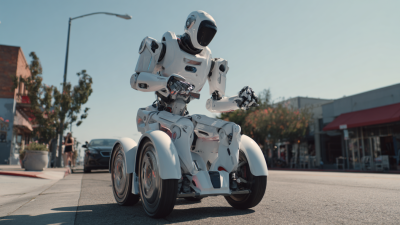
You know, the way transportation tech is evolving so quickly is pretty amazing — we're really stepping into a new era of mobility. Technologies like the so-called 'Robot On Wheel' are at the forefront of this shift, making things feel a whole lot more futuristic. I came across a report from McKinsey & Company that estimates the global autonomous vehicle market could hit around $1.6 trillion by 2030. That’s a huge leap, showing how much emphasis we're putting on automation in transportation these days. Recognizing where things are headed, Linyi Lingong Intelligent Information Technology Co., Ltd., which has been around since 2013 as a high-tech enterprise, is really committed to pushing the envelope in smart manufacturing. They’re focusing on developing automated, intelligent systems that not only boost efficiency but also answer the increasing demand for eco-friendly and innovative transport options. As they explore what ‘Robot On Wheel’ tech can do in the future, they’re really hoping to make a meaningful impact in this rapidly transforming industry — all by harnessing their know-how in intelligent manufacturing and shaping the future of mobility.
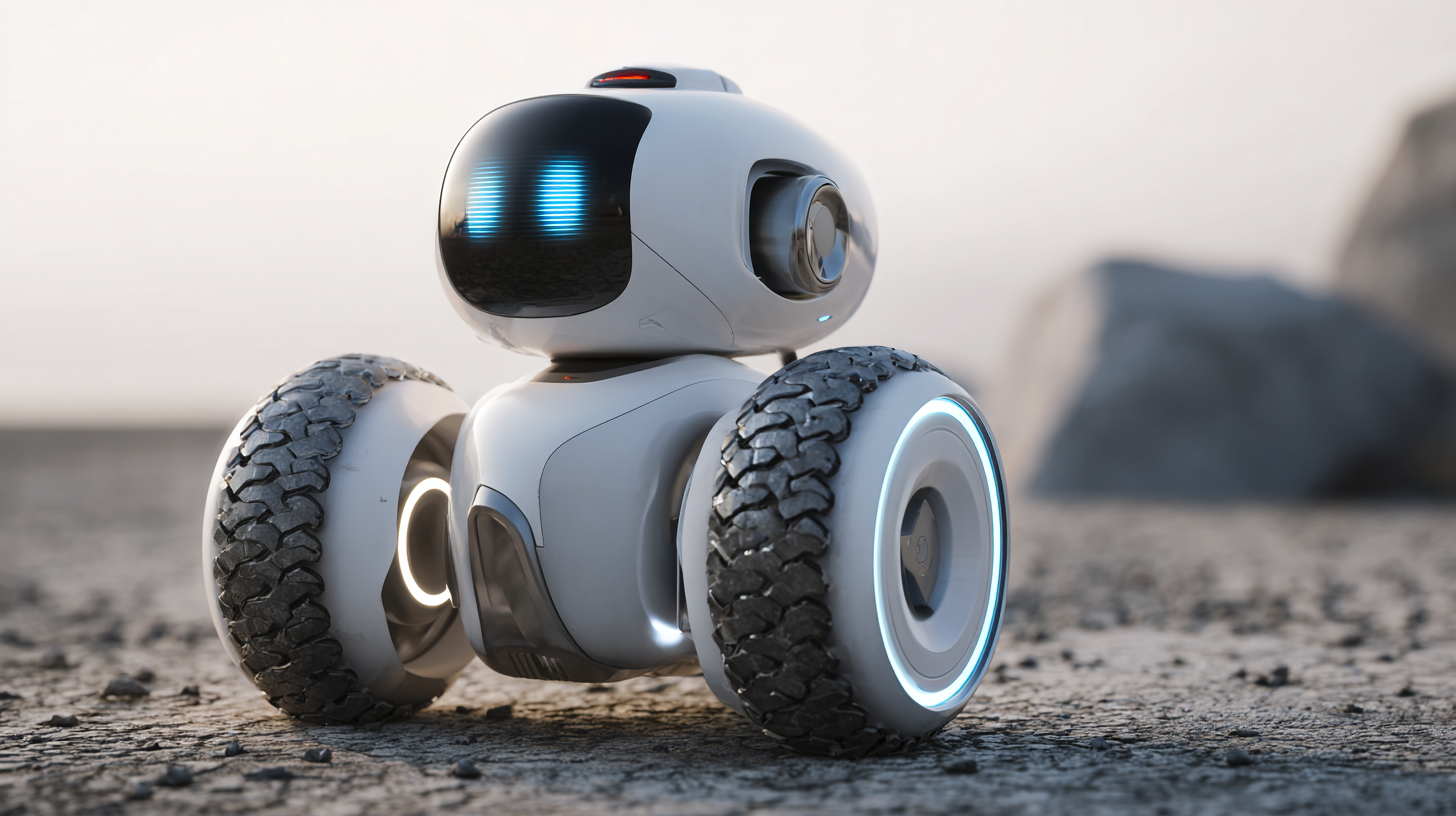
The Evolution of Mobility: A Shift Towards Robot on Wheel Technology
The way we’re moving around is really changing, and it’s all thanks to this whole new thing called Robot on Wheel technology. I came across a report from the International Data Corporation (IDC), and it’s pretty wild — they say the global market for robotics in transport will hit over over $100 billion by 2025! A big chunk of this boom is because of smarter automation and artificial intelligence stuff getting better and better. It’s pretty exciting because these innovations are supposed to help tackle some serious issues like traffic jams, pollution, and the growing need for more efficient city travel. As autonomous vehicles become more common, cities are starting to figure out how to weave these tech features into their layouts, making urban life way smarter and more flexible.
Another interesting thing I read from McKinsey & Company is that using Robot on Wheel systems could cut down traffic accidents by up to 90%. That’s a massive safety boost! Plus, it’s not just about safer roads — these robots can make travel easier for folks with disabilities or older folks who might need a bit more help. And on the eco-front, a lot of cities are pushing for greener tech, so many of these Robot on Wheel systems are electric or hybrid, which means less pollution in the city air. All in all, these exciting developments really feel like a major turning point in how we’ll get around, making transport smarter, safer, and better for the planet too.
Current Trends in Autonomous Vehicle Development and Its Market Impact
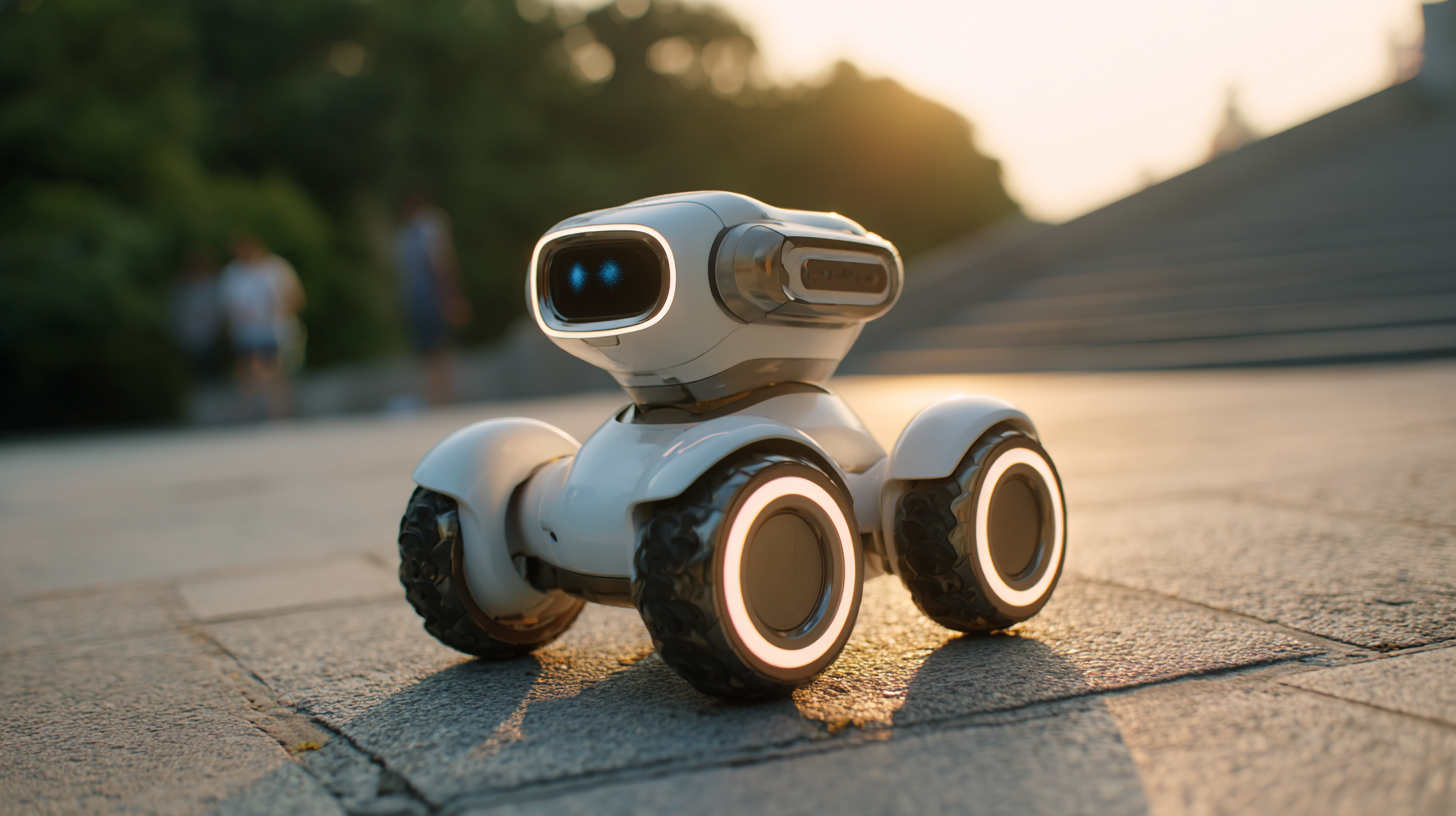 Hey, have you noticed how quickly autonomous vehicle tech is developing lately? It’s honestly been just skyrocketing. According to a report from Allied Market Research, the global market for self-driving cars could hit a whopping $566 billion by 2026. No kidding! A lot of this rapid growth is thanks to the leaps we've made in sensors, machine learning, and AI. These innovations have really taken vehicle navigation and safety to the next level. Companies like Waymo and Tesla are really pushing the envelope with their self-driving solutions, aiming to cut down accidents and make city rides smoother and more efficient.
And it’s not just about individual cars anymore — we're starting to see autonomous vehicles being integrated into city public transport. McKinsey suggests that by around 2030, shared mobility options — like autonomous shuttles and buses — could be responsible for 20-30% of all miles driven. With urban areas struggling to handle congestion and pollution, introducing robot-driven rides for shared commuting sounds like a pretty solid idea. Plus, investments in this area are only expected to grow — big players are throwing billions into R&D, which just proves that this market isn’t slowing down anytime soon. Honestly, it’s pretty exciting to think about how transportation might change in the near future, right?
Key Innovations Driving Robot on Wheel Technology Adoption
The way we get around is changing pretty fast these days, and a lot of it has to do with these cool new Robot on Wheel technologies. They’re all about making transportation more efficient, safer, and just easier for us to use. Thanks to AI, autonomous navigation, and real-time data, these robot systems are set to shake up urban mobility—making city travel way more flexible and in tune with what people actually need. Things like advanced sensors and machine learning help these robots detect obstacles better and plan the best routes, so your ride stays smooth and safe.
Here at Linyi Lingong Intelligent Information Technology Co., Ltd., we’re right in the thick of these exciting developments. We’re a high-tech company that started back in 2013, and we’re pretty passionate about creating smart manufacturing solutions. Our goal is to develop innovative products that boost how we move around while fitting seamlessly into the city’s existing infrastructure. We’re all about quality—whether it’s in our manufacturing process or the service we provide—because we truly believe that Robot on Wheel tech will become just a normal part of daily life soon enough.
The Role of Smart Cities in Shaping Future Mobility Solutions
The future of mobility is really about big changes, thanks to advanced tech and smarter cities. Just recently, at a global transportation forum, they rolled out a new city traffic model—pretty cool stuff—that shows how interconnected systems can actually make getting around town a lot easier. By using the latest connectivity tools and high-tech computing, this initiative hopes to totally reshape how we travel — making it smoother, more efficient, and better for the planet.
If you’re interested in the future of mobility in your own city, it’s a good idea to get behind local policies that push for smart infrastructure. Things like advocating for better transport tech and greener energy solutions can really make a difference.
And it’s not just about getting around. These smart city projects tend to have wider benefits—think increased economic growth, smarter urban management, and a higher quality of life for residents. For example, innovations like AI-powered smart lighting that uses renewable energy are becoming pretty essential in city planning. They help save energy and move us closer to those net-zero emissions goals. Honestly, with all this collaboration and innovation, our cities can thrive while also being kinder to the environment.
So, if you’re into the tech side of things, try to stay updated on the latest trends and get involved in community discussions. Your voice really matters when it comes to shaping a smarter, greener future for our urban spaces.
Safety, Regulation, and Ethical Considerations in Robotics Transportation
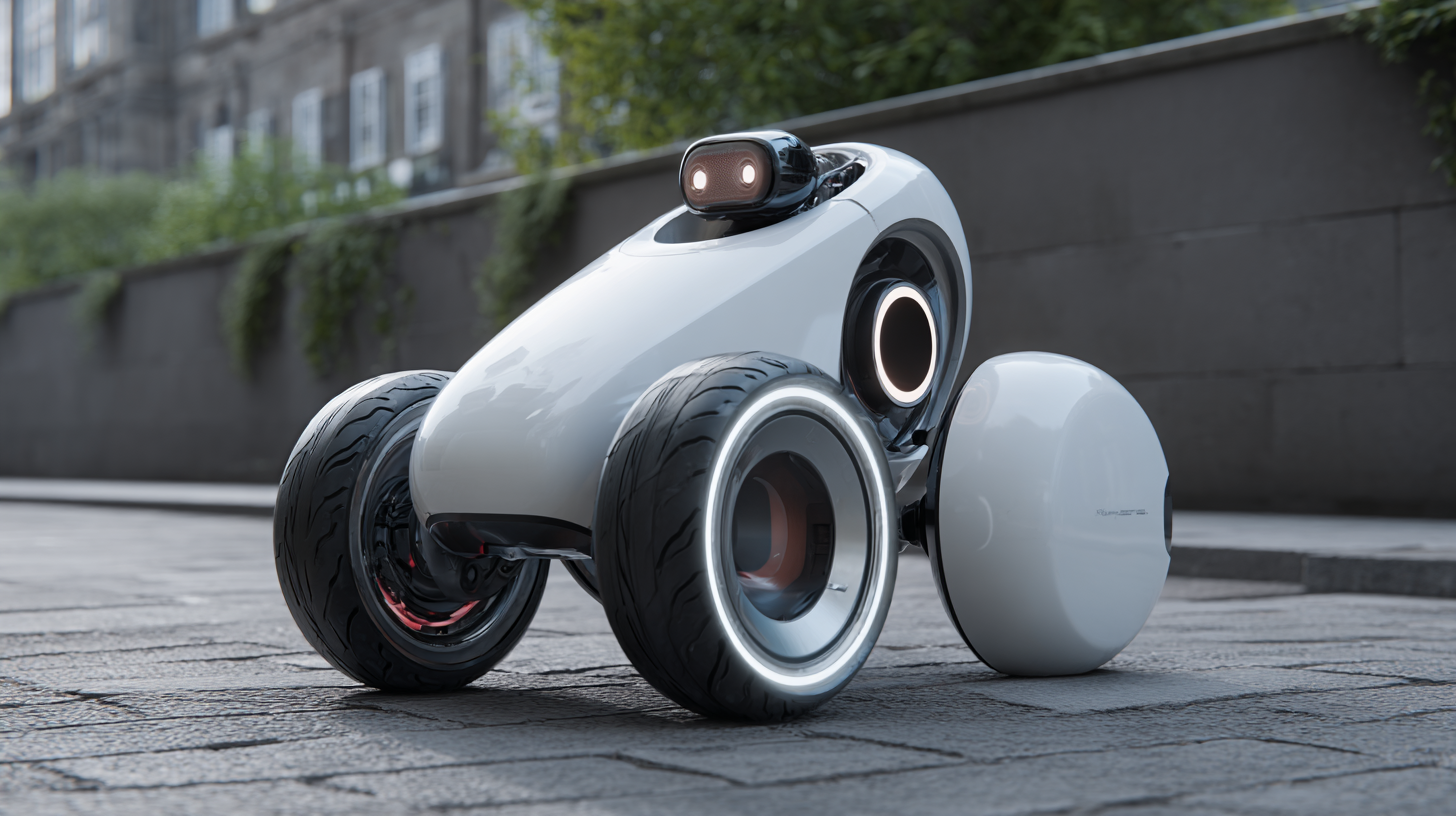
You know, the emergence of Robot-On-Wheel tech is really shaking up the way we think about transportation. It’s not just about convenience anymore—there are big safety, regulatory, and ethical stuff to consider. A report from the International Transport Forum suggests that these autonomous vehicles could actually cut down traffic deaths by as much as 90%, mainly because they make things safer and reduce human error. But, honestly, it’s not all smooth sailing—there are definitely some hurdles. Codes and rules need to catch up pretty quickly to keep things safe and build public confidence.
If you’re wondering how to keep up with all these changes, it’s smart to stay in the loop about local laws and even chat with policymakers. Getting involved can really help shape reasonable rules that balance innovation with safety. Plus, when tech creators and regulators work together, it’s easier to figure out how to bring robots into our everyday travel without too much hassle.
On the ethical side, it’s super important to think about the values baked into these algorithms. They need to prioritize human safety and reflect what society cares about. A recent study by the Brookings Institution pointed out that folks are pretty worried about privacy and accountability when it comes to AI decisions—so addressing those concerns is key to actually earning people’s trust in this new transportation mode.
To make sure everything’s above board, transparency in how decisions are made is a must. Also, bringing in different voices from various backgrounds helps ensure the technology aligns with diverse perspectives and values.
All in all, it’s a fascinating time—lots of opportunities but also some pretty important challenges to work through.
Economic Implications of Integrating Robotic Mobility Solutions into Urban Infrastructure
As more and more people move into cities, the way we think about transportation is really starting to shift—especially with talk of robots and autonomous vehicles. According to McKinsey, the global market for self-driving cars might hit a whopping $1.4 trillion by 2030, which is pretty huge when you think about how cities are handling their transport. Introducing robotic mobility isn’t just about fancy tech; it could actually cut down traffic jams by as much as 30%. That gives city planners a real chance to fine-tune public transit and make getting around way smoother for everyone.
And it’s not just that. The International Transport Forum mentioned that autonomous delivery robots could shave up to 40% off last-mile delivery costs. That’s a game-changer for online shopping and could totally shake up how retail is done in busy urban areas. Places that start pouring money into robotic infrastructure aren’t just going to see more efficient economies—they might also create new jobs in robotics and AI. Getting ahead of the curve with these techs could even put a city on the map as a real innovator, which is super important if we want our growing cities to stay sustainable and livable.
Honestly, it’s an exciting time—these technological advances could really reshape city life in a big way, making everything flow more smoothly and opening up new opportunities for growth and innovation.
Maximizing Efficiency and Precision in Automation with the 180kg Payload Six-Axis Robot RA61800
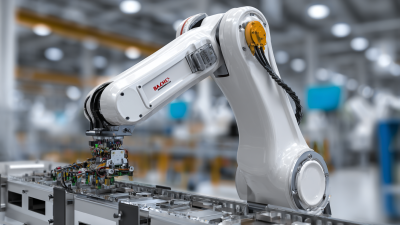
The RA61800, a cutting-edge six-axis robot, is designed to optimize efficiency and precision in automation processes. With an impressive payload capacity of 180KG, this robot excels in handling heavy objects, making it an ideal solution for industries that require robust automation solutions. The dual grippers enhance its versatility, allowing for the secure handling of various types of loads, which is crucial in environments that demand high reliability and speed.
Equipped with advanced technology, the RA61800 operates with remarkable swiftness and accuracy, significantly boosting productivity in manufacturing lines and logistics. Its durable construction ensures long-lasting performance, even in demanding settings, thereby reducing downtime and maintenance costs. This dependable robot not only streamlines operations but also enhances the overall safety and efficiency of workflows, proving to be an invaluable asset for businesses looking to elevate their automation capabilities.
FAQS
: Robot on Wheel technology refers to advanced robotic systems used in transportation that aim to improve urban mobility, enhance safety, and reduce traffic congestion through automation and artificial intelligence.
According to the International Data Corporation (IDC), the global market for robotics in transportation is projected to exceed $100 billion by 2025.
Research by McKinsey & Company suggests that the implementation of Robot on Wheel systems could reduce traffic accidents by up to 90%, significantly enhancing public safety.
These technologies utilize electric and hybrid systems, which help decrease urban pollution levels as cities adopt greener transportation solutions.
Smart cities integrate advanced technologies to improve urban mobility through interconnected systems, ultimately enhancing travel efficiency and promoting sustainability.
Individuals can advocate for local policies that promote smart infrastructure and investments in intelligent transport systems, as well as engage in community discussions about smart city developments.
Smart city initiatives can positively impact GDP growth, urban management, and the overall quality of life for residents, alongside improving transportation efficiencies.
Smart lighting incorporates AI and renewable energy, which improves energy efficiency and supports the transition to net-zero carbon cities.
Technological trends in urban transport are expected to reshape travel experiences and promote sustainable solutions through innovations in connectivity and computational technologies.
Individuals are encouraged to stay updated on technological trends in their area and participate in local discussions to emphasize the importance of smart city developments aimed at reducing carbon footprints.
Conclusion
So, I recently read this article called "Exploring the Future of Mobility with Robot On Wheel Technology," and honestly, it’s pretty eye-opening. It dives into how autonomous vehicles could totally change the way we move around, especially with these new Robot On Wheel systems gaining traction. The piece talks a lot about the latest trends in self-driving tech and how these innovations are not just improving urban transport but also shaking up entire markets. It’s exciting stuff! Plus, the article points out some key tech breakthroughs that are really pushing the adoption of Robot On Wheels, especially as cities become smarter and more connected.
Of course, safety, rules, and ethics aren’t left out—they’re super important when it comes to deploying these robotic transport systems, and the article makes sure to highlight that responsibility. And then there’s the economic side of things—the way these new mobility solutions could impact city infrastructure and business. It’s interesting to see how companies like Linyi Lingong Intelligent Information Technology Co., Ltd. are leading the way with smart manufacturing solutions to support this rapidly growing field. Overall, it’s a fascinating glimpse into what the future might hold for mobility!