Leave Your Message
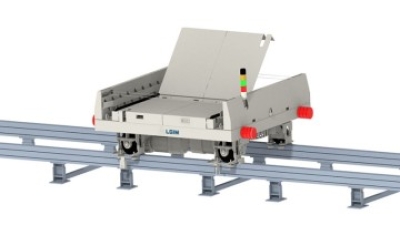
In the fast-changing world of industrial automation, Linyi Lingong Intelligent Information Technology Co., Ltd. really stands out as a national high-tech company. Founded back in 2013, they’ve been dedicated to developing smart manufacturing solutions that make a difference. One of the coolest and most game-changing innovations they've pushed is the RGV Rail Guided Vehicle. This technology is a total game-changer, helping to boost efficiency in a bunch of different industries. These automated systems are designed to make material handling smoother and cut down on operational costs — basically transforming how businesses handle logistics and production. Looking ahead, it’s pretty clear that adding RGV Rail Guided Vehicles isn’t just about making things more efficient; it also lines up perfectly with Linyi Lingong’s mission to stay innovative and deliver top-notch smart manufacturing solutions.
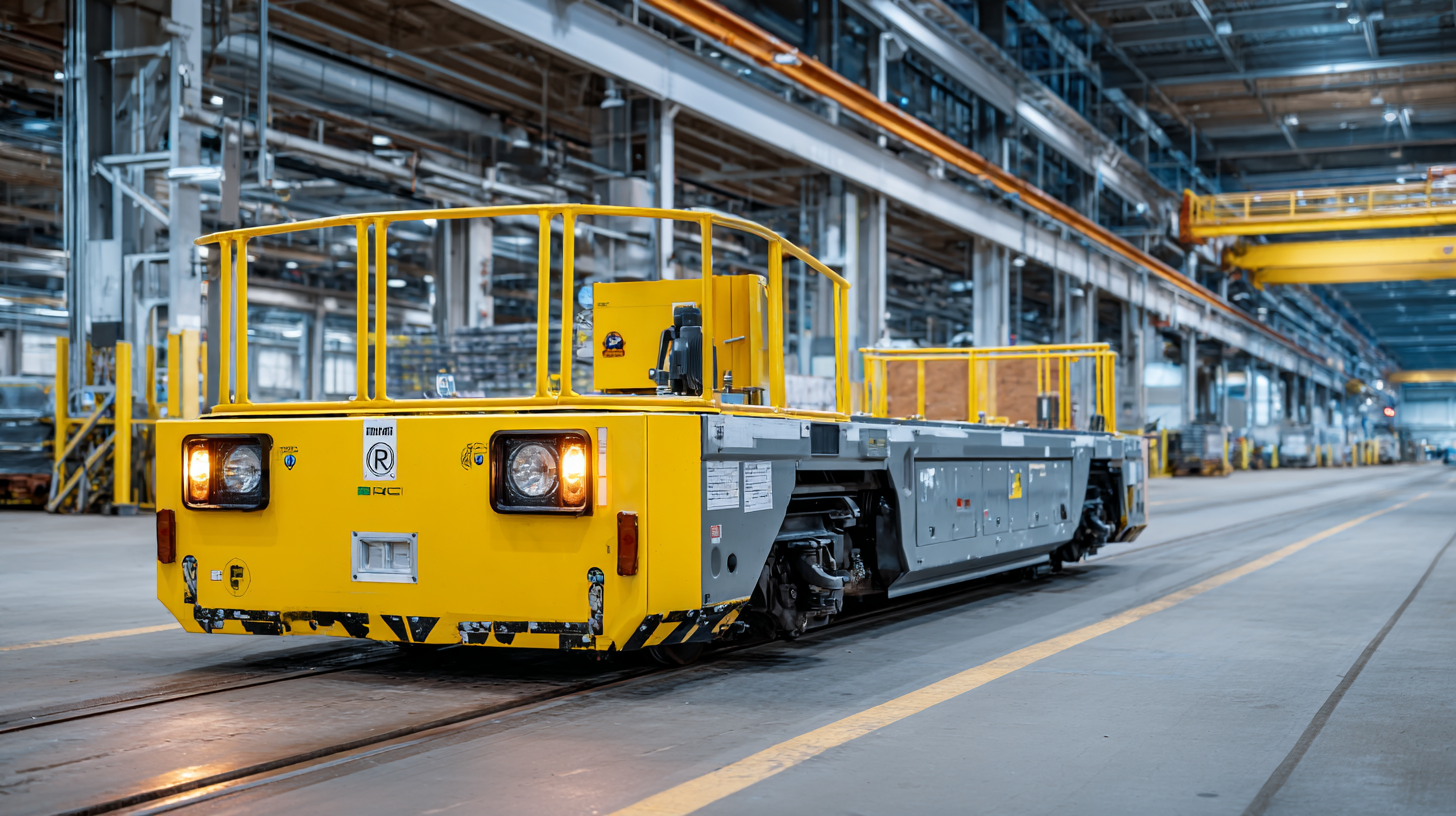
You know, RGVs—those Rail Guided Vehicles—are really leading the charge in automation these days. They’re a game-changer when it comes to making industrial processes way more efficient. Basically, these vehicles run on dedicated tracks, which helps them move smoothly and accurately inside factories or warehouse setups. One of the coolest parts? They can carry materials and products around with hardly any human help, cutting down costs and making things safer for everyone. Thanks to smart navigation and control tech, RGVs can help streamline routines, save space, and cut down on downtime, making everything run a lot more smoothly.
Plus, these systems are pretty flexible and scalable. Companies can easily add or remove vehicles based on how much production they need at the moment, so it’s a really efficient way to manage resources. And the best part? Integrating RGVs into existing setups usually doesn’t cause a big headache—no need for major overhauls. All these perks really highlight just how much RGVs can shake things up across different industries, pushing us towards a more automated, productive future.
The Future of Transportation: Exploring the Impact of High Speed Rail Guided Vehicles on Modern Mobility
As urban populations grow and the demand for efficient transportation solutions increases, high-speed rail guided vehicles (RGVs) are emerging as a transformative force in modern mobility. These vehicles are designed to operate seamlessly within high-density environments, such as warehouses, significantly enhancing storage capabilities. Unlike traditional systems, RGVs require no forklifts to navigate narrow passages, resulting in safer operations and maximized efficiency. Their adaptable design allows for customization of passage lengths, further optimizing space utilization.
Beyond warehousing, the principles behind RGVs can be applied to broader transportation contexts. High-speed rail systems that integrate guided vehicle technology can decrease travel times, reduce congestion, and lessen environmental impacts in urban landscapes. By streamlining the movement of goods and people, these systems promise to revolutionize how we think about mobility, making it more interconnected and efficient. As RGVs and high-speed rail technology continue to evolve, they will inevitably shape the future of our transportation networks, paving the way for smarter cities and improved quality of life.
: RGV systems, or Rail Guided Vehicles, operate on dedicated tracks to transport materials and products within manufacturing and logistics environments, allowing for smooth and precise movements with minimal human intervention.
The main benefits include reduced operational costs, improved safety, enhanced productivity, and optimized workflows. They also help in minimizing downtime and efficiently managing resources.
RGV systems allow businesses to easily adjust the number of vehicles based on production demands, enabling efficient resource management without significant disruption to existing systems.
For example, in an automotive manufacturing plant, RGV deployment led to a 30% increase in productivity and a nearly 25% reduction in material handling time.
The automated guided vehicle market was valued at approximately $2.29 billion in 2022 and is projected to grow at a compound annual growth rate (CAGR) of 15.6% from 2023 to 2030.
By minimizing human intervention in material handling, RGVs significantly reduce the risk of errors and accidents associated with manual processes, thereby enhancing workplace safety.
Future advancements may include improved vehicle design, enhanced navigation systems, and integration with technologies such as AI and IoT for real-time data analytics and better decision-making.
Yes, RGV systems can often be integrated into existing workflows with minimal disruption, making them an attractive option for companies looking to modernize operations.
RGV systems are becoming integral to automation trends as industries seek to streamline operations, enhance productivity, and create more agile and flexible production environments.
Companies like Linyi Lingong Intelligent Information Technology Co., Ltd. are notable for their innovations in RGV technology and intelligent manufacturing practices, contributing to industry transformation.
So, I recently came across an article about the future of automation, and honestly, it was pretty eye-opening. It digs into how RGV Rail Guided Vehicles are really changing the game in industrial settings. The piece starts off by breaking down what makes these systems so impressive—talking about their main features and the benefits they bring to the table. Basically, they're boosting automation and making operations way more efficient. Then they get into how RGV tech actually makes things smoother—cutting down costs and speeding up processes. They even share some real-world examples of companies that have successfully adopted this tech across different industries.
On top of that, the article gives some handy tips for businesses looking to integrate RGV systems into what they already have going on. The goal? A seamless transition that lets you get the most out of the new setup. Oh, and by the way, Linyi Lingong Intelligent Information Technology Co., Ltd., a leading high-tech enterprise focusing on smart manufacturing, is really leading the charge here. They're right at the forefront of this evolution, helping shape the future of automation and showing just how important RGV Rail Guided Vehicles could become in making industries more efficient.
Overall, it’s a pretty fascinating look at where automation is headed—and how these vehicles might be key players down the line.


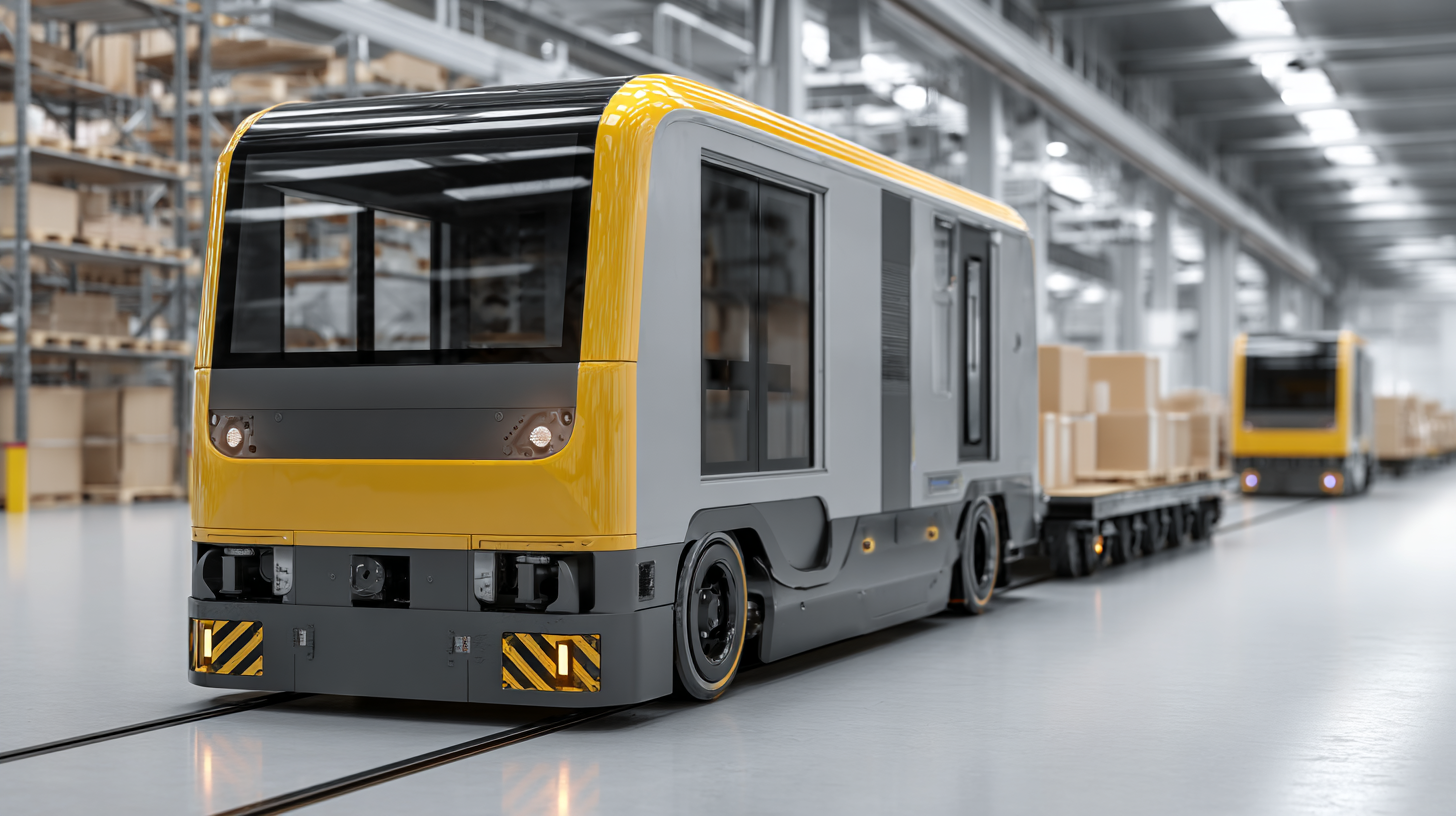
 Integrating RGV rail-guided vehicles into the daily operations can be a real game-changer for small and medium-sized businesses aiming to boost efficiency—especially given how competitive things are these days. I recently came across a report saying that SMEs could see up to a 30% improvement in their operations simply by adopting automated logistics systems. That’s pretty huge! This is especially true in fields like EV battery manufacturing, where automating production lines with RGVs helps everything run smoother and results in better quality products. Companies that jump on this technology often find that RGVs do more than just move materials—they also connect effortlessly with other parts of the logistics setup, like conveyors, elevators, and buffer stations, making the whole process more seamless.