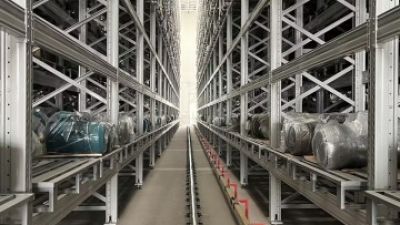
Looking ahead to 2026, the whole logistics and supply chain scene is changing at a pretty crazy pace. The Intelligent Warehouse System is really leading the charge in this shift. And according to a report from MarketsandMarkets, the market for smart warehouse automation is expected to hit around $30 billion by 2026 — that's a big jump, with an annual growth rate of about 14.2%! This boom is largely driven by the growing need for faster, more accurate operations and the ability to analyze real-time data like never before.
Big players like Amazon and Alibaba are pouring serious money into these smart warehouse techs. They’re using cutting-edge robotics and AI to streamline everything. But, of course, it’s not all smooth sailing. There are some pretty big questions hanging in the air—what about the workers? Are companies ready to handle the possible job cuts? And let’s not forget, rolling out these systems isn’t a walk in the park—there are plenty of operational hurdles and costs to consider.
All in all, the path forward for Intelligent Warehouse Systems is going to need some careful planning. Working out how to bring in new tech without leaving folks behind will be key to making these innovations successful. The road to smarter warehouses is packed with both great opportunities and tricky challenges—that’s just the reality of this exciting change.
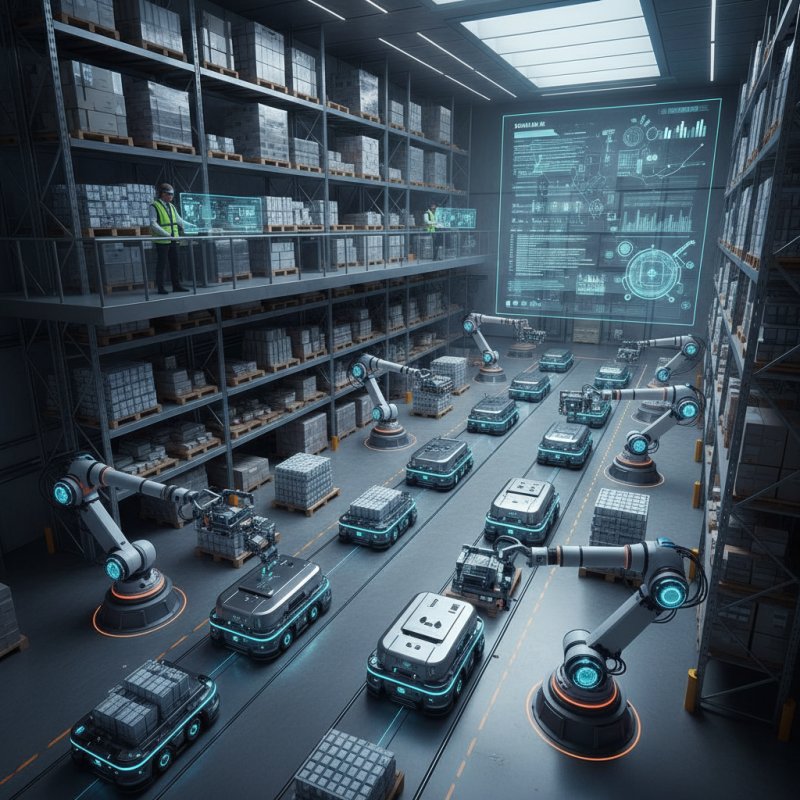
What Are Intelligent Warehouse Systems and Their Current Impact?
Intelligent warehouse systems are transforming how goods are stored and managed. These systems integrate advanced technologies like AI and IoT. They enable real-time tracking and automation, which enhances efficiency. According to a report by ResearchAndMarkets, the intelligent warehouse management market is expected to exceed $30 billion by 2025. This growth indicates a rising reliance on automation in logistics.
Currently, intelligent systems manage inventory with remarkable precision. They reduce human error by up to 40%, streamlining operations. Furthermore, an Allied Market Research report highlights that these systems can increase order fulfillment speed by 30%. However, some challenges persist. Integration with legacy systems remains a significant hurdle.
Data security is another concern. With more connectivity, vulnerabilities can emerge. Companies must invest in robust cybersecurity measures. The focus on user training is equally crucial. As technology advances, employees need to adapt continuously. Balancing innovation and practical implementation will be key in maximizing benefits in warehousing.
Projected Growth of Intelligent Warehouse Systems by 2026
The future of intelligent warehouse systems looks promising, with projections indicating substantial growth by 2026. According to a recent market report, the global intelligent warehouse market is expected to reach $27 billion by the end of 2026. This growth is driven by advancements in automation and artificial intelligence. These technologies enhance operational efficiency and accuracy.
Stacking Intelligent Warehouse systems will play a crucial role in this expansion. They streamline inventory management and optimize space utilization. Automation in stacking processes reduces human error and speeds up operations. Nevertheless, adopting these systems presents challenges. Integration with existing warehouse operations can be complex, and the initial investment remains a barrier for some businesses.
Additionally, workforce adaptability is critical. Employees may require training to work alongside advanced systems. Some may resist these changes, fearing job loss. Companies must address these concerns, ensuring a smooth transition to intelligent practices. The future is bright but requires thoughtful implementation and ongoing evaluation of technological impacts.
Key Technologies Driving Intelligent Warehouse Innovations
The future of Intelligent Warehouse Systems is bright, driven by several key technologies. Automation continues to reshape how warehouses operate. Robots are now performing tasks with precision, reducing human error and enhancing efficiency. These machines can sort, pack, and transport items swiftly, leading to faster operations.
Artificial Intelligence (AI) plays a crucial role in optimizing warehouse management. AI analyzes data to predict inventory needs. This reduces waste and ensures products are available when needed. Machine learning algorithms improve over time, enabling better decision-making.
Tip: Regularly update your inventory management strategies. This helps maintain efficiency and reduces stock discrepancies.
Integrating IoT devices also enhances visibility in warehouses. Sensors track inventory in real-time, providing valuable insights. This connectivity fosters better communication between systems and personnel.
Tip: Invest in training your staff on new technologies. Skilled employees can leverage tools effectively, driving the intelligent warehouse's success.
Challenges remain, such as the need for cybersecurity. As technology evolves, so do the threats. Businesses must prioritize securing their intelligent warehouse systems to protect sensitive data.
Impact of AI and Automation on Warehouse Efficiency
The rise of artificial intelligence and automation is dramatically reshaping warehouse operations. In 2026, intelligent warehouse systems are expected to optimize processes significantly. Robots will handle repetitive tasks, allowing human workers to focus on complex roles. This shift could enhance productivity and reduce errors in inventory management.
However, the integration of AI isn’t without challenges. Many facilities may struggle with the transition. Employees might resist new technology, fearing job loss. Additionally, data security becomes a concern as systems become more interconnected. The balance between efficiency and privacy must be carefully monitored.
Despite these hurdles, the potential benefits are immense. Efficiency gains from automation can transform supply chains. With AI analyzing real-time data, decision-making can become more agile. This means faster response times to market changes. As organizations adapt, they must address the human element alongside technological advancement.
Benefits of Intelligent Warehouse Systems in Supply Chain Management
In 2026, intelligent warehouse systems will redefine supply chain management. These advanced systems integrate artificial intelligence to enhance efficiency, accuracy, and adaptability. The use of data analytics helps identify patterns in inventory flow, guiding decisions for optimal stock levels. Adopting a Warehouse Stacking System can maximize space utilization. It allows for better organization and quicker access to products.
One significant benefit is the reduction of operational costs. Automated processes minimize human error, streamlining procedures. However, it's important to recognize potential challenges. Implementation costs and the need for skilled personnel can create hurdles. Organizations must remain adaptable and be prepared to train staff on new technologies. Flexibility in operations is crucial as market demands shift rapidly.
Additionally, real-time tracking solutions contribute to improved transparency and accountability within the supply chain. Accurate data allows for immediate adjustments, enhancing customer satisfaction. Despite the advantages, some firms may struggle with integrating these systems into existing structures. It necessitates a thoughtful, phased approach to ensure success and avoid disruption. Balancing innovation with practicality will be key to harnessing the full benefits of intelligent warehouse systems.
What is the Future of Intelligent Warehouse Systems in 2026?
| Year | Technology | Benefit | Impact on Supply Chain |
| 2026 |
Automated Guided Vehicles (AGVs) | Increased efficiency in material handling | Reduces lead times and improves inventory accuracy |
| 2026 | Robotics Process Automation (RPA) | Cost reduction through labor optimization | Facilitates a more streamlined operation |
| 2026 | IoT Sensors | Real-time inventory monitoring | Enhances visibility and traceability across the supply chain |
| 2026 | Artificial Intelligence (AI) | Improved decision-making through predictive analytics | Enables proactive management of supply chain disruptions |
| 2026 | Blockchain | Enhanced security and transparency in transactions | Builds trust among supply chain partners |
Challenges Facing the Adoption of Intelligent Warehouse Systems
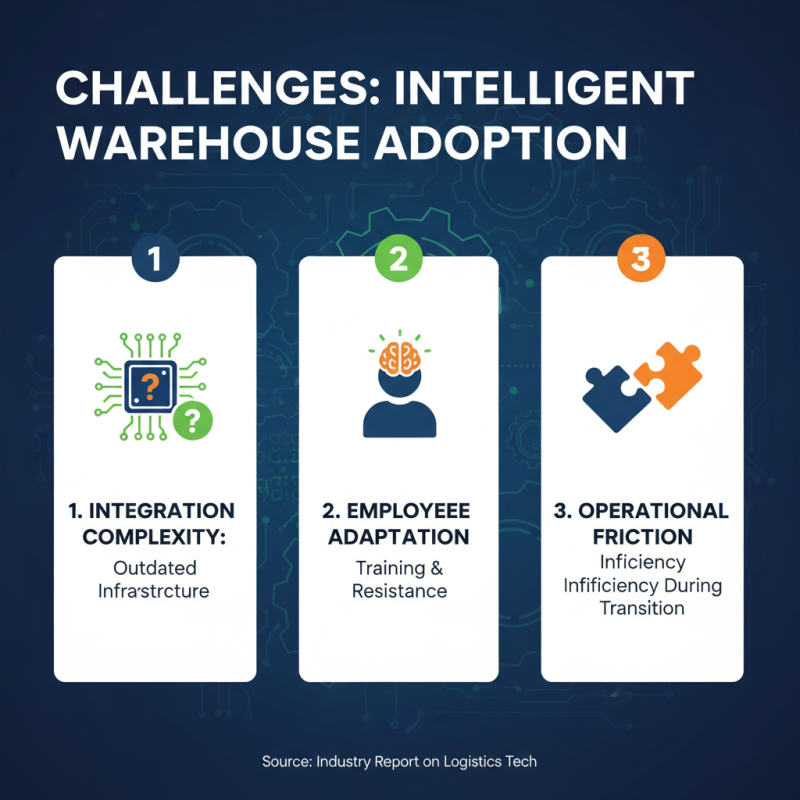
The adoption of intelligent warehouse systems faces several significant challenges. First, integration with existing infrastructure can be complex. Companies often use outdated technologies that resist seamless upgrades. This creates friction in training and implementation. Additionally, employees may struggle to adapt to new systems, leading to inefficiencies.
Security concerns are paramount. Warehouse systems hold vast amounts of data, making them targets for breaches. Companies must invest in cybersecurity measures to protect this information. Without robust safeguards, organizations may hesitate to adopt new technologies. This hesitation can stifle innovation and growth.
Tips: Encourage a culture of continuous learning. Regular training sessions can help staff adapt to new systems. Conduct cyber-awareness workshops to address security concerns actively. Dividing tasks into smaller projects can also ease the transition. Evaluate new technologies carefully to ensure they fit your specific needs.
Future Trends: Sustainability and Smart Logistics in Warehousing
In the rapidly evolving world of warehousing, sustainability is becoming essential. By 2026, intelligent warehouse systems will integrate smart logistics practices. This shift will focus on reducing carbon footprints and optimizing resources. For instance, energy-efficient Asrs System Warehouses minimize energy consumption through automated processes. These systems help to streamline operations while being eco-friendly.
Logistics will also prioritize transparency and data sharing. Leveraging IoT devices, warehouses can monitor their environmental impact. For example, tracking energy usage can lead to better practices. However, implementing such technologies is not without challenges. The cost of upgrading legacy systems can be high. Many warehouses may struggle to keep pace with innovation.
Another area for consideration is workforce adaptation. As technology advances, staff may need retraining. This transition can create friction in traditional roles. Balancing automation and human labor will be key. It raises questions about job security and skills enhancement. While intelligent systems like ASRS offer efficiency, they also require thoughtful integration to ensure a smooth transition.
Enhancing Warehouse Efficiency: The Role of Linyi Lingong Intelligent Shelf System in Modern Logistics
In the realm of modern logistics, enhancing warehouse efficiency is critical to meeting the demands of a rapidly evolving market. The introduction of advanced shelving systems, such as the Cow leg shelving, plays a pivotal role in optimizing storage capacities and improving operational workflows. This storage solution is characterized by its robust multi-layer board structure supported by uniquely designed feet resembling cow legs, providing both stability and flexibility in warehouse design.
According to industry reports, the global warehouse management systems market is expected to reach approximately $5 billion by 2026, owing to the increasing need for efficient inventory management and space utilization. The Cow leg shelving system, constructed primarily from steel, boasts impressive load-bearing capabilities and durability, allowing warehouses to store a diverse range of products without compromising on safety or efficiency. This is especially important in high-demand sectors, where every inch of space counts and maximizing storage potential can lead to a significant competitive advantage.
Furthermore, efficient warehouse organization directly correlates with improved order fulfillment rates and reduced operational costs. Studies indicate that companies implementing targeted storage solutions, such as smart shelving systems, can see a decrease in handling times by up to 25%. The Cow leg shelving system's design not only addresses the issue of space but also enhances accessibility, ensuring that employees can retrieve items swiftly and efficiently. This level of efficiency is essential for modern logistics operations that strive to keep pace with the growing complexities of supply chains.
FAQS
: The intelligent warehouse market may reach $27 billion by 2026.
They utilize automation and artificial intelligence to improve accuracy and speed in operations.
Stacking systems optimize inventory management and maximize space utilization effectively.
Integration complexity and high initial investments are potential barriers for businesses.
Training is crucial. Workers must adapt to new systems, which can create resistance and anxiety about job loss.
Data analytics helps identify inventory patterns, guiding stock level decisions and improving efficiency.
Smart logistics will focus on reducing carbon footprints and optimizing resource usage in warehouses.
Real-time tracking enhances accountability and customer satisfaction through accurate data management.
Implementation costs and the need for skilled personnel can hinder adoption.
By ensuring thoughtful integration of automation with training programs to enhance skills and job security.
Conclusion
The article explores the future of Intelligent Warehouse Systems by 2026, highlighting their significance in modern logistics and supply chain management. It begins by defining Intelligent Warehouse Systems and their current impact on operational efficiency. The projected growth of these systems is examined, along with the key technologies driving their innovations, such as AI and automation, which dramatically enhance warehouse performance.
Furthermore, the article discusses the advantages of adopting Intelligent Warehouse Systems, including improved efficiency and cost savings. However, it also addresses the challenges organizations face in implementing these technologies. Lastly, the article emphasizes emerging trends, particularly the integration of sustainability practices and smart logistics, which are expected to shape the future landscape of warehousing.