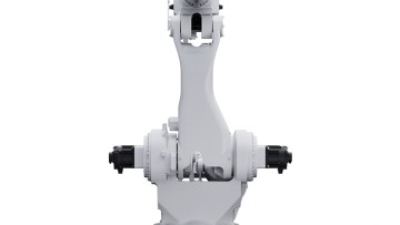
Lately, we've seen how automation tech is really changing the game for industries all around the world. One of the big stars in this shift? Joint Robots. They're becoming pretty much essential as businesses look for smarter, faster ways to get things done. The International Federation of Robotics estimates that the market for these collaborative robots is expected to hit around $12.3 billion by 2025—talk about a sign of how in demand these solutions are getting!

Here’s the thing—Linyi Lingong Intelligent Information Technology Co., Ltd., started back in 2013 as a high-tech enterprise backed by the government, and they’re really leading the charge. They focus on developing and selling core products for intelligent manufacturing, especially with joint robot tech, which helps companies boost efficiency and productivity. As more industries start using these advanced robots in their daily operations, it's pretty clear that the future of automation is looking bright—ready to shake things up in manufacturing and service sectors alike.
How Joint Robots Are Revolutionizing Automation Processes
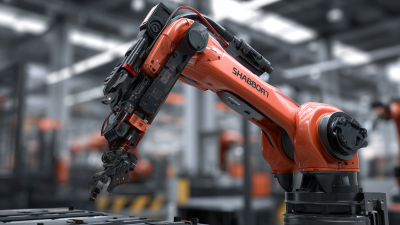
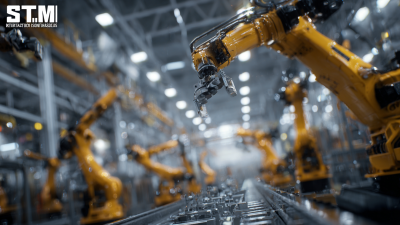
Joint robots are really shaking up how different industries handle automation these days. They’re playing a huge role in modern manufacturing and construction—no kidding. These robots, which run on some pretty advanced AI tech, are at the forefront of making things more precise and efficient. Take the auto industry, for example—recent projects show how AI helps streamline workflows by predicting maintenance needs and letting robots work autonomously. This means production lines keep running smoothly, with way less downtime. You can see how multiple companies are teaming up to really push the boundaries and get the most out of these technologies.
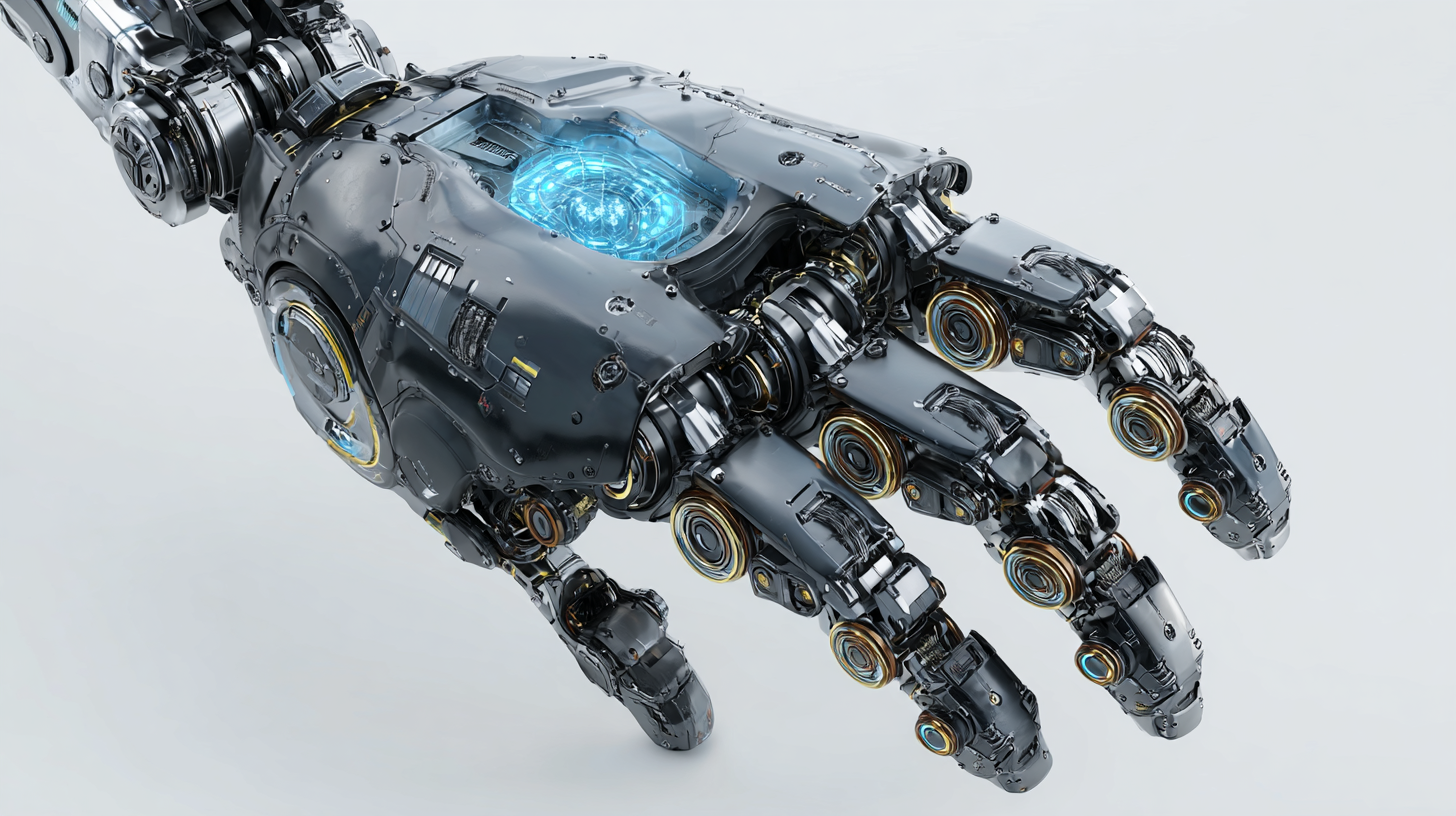
And it’s not just manufacturing; the construction world is jumping on this bandwagon too. New partnerships are popping up, all aimed at shaking up old-school methods. Integrating joint robotics into construction work is all about automating those labor-heavy jobs, which could really boost productivity and make things safer for everyone involved. There’s even a big push on using robots for complex projects like rebar installation—pretty impressive! As all these innovations keep rolling out, it’s clear that joint robots are gearing up to totally change what’s possible in automation. It’s an exciting time, with a lot of potential for smarter, faster, and more efficient industries across the board.
Key Technologies Driving the Advancement of Joint Robotics
The progress we're seeing in joint robotics is really driven by some key tech breakthroughs that tackle major challenges in a bunch of industries—especially construction and automation. Recently, there’ve been some exciting advances in how control systems work for construction robots, and honestly, these could be game-changers. They show real promise in overhauling old-school methods, fixing those pesky issues like slow work pace and safety risks on jobsites. Not only do these innovations crank up productivity, but they also push what robots can actually do to a new level.
At the same time, there’s this noticeable boom in humanoid robots becoming more mainstream, thanks to big collaborations and loads of investment. It’s pretty clear we’re at a turning point here. We’re seeing thousands of these humanoid machines find their way into different sectors, plus there are breakthroughs in wearable robotic tech that makes interacting and working with robots way easier. All these advancements are pretty much set to change the game when it comes to how humans and robots work together. As companies keep honing these underlying techs, the future of robotics looks super promising—full of smarter, more integrated automation solutions that could really transform industries down the line.
Applications of Joint Robots in Various Industries
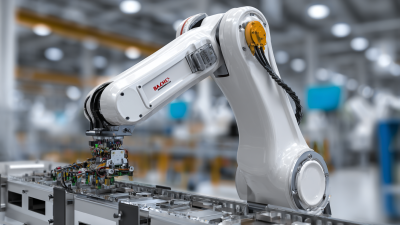
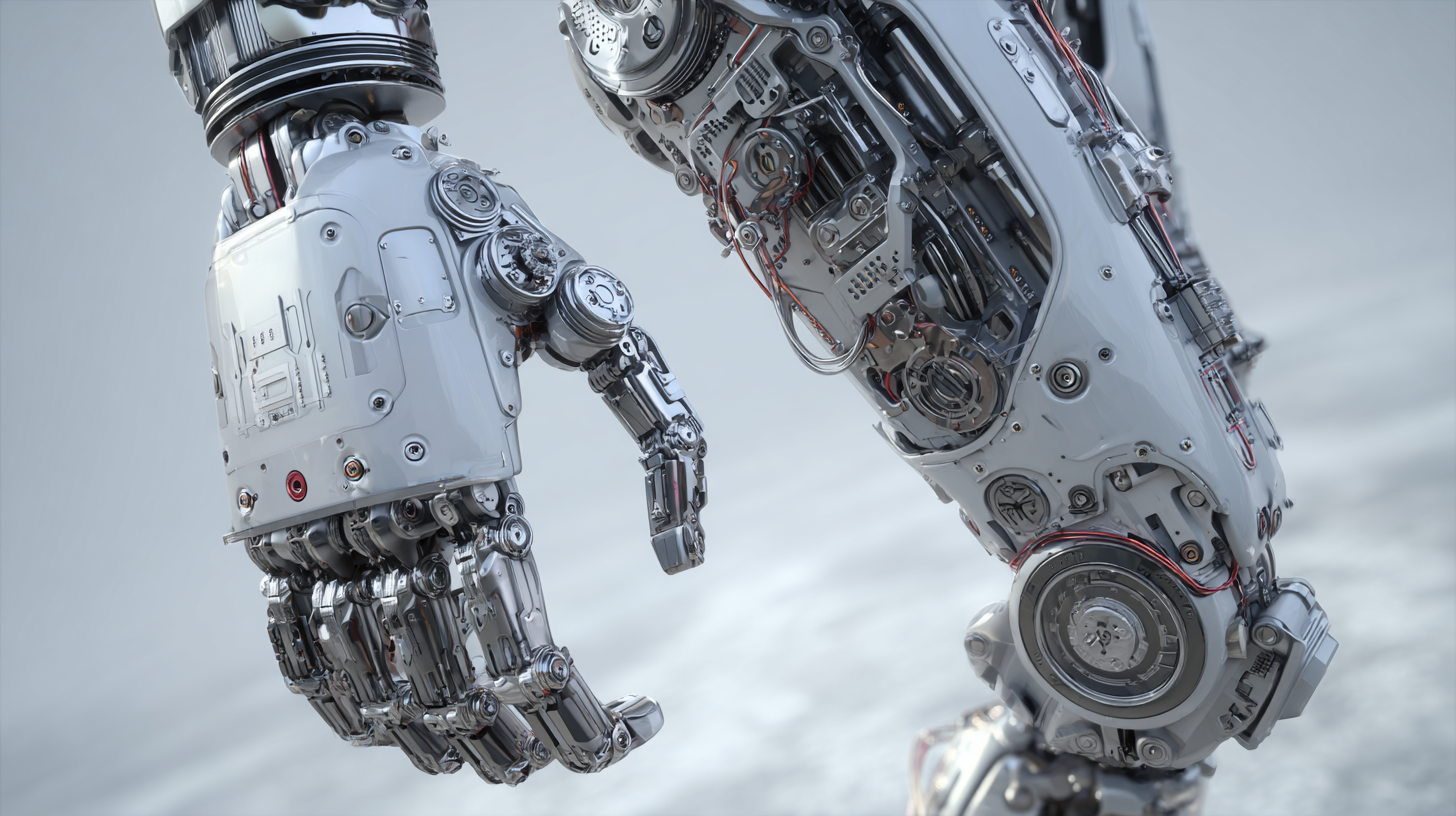
You know, the way joint robots are being integrated into different industries is really changing the game when it comes to automation. These machines are super versatile, and nowadays, you're seeing them everywhere— from manufacturing and logistics to healthcare and even agriculture. In manufacturing, for example, they’re performing really intricate assembly tasks with a level of precision that humans just can’t match, which means productivity gets a boost, and mistakes are cut down. Plus, because they can switch between different jobs so easily, they’re a real asset in industries that need flexibility and efficiency.
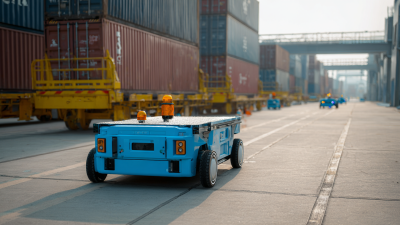
Over in logistics, these robots are helping streamline the whole supply chain. They’re doing tons of work in warehouses—sorting, packing, moving stuff around—which saves a ton of time and makes things run a lot smoother. And in healthcare, they’re even helping out during surgeries, providing incredible accuracy and support to doctors, leading to better patient outcomes.
Here’s a little tip if you’re thinking about bringing joint robots into your business: it’s really important to start by figuring out what your specific needs are. Getting your staff involved from the get-go can make a huge difference—listening to their insights can help the tech fit in better and actually improve how things work overall. And don’t forget, investing in proper training for your team is key. That way, everyone can work together effectively, creating a more collaborative environment where humans and machines team up nicely.
Exploring the Future of Joint Robots in Advanced Automation Technologies
| Industry | Application | Benefits | Future Trends |
| Manufacturing | Assembly Line Automation | Increased efficiency and precision | Integration with AI and IoT |
| Healthcare | Surgical Assistance | Enhanced accuracy and reduced recovery time | Telemedicine and remote operations |
| Agriculture | Crop Picking | Labor cost reduction and improved yield | Use of drones and autonomous vehicles |
| Logistics | Warehouse Automation | Faster order fulfillment and inventory management | Robust supply chain integration |
| Mining | Exploration and Drilling | Improved safety and reduced environmental impact | Automation of hazardous tasks |
Challenges and Solutions in Implementing Joint Robots
When it comes to using joint robots in cutting-edge automation tech, there are quite a few hurdles to overcome. A big challenge is actually building robots that can do complex tasks as smoothly as a human hand. Even with all the progress in AI these days, mimicking the fine motor skills and flexibility of human gestures isn’t simple at all. That said, recent advances like nonlinear model predictive control and clever algorithms—especially for solving inverse kinematics—show that researchers are really pushing to make robots smarter and more capable.
If we want these joint robots to work well in different environments, it's super important to focus on good sealing tech. Better seals mean the robots can run smoothly and be less prone to damage, which helps them last longer. Plus, adding deep learning into their systems can boost their problem-solving skills, letting them make decisions faster and get tasks done more efficiently.
In the fast-moving world of robotics, collaboration between tech companies is actually driving some pretty exciting breakthroughs. By tapping into the latest computational tools, these joint robots are getting better at handling unpredictable situations—something that's pretty crucial for their use in industries like manufacturing and healthcare. Honestly, the future of robotics looks pretty bright, as long as we keep tackling these challenges head-on.
Future Trends and Innovations in Joint Robot Design
The future of joint robots in advanced automation? Honestly, it looks pretty bright, especially with all the recent breakthroughs in humanoid designs. You know, as artificial intelligence keeps getting better, we're kind of seeing this cool merge of tech and creativity—robots now can do stuff we’d only dreamed of before. For example, those humanoid robots showcased at big exhibitions? They’re pretty impressive, showing off their skills in all kinds of places, from museums to entertainment venues, and honestly, they just blow people's minds.
Most exciting is how companies doing R&D—like Linyi Lingong and others—are really pushing the envelope. These robots can chat with visitors, create art, even guide people around. It’s pretty wild to think about how they might soon improve experiences everywhere—from schools to hospitals. When you combine smart management systems with these advanced features, it’s obvious that our daily lives are about to get a whole lot more automated in a way that feels natural and helpful. So yeah, as these companies keep innovating, I really believe joint robots are on track to totally transform how we interact with technology and change the game across industries.
Trends in Joint Robot Developments for Advanced Automation Technologies
The chart above illustrates the projected increase in investment in joint robot technology over the next five years. As we explore the future of automation technologies, it's evident that the trend towards more sophisticated joint robots is driving substantial financial commitment, reflecting advancements in design, functionality, and applicability across various industries.
Exploring the Capabilities and Applications of the 400kg Payload Six-Axis Robot RA6400 in Industrial Automation
The RA6400 six-axis robot, designed to handle a whopping 400 kg payload, stands at the forefront of industrial automation technology. Its impressive long reach and robust construction enable it to efficiently manage ultra-heavy load tasks across various manufacturing environments. With a high-speed parallel link structure, the RA6400 not only enhances productivity but also optimizes workflow, allowing for a seamless integration into existing automation systems.
The versatility of the RA6400 is underscored by its ability to perform a wide range of applications, from heavy lifting in assembly lines to intricate machining processes. Its advanced motion control technology ensures precision and reliability, making it a valuable asset for industries that demand both strength and accuracy. In addition, the design of the RA6400 allows for easy programming and adaptability to specific operational needs, further streamlining manufacturing processes and reducing downtime.
FAQS
: Joint robots are advanced robotic systems that are transforming automation processes in various industries by enhancing precision and efficiency, particularly in manufacturing and construction.
Joint robots are being deployed in multiple sectors, including manufacturing, logistics, healthcare, and agriculture, where they perform tasks that enhance productivity and reduce human error.
In manufacturing, joint robots perform intricate assembly tasks with high precision, which improves productivity and minimizes the likelihood of human error.
In logistics, joint robots automate warehouse operations by handling sorting, packing, and transportation of goods, which significantly reduces the time required to move products.
Joint robots assist in surgeries by providing precise support to medical practitioners, ultimately improving patient outcomes and enhancing the overall quality of care.
Companies should assess their specific industry needs and involve employees in the transition process, as their insights can facilitate a smoother integration of the technology.
Future advancements include the development of humanoid robots capable of engaging in conversations and performing creative tasks, promising to enhance user experiences across various sectors.
AI is significantly advancing joint robot capabilities, enabling them to perform complex tasks that enhance automation and interaction in everyday settings.
Innovative applications include deploying humanoid robots in museums and entertainment venues, showcasing their abilities to enhance audience engagement and experience.
Key benefits include increased operational efficiency, improved safety, substantial productivity gains, and the potential for a collaborative working environment between humans and robots.
Conclusion
The article titled "Exploring the Future of Joint Robots in Advanced Automation Technologies" digs into how joint robots are really changing the game across different industries. They’re basically reshaping efficiency and precision, thanks to hot technologies like AI, machine learning, and super-smart sensors. Companies like Linyi Lingong Intelligent Information Technology Co., Ltd. are pushing the envelope even further, opening up tons of new possibilities — from manufacturing to logistics and beyond.
Of course, it’s not all smooth sailing. Bringing joint robots into existing systems comes with its own set of hurdles, like needing specialized skills and making sure everything plays nicely together. The article talks about some possible solutions for these issues and gives a peek into what trends and innovations might be coming next in robot design. It really shows how these robots could be key players in creating smarter, greener manufacturing setups. With all these advancements happening, it’s pretty clear that joint robots are going to be a big part of how automation evolves down the line.