Leave Your Message
0%

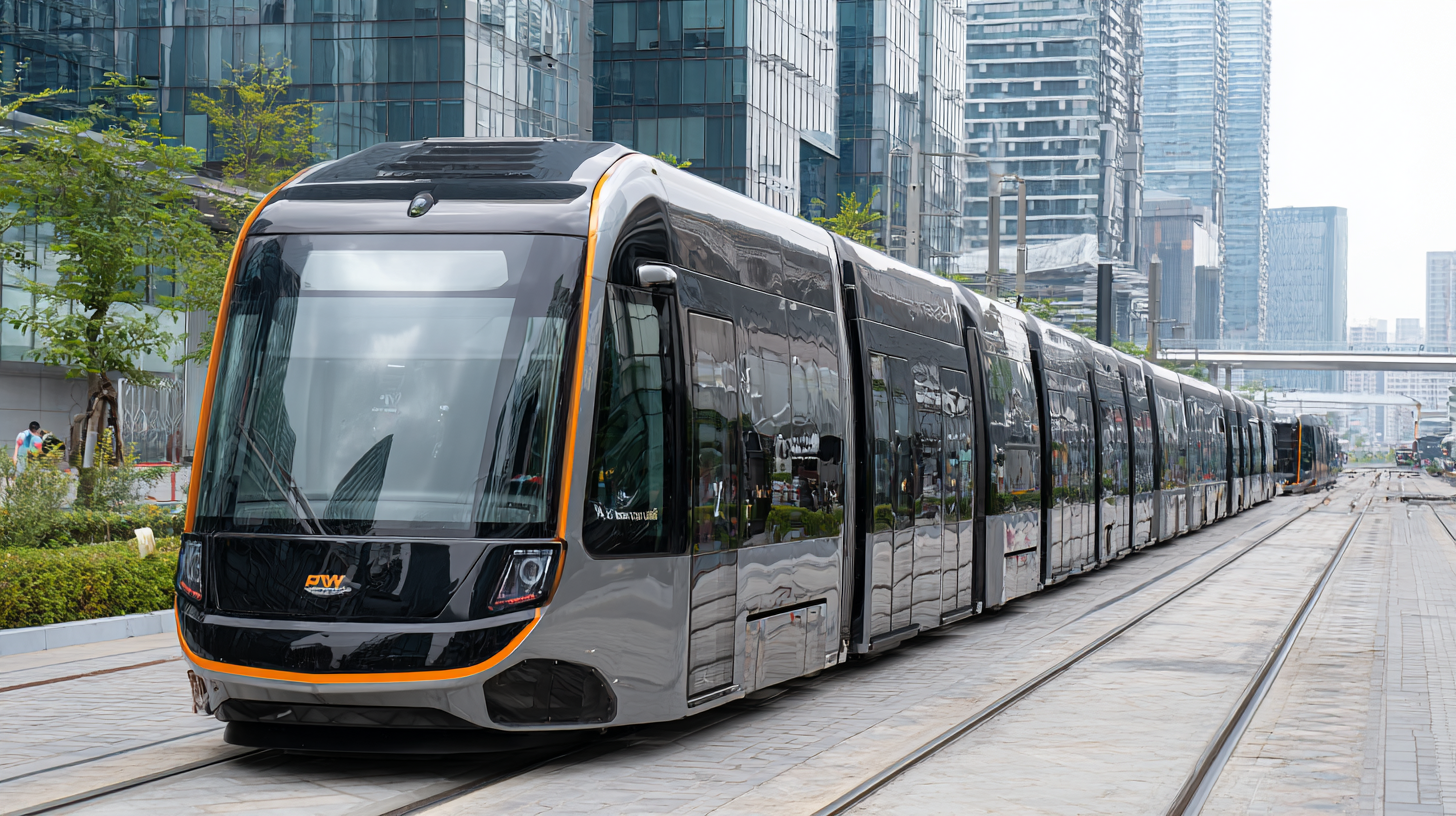
As big cities keep growing, it’s becoming more obvious that smart city projects are really key to tackling the ways we get around. One thing that’s catching attention is the RGV Rail Guided Vehicle (or RGV-GV for short) technology — it’s a game-changer that fits right into the digital DNA of modern urban environments. The World Economic Forum points out that, by 2030, urban transport solutions will need to cut down traffic jams by about 30% if we want city living to stay livable. And here’s the cool part: RGV-GVs could really help hit that goal by offering a more efficient and eco-friendly way to get around.
Exploring the Future of Transportation: How RGV Rail Guided Vehicles are Shaping Smart Cities

On the market side of things, global sales for autonomous rail guided systems are expected to hit around $6.2 billion by 2027, with an annual growth rate of roughly 8.1% from 2020 onward, according to ResearchAndMarkets. This surge is driven by the rising hunger for smarter public transport options — things that cut down on pollution but also make transportation more accessible for everyone. RGV-GVs are leading the charge here, giving cities the power to roll out flexible, on-demand transit systems. These are super important for making urban mobility smoother and cutting down reliance on older, less efficient transport modes. When you start looking at how RGV tech meshes with the goals of smart cities, it’s pretty clear that these innovations are going to shape how we get around in the future — and make city life a lot better overall.

The Role of RGV Rail Guided Vehicles in Urban Mobility Solutions

You know, as cities keep growing and changing, it’s becoming more and more important to include Rail Guided Vehicles—those RGVs—in our urban mobility plans. I read a report from the International Transport Forum that said these rail-guided systems could cut down city congestion by up to 30%. That’s pretty impressive, right? They’re a really handy alternative to regular public transport—more reliable, more efficient, especially in busy, crowded city areas. It’s like they’re built for the hustle and bustle of city life.
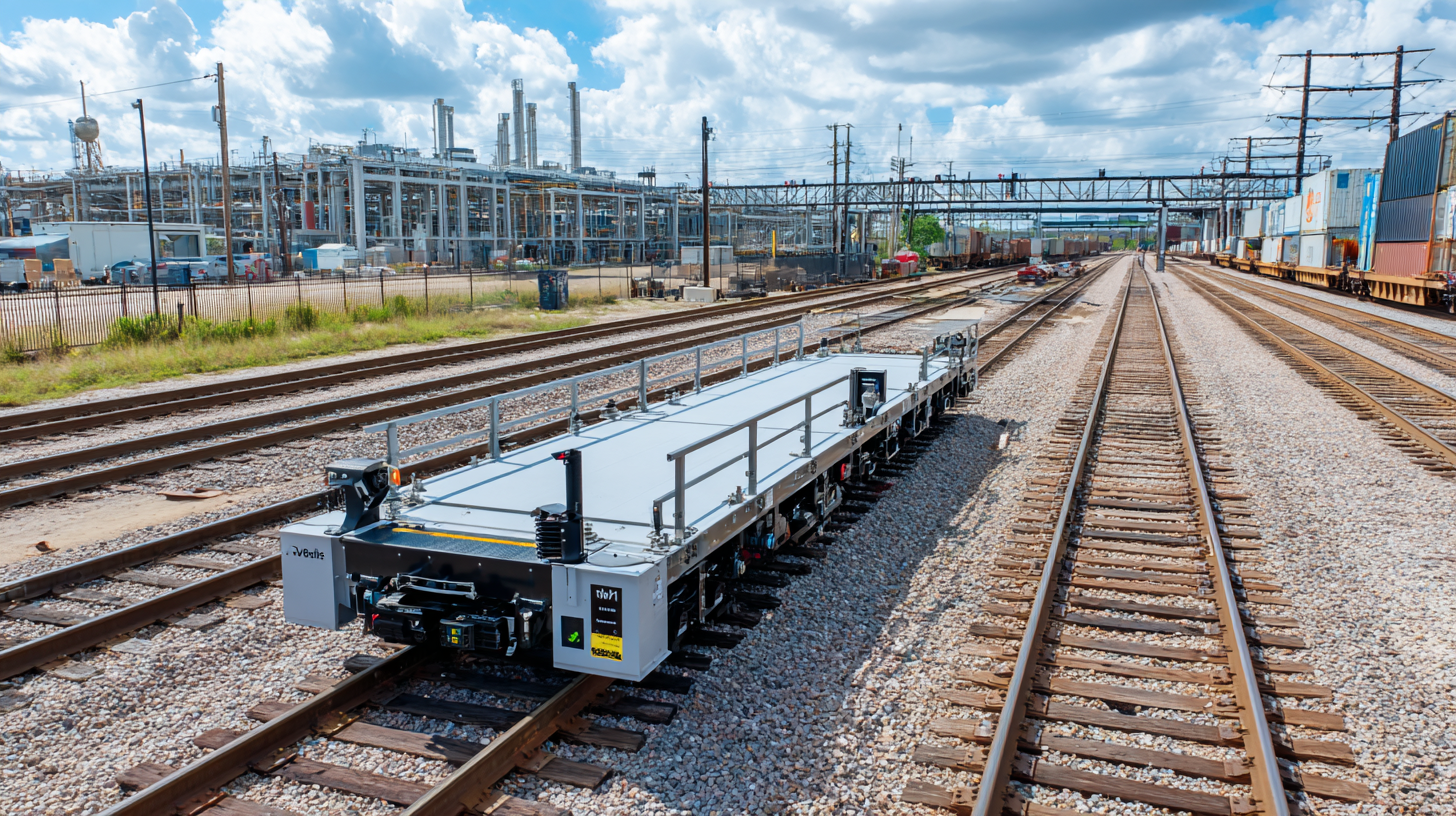
Exploring the Future of Transportation: How RGV Rail Guided Vehicles are Shaping Smart Cities

Plus, RGV systems aren't just about convenience; they’re also more eco-friendly. Since most of these vehicles run on electricity, they have a smaller carbon footprint than buses or cars. The Federal Transit Administration mentions that electric rail systems can slash greenhouse gases by around 45% compared to diesel-powered options. So, as cities move towards smarter, greener ways to get around, dropping RGVs into the mix makes a lot of sense. Not only does it help connect neighborhoods better, but it also pushes us a little closer to a more sustainable future for transportation—something we all really need right now.

Integrating Smart Technologies with RGV Rail Systems

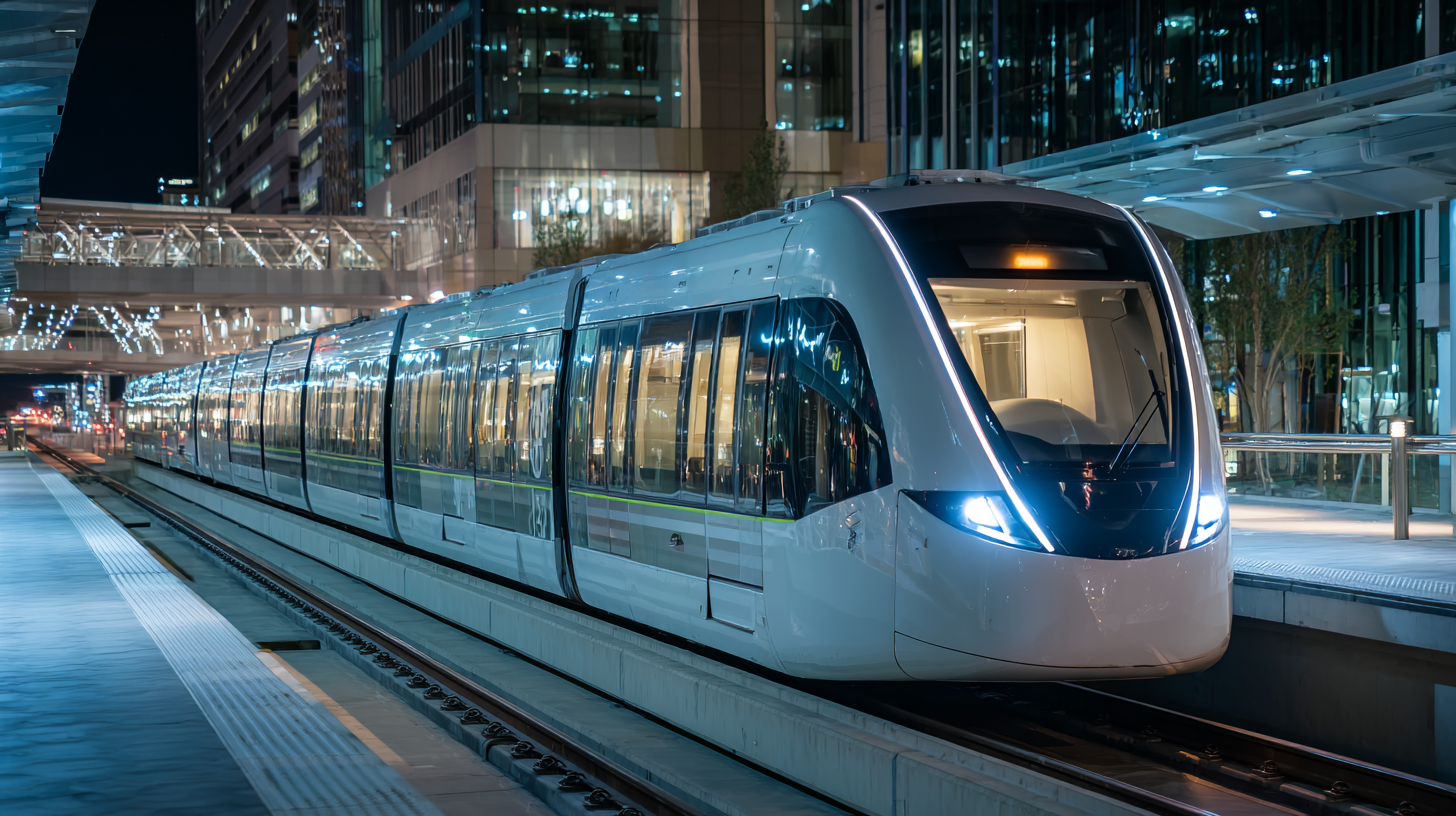
You know, the way smart tech is being integrated with RGV rail systems is really changing the game for urban transportation. Cities are now turning into super-smart environments, all thanks to these guided vehicles that use the latest gadgets like IoT sensors, real-time data analysis, and AI. They’re basically working behind the scenes to make routes more efficient and improve how people experience their rides. By keeping an eye on passenger numbers and system performance, RGV rail systems can quickly adapt to what the city needs at any moment—helping to cut down congestion and get people to their destinations a lot faster.

And it’s not just about the trains or guided vehicles — these smart systems connect different kinds of transportation smoothly. Things like mobile ticketing and handy apps mean folks can plan their trips easily—switching from the train to a bus or even a bike-share without a hassle. This kind of seamless, multi-modal setup makes urban transit feel more integrated and user-friendly, encouraging more people to hop on public transit. Plus, it’s a boost for sustainability goals, too. As cities strive to come up with smarter transportation solutions, RGV guided vehicles are playing a crucial role in shaping a future where urban transit is more efficient and way more connected.

Exploring the Future of Transportation: How RGV Rail Guided Vehicles are Shaping Smart Cities

Dimension Description Impact on Smart Cities
Guided Vehicle Technology Implementation of autonomous guided vehicles (AGVs) that follow predefined paths Enhances public transport efficiency, reduces congestion
Smart Infrastructure Integration of AI and IoT in transportation systems Facilitates real-time data analysis for traffic management
Sustainability Practices Reduced carbon emissions through efficient transport networks Promotes eco-friendly urban development
User Experience Enhancements Innovative apps and interfaces for better commuter engagement Increases usage rates of public transport options
Data-Driven Decisions Utilization of big data for optimizing transport routes Enhances service delivery and planning accuracy

Environmental Impact of RGV Rail Guided Vehicles in Smart Cities

You know, incorporating Rail Guided Vehicles (or RGVs for short) into smarter city setups is pretty much a game-changer when it comes to helping the environment. I was reading this report from the International Transport Forum recently—did you know that about a quarter of all the world's carbon emissions come from transport? Crazy, right? Anyway, these RGV systems, with their electric tracks and super efficient operations, can cut down these emissions quite a bit because they depend less on fossil fuels. If cities really jump on board and build out RGV networks by 2030, they could slash greenhouse gases by nearly 30%. That would make cities a lot cleaner and healthier places to live, which is obviously a win for everyone.

Plus, RGV tech isn't just good for the environment. It also helps move people and goods around much more smoothly, which means less traffic jams and less air pollution. I came across a study in the Urban Mobility Report that claims new transit systems can cut travel times by almost 40% compared to older, more traditional traffic setups. Sounds pretty great, right? Basically, this makes life easier for those of us living in the city and even encourages folks to hop on public transport instead of using their cars all the time. As urban areas aim to be more sustainable, RGVs really stand out as an innovative solution—kind of like paving the way for greener, smarter cities down the line.

Enhancing Public Safety and Accessibility through RGV Rail Networks

As our cities keep expanding, it’s more important than ever to have transportation options that are not just efficient but also easy for everyone to use. RGV rail-guided vehicles really do offer a game-changing solution. They help make public safety better and improve accessibility within smarter city setups. These systems are designed to work smoothly alongside the existing infrastructure, giving reliable transit choices that can help cut down traffic jams and reduce accidents. Plus, by using real-time data to optimize routes, RGV networks make sure that public transport isn’t just punctual but also safe for all passengers.

Exploring the Future of Transportation: How RGV Rail Guided Vehicles are Shaping Smart Cities

On top of that, adding RGV rail vehicles supports inclusivity, making transit accessible for diverse groups—think folks with disabilities or elderly passengers. Features like low-floor designs and automated boarding make it way easier for everyone to hop on and off. And when stations are thoughtfully placed around neighborhoods, it boosts overall connectivity, making it easier for residents to get around without always relying on their personal cars. In a nutshell, by keeping safety and accessibility front and center, RGV rail guided vehicles are really helping shape smarter, more sustainable urban living places.

Future Innovations: The Next Generation of RGV Rail Guided Vehicles

As cities keep getting bigger and more complicated, the next wave of Rail Guided Vehicle (or RGV) systems is really set to shake things up when it comes to getting around in smart cities. A report from Allied Market Research predicts that the global market for autonomous rail systems will hit about $5.5 billion by 2027, growing at roughly 3.7% each year. A lot of this growth is driven by the rise of smart city projects that aim for transportation that's not only efficient but also eco-friendly and well-connected. RGV systems, in particular, are uniquely placed to work hand-in-hand with other smart tech, offering smooth and integrated mobility options that make city life easier and more convenient.

Exploring the Future of Transportation: RGV Rail Guided Vehicles Adoption Rates

This bar chart illustrates the increasing adoption rate of RGV Rail Guided Vehicles from 2020 to 2024, showcasing how the integration of such technologies is anticipated to grow significantly in smart cities.

Integrating AGV Technology in Commercial Vehicle Cab Trim Lines: An Analysis of Industry Trends and Performance Metrics

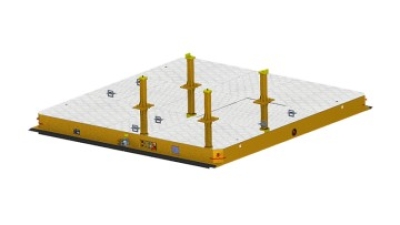
The integration of Automated Guided Vehicles (AGVs) into commercial vehicle cab trim lines is becoming increasingly essential in the automotive manufacturing sector. As manufacturers strive for greater efficiency and flexibility, Agv Technology, equipped with magnetic navigation guidance, offers significant advantages. The latest industry reports indicate that automated solutions can enhance production rates by as much as 25%, while reducing labor costs by up to 30%. This not only streamlines operations but also aligns with the increasing demand for customized cab models, accommodating various installation requirements, including front and rear glass, sun visors, and air intake ducts.

One noteworthy product that exemplifies this integration is designed specifically for commercial vehicle trim lines. With a total length of 4002mm, this AGV is versatile enough to meet different cab model requirements and supports innovative charging solutions like floor charging and online charging. Operating at an adjustable speed range of 0-30m/min, this technology ensures that manufacturers can optimize workflow and maintain high production quality. As AGVs become more prevalent in the industry, their impact on operational performance metrics will become apparent, allowing manufacturers to achieve a new standard of efficiency in vehicle assembly processes.

The growing adoption of AGV technology highlights a broader trend in automotive manufacturing towards automation and smart solutions. By leveraging the capabilities of AGVs, manufacturers can respond more adeptly to market demands and enhance their competitive edge, making this a pivotal moment in the evolution of commercial vehicle production.

FAQS

: What are RGV Rail Guided Vehicles?

: RGV (Rail Guided Vehicles) are a type of transportation system that operates on guided tracks and offers an efficient alternative to traditional public transport, essential for urban mobility solutions.

How can RGV systems reduce urban congestion?

According to the International Transport Forum, rail-guided systems can effectively reduce urban congestion by up to 30%, making them critical for modern city planning.

What is the environmental impact of RGV systems?

RGV systems significantly lower carbon emissions by reducing reliance on fossil fuels and can decrease greenhouse gas emissions by as much as 30% in cities that implement such networks by 2030.

How do RGVs contribute to sustainability goals?

RGV systems are often powered by electricity, which provides a smaller carbon footprint compared to diesel-powered transport options, aligning with global trends toward sustainable development.

What future innovations are expected in RGV technology?

The next generation of RGV systems will incorporate advanced sensors and artificial intelligence, improving traffic flow, reducing congestion, and further cutting greenhouse gas emissions.

How are RGV systems expected to integrate with existing transport infrastructures?

RGV systems can be easily integrated with existing public transport options, providing multi-modal solutions essential for enhancing urban mobility in smart cities.

What is the projected growth of the autonomous rail market?

The global autonomous rail market is projected to reach $5.5 billion by 2027, growing at a compound annual growth rate (CAGR) of 3.7%, driven by the rise of smart city initiatives.

How do RGV systems affect travel times in urban settings?

Implementing automated RGV systems can decrease travel times by up to 25%, enhancing the efficiency of urban transport.

What role do RGVs play in promoting public health?

By reducing congestion and lowering air pollution levels, RGV systems contribute to cleaner urban environments, promoting better public health and wellness.

Why are RGV systems important for the future of urban mobility?

RGV systems are important as they provide streamlined, sustainable, and interconnected transportation solutions, which are essential for the future growth and development of smart cities.

Conclusion

The article titled "Exploring the Future of Transportation: How RGV Rail-Guided Vehicles Are Shaping Smart Cities" takes a pretty interesting look at how these RGV systems are really changing urban mobility. It talks about blending smart tech with RGV rail setups — not just to make getting around smoother but also to help cut down on environmental harm. Basically, these vehicles are becoming a more eco-friendly choice for the cities of tomorrow. The piece also points out how these RGV networks can boost public safety and make transportation accessible for everyone, so no one gets left behind.

Looking ahead, the article mentions some exciting possibilities for the next-gen RGV Rail-Guided Vehicles. It seems like advances in smart manufacturing—think companies like Linyi Lingong Intelligent Information Technology Co., Ltd.—will be a big part of shaping what’s next for city transit. With this kind of tech in play, RGV vehicles are set to totally change how our cities run, making them more connected and efficient than ever before.


Lila

Lila

Lila is a dedicated marketing professional at Linyi Lingong Intelligent Information Technology Co., Ltd., where she leverages her extensive knowledge of the company’s products to drive effective communication strategies. With a deep understanding of the industry, Lila frequently updates the......
Previous Navigating the Future of AMR Technology for Global Supply Chains