Leave Your Message
Lately, you’ve probably noticed how Guided Vehicles have really shaken things up across different industries. They’ve made operations run smoother and boosted overall efficiency. According to a report from MarketsandMarkets, the global market for these Automated Guided vehicles is expected to hit about$2.77 billion by 2026, growing at a pretty solid rate of 15.2% annually. One company that’s been a big player in this space is Linyi Lingong Intelligent Information Technology Co., Ltd. — they’ve been around since 2013 and are pretty much leading the way in smart manufacturing products. They focus on top-notch R&D to help industries—like manufacturing and logistics—meet the rising demand for automation.
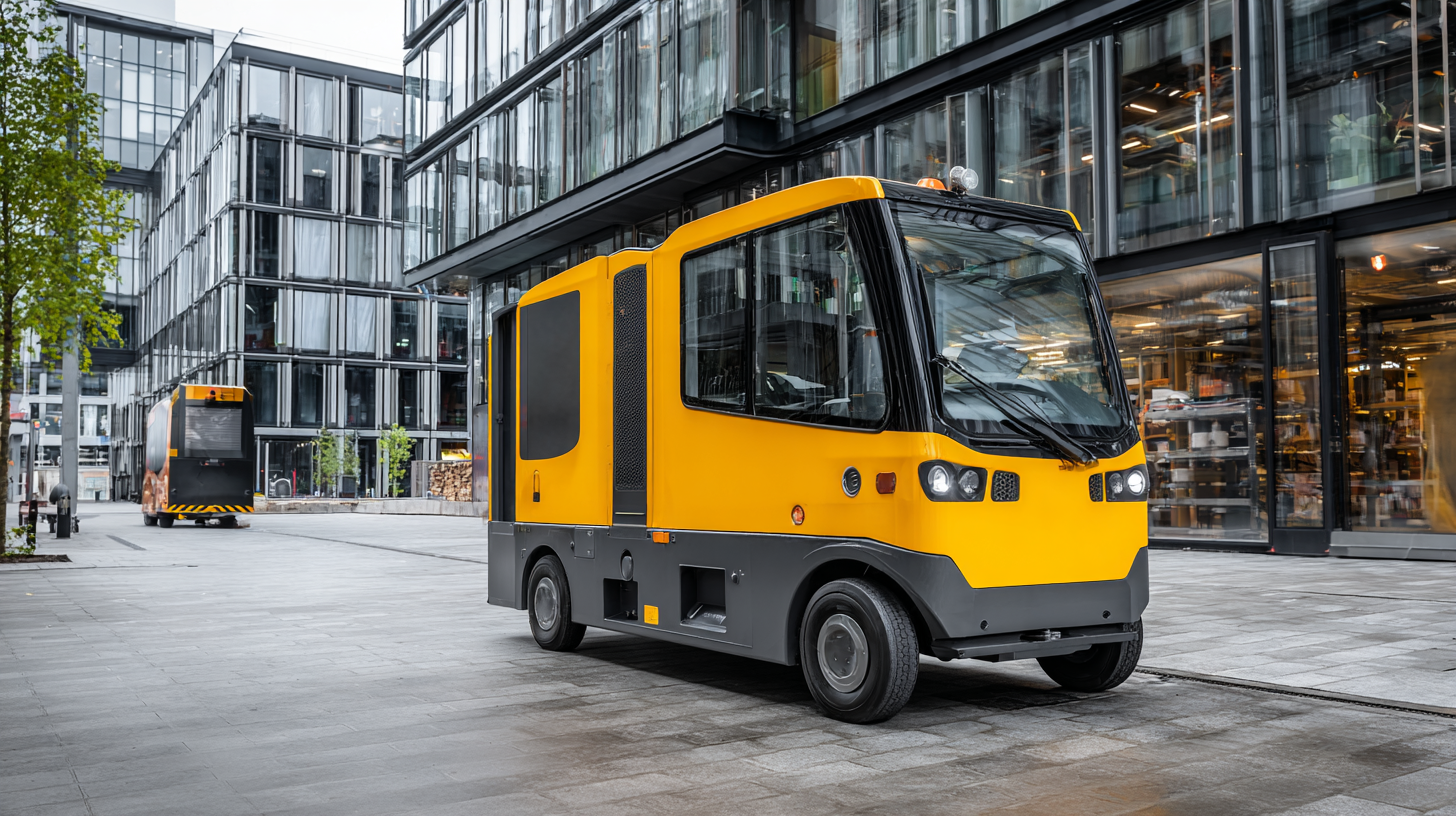
As we check out how Guided Vehicles are being used in different fields, it’s pretty clear that these tech solutions aren’t just changing how things work—they’re actually helping us move toward a smarter, more efficient future. It’s pretty exciting to see where this technology is headed, don’t you think?
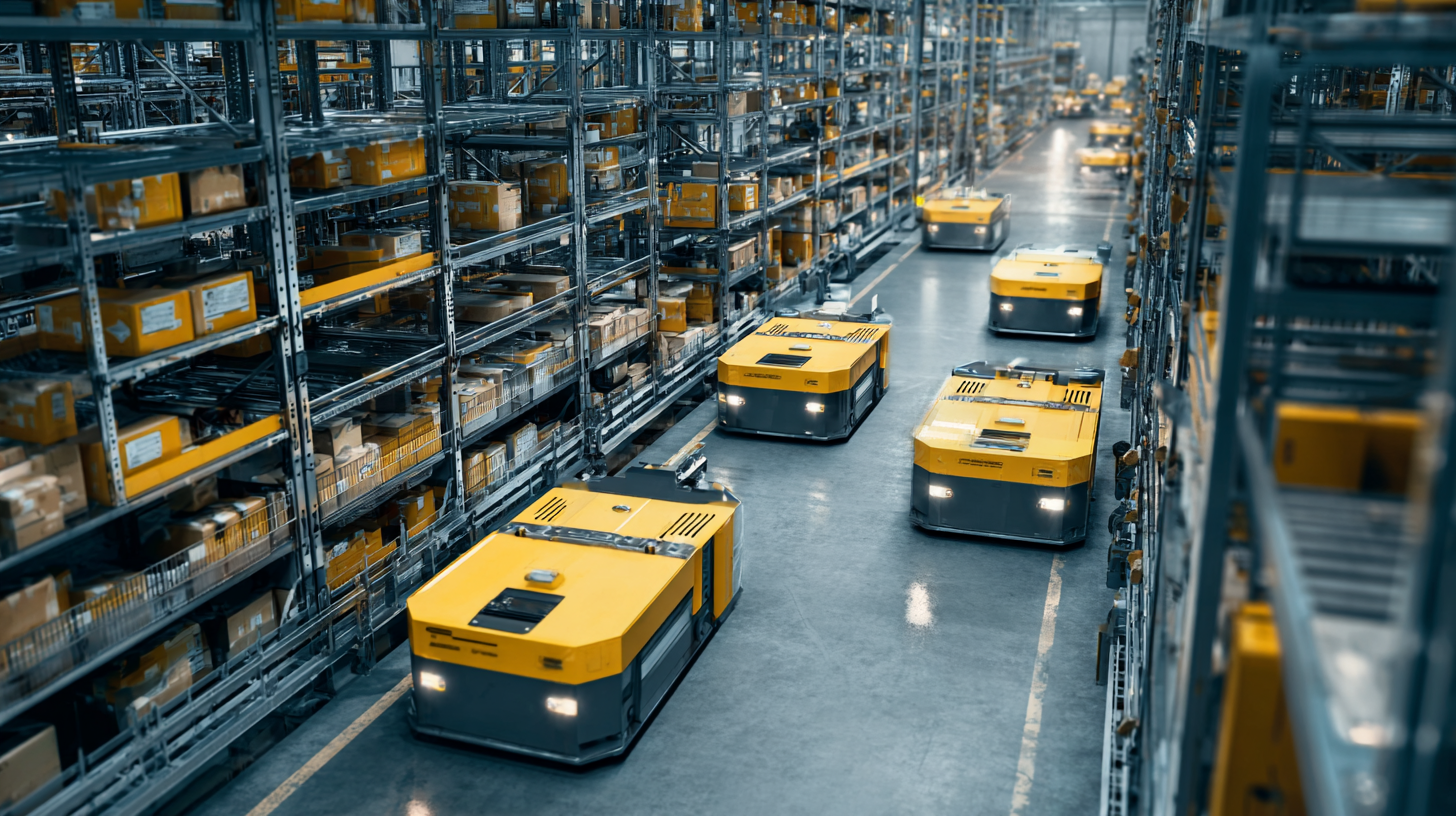
You know, the logistics world is really going through a major shake-up these days, mainly because of how guided vehicles are being used in smarter ways. These automated systems are truly changing the game—making supply chains much more efficient, cutting down on labor costs, and helping to avoid those pesky human errors. Whether we're talking about Automated Guided Vehicles (AGVs) or Autonomous Mobile Robots (AMRs), they make the whole process smoother, helping businesses get better at storing and pulling out stock in warehouses and distribution centers. The result? Faster delivery times and, honestly, a much healthier handle on inventory.
If you’re thinking about adding guided vehicles to your operations, I’d say a good starting point is taking a close look at your warehouse layout. Understanding how your goods move around will give you a solid idea of the best spots to deploy these vehicles, making sure you get the most bang for your buck.
And hey, don’t think only big companies can benefit from this tech. Small and medium-sized businesses can totally jump in and use guided vehicles to stay competitive. There are so many models and customization options out there now, so you can find something that really fits your industry needs. Honestly, it’s a smart move—especially if you're looking to boost efficiency.
One thing I’d recommend is thinking about scalability when choosing your vehicles. Picking models that can grow with your business means you won’t have to worry about outgrowing your tech later. As your supply chain evolves, these vehicles can adapt, and your investment will still be paying off down the line.
| Industry | Type of Guided Vehicle | Primary Function | Benefits |
|---|---|---|---|
| Manufacturing | Automated Guided Vehicle (AGV) | Material Transport | Increased efficiency and reduced labor costs |
| Warehousing | Autonomous Mobile Robot (AMR) | Inventory Management | Enhanced accuracy in stock keeping |
| Retail | Self-driving Carts | Customer Service Delivery | Improved customer experience and reduced wait times |
| Healthcare | Mobile Delivery Robots | Medication and Supplies Distribution | Increased safety and hygiene |
| Food Service | Delivery Drones | Food Delivery | Faster service and broader delivery range |
As we look toward the future of transportation, the concept of high-speed rail guided vehicles (HSRGVs) emerges as a transformative solution that not only caters to public transit but also revolutionizes warehouse operations. According to a recent report by the International Union of Railways, the global high-speed rail market is expected to grow at a compound annual growth rate (CAGR) of 6% through 2025, driven by advancements in technology and infrastructure.
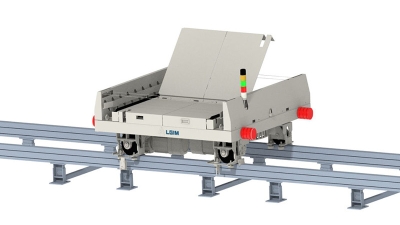
In tandem with this growth, Rail Guided Vehicles (RGVs) present an innovative answer to the challenges of modern warehousing. RGV cars can efficiently maneuver within high-density storage systems, optimizing the use of space without the need for traditional forklifts. This operational efficiency not only enhances storage capacity by allowing for customizable passage lengths but also significantly reduces potential safety risks associated with forklift traffic in confined areas. The U.S. Warehousing and Fulfillment Market Trends Report highlights that warehouses utilizing robotic systems, much like RGVs, can increase their storage capacity by up to 30%, minimizing operational costs and maximizing throughput.
With the integration of HSRGV technology in both public and private sectors, we are on the cusp of a significant evolution in transport logistics. As urban centers continue to expand, the synergy between high-speed rail systems and advanced warehousing automation will redefine how goods and people move, making it not only faster but also safer and more efficient.
: Guided vehicles, including Automated Guided Vehicles (AGVs) and Autonomous Mobile Robots (AMRs), transform logistics by enhancing efficiency, reducing labor costs, and minimizing human errors, thereby streamlining operations and improving delivery times.
Businesses should conduct a thorough assessment of their warehouse layout to understand the flow of goods, which will help identify optimal locations for deploying guided vehicles and maximizing their benefits.
Yes, SMEs can leverage guided vehicles to improve their competitive edge, as various models and customization options are available to fit different industry needs.
Businesses should select guided vehicle models that can easily adapt to future changes in their supply chain, ensuring that the investment continues to provide value as the business grows.
Guided vehicles minimize human intervention through advanced navigation technologies, reducing the risk of accidents in high-traffic areas and creating a safer workplace by autonomously transporting materials between workstations.
Best guided vehicles come equipped with features like obstacle detection and real-time monitoring, allowing them to adapt to dynamic environments and mitigate hazards associated with traditional material handling practices.
By streamlining workflows and ensuring resources are at the right place at the right time, guided vehicles improve production timelines and enable workers to focus on more strategic tasks, enhancing overall productivity.
Guided vehicles signify a shift towards smarter and safer manufacturing processes by reducing reliance on human labor for mundane tasks and enabling a collaborative ecosystem that fosters innovation in industry practices.


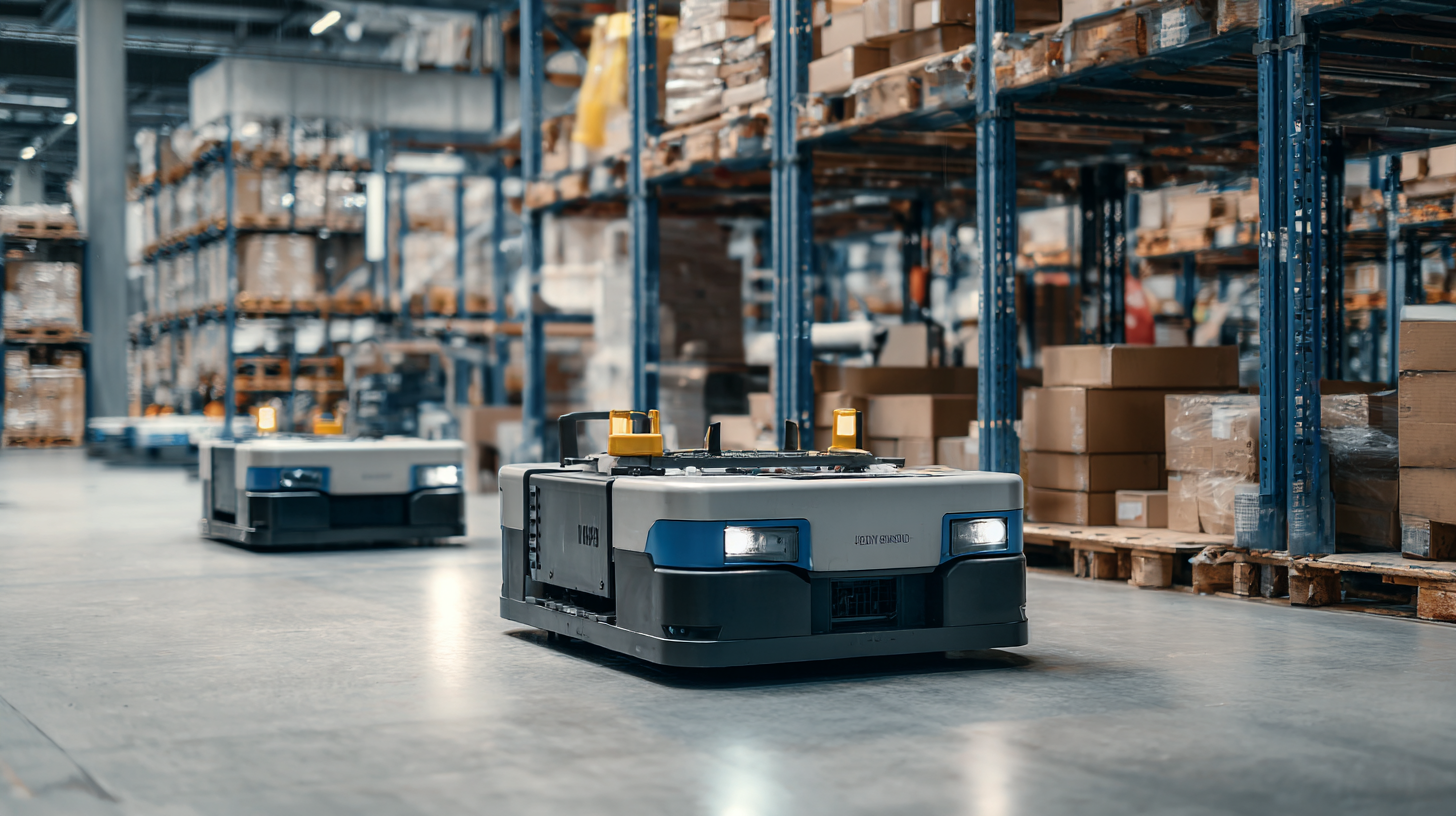 Automated Guided Vehicles (or AGVs for short) are really starting to make a big difference in healthcare these days. They’re helping hospitals move patients, meds, and equipment around more smoothly, which means the staff can actually spend more time with patients instead of running around trying to transport stuff. It’s pretty exciting when you think about the numbers—