Leave Your Message
0%

Hey, you know how fast the world of logistics is changing these days? One of the hottest trends right now is using Vertical Lift Warehousesystems — it’s all about making storage more efficient and cutting down on space waste. I recently came across a report that says the global market for Vertical Lift Modules (VLMs) could hit around$1.5 billion by 2025. Pretty impressive, right? It just goes to show how more and more industries are jumping on board with these smart storage solutions.

Of course, it’s not all smooth sailing. Lots of organizations run into challenges when it comes to integrating, maintaining, and keeping these systems running smoothly. Here at Linyi Lingong Intelligent Information Technology Co., Ltd., we’ve been in the game since 2013, focusing on developing cutting-edge intelligent manufacturing products. Our goal? To come up with innovative solutions that help tackle those issues and make logistics in this increasingly automated world a lot easier and more efficient.
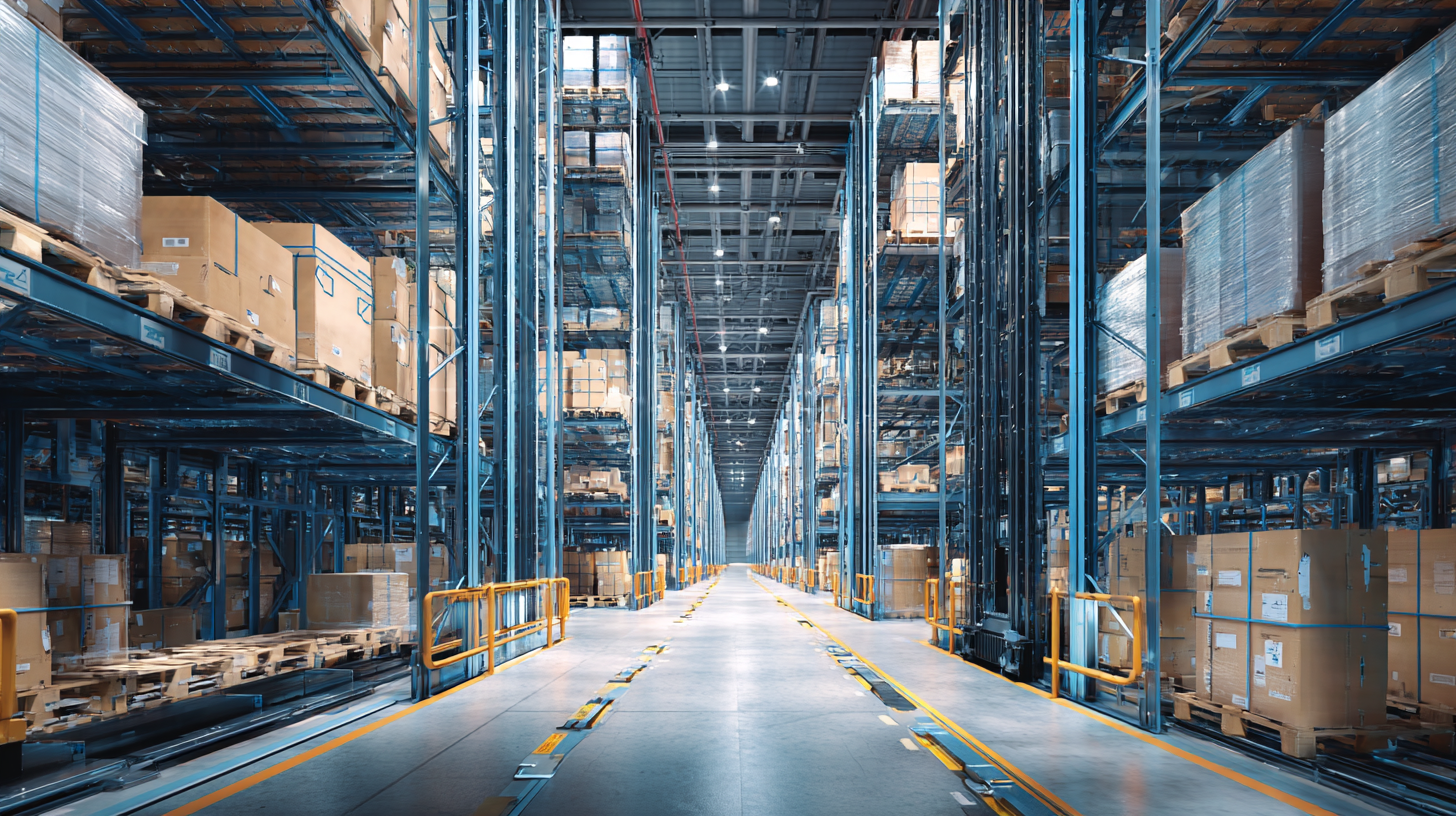
Issues Faced with Vertical Lift Warehouse Systems in Modern Logistics

Challenges of Implementing Vertical Lift Systems in Logistics Operations

Trying to add vertical lift systems into logistics operations isn’t exactly a walk in the park. There are quite a few hurdles companies have to deal with if they want everything to run smoothly. For example, a report from MarketsandMarkets predicts that the global market for automated storage and Retrieval Systems will hit around $10.4 billion by 2026 — which really shows just how much everyone’s leaning on smarter warehouse tech these days. But, on the flip side, there's the hefty price tag upfront, the headache of syncing new systems with the current setup, plus the need for specialized training. I mean, I saw a survey from 2021 where over 30% of logistics firms said they had a tough time getting vertical lift systems to fit into their existing warehouse workflows.

And then, there are the operational bumps in the road. Vertical lift systems, while super helpful, can also be a bit tricky to manage because they come with their own set of challenges. Companies need to think about maintaining these systems, optimizing space, and making sure they can handle all kinds of inventory — from small boxes to heavier, bulkier items. A study from the Warehousing Education and Research Council (WERC) mentioned that about 25% of facility managers find it tough to make their vertical lifts work well with different product sizes and weights. Recognizing these issues, Linyi Lingong Intelligent Information Technology Co., Ltd., a pretty big player in high-tech manufacturing, is all about coming up with smart solutions. They’re dedicated to making vertical lifts work better and adapt more easily in today’s fast-paced logistics world.

Issues Faced with Vertical Lift Warehouse Systems in Modern Logistics
Issue Description Impact Level (1-5) Frequency of Occurrence
Initial Cost High upfront investment required for installation and integration. 4 Often
Maintenance Regular maintenance and potential downtimes can disrupt operations. 3 Occasional
Training Staff Employees require training to operate and troubleshoot the systems. 3 Regularly
Space Limitation Vertical lifts may require specific warehouse layouts, limiting flexibility. 5 Often
Compatibility Integration with existing systems may be challenging. 4 Occasional

Impact of Space Constraints on Vertical Lift Warehouse Efficiency

In today’s world of logistics, vertical lift warehouse systems are really changing the game—they’re all about making the most of space and boosting efficiency. But let’s be honest, with the rush to get orders out the door faster and faster, we often hit the wall of limited space. That tight squeeze can cause snags in the vertical lift mechanisms, leading to delays in retrieving items and, honestly, slowing down the whole operation. When your warehouse floor isn’t big enough to fit all that complex machinery or give the lifts room to move around, even the coolest, most advanced systems can struggle to keep up.

And it’s not just about having the right equipment—how you plan the layout matters a lot. Smart automation tech is a game changer here. Using real-time data analytics, warehouses can really squeeze out more storage and streamline their logistics workflows. It’s about working smarter, not just harder. When you get this stuff right, adapting vertical lift systems to tight spaces doesn’t just make things more efficient; it also sets you up to grow and handle more in this fast-moving supply chain world. Basically, it’s all about making the most of every inch and staying ahead of the game.

Issues Faced with Vertical Lift Warehouse Systems in Modern Logistics

Maintenance and Reliability Issues in Vertical Lift Warehouse Systems

Vertical lift warehouse systems have really changed the game in modern logistics. They make it so much easier to maximize space and keep inventory running smoothly. That said, they can come with their own set of headaches — like maintenance issues and reliability hiccups. Mechanical problems or unexpected downtime can throw a wrench in your workflow, causing delays and rack up costs pretty quickly. So, it’s super important to understand these challenges if you want to keep things running smoothly and make sure your system lasts a good long time.

To keep these problems at bay, regular inspections and a proactive maintenance plan are key. Using predictive maintenance strategies can help you catch potential issues before they turn into major headaches. Also, keep detailed logs of equipment performance and any repairs, so you can better predict what might need attention down the line. Plus, investing in proper training for your staff on how to use and care for the vertical lift systems can really boost reliability.

Another piece of advice? Go for high-quality, reputable manufacturers. Equipment built to last and easy to service makes a big difference. Building a good relationship with your suppliers is also worth it — talking through warranty options and service agreements can ensure you get the support you need when something does go wrong. In the end, working closely with your providers helps keep your system running at its best, making your logistics process way more efficient and less stressful.

Cost-Benefit Analysis of Vertical Lift Systems in Modern Warehousing

So, when it comes to modern warehouses, implementing Vertical Lift Systems (VLS) is pretty intriguing—there’s a lot to consider from a cost-benefit perspective. Recent reports suggest that going for VLS can really boost how you use space, sometimes offering up to 85% more storage compared to the old-school shelves we’re used to. That kind of optimization is a game-changer, especially now, when warehouse space is getting tighter and operational costs are climbing. Companies like Linyi Lingong Intelligent Information Technology Co., Ltd. are stepping up with smart solutions built to meet these new challenges. They’ve been around since 2013 and have really integrated cutting-edge tech to keep up with what logistics businesses need these days.

That said, it’s not all smooth sailing. The benefits are impressive, but there are some hurdles. For starters, the initial costs can be pretty steep—anywhere from $100,000 up to half a million bucks, depending on how fancy the system is. Plus, keeping everything running smoothly means investing in maintenance and proper training for staff. If not managed well, VLS can lead to downtime or cause labor costs to spike by over 20%, which nobody wants. So, weighing these risks against the potential gains is crucial for logistics managers thinking about making the switch. Doing homework and making smart investments in intelligent systems—like those by Linyi Lingong—are key to getting the best bang for your buck and making sure your warehouse is future-proof.

Cost-Benefit Analysis of Vertical Lift Systems in Modern Warehousing

This bar chart illustrates a cost-benefit analysis of vertical lift systems in modern warehousing, comparing initial investment costs versus savings and gains achieved over time.

Integration Challenges with Existing Warehouse Management Systems

Basically, bringing vertical lift warehouse systems into your existing warehouse management setup isn’t always a walk in the park. There are a bunch of hurdles to get over. One of the biggest issues is compatibility—new tech often doesn't play nicely with old software. Many warehouses still run on legacy systems that weren’t designed for the fancy features modern lift systems offer. This mismatch can cause serious downtime and delays, as everyone struggles to get these new machines to work smoothly with the old setup.

Issues Faced with Vertical Lift Warehouse Systems in Modern Logistics

Plus, another headache is making sure the data flows smoothly between the lifts and the WMS. For smooth operations, you really need real-time visibility and accurate inventory info. If data gets tangled up or isn’t syncing right, it can lead to mistakes like incorrect inventory counts or wrong picks, which nobody wants. To deal with these issues, companies should look into solid integration tools and maybe even rethink how they do things—that way, all the systems talk to each other nicely without messing up efficiency or causing chaos.

Emerging Technologies to Overcome Vertical Lift System Limitations

When it comes to modern logistics, vertical lift warehouse systems definitely face some hurdles—like not being able to make the most of limited space or rushing through order fulfillment. But luckily, new tech is coming to the rescue! For example, hooking up artificial intelligence (AI) to warehouse management can really help with keeping track of inventory and figuring out the best way to use space. This generally speeds things up—some reports say AI analytics can cut order processing times by up to 30%, which is a pretty big deal for overall efficiency.

And it doesn’t stop there. Automation is transforming these vertical lift setups, too. We're seeing more use of unmanned rotary lifts and smarter autonomous navigation, making operations safer and way more precise. In fact, recent developments show that downtime has dropped by about 40% thanks to these automated systems. Not only does this reduce mistakes caused by humans, but it also helps move goods faster through the system.

Tips:

  1. Consider using AI-driven tools to help with decision-making when managing inventory.
  2. Check out automation options—cut down on manual labor and boost overall efficiency.
  3. Keep an eye on the latest industry upgrades; staying in the loop with new tech can really give you a leg up in logistics.

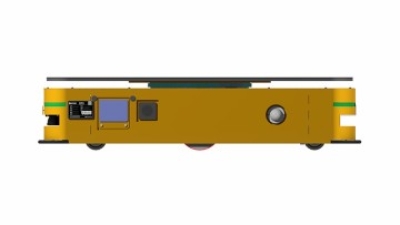
Maximizing Efficiency in Warehousing: The Role of LGIM 2-Ton Piggyback Lift AGVs

In the modern warehousing landscape, efficiency is more crucial than ever. According to a recent report by KPMG, nearly 76% of logistics firms are prioritizing automation to enhance their operational capacities. One innovative solution that stands out in this quest for efficiency is the LGIM 2-Ton Piggyback Lift Automated Guided Vehicle (AGV). This advanced AGV, equipped with an automatic lifting function, is revolutionizing the way warehouses manage their inventory and logistics services.

The LGIM 2-Ton Piggyback Lift AGV seamlessly integrates with an AGV scheduling system, facilitating autonomous pickup, transportation, and unloading. This not only eliminates the manual handling of goods but also drastically reduces the time required for these operations. A study by the Warehousing Education and Research Council (WERC) indicates that companies utilizing AGVs can increase their material handling efficiency by up to 30%, leading to significant labor cost savings and enhanced productivity.

As the demand for efficient logistics solutions grows, the adoption of AGVs like the LGIM 2-Ton Piggyback Lift will likely accelerate. According to industry forecasts, the AGV market is expected to reach USD 8.91 billion by 2027, growing at a CAGR of 14.5%. By leveraging such automation technologies, warehouses can not only meet modern consumer demands but also pave the way for future advancements in the logistics sector.

FAQS

: What are the main impacts of space constraints on vertical lift warehouse systems?

: Space constraints can lead to bottlenecks in vertical lift mechanisms, causing delays in retrieval times and reducing overall throughput, particularly when the warehouse layout cannot accommodate the necessary machinery or maneuvering space.

How can warehouses mitigate the challenges posed by space limitations?

Warehouses can integrate smart automation technologies and utilize real-time data analytics to optimize storage density and improve logistics workflows, helping to enhance efficiency and scale operations.

What are the maintenance challenges associated with vertical lift warehouse systems?

Frequent mechanical failures and unexpected downtime can disrupt workflow, leading to delays and increased operational costs. Regular inspections and a proactive maintenance schedule are essential to mitigate these issues.

How can predictive maintenance strategies help in vertical lift systems?

Predictive maintenance helps identify potential issues before they escalate by using detailed records of equipment performance and past maintenance, ensuring better anticipation of future needs.

Why is it important to choose high-quality manufacturers for vertical lift systems?

Selecting reputable manufacturers ensures the durability and serviceability of equipment, which in turn supports optimal system performance and reduces maintenance challenges.

How can artificial intelligence (AI) improve efficiency in vertical lift warehouse systems?

AI can optimize inventory tracking and space allocation, leading to enhanced order processing times and overall logistics performance, with reports suggesting improvements of up to 30%.

What recent advancements in automation are benefiting vertical lift systems?

The adoption of unmanned rotary lift technologies and autonomous navigation has increased accuracy and safety, as well as reduced downtime by as much as 40%, thereby optimizing throughput.

What role does staff training play in the reliability of vertical lift systems?

Investing in staff training on proper use and care of vertical lift systems enhances reliability and contributes to maintaining high operational efficiencies.

How can warehouses stay competitive in logistics management?

By staying informed about industry advancements and integrating new technologies, warehouses can gain a competitive edge, improving overall operational efficiency.

What should warehouses focus on to enhance decision-making in inventory management?

Implementing AI-driven solutions is crucial for improving decision-making processes related to inventory management and operational performance.

Conclusion

When it comes to modern logistics, Vertical Lift Warehouse systems definitely come with their fair share of challenges that companies need to work through to run things smoothly. For starters, fitting these systems into existing logistics setups can be a real headache, especially when space is limited—this can really impact how well everything works. Plus, there are concerns about maintenance and how reliable these systems are; if things go wrong, it could mean more downtime and higher costs. And let’s not forget, hooking these systems up to current warehouse management software can get pretty complicated, requiring careful planning and strategy.

That said, if you do your homework with a solid cost-benefit analysis, you'll find that the long-term benefits of using Vertical Lift Warehouse solutions can really outweigh the initial headaches—especially as new tech keeps evolving. Companies like Linyi Lingong Intelligent Information Technology Co., Ltd. are out there pushing the envelope with innovative solutions that tackle these issues head-on. In the end, it’s all about making warehouse operations more efficient and reliable in this fast-paced world of logistics—that’s where things are heading, and it’s exciting to see how these solutions are shaping the future.

Sophie

Sophie

Sophie is a dedicated marketing professional at Linyi Linggong Intelligent Information Technology Co., Ltd., where she leverages her extensive knowledge of the company's products to drive effective marketing strategies. With a strong focus on innovation and technology, Sophie plays a vital role in......
Previous Navigating the Future of AMR Technology for Global Supply Chains