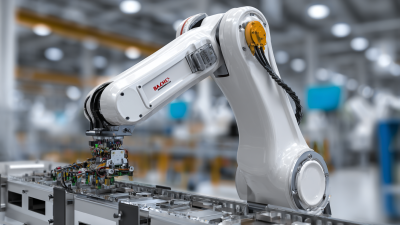
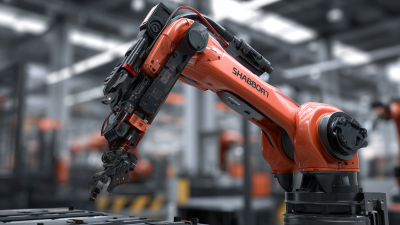
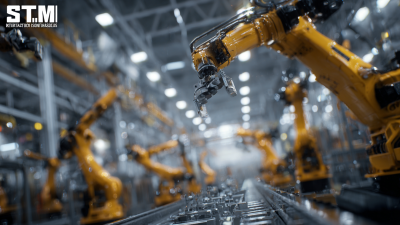
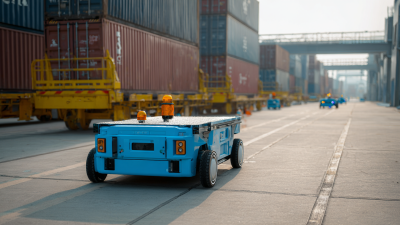
Lately, we’ve really seen a pretty big shift in how industrial automation is evolving, mostly thanks to the rise of Joint Robots. These aren’t like your typical robots — they’re designed to work right alongside human workers, making everything safer and more efficient in factories. It’s pretty exciting because this kind of collaboration has caught on in industries like automotive, electronics, and consumer goods, really pushing productivity and giving teams more flexibility. As businesses face ever-changing market demands, it’s clear that Joint Robots have the potential to totally change the game in how work gets done, helping streamline processes and boost output.
What’s even cooler is that these robots do more than just speed things up. Their design actually helps create a more adaptable workforce — humans and robots working side by side in harmony. This teamwork not only cuts down on accidents but also sparks a more innovative, collaborative vibe in the workplace. As companies aim for higher quality and want to cut costs, the future of Joint Robots looks super promising. With ongoing advances in AI and machine learning, these robots are only going to get better, opening the door to a new era of industrial automation that values both productivity and worker safety.
Top Benefits of Joint Robots in Industrial Automation and Their Future Potential
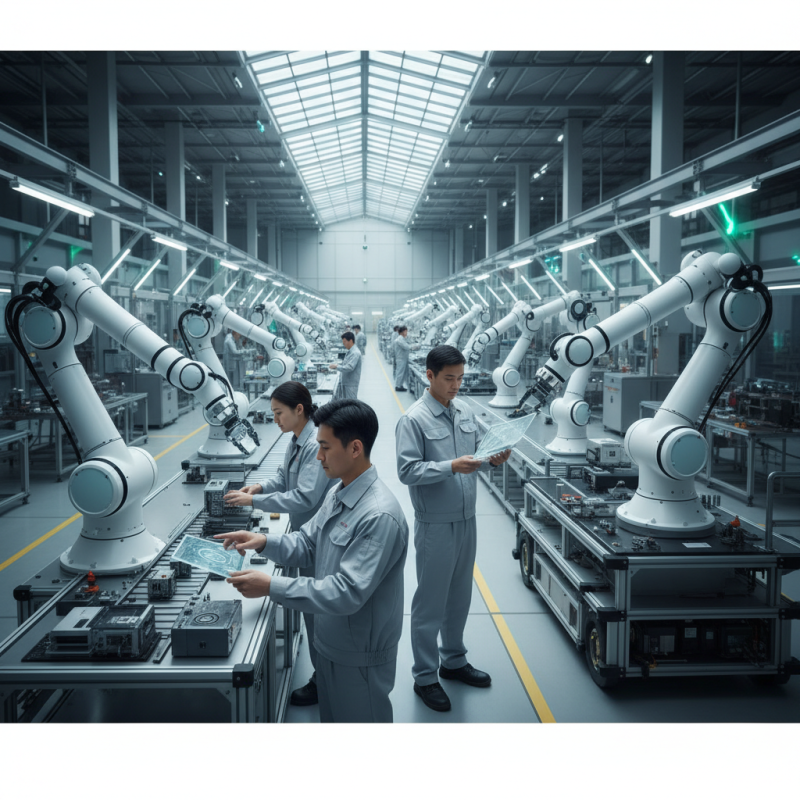
Joint robots, also known as collaborative robots, play an increasingly vital role in industrial automation, offering numerous advantages that enhance productivity and efficiency. Their ability to work alongside human operators without the need for safety cages promotes a seamless integration into existing workflows. This collaboration not only speeds up production lines but also reduces the physical strain on human workers, allowing them to focus on tasks that require more complex decision-making and creativity.
Tips: When introducing joint robots into your operations, consider starting with small pilot projects to assess their impact and gather data. This approach allows for a smoother transition and enables you to troubleshoot any challenges that may arise before full-scale implementation.
As we look to the future, the potential of joint robots is vast. Innovations in artificial intelligence and machine learning will further enhance their capabilities, allowing them to adapt to new tasks and environments with ease. The evolution of these robots will lead to more flexible manufacturing processes, equipped to handle a broader range of products and services. This adaptability not only enhances operational efficiency but also prepares companies to respond swiftly to market changes and customer demands.
Tips: Invest in ongoing training for your workforce to ensure they are equipped to collaborate effectively with joint robots. Understanding the technology will empower employees, maximizing the benefits derived from its integration into the production environment.
Top Benefits of Joint Robots in Industrial Automation
Understanding Joint Robots: Definition and Functionality
Joint robots, also known as collaborative robots or cobots, are designed to work alongside human operators in various industrial settings. Unlike traditional industrial robots that are often isolated within safety enclosures, joint robots are equipped with advanced sensors and safety features that enable them to operate safely in close proximity to humans. This functionality is crucial for enhancing productivity while ensuring workplace safety. According to a report from the International Federation of Robotics (IFR), the market for collaborative robots is projected to reach a valuation of $12 billion by 2025, highlighting the increasing integration of these robots in various industries.
The distinct functionality of joint robots lies in their ability to carry out a range of tasks that require fine motor skills and adaptability. These robots employ sophisticated algorithms and machine learning capabilities, allowing them to learn from their environments and improve their performance over time. A study by Research and Markets indicates that the flexibility of joint robots can lead to up to a 30% increase in production efficiency, making them an attractive option for manufacturers aiming to optimize their operations. The trend of utilizing joint robots is expected to expand as industries increasingly seek solutions that combine human intelligence with robotic precision, paving the way for a smarter and more efficient future in industrial automation.
Key Advantages of Joint Robots in Industrial Production Processes
Joint robots, or collaborative robots, have emerged as pivotal components in the realm of industrial automation, primarily due to their ability to enhance efficiency and safety in production processes. One of the key advantages of joint robots is their capacity to work alongside human laborers without the need for extensive safety barriers. This unique attribute allows for fluid collaboration, enabling human workers to focus on tasks that require creativity and critical thinking while delegating repetitive, physically demanding operations to robots. This synergy not only boosts overall productivity but also minimizes the risk of workplace injuries, as the robots can take on hazardous tasks.
Moreover, joint robots are versatile and can be easily reprogrammed or reconfigured to handle a variety of applications. This adaptability allows manufacturers to quickly pivot in response to changing market demands, facilitating just-in-time production practices. The integration of joint robots into industrial processes can lead to significant reductions in downtime and operational costs, making them an invaluable asset for businesses aiming to maintain competitiveness in an ever-evolving landscape.
As technology advances, the future potential of joint robots lies in their capability to learn and improve through machine learning, ultimately driving even greater efficiency and innovation in industrial automation.
Enhanced Flexibility: Adaptability of Joint Robots in Various Tasks
The adaptability of joint robots in various industrial tasks is one of their most significant advantages, making them invaluable assets in the realm of automation. Unlike traditional rigid robots which are often limited to specific tasks, joint robots possess the flexibility to perform a wide array of functions. Their articulated designs allow them to navigate confined spaces and handle complex maneuvers, essential for modern applications in assembly lines, packaging, and even in service roles. This adaptability means that they can be reprogrammed and reconfigured to meet evolving production requirements, reducing downtime and increasing overall efficiency.
Moreover, the versatility of joint robots extends beyond simple task execution. They can work alongside human operators, enhancing collaborative processes in shared workspaces. This human-robot collaboration not only improves safety but also boosts productivity, as joint robots can take on repetitive or hazardous tasks, allowing human workers to focus on more intricate and creative aspects of their jobs. As industries continue to push towards more personalized production and quick turnarounds, the ability of joint robots to seamlessly shift between varied tasks will play a crucial role in shaping the future of industrial automation.
Top Benefits of Joint Robots in Industrial Automation and Their Future Potential - Enhanced Flexibility: Adaptability of Joint Robots in Various Tasks
| Benefit | Description | Adaptability Level | Industry Application |
| Enhanced Dexterity | Joint robots mimic human arm movements, allowing for precise handling of delicate items. | High | Electronics, Food & Beverage |
| Space Utilization | Compact design enables use in tight spaces while still performing complex tasks. | Medium | Automotive, Aerospace |
| Quick Reprogramming | Can be reprogrammed swiftly for different tasks, reducing downtime. | High | Manufacturing, Warehousing |
| Safe Collaboration | Designed to work alongside humans, minimizing risk of accidents. | High | Healthcare, Assembly Lines |
| Versatile Tooling | Can easily switch between different end-effectors for diverse operations. | High | Construction, Repair Services |
Scalability in Manufacturing: How Joint Robots Optimize Production Lines
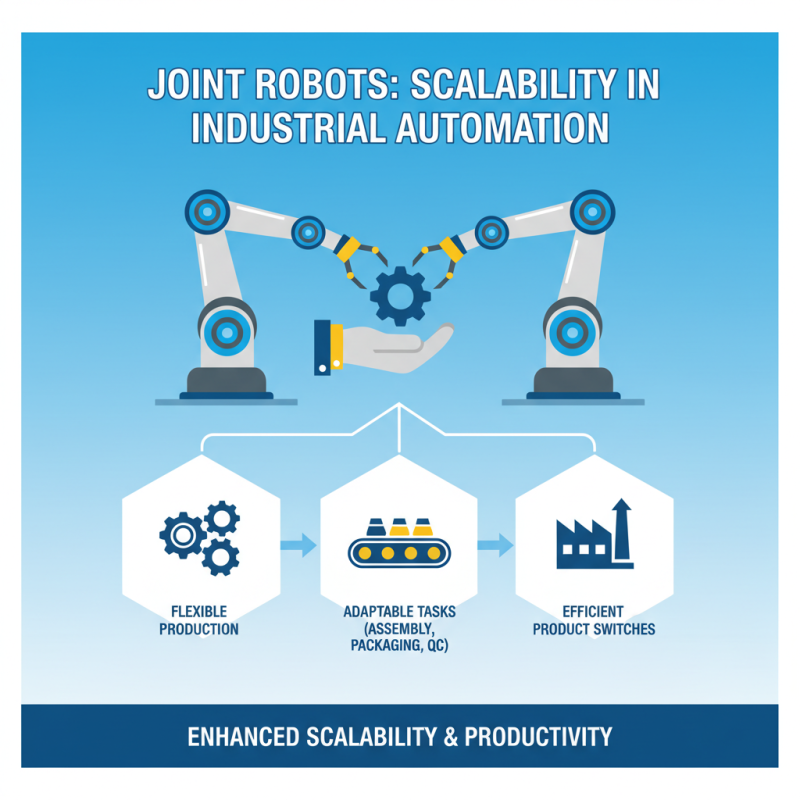
The emergence of joint robots in industrial automation has significantly transformed manufacturing processes by enhancing scalability. These robotic systems, designed to work in tandem with human operators, offer unparalleled flexibility in production lines. Their adaptable nature allows for a seamless integration of various tasks, such as assembly, packaging, and quality control, without the need for extensive reconfiguration. This scalability is particularly beneficial in environments where product variations are frequent, enabling manufacturers to efficiently switch between different production runs while maintaining high levels of productivity.
Moreover, joint robots optimize production lines by reducing downtime and increasing efficiency. Their ability to operate alongside human workers means that tasks can be divided based on skill and capability, maximizing the strengths of both robots and humans. This collaborative approach not only accelerates output but also enhances precision, as robots can handle repetitive tasks with consistent accuracy. As manufacturing demands evolve, the scalability and adaptability of joint robots position them as essential assets for future industrial automation, paving the way for more agile and responsive production environments.
Future Innovations: Emerging Technologies in Joint Robotics
The realm of joint robotics is witnessing exciting innovations as industries increasingly embrace automation. The integration of collaborative robots, or cobots, allows for seamless interaction between humans and machines, enhancing productivity while ensuring safety. According to the International Federation of Robotics (IFR), the global market for robotics in industry is projected to reach $130 billion by 2025, with joint robots playing a pivotal role in this growth. Emerging technologies, such as advanced artificial intelligence and machine learning algorithms, are revolutionizing the capabilities of joint robots, enabling them to learn from their environments and adapt to complex tasks.
As industries adopt joint robotics, the implementation of sophisticated sensors and connectivity features has become commonplace. These advancements facilitate real-time data sharing, enhancing operational efficiency. A report from McKinsey indicates that automation could increase productivity by up to 1.4% annually, making it critical for manufacturers to invest in joint robotics. The future holds immense potential for even more refined robotic control and autonomy, driven by innovations like soft robotics and enhanced human-robot collaboration tools.
**Tip:** When exploring the integration of joint robots in your operations, consider not only the upfront investment but also the long-term savings and efficiency gains. Additionally, investing in employee training on these technologies can significantly enhance their effectiveness.
**Tip:** Stay informed about emerging robotics technologies through industry reports and conferences, which can provide insights into the latest advancements and best practices for integrating joint robots into your workflows.
Market Trends: The Growing Adoption of Joint Robots in Industry
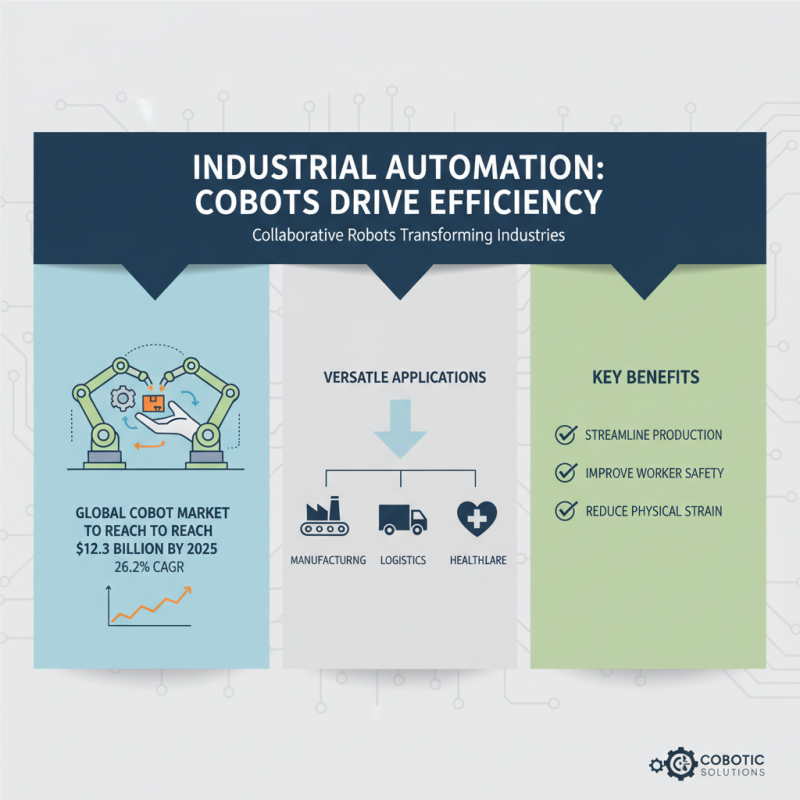
The industrial automation landscape is undergoing a significant transformation, with joint robots, or collaborative robots (cobots), emerging as a pivotal force in enhancing operational efficiency. According to a recent report by MarketsandMarkets, the global cobot market is projected to reach $12.3 billion by 2025, growing at a compound annual growth rate (CAGR) of 26.2%. This surge can be attributed to their versatile applications across various sectors, such as manufacturing, logistics, and healthcare. Businesses are increasingly adopting joint robots to streamline production processes, improve worker safety, and reduce the physical strain on human employees.
One of the key trends driving the adoption of joint robots is the emphasis on flexibility and adaptability in manufacturing. Industries are investing in automation that can seamlessly integrate with existing workflows, enabling quick adjustments to production lines. A recent study from ABI Research highlights that nearly 60% of manufacturers are planning to integrate more robotics into their operations within the next two years. This momentum reflects a broader shift toward smart factories where robots work alongside humans to enhance productivity while maintaining a focus on safety.
Tips: When considering the implementation of joint robots, it's essential to assess your specific operational needs and training requirements. Collaborating with robotic solution providers can ensure that the integration process is smooth and aligned with your business objectives. Moreover, investing in employee training on working alongside robots can significantly improve both productivity and workplace morale, fostering a culture of collaboration.
Maximizing Efficiency: Insights from Industry Reports on the 400kg Payload Six-Axis Robot RA6400's Impact on Automation Solutions
The emergence of the 400kg payload six-axis robot, such as the RA6400, is revolutionizing automation solutions across industries, particularly in manufacturing and logistics. According to recent industry reports, the integration of heavy payload robotic systems is increasing production efficiency by up to 30%. These robots are designed with a long reach and a high-speed parallel link structure, enabling them to handle ultra-heavy load tasks with incredible precision and speed. This reliability not only minimizes operational errors but also reduces downtime, making them an exemplary choice for heavy-duty applications.
As industries strive to maximize efficiency and throughput, the RA6400's capabilities play a crucial role. Data indicates that businesses utilizing heavy payload robots have experienced reduced cycle times and enhanced workflow. With automation solutions tailored to manage weights of up to 400kg, companies can now undertake complex operations previously deemed too challenging for traditional equipment. This shift not only streamlines processes but also enhances worker safety by reducing the need for manual handling of heavy items.
Furthermore, the versatility of these six-axis robots adds another layer of significance to their impact. The ability to adapt to various tasks—from assembly lines to warehousing operations—demonstrates how automation can meet diverse industry needs. Reports suggest that as the adoption of heavy payload robots increases, manufacturers can expect a notable return on investment within the first year of implementation, emphasizing the strategic advantage of integrating such advanced automation solutions into their operations.
FAQS
: Joint robots, or collaborative robots, are designed to work alongside human operators and are equipped with advanced sensors for safety. Unlike traditional industrial robots that operate in isolation within safety enclosures, joint robots can safely interact with humans, enhancing productivity while promoting workplace safety.
The integration of joint robots can lead to increased productivity and efficiency, reduced physical strain on human workers, and the ability to quickly adjust production processes. These robots can enhance workflows by allowing human workers to focus on more complex tasks.
It is advisable for businesses to start with small pilot projects to assess the impact of joint robots. This gradual approach allows for effective troubleshooting and smoother transitions before full-scale implementation.
The potential of joint robots is vast due to advancements in artificial intelligence and machine learning, which will further enhance their adaptability and capabilities. This evolution will enable more flexible manufacturing processes and the ability to respond quickly to market changes.
Ongoing training is crucial as it equips the workforce to collaborate effectively with joint robots. Understanding the technology will empower employees and maximize the benefits of robot integration into the production environment.
There is a growing emphasis on flexibility and adaptability in manufacturing, with businesses increasingly adopting joint robots to streamline operations. A significant portion of manufacturers plans to invest in robotics, reflecting a shift toward smart factories.
Joint robots can execute a wide range of tasks requiring fine motor skills and adaptability. Their sophisticated algorithms allow them to learn from their environments, potentially increasing production efficiency by up to 30%.
Joint robots are being widely adopted in various sectors, including manufacturing, logistics, and healthcare, due to their versatility and ability to improve worker safety while reducing physical strain on employees.
By allowing close interaction with human workers, joint robots are designed with advanced safety features that help prevent accidents, ensuring a safer working environment while maintaining high productivity levels.
Companies should assess their specific operational needs and consider training requirements to ensure smooth integration. Collaborating with robotic solution providers can align the integration process with business objectives and employee capabilities.
Conclusion
Joint robots are transforming industrial automation by providing enhanced flexibility and scalability in manufacturing processes. These versatile machines are designed to perform a variety of tasks, adapting to different production needs with ease. Their ability to optimize production lines leads to increased efficiency and lower operational costs, making them an essential part of modern manufacturing.
As technology evolves, the future potential of joint robots appears bright, with innovations in design and functionality on the horizon. The growing adoption of joint robots across various industries reflects a market trend towards automation, highlighting their significance in shaping the future of production processes. With ongoing advancements and adoption, joint robots are set to play a pivotal role in the evolution of industrial automation.