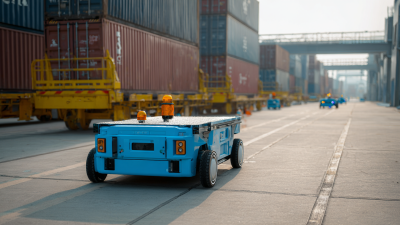
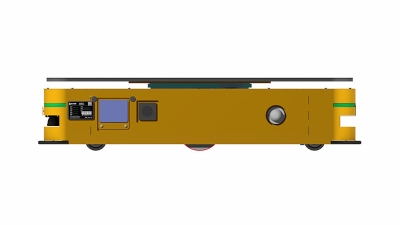
In today's super competitive world, making warehouse operations run smoothly is more important than ever for businesses trying to boost productivity and cut down costs. According to a report from the Warehousing Education and Research Council, managing your warehouse effectively can actually boost efficiency by about 20 to 30 percent—that’s a pretty big deal! One pretty cool solution that's been catching people's attention lately is the Vertical Lift Module (VLM) system. It’s designed to make the most of available space and make picking items a whole lot faster and easier.
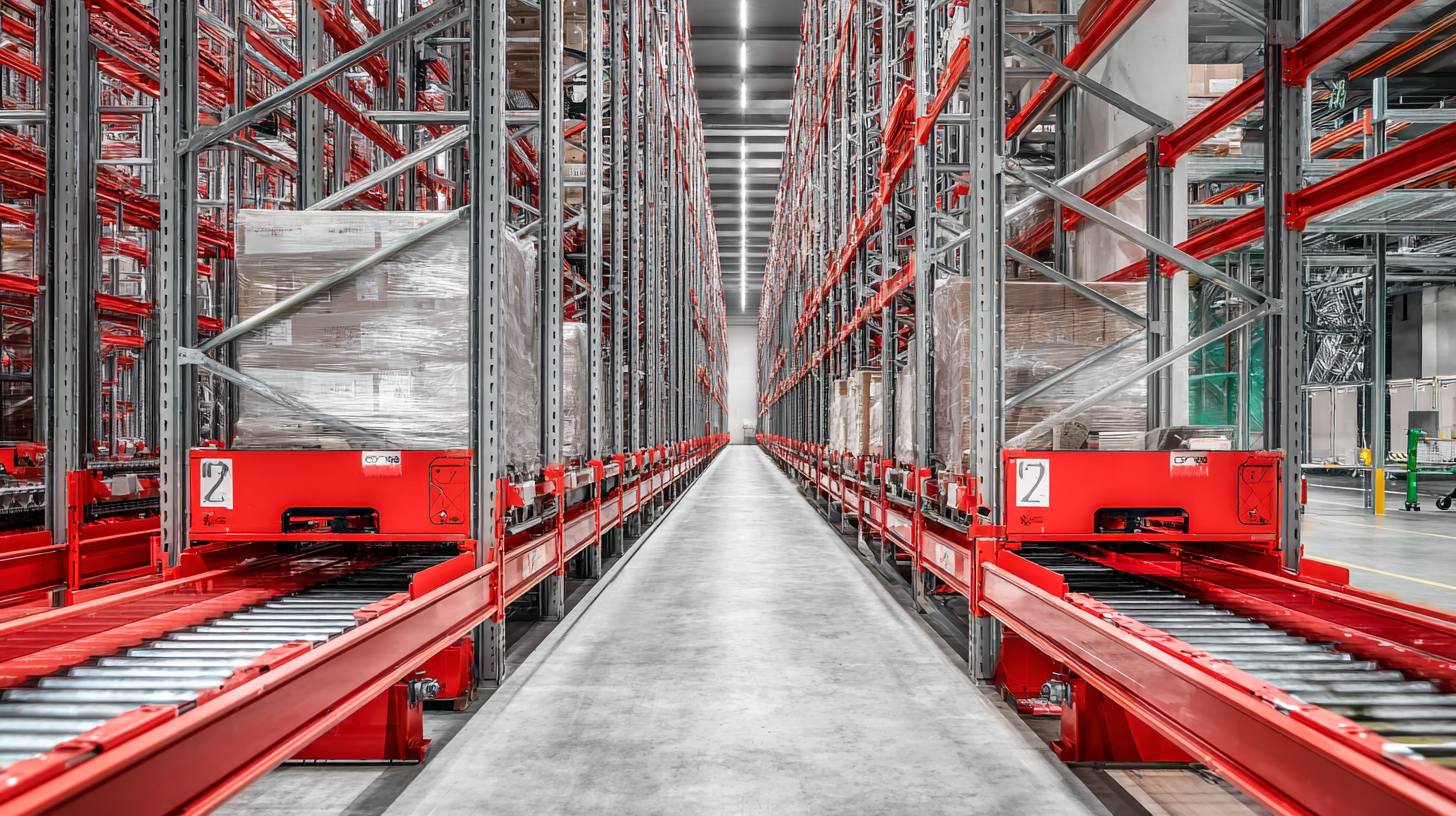
Companies like Linyi Lingong Intelligent Information Technology Co., Ltd.—a high-tech firm founded back in 2013—are really pushing the envelope when it comes to smart manufacturing solutions. By bringing in Vertical Lift Module tech, businesses can get a handle on their inventory better and save workers a ton of time when they're hunting down items. That means higher throughputand real savings on costs. As we look into how these Vlm Systems can really shake things up, it’s clear they’re transforming the way modern warehouses operate, making everything more efficient and less of a hassle.
Exploring Alternatives to Vertical Lift Modules in Warehouse Efficiency
When you're thinking about alternative ways to boost warehouse efficiency beyond vertical lift modules (VLMs), it's really worth exploring options that can handle different operational needs. One solid choice is automated storage and retrieval systems (AS/RS). These systems mix robotics with smart software to make inventory management much smoother—think seamless storage and retrieval without much fuss. They help make better use of space and cut down the time workers spend on manual tasks, which means more throughput and a more productive operation overall.
Another good option to consider is mobile shelving systems. They’re great for squeezing more out of your floor space and give you the flexibility to reconfigure layouts as your inventory needs change. Unlike VLMs, these can be adjusted easily, so warehouses can grow or reorganize without breaking the bank. Plus, using picking carts with barcode scanners can really speed up order fulfillment and help keep staffing needs in check. When you customize these solutions to fit your specific workflows, not only does efficiency get a boost, but employees might also feel better—less physical hassle and fewer repetitive tasks typical of old-school warehouse setups.
Comparative Analysis of Automated Storage Systems for Space Optimization
In today’s hustle and bustle of logistics, finding better ways to make the most of warehouse space is more important than ever if you want things to run smoothly. When you compare different automated storage options, Vertical Lift Modules (VLMs) really stand out — they can boost storage capacity by up to 75%. That’s a pretty big deal, especially with commercial real estate getting more expensive all the time. According to a report by the Material Handling Industry of America (MHIA), setting up automated systems can cut labor costs by around 30%. That’s because these systems make picking faster and easier, reducing human errors along the way.
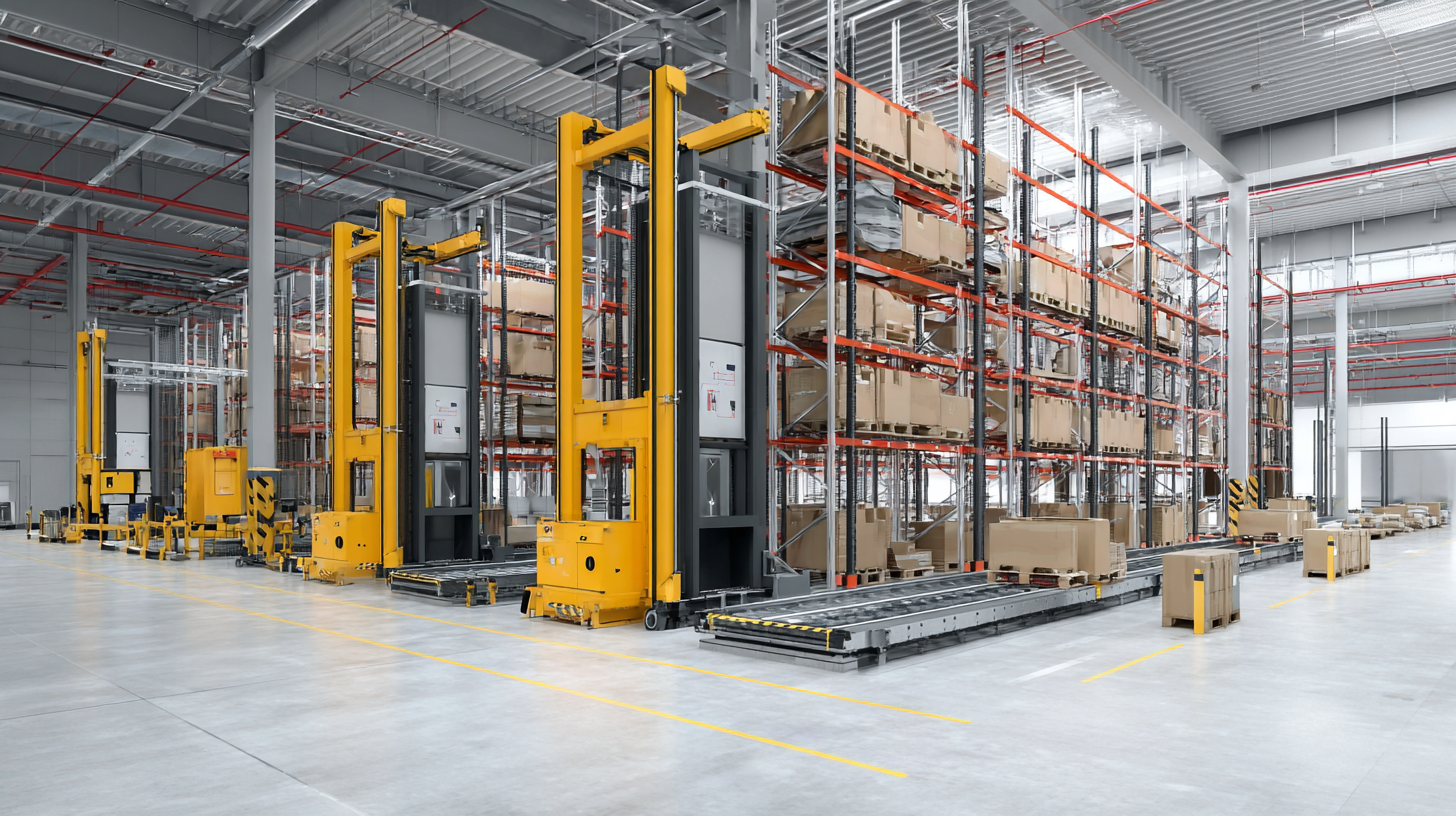
Plus, VLMs and other automated storage solutions are much more flexible than your typical shelves. Studies show that facilities using automation can reduce retrieval times by about 40%, which means more orders shipped out faster. As e-commerce keeps growing, hopping on the VLM bandwagon isn’t just about saving space — it’s really about keeping up with customer expectations for quick turnarounds. For warehouses that want to stay ahead in this ever-changing world of supply chain stuff, going automated with something like VLMs isn’t just a good idea — it’s pretty much essential.
Benefits of Utilizing Mezzanine Floors as an Efficient Storage Alternative
You know, adding mezzanine floors in warehouses can really make a huge difference when it comes to storage space. It's a pretty smart way to tackle those pesky space limitations and keep everything running smoothly. I came across the 'Warehousing and Fulfillment in America' report by the Warehousing Education and Research Council, and it mentioned that you can actually boost your warehouse capacity by up to 30% just by installing some mezzanine levels—without the hassle and cost of doing major renovations. Honestly, this is a game-changer, especially for businesses trying to grow their storage without breaking the bank.
Mezzanine floors aren’t just about stacking stuff higher; they’re a flexible solution to maximize the space you already have. By adding an extra level or two, companies can make their products more accessible, which means picking items gets up to 20% faster, according to the '2020 State of the Warehouse Management' report. Plus, since these systems are modular, you can customize them to fit your specific needs—whether you’re dealing with different types of inventory or just want a smoother workflow. All in all, they’re a pretty cost-effective alternative to expanding the warehouse building itself and have become pretty much a must-have in modern storage strategies.
Evaluating the Impact of Vertical Carousels on Warehouse Operations
Vertical carousels have really changed the game for warehouse operations. They boost how efficiently space gets used and make picking stuff way easier. Basically, these automated systems stack things vertically, so you're not wasting floor space — you're making use of all that vertical room instead. The cool thing? They deliver items right to the worker, which means less walking around and faster picking. By keeping the most-used items within arm’s reach, warehouses can work much more smoothly and get things done quicker.
**Pro tip:** Make sure to hold regular training sessions with your team on how to get the most out of these carousels. When everyone’s on the same page about best practices, it really helps in using the system effectively and keeping things running smoothly.
Plus, if you connect your vertical carousels with your warehouse management system, you get real-time data that can seriously improve how you manage your inventory. This means you can keep stock levels just right, forecast demand better, and respond faster to orders. Having better visibility into what’s in stock can save you from overstocking or running out of essentials.
**Another tip:** Don’t forget routine maintenance! Regular check-ups can prevent unexpected breakdowns and keep everything running at peak performance, ensuring your warehouse stays productive and operations stay seamless.
Choosing the Right Material Handling Equipment for Your Warehouse Needs
When you're picking out the right material handling equipment for your warehouse, it’s really important to think about both how efficient your setup is now and how it'll support your growth down the line. Did you know that the global market for material handling gear is expected to jump from around $252.5 billion in 2025 to nearly $391 billion by 2032? That’s a solid 6.4% annual growth — which basically means investing in smarter stuff like Vertical Lift Modules (VLMs) now can pay off big time. These systems help you make better use of space and make your operations run more smoothly.
To really level up your warehouse efficiency, take a good look at what you actually need for storing and retrieving items. VLMs are a pretty neat solution — they take up less space, cut down on all that back-and-forth walking, and let your team focus on the more important tasks. Plus, make sure your equipment can grow with you; the forklift market’s expected to nearly double from $86.57 billion in 2025 to about $180 billion in 2032, so flexible, modular systems will be a major plus.
Tip 1: It’s a good idea to do a deep dive into how your current workflow looks — figure out where things slow down or get stuck. That will help you pick the right gear.
Tip 2: Don’t forget to think about training your team when you bring in new equipment. Giving everyone the right skills means they’ll use the gear properly, which in turn boosts overall efficiency and keeps things running smoothly.
How to Maximize Efficiency in Your Warehouse with Vertical Lift Module Solutions
| Dimension | Description | Importance Rating (1-5) | Example Solutions |
| Space Optimization | Using vertical space efficiently to store more products in less floor area. | 5 | Vertical Lift Modules (VLMs) |
| Picking Speed | Reducing time spent on picking and retrieval tasks. | 4 | Automated Storage and Retrieval Systems (ASRS) |
| Inventory Accuracy | Maintaining precise stock levels and reducing picking errors. | 5 | Barcode/RFID Solutions |
| Labor Efficiency | Optimizing worker productivity by minimizing manual handling. | 4 | Ergonomic Material Handling Equipment |
| Safety Standards | Implementing equipment that enhances worker safety and complies with regulations. | 5 | Safety Guarding Systems |
Integrating Robotics and Automation with Alternative Storage Solutions
In today’s super busy logistics world, bringing robotics and automation into warehouse operations isn’t just a good idea anymore — it’s kinda vital for staying efficient. One of the coolest advancements in this space is the Vertical Lift Modules, or VLMs. These things are really changing the game when it comes to storage problems. They help warehouses save space by stacking everything vertically and speed up how quickly items can be retrieved. Plus, they work hand-in-hand with robotic systems that can move, sort, and transport goods — meaning fewer humans need to do the heavy lifting, which also cuts down on mistakes and accidents.
On top of that, when you combine VLMs with smart robots, you get a smooth, flexible workflow that can handle all the ups and downs of inventory levels. Automation cuts down labor costs and boosts accuracy, so workers can spend their time on more important, value-adding tasks instead of chasing after items repeatedly. And if you mix in other storage options with robotics, you basically end up with a pretty awesome inventory management system. It keeps tabs on stock in real-time, making everything run a whole lot more smoothly. As warehouses continue to adapt to new tech, jumping on these innovations isn’t just about being more productive — it’s about setting your business up to quickly deal with market shifts and what customers want, like, right now.
Efficiency Improvement in Warehouse Operations
This chart illustrates the percentage of efficiency improvement in warehouse operations before and after the integration of automation and robotics through Vertical Lift Module (VLM) solutions. Automation significantly boosts operational effectiveness, as evidenced by the increase from 65% to 90% efficiency post-implementation.
Maximizing Efficiency in Warehousing: The Role of LGIM 2-Ton Piggyback Lift AGV
In the rapidly evolving world of warehousing, efficiency is paramount, and one innovative solution making waves is the LGIM 2-Ton Piggyback Lift AGV. This advanced automated guided vehicle (AGV) transforms traditional warehousing operations by integrating an automatic lifting function, which significantly enhances the productivity of material handling processes.
The LGIM AGV, with its autonomous capabilities, is not just a tool but a comprehensive automated logistics solution. It boasts an advanced AGV scheduling system that ensures seamless operations of pickup, transportation, and unloading. By eliminating manual intervention, it minimizes the potential for human error and downtime, allowing warehouses to optimize resources and improve overall workflow. Companies can now handle a greater volume of goods with less labor, ultimately leading to cost savings and increased supply chain efficiency.
Moreover, the design of the LGIM 2-Ton Piggyback Lift AGV enables it to navigate through tight spaces and adapt to various warehouse layouts, making it versatile for different operational needs. As businesses strive to meet the demands of a fast-paced market, adopting such technologies not only strengthens their logistics capabilities but also positions them for future growth. The role of AGVs like the LGIM is undeniably pivotal in maximizing efficiency within warehouses, paving the way for a more automated and productive supply chain.
FAQS
: Vertical carousels are automated storage systems that utilize vertically stacked storage to reduce floor area and enhance space utilization in warehouses. They streamline picking processes by delivering items to the operator, minimizing walking distance and picking time, which significantly increases productivity.
Regular training sessions for warehouse teams on best practices for using vertical carousels help ensure they are familiar with optimal picking strategies, which enhances their ability to utilize the system effectively and boost operational efficiency.
Integrating vertical carousels with warehouse management systems allows for real-time data analytics that improves inventory control, maintains optimal stock levels, forecasts demand, and enhances visibility into inventory for quicker order fulfillment and reduced stock issues.
Scheduling routine maintenance checks on vertical carousel systems is crucial to prevent downtime. Consistent upkeep ensures efficient technology performance, preserving productivity levels and operational flow in the warehouse.
Vertical Lift Modules (VLMs) are automated systems designed to minimize the storage footprint while improving retrieval speeds. They work seamlessly with robotics, reducing manual handling, labor costs, and the risk of human error.
Automation, including the integration of VLMs and robotics, allows warehouses to reduce labor costs and increase accuracy. It enables employees to focus on higher-value tasks instead of repetitive retrieval processes, thereby maximizing operational efficiency.
Integrating alternative storage solutions with robotics leads to a comprehensive inventory management system that monitors stock levels in real-time, enhancing overall operational efficiency and allowing warehouses to quickly adapt to changes in inventory levels.
Vertical carousels consolidate frequently accessed items within easy reach, improving visibility into inventory levels. This facilitates quicker response times for order fulfillment and helps prevent issues like overstocking or stockouts.
The combination of advanced robotics with automated storage solutions like VLMs creates a streamlined workflow that can adapt to changing inventory demands, improving overall operational efficiency and allowing for swift responses to market changes and customer needs.
Conclusion
So, when it comes to squeezing every bit of efficiency out of a Vertical Lift Module Warehouse, it's honestly a good idea to explore different options. This post dives into several strategies — like comparing automated storage systems, which can really help make better use of space. Plus, adding mezzanine floors can be a solid alternative for boosting storage capacity, and they work really well alongside vertical carousels. Picking the right material handling equipment is also super important — you want tools that match your warehouse’s specific needs. And don’t forget, integrating robotics and automation with these alternative storage options can make a big difference too.
Linyi Lingong Intelligent Information Technology Co., Ltd. really shows how embracing smart tech and innovative manufacturing can take warehouse operations to the next level. By taking a balanced approach—mixing traditional solutions with new, cutting-edge tech—companies can crank up their efficiency, get more done, and save some serious money in the process.