Hey there! In today’s super fast-moving industrial world, getting the most out of our resources is totally crucial. One of the coolest innovations shaking things up in intelligent manufacturing is the Shoulder Robot. Now, Linyi Lingong Intelligent Information Technology Co., Ltd. has been making waves since 2013 as a really innovative company focused on tech that boosts production processes.
We put a lot of effort into research, development, production, and service. Plus, we pride ourselves on offering fantastic after-sales support for our Shoulder Robots. What that means for you is not just getting your hands on top-notch technology, but also having a budget-friendly maintenance plan in place. In this blog, we’re going to dive into comparisons of different Shoulder Robot models. We’ll emphasize how the right support and maintenance can seriously amp up your operational efficiency and cut down on downtime. Honestly, it’s all about creating smarter, more productive factory environments, right?
You know, in the fast-paced world of shoulder robotics, after-sales support really couldn’t be more important. Having a solid support system means that technology doesn’t just work well, but it also gets tailored to fit the specific needs of each user. Some recent market studies are showing that companies that really put their money into strong after-sales services can boost customer satisfaction by a whopping 70%! That’s huge and can lead to repeat business and lasting partnerships. It’s pretty clear that good maintenance solutions are essential for getting the most out of those shoulder robots.
And it doesn't stop there – with all the new autonomous tech coming onto the scene, the need for effective maintenance is only going to rise. Reports are suggesting that automation in fields like logistics could be on track to jump by 20% every year. That just emphasizes how crucial it is to have solid support systems in place. After-sales services can help cut down on downtime, which in turn amps up overall productivity. It’s a win-win for both manufacturers and users. So, putting a bit of strategic thought into after-sales support can really help companies stay ahead of the curve and lead the market.
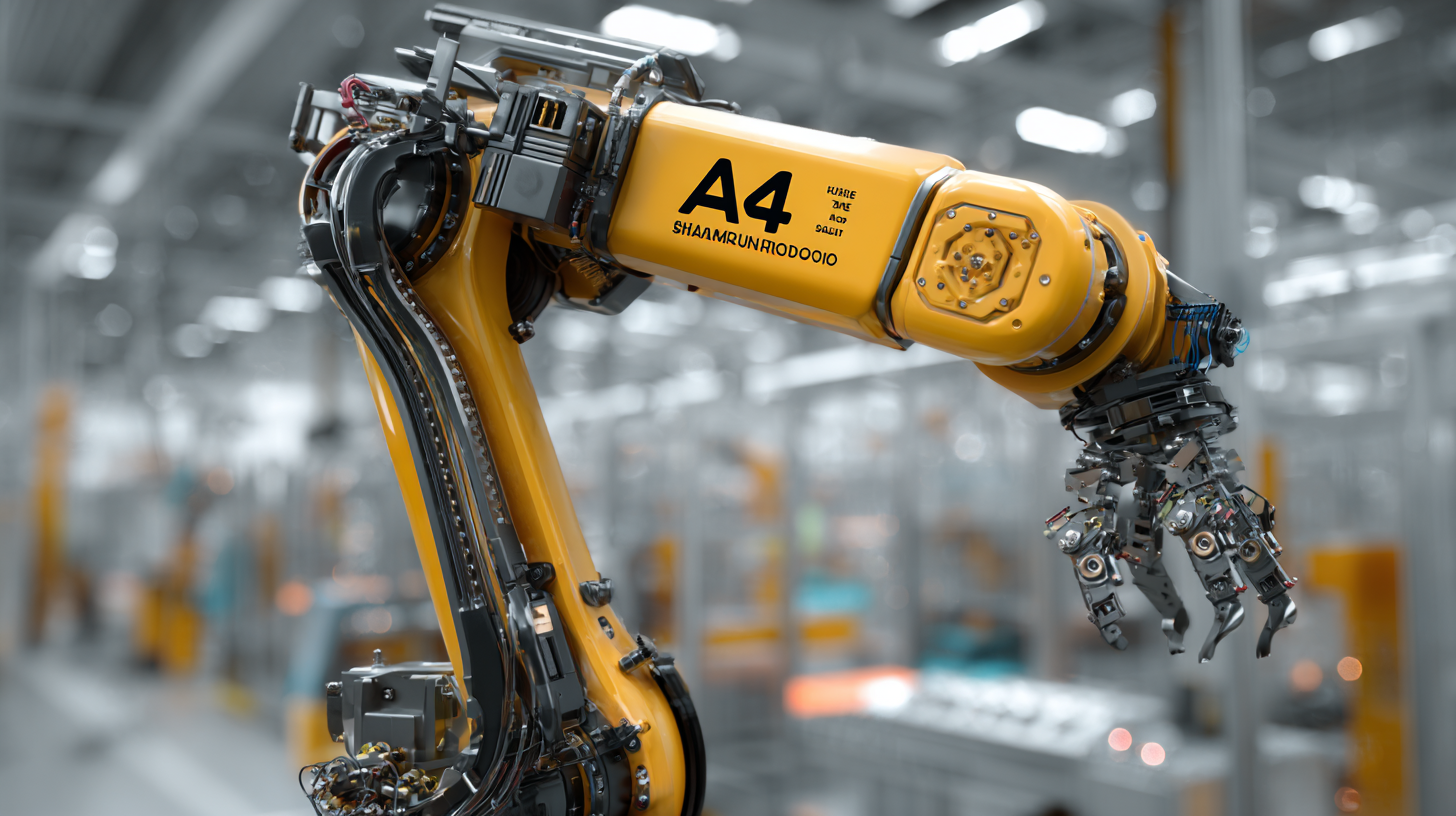
If you want your shoulder robots to last and perform well, it’s super important to have some solid maintenance strategies in place, especially if you're a business looking to get the most out of your investment. Making sure you schedule regular maintenance checks can really cut down on those frustrating surprises when the robots just stop working. When you do these checks, you should look over the mechanical bits, update the software, and check that all the sensors are doing their jobs. Trust me, sticking to a maintenance routine helps catch any issues early, and it can save you from dealing with those annoying, expensive breakdowns later on.
On top of that, using data analytics can really boost your maintenance game. By keeping an eye on how much the robots are used and how they wear down through those nifty integrated sensors, you can figure out when parts might need some attention or maybe even a replacement. This way, you’ll not only save money by avoiding unnecessary check-ups but also get a better grip on your budget. Plus, making sure your staff knows the best ways to operate and take care of the shoulder robots can go a long way in reducing wear and tear while maximizing their performance. Putting time into training your team means they’ll be aware of what it takes to keep everything running smoothly, which translates into a reliable and cost-effective solution down the road.
| Maintenance Strategy | Frequency | Estimated Cost ($) | Impact on Efficiency (%) | Notes |
|---|---|---|---|---|
| Routine Lubrication | Monthly | 50 | 15 | Prevents friction and wear. |
| Software Updates | Quarterly | 200 | 20 | Enhances functionality. |
| Component Replacement | Yearly | 500 | 30 | Necessary to maintain performance. |
| Calibration | Biannually | 150 | 10 | Ensures precision in operations. |
| Emergency Inspection | As Needed | 300 | 25 | Immediate action for failures. |
So, if you're thinking about getting a shoulder robot, it’s super important to check out all the different options that are out there. Each model has its own cool features, capabilities, and price tags, so doing a proper comparison is key to making sure you’re getting the best bang for your buck. You’ll notice that the top brands tend to shine in different areas—like how much weight they can carry, their precision, and how easily they fit into what you’re already doing. It’s a good idea to really think about what specific features you actually need for your projects so you can sift through all the choices without getting overwhelmed.
And hey, while you're diving into the tech specs, don’t forget about keeping your costs in check on the maintenance side of things. A robot's real value isn’t just about what you pay upfront; it also includes the support and maintenance costs down the road. Brands that have solid service packages can really help you save time and keep things running smoothly. It’s wise to look into warranties, how available support is, and read up on user reviews to get a better sense of the long-term commitment each model requires. By carefully comparing these elements, businesses can find shoulder robots that not only tackle their immediate tasks but also deliver solid productivity over time.
When it comes to managing shoulder robots effectively, it’s all about boosting efficiency and cutting down on downtime. Here at Linyi Lingong Intelligent Information Technology Co., Ltd., we've figured out something really important: no matter how high-tech the gear is, getting your team trained properly is absolutely key to tapping into its full potential. If operators really know the ropes, they can use the robot's features to their advantage, which means more productivity and fewer mistakes.
So, here’s a tip for you: roll out a comprehensive training program. Make sure it’s not all about the technical stuff—include some best practices for solving problems and keeping the robots in tip-top shape. This way, your team will feel ready to tackle whatever comes their way.
Another thing to keep in mind is that it’s super helpful to regularly update your training materials and sessions. Get feedback from users and keep an eye on any tech advancements. Staying in the loop will help everyone stay sharp with the new features and enhancements that come with the shoulder robots, ultimately making everything run smoother.
And let’s not forget about after-sales support! Having experts on hand to help with troubleshooting and maintenance can be a game changer. By blending thorough user training with solid support, you can really make shoulder robots a seamless part of your operations, leading to a smooth and efficient workflow.
Hey there! You know, in today’s super competitive world, it’s really crucial to boost productivity by staying engaged with after-sales support. At Linyi Lingong Intelligent Information Technology Co., Ltd., we totally get that to really leverage the efficiency of shoulder robots, you need solid after-sales help and budget-friendly maintenance options. That’s why we’re all about helping our clients get the most out of their investments with dedicated service and support – it’s what we do best!
So, here’s a tip for keeping those shoulder robots in tip-top shape: set up a regular check-up schedule. Trust me, routine maintenance is a game changer. It not only catches issues before they become big headaches but also helps your machines last longer. And don’t forget to keep your operators in the loop with the latest software updates and guidelines, so they can really utilize the tech to its fullest.
And hey, one more thing – keeping an open chat with your after-sales service team is super important. When you connect with our specialists, you’re not just getting advice; you’re getting strategies that are tailored to your unique needs. This kind of teamwork is key for rolling with the punches of changing market demands and keeping that productivity flowing smoothly.
: After-sales support is crucial as it enhances customer satisfaction, reduces downtime, and ensures that the technology performs optimally while adapting to unique application needs.
Effective maintenance solutions can maximize the efficiency of shoulder robots, leading to increased productivity, cost savings, and enhanced customer relationships.
Key maintenance strategies include regularly scheduled maintenance checks, data analytics for monitoring usage patterns, and training staff on best practices to maximize performance and reduce wear.
Data analytics can predict when components require servicing or replacement by monitoring usage patterns and wear levels, allowing for more effective budgeting and minimizing unnecessary maintenance.
When selecting shoulder robots, consider technical specifications, unique features, price points, maintenance solutions, warranties, support availability, and user reviews.
Maintenance costs are an essential factor in the robot's lifecycle value, influencing the overall investment, as comprehensive service packages can reduce downtime and prolong operational efficiency.
Training staff on best practices for operating and maintaining shoulder robots ensures optimal efficiency and minimizes wear and tear, contributing to a cost-effective robotic solution.
A routine maintenance schedule helps identify potential issues early, eliminating minor repairs before they escalate into costly breakdowns, thus reducing unexpected downtime.
Businesses should look for comprehensive service packages, support availability, and warranties that can enhance operational efficiency and reduce long-term costs.
By emphasizing a strategic approach to after-sales support and maintenance, companies can enhance innovation, customer satisfaction, and market leadership in the shoulder robotics field.