In today’s super busy world of logistics, the idea of Stacking Warehouse solutions is really changing how we store and manage goods. If you’ve been keeping an eye on industry news, you probably saw that the global warehousing market is expected to hit about $1.1 trillion by 2025—that’s a huge jump, and a big chunk of that growth comes from tech and systems that make everything more efficient. Linyi Lingong Intelligent Information Technology Co., Ltd., a high-tech company from China, has been leading the charge since it started back in 2013. They focus on creating smart manufacturing products that really make a difference. By adopting these advanced Stacking Warehouse solutions, companies can make better use of their space, get their operations running more smoothly, and cut costs—all while boosting overall productivity. This guide’s here to walk you through different types of Stacking Warehouse systems out there and share how you can really make the most of them to improve efficiency in your own business.
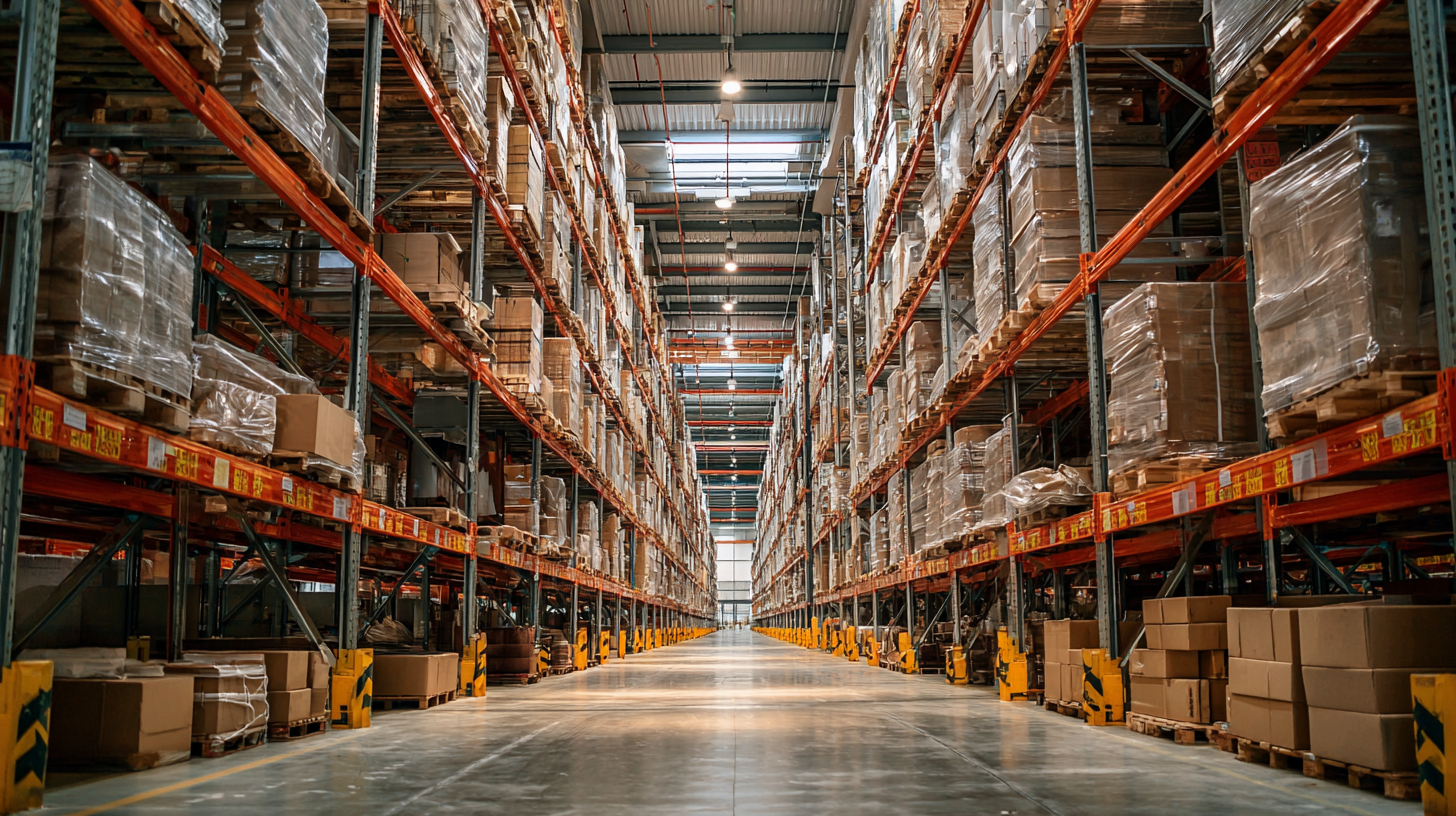
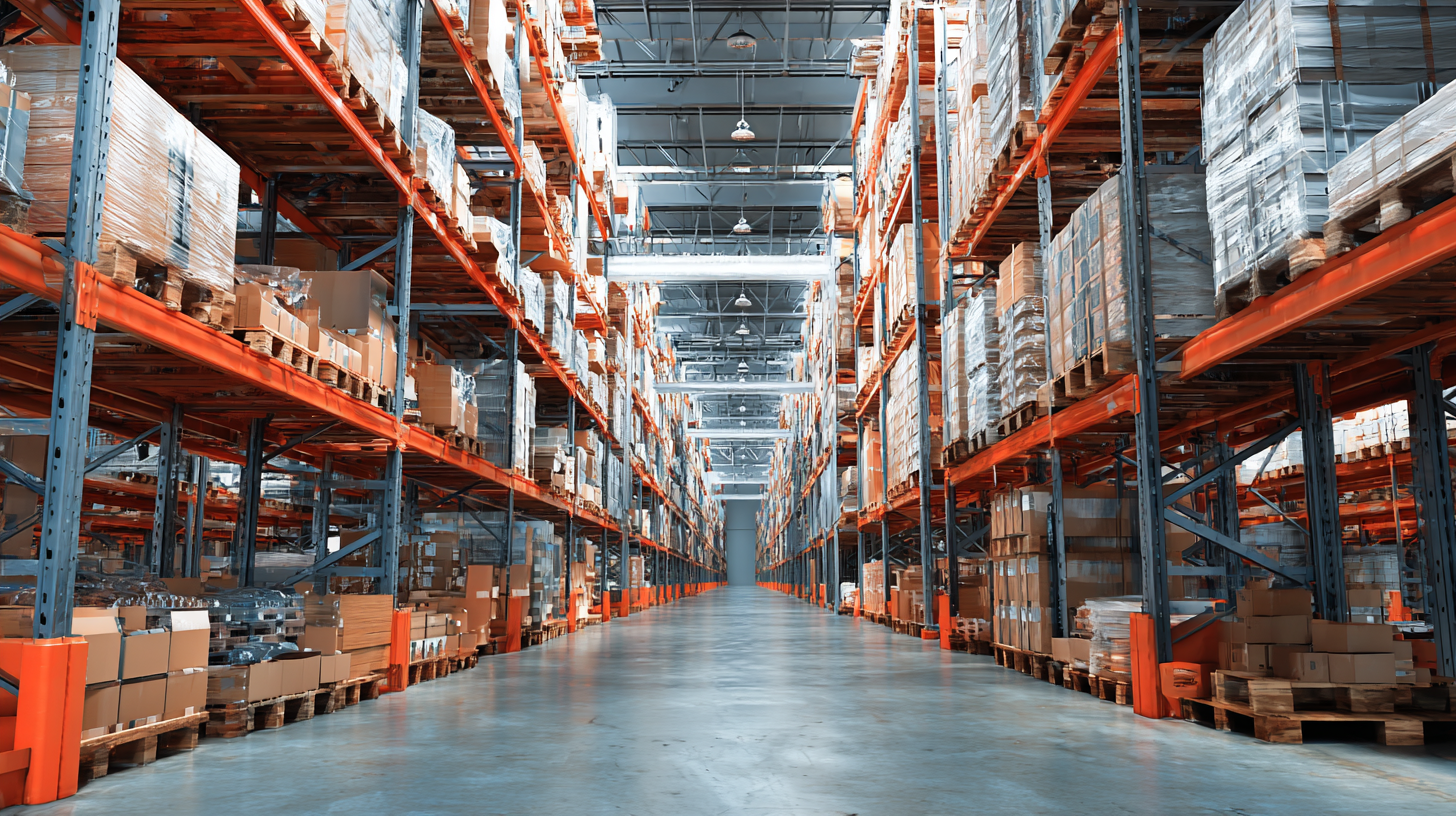
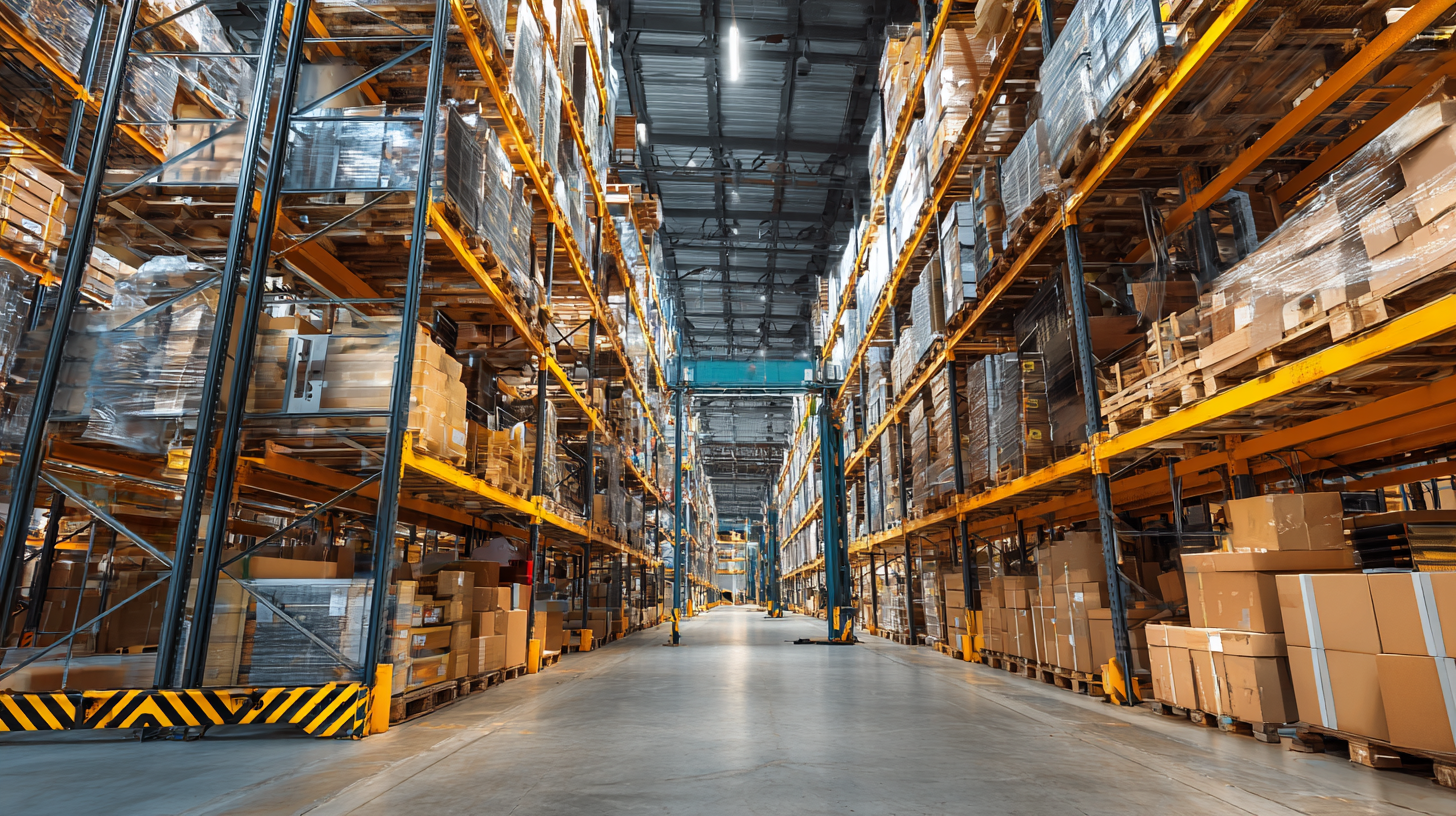
Stacking warehouse solutions are really becoming a game-changer in today’s supply chain world, especially as companies look for smarter ways to make the most of their space and streamline operations. I’ve seen that, according to the Warehousing Education and Research Council (WERC), more than 69% of warehouse managers say that squeezing every bit of space they can is a top priority. Technologies like pallet racking and vertical storage aren’t just about fitting more stuff in — they help utilize the vertical space, giving businesses up to 50% more storage without needing extra square footage. Pretty impressive, right?
But it’s not just about saving space. These stacking solutions also boost efficiency — a report from MHI mentioned that companies using these setups can cut down order-picking times by up to 25%. That’s a big deal when you're trying to get orders out faster. Plus, they make the warehouse safer by keeping everything organized and reducing chaos, which means fewer accidents. As the world of logistics keeps changing, I really think adopting more advanced stacking tech will be a total game changer for businesses, helping them stay competitive, meet growing consumer expectations, and keep operations running smoothly. It’s exciting stuff!
When you're thinking about stacking solutions for your warehouse, it's really important to start with a full understanding of what you actually need. Take some time to look at the types of products you'll be storing and their sizes. For example, how heavy or bulky they are will play a big role in deciding what kind of racking system will work best. Also, think about how often you need to access these items. If you’ve got products that fly off the shelves quickly, you’ll want storage that’s easy to reach. On the other hand, slower-moving stuff can be stacked more densely without sacrificing accessibility.
Another key point is your warehouse layout. Getting a clear picture of the space — both vertically and horizontally — helps you pick a stacking setup that makes the most of your storage while keeping things safe and within the rules. Don't forget to consider the future, too. It’s smart to choose flexible stacking options that can grow with your business, so you don’t have to rip everything out and start over later on. When you take all these factors into account, you'll end up with a system that not only makes your warehouse run smoother but also helps boost productivity and keeps things well-organized.
Nowadays, when it comes to managing warehouses effectively, good layout design—especially with stacking systems—is a total game changer. These solutions help make the most of vertical space, turning a cluttered mess into a neat, organized area. Not only does this make stuff easier to find and grab, but it also speeds up workflows because you’re not wasting time hunting down items. If you think about it, planning out specific stacking zones carefully can really boost how productive your warehouse can be.
But, I’ll be honest, setting up these stacking systems isn’t just about throwing shelves up. You gotta consider what kind of stuff you're storing, how heavy it is, and how often you need to access it. Using a kinda smart design process — like a generative workflow — can help you figure out the best configuration for your needs. That way, every inch of your warehouse is working hard, not wasted. When you focus on a solid layout, you're basically upgrading your storage game and making your whole operation run more smoothly — which is a win for logistics and managing inventory all around.
| Warehouse Type | Stacking System | Space Optimized (sq ft) | Efficiency Gain (%) | Implementation Cost ($) |
|---|---|---|---|---|
| Retail Warehouse | High-Density Racking | 1200 | 30 | 15000 |
| Distribution Center | Selective Racking | 2000 | 25 | 20000 |
| Cold Storage Warehouse | Pallet Flow Racking | 1500 | 35 | 25000 |
| Automotive Parts Warehouse | Cantilever Racking | 1100 | 20 | 18000 |
| E-commerce Fulfillment Center | Mobile Racking | 1750 | 40 | 30000 |
Switching to stacking solutions in your warehouse can seriously change the game when it comes to making the most of your space and bumping up efficiency. To start, take a good look at your current layout and the kind of inventory you keep. Knowing the sizes and weights of your products really helps when you're picking out the right shelving and racking setups. Think about maximizing vertical space with options like pallet racks or mobile shelving — it’s a smart move! Also, placing the items you grab most often at eye level, and those you don’t pick as much higher up, makes the whole process smoother and saves you time running around.
Another thing I’d suggest is investing in the right tech tools. A good warehouse management system (WMS) can give you real-time updates on your inventory — where everything is and how much you have. That way, tweaking your stacking layout becomes way easier. Automating repetitive tasks like counting inventory or picking orders can really boost accuracy and speed. And don’t forget to train your team regularly on the best stacking techniques and safety practices. Keeping everyone in the loop helps create a culture of continuous improvement and keeps your warehouse running like a well-oiled machine.
In today’s fast-paced warehouse environment, keeping everything safe and running smoothly is more important than ever — especially when you’re dealing with stacking solutions. You know, forklifts are pretty much the go-to for stacking and moving loads around, but if they’re not used properly, they can be real hazards. I came across the NSW Forklift Safety Report from February 2023, and it’s pretty clear — bad forklift handling is one of the main reasons for workplace injuries. That’s why it’s so crucial for warehouses to have solid training programs in place, making sure that everyone operating forklifts is properly certified and kept up-to-date with safety procedures.
Some tips to boost safety during stacking include doing regular checks on equipment — you’d be surprised how much a quick inspection can prevent accidents. Also, fostering a safety-first mindset among workers really helps. Using real-time tracking systems to watch over compliance and operational efficiency can make a big difference, too — they help keep everything in check and cut down on workplace mishaps. And with all the new safety tech out there, warehouses have some pretty cool tools to make the environment safer.
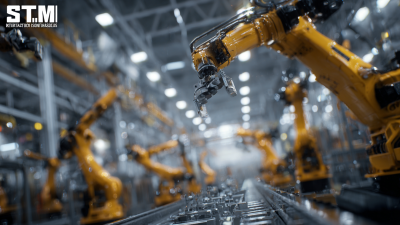
Plus, bringing automation into the mix can seriously improve safety standards. Cutting-edge stuff like advanced robots doesn’t just make stacking easier; they can also keep an eye out for hazards and monitor the workspace. By tapping into these innovations, warehouses aren’t just getting more efficient — they’re also making it safer for everyone on the team.
When you're looking at how well stacking warehouse solutions perform, it's super important to use the right metrics that really show how efficient things are. I read in a report by the Warehousing Education and Research Council (WERC) that making better use of space can actually cut down operational costs by about 30%. That’s a pretty big deal, and it highlights just how crucial it is to pay attention to vertical space usage—like how we use tall storage systems, such as pallet racks and Automated Storage solutions. Are we making the most of that vertical real estate?
Another key thing to keep an eye on is how accurate order picking is. According to a study by MHI, companies that are using advanced stacking solutions are hitting pick accuracy rates of over 99%. That’s fantastic because it makes customers happier and also helps cut costs related to returns or re-shipping. Plus, tracking how long it takes to pick and store items can really help spot slow spots or bottlenecks—that’s what stacking systems are meant to solve, right?
Getting a good handle on these numbers helps warehouse managers make smarter, data-backed decisions that ramp up productivity and overall efficiency. It’s all about understanding what really works and where we can improve to keep things moving smoothly.
: Effective layout design is crucial for maximizing space and efficiency, enabling warehouses to utilize vertical space and allowing for a more organized environment while reducing the time needed to locate and retrieve items.
Factors to consider include the types of goods stored, their weight, and the frequency of access, which help in determining the optimal configurations for stacking systems.
Best practices include assessing the current layout and inventory, choosing suitable shelving/racking systems, placing frequently picked items at eye level, and investing in technology like warehouse management systems (WMS).
Integrating WMS provides real-time data on inventory and locations, and automating routine tasks enhances accuracy and efficiency in warehouse operations.
Key metrics include space utilization, order picking accuracy, and the time taken to pick and store items, which help identify bottlenecks and measure overall productivity.
Optimizing space utilization can lead to a 30% reduction in operational costs, underscoring the importance of effective stacking solutions.
Companies using advanced stacking solutions can achieve picking accuracy rates of over 99%, which enhances customer satisfaction and reduces costs associated with returns and re-shipments.
Regular training on stacking techniques and safety measures promotes a culture of continuous improvement, ensuring the warehouse operates efficiently.
Placing slower-moving stock higher up optimizes space and streamlines the picking process, reducing travel time for frequently picked items.
Stacking systems streamline workflow by enhancing accessibility and organization, ultimately reducing the time needed for item retrieval and improving overall operational efficiency.