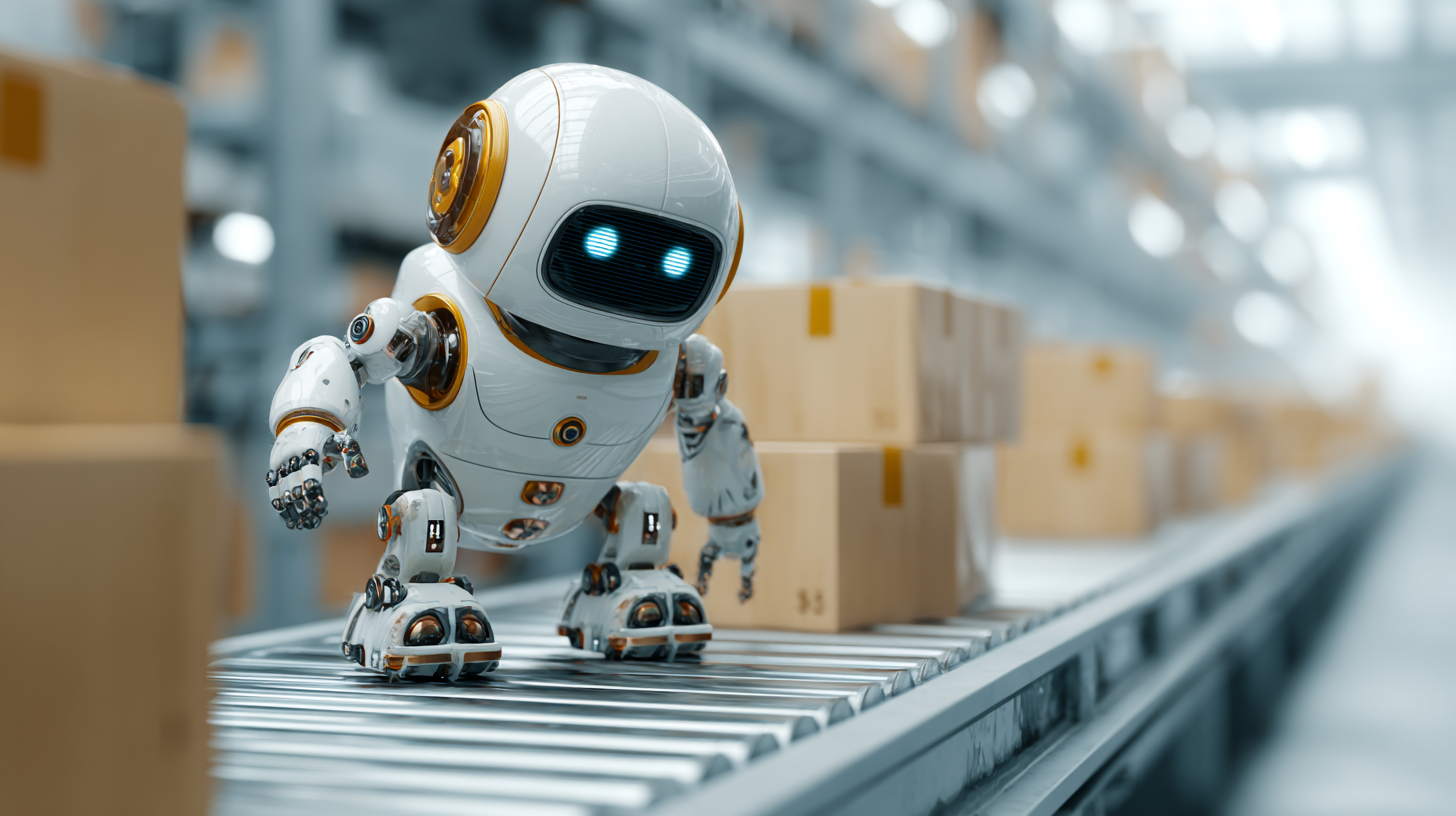
You know, in today's fast-paced world of automation, Mobile Robots are really shaking things up in supply chains around the globe. These clever machines do a lot more than just move things around—they make manufacturing smoother and more accurate, and they’re super important for streamlining logistics and deliveries too. At Linyi Lingong Intelligent Information Technology Co., Ltd., we’ve been all about innovation since 2013, focusing on the research, creation, sales, and support of key products for smart manufacturing. As we look more into what Mobile Robots can do, it’s pretty clear—they’re changing the game in automation, helping drive new ideas, and totally transforming how operational workflows work worldwide.
How Mobile Robots Enhance Efficiency in Automated Warehousing
Lately, there's been a noticeable shift in how warehouses operate, thanks to autonomous mobile robots, or AMRsfor short. These little guys are really changing the game when it comes to automation. Unlike the older Automated Guided vehicles (or AGVs), AMRs use smart navigation tech and AI, so they can pretty much operate on their own and adapt to whatever’s going on around them. It’s pretty cool because it helps warehouses run smoother, moving goods around more efficiently, cutting down on the need for human labor, and boosting overall throughput.
With e-commerce just blowing up these days, having AMRs on the floor isn’t just a nice-to-have anymore — it’s essential for meeting the crazy fast delivery expectations customers now have. And things are only getting better, with new tech like AI-driven fleet management helping businesses deploy smarter robots that can work side-by-side with people without any fuss. This kind of tech speeds up sorting and processing, and also tackles common shipping hiccups — making companies more agile when it comes to shifting consumer demands. As companies keep pouring money into warehouse automation, it’s clear they’re betting big on AMRs — totally transforming how goods are stored, handled, and shipped around the world.
The Role of AI in the Operation of Mobile Robots in Supply Chains
You know, the way AI is now being integrated into mobile robots really has turned things around for supply chain operations. It’s like we’re finally breaking through limits we once thought were just out of reach, making everything more efficient and saving money in the process. These smart robots can actually navigate tricky environments on their own — they’re pretty good at it, too — moving goods around with both precision and a bit of agility. What’s really cool is how they can analyze real-time data from their surroundings, which helps them make quick decisions — like dodging obstacles, finding better routes, or adjusting when the conditions change. It’s a game-changer, especially in fast-moving supply chains where every second counts.
And it doesn’t stop there. AI really boosts their learning skills, meaning these robots get better over time. Thanks to machine learning, they can spot patterns in all sorts of operational data, predict when maintenance might be needed, and tweak their workflows to get even more done. This kind of adaptability doesn’t just speed things up; it also helps cut down on downtime, keeping everything running smoothly. As more companies jump on board with AI-powered mobile robots, it’s becoming clear that smarter logistics and smoother operations are right around the corner — helping businesses react faster and meet market demands more effectively.
Understanding Mobile Robots in Modern Automation and Their Impact on Global Supply Chains - The Role of AI in the Operation of Mobile Robots in Supply Chains
| Dimension | Description | Impact on Supply Chains | AI Role |
| Automation Level | Degree of process automation in the supply chain | Increases efficiency and reduces manual errors | Optimizes task allocation and scheduling |
| Robot Types | Different types of mobile robots used in automation | Enhances flexibility in warehouse operations | Facilitates advanced decision-making processes |
| Cost Efficiency | Reduction in operational costs | Maximizes profit margins | Enables predictive maintenance and resource management |
| Safety Standards | Safety protocols followed by mobile robots | Reduces workplace accidents and liabilities | Improves real-time hazard detection |
| Integration Capability | Ease of integrating robots with existing systems | Streamlines overall process efficiency | Supports cross-functional data analysis |
Key Considerations for Integrating Mobile Robots into Existing Systems
You know, integrating mobile robots into existing systems is really becoming a game-changer in modern automation, especially for industries looking to boost efficiency in global supply chains. According to a report from the International Federation of Robotics, we're expecting a pretty impressive 25% annual growth rate in deploying these robots for material handling between 2021 and 2025. Companies like Linyi Lingong Intelligent Information Technology Co., Ltd., which focuses on smart manufacturing, really need to think through a few key things when it comes to bringing these technologies onboard.
First off, making sure that mobile robots can smoothly work with the current infrastructure is crucial. That means businesses need to look at how their workflows are set up now and see where things could be improved. Also, data from McKinsey highlights that organizations investing in automation can see productivity jumps of around 20-30%. So, it’s important for companies to carefully evaluate their specific needs and pick the right mobile robotics solutions that will fit their manufacturing processes. And don’t forget—training staff properly and keeping communication clear are absolutely vital to making sure the switch to automation goes as smoothly as possible.
Impact of Mobile Robots on Global Supply Chains
This chart illustrates the growth in the adoption of mobile robots within global supply chains from 2018 to 2023, highlighting key dimensions such as efficiency improvements, cost savings, and operational flexibility.
Future Trends: The Evolution of Mobile Robots in Global Logistics
You know, the way mobile robots are evolving in global logistics is actually changing the game when it comes to moving and managing goods in supply chains. As tech keeps improving, these robots are becoming more intelligent, programmable, and able to interact with their surroundings in pretty complex ways. It’s a big shift that helps businesses run smoother, cut down on labor costs, and boost overall efficiency. Looking ahead, I think we’ll see these robots packed with AI, so they can learn from their environment and tweak their behaviors to make logistics even better.
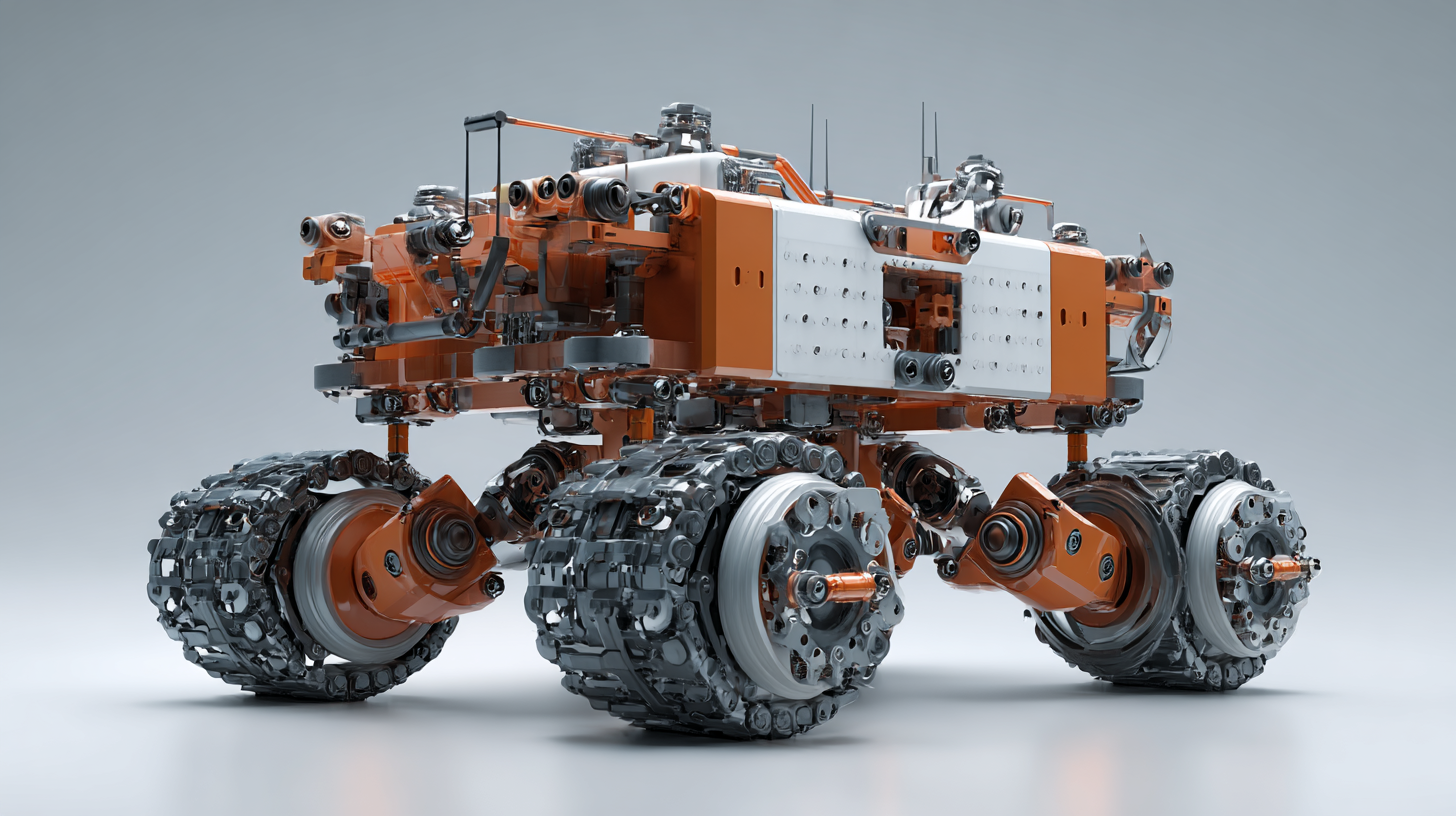
If your business is thinking of bringing mobile robots into the mix, here’s a little advice. First, take a good look at your current setup—your layout and workflow—and figure out where automation could really make a difference. Next, start small with pilot projects to see how the robots perform in a controlled setting. That way, you can test things out and fine-tune them before going all in. And don’t forget about your team—making sure your staff is trained and comfortable working alongside these new techs is key to a smooth transition.
With everyone demanding faster deliveries and smarter supply chains, mobile robots are stepping up to meet those challenges. Their ability to work confidently in all sorts of environments and communicate with other systems will be huge in making global logistics more efficient. Jumping on board with these innovations isn’t just about staying competitive; it’s about standing out in the marketplace and really making a difference in how you operate.
Challenges and Solutions in Implementing Mobile Robot Technology
These days, the way mobile robots are being integrated into our automated systems is really changing the game for global supply chains. But, full-on implementation? That still comes with some hurdles. I recently read a report from McKinsey saying that if companies fully embraced automation tech—including mobile robots—they could see productivity jumps of around 30%. Sounds awesome, right? The tricky part is, many businesses struggle to mesh these new systems with their current setups and workflows. You see, most traditional supply chains weren’t built with the flexible, autonomous nature of these robots in mind, which can lead to choke points and higher costs in operations.
And let’s not forget about security concerns — they’re a big deal here. According to Deloitte, about 22% of companies worry about data breaches when it comes to robotic systems, mainly because these devices depend heavily on connected networks for their functioning and communication. But don’t worry, setting up solid cybersecurity measures and doing regular system checks can totally help reduce those risks. Plus, investing in proper training for employees is a must. It helps close the skills gap so that humans and robots can actually work together smoothly in this constantly changing supply chain environment.
FAQS
: Mobile robots are reshaping the way goods are transported and managed within supply chains, enabling businesses to streamline operations, reduce labor costs, and improve overall efficiency.
Businesses should assess their current system's layout and workflow, start with pilot projects to implement mobile robots in controlled environments, and invest in training their workforce to collaborate with these technologies.
The future will likely see mobile robots equipped with AI, allowing them to learn from their surroundings and adapt their behaviors to optimize logistics processes further.
Companies often struggle with integrating mobile robots into existing infrastructure and workflows, leading to logistical bottlenecks and increased operational costs.
A report by McKinsey indicates that the logistics sector could improve productivity by 30% with the adoption of automation technologies, including mobile robots.
22% of firms worry about data breaches associated with robotic systems due to their reliance on interconnected networks for operation and communication.
Implementing robust cybersecurity protocols and conducting regular system audits can help address security concerns in the adoption of mobile robot technology.
Employee training bridges the knowledge gap and ensures that both humans and robots can work collaboratively and effectively in a dynamically evolving supply chain landscape.
The ability of mobile robots to operate in diverse environments and communicate with other systems helps meet the increasing demand for faster deliveries and efficient supply chain management.
Adopting innovations in mobile robotics not only drives efficiency but also distinguishes companies in a competitive market.
Conclusion
In today’s fast-changing world of automation, mobile robots are really making a difference when it comes to making warehouse operations more efficient. Thanks to state-of-the-art AI tech, these bots help streamline supply chains, making inventory management faster and more precise. Of course, as companies consider bringing mobile robots into their existing setups, they’ve got to think about a few key things—like whether everything’s compatible, how to train staff properly, and safety measures to keep in mind.
Looking ahead, the future of mobile robots in global logistics seems pretty promising. Trends suggest they’ll become more autonomous and better at making decisions on their own. But, yeah, there are some hurdles too—like the costs involved in implementing these systems and tackling technical challenges. Companies such as Linyi Lingong Intelligent Information Technology Co., Ltd. are really leading the way here, pushing forward with innovative solutions that tap into the full potential of mobile robots—and ultimately making the entire supply chain more efficient and smarter.
All in all, it’s an exciting time for this technology, even if there are a few bumps along the road.