In today’s fast-changing world of logistics, optimizing an Automated Storage Warehouse (or ASW) is more important than ever for businesses looking to boost efficiency and cut costs. I mean, if you’ve seen reports from the Warehousing Education and Research Council (WERC), they mention that warehouses with automation can be up to 25% more productive than the old-school, manual systems. The big push towards automation really comes down to the need for quicker order processing and the demand for managing inventory with super accuracy. According to the folks at the National Institute of Standards and Technology (NIST), automated systems can cut down order processing times by around 40%. That’s a game-changer when it comes to meeting customers' expectations for speedy deliveries.
But here’s the thing—simply throwing in some tech isn’t enough. To really make an Automated Storage Warehouse shine, you’ve got to think strategically about everything—layout design, managing inventory, and how your team fits into the picture. A study from McKinsey & Company shows that companies investing in these automated solutions usually see a return of about 15-30% within the first year. So, with all this compelling data showing how beneficial automation can be, it’s crucial for stakeholders to understand how to actually leverage these technologies and strategies. That’s the secret sauce to making sure the warehouse runs at its absolute best and delivers those wins everyone’s after.
Identifying Key Performance Indicators for Warehouse Efficiency
In optimizing your automated storage warehouse, one of the most critical aspects is identifying and monitoring key performance indicators (KPIs) that define efficiency. KPIs such as inventory turnover rates, order picking accuracy, and space utilization are essential in evaluating the overall performance of your warehouse operations. These metrics not only help identify bottlenecks in processes but also provide insights into areas that require improvement.
To enhance your warehouse efficiency, consider implementing real-time tracking systems that offer data on these KPIs. This will allow you to make informed decisions rapidly and adjust strategies as needed.
**Tips**: Focus on regularly reviewing your KPIs and set benchmarks for performance. Encourage team members to contribute suggestions for improving efficiency based on their day-to-day experiences. Utilizing automation further can aid in achieving higher accuracy and reducing manual errors, leading to improved order fulfillment rates.
Another vital KPI to monitor is cycle time, which measures the duration from receiving an order to its fulfillment. Streamlining this process can significantly elevate your productivity levels.
**Tips**: Analyze your workflows meticulously to identify steps that can be automated or optimized. Ensure that your team is well-trained in using any automated systems effectively, as knowledgeable employees can drastically reduce cycle times and improve overall service quality.
How to Optimize Your Automated Storage Warehouse for Maximum Efficiency
| Key Performance Indicator (KPI) | Measurement Unit | Current Value | Target Value | Status |
| Order Picking Accuracy | Percentage (%) | 98% | 99% | On Track |
| Average Order Fulfillment Time | Hours | 2.5 | 2 | Needs Improvement |
| Warehouse Space Utilization | Percentage (%) | 75% | 85% | On Track |
| Inventory Turnover Rate | Times per Year | 6 | 8 | Below Target |
| Labor Productivity Rate | Units per Hour | 100 | 120 | Needs Improvement |
Assessing Current Storage Layout and Workflow Optimization
Assessing the current storage layout is crucial for optimizing an automated storage warehouse's efficiency. A thorough evaluation begins with mapping the existing layout to identify areas of congestion and wasted space. By analyzing the flow of goods, operators can determine optimal paths for retrieval and storage, ensuring minimal travel time for automated systems. Adjustments might include repositioning storage units or incorporating vertical space more effectively, which can significantly enhance operational throughput.
In addition to physical layout, workflow optimization plays a key role. Streamlining processes through better integration of automation technologies can help reduce downtime. For instance, implementing real-time monitoring systems can provide insights into operational bottlenecks and allow for immediate corrective actions.
Training staff on best practices for managing automated interactions fosters a seamless workflow, minimizing delays and improving overall efficiency. By systematically evaluating and refining both layout and workflow, warehouses can achieve a higher level of performance and responsiveness to demand fluctuations.
Implementing Advanced Automation Technologies and Solutions
Implementing advanced automation technologies is crucial for optimizing your automated storage warehouse. Start by integrating sophisticated Warehouse Management Systems (WMS) that provide real-time inventory management. These systems enhance tracking accuracy and streamline picking processes, allowing for swift adjustments in stock levels and reducing human error. Investing in robotics for picking and sorting can greatly increase both speed and efficiency, minimizing the time goods spend in storage and ensuring that your warehouse operates smoothly.
Tips: Consider using Automated Guided Vehicles (AGVs) to transport goods within the warehouse. They can operate continuously without human intervention, providing significant labor cost savings while maintaining consistent productivity. Additionally, employing IoT sensors in your warehouse can help monitor equipment health and performance, thus preventing downtime and extending the lifespan of your assets.
Embracing technology also means analyzing data to make informed decisions. Use analytics tools to assess workflow efficiency and identify bottlenecks in your operations. By leveraging data insights, you can fine-tune your processes for better space utilization and inventory turnover. Regularly updating your technology infrastructure ensures that your warehouse remains competitive and capable of meeting the demands of modern logistics.
Enhancing Inventory Management and Tracking Systems
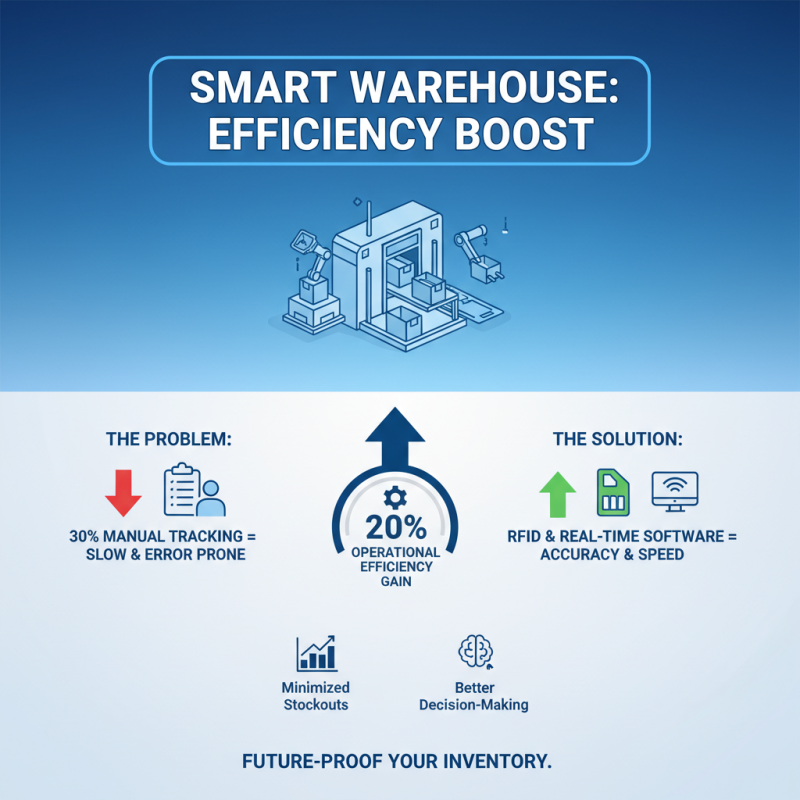
Enhancing inventory management and tracking systems is crucial for maximizing the efficiency of automated storage warehouses. According to a report by the Warehousing Education and Research Council, nearly 30% of operations in automated warehouses still rely on manual tracking methods, which can significantly impede performance. Implementing advanced tracking systems, such as RFID and real-time inventory management software, can dramatically reduce errors and improve accuracy. These technologies provide instantaneous feedback on inventory levels, allowing for better decision-making and minimized stockouts, leading to a potential 20% increase in overall operational efficiency.
Moreover, integrating these systems with data analytics can provide deeper insights into inventory turnover rates and demand forecasting. A McKinsey report highlights that companies leveraging data analytics in their supply chain processes see a 12-15% reduction in inventory holding costs. By utilizing predictive analytics, warehouses can adjust their stock levels based on anticipated demand, further optimizing their storage capabilities. Investing in these technologies not only enhances inventory visibility but also enables warehouses to respond with agility to market changes, ultimately contributing to improved customer satisfaction and retention.
Training Staff for Effective Use of Automated Systems
Training staff effectively is crucial for maximizing the efficiency of automated storage systems. According to a report by the Warehouse Education and Research Council (WERC), well-trained personnel can improve warehouse productivity by up to 25%. This highlights the importance of not just adopting advanced technologies, but also ensuring that employees are equipped with the skills needed to operate and maintain these systems. Comprehensive training programs should cover the specifics of the automated tools in use, including inventory tracking software, robotic systems, and data analysis platforms, which are essential for optimizing workflow.
Moreover, fostering a culture of continuous learning can lead to significant improvements. A study by the National Institute of Standards and Technology (NIST) found that organizations that invest in ongoing training for their employees see a return on investment of approximately 30%. This can be achieved by creating a structured onboarding process for new hires alongside ongoing workshops and mentorship for existing staff. By enhancing their skill sets and encouraging adaptation to evolving technologies, organizations can not only streamline operations but also reduce errors and downtime, ultimately leading to a more agile and efficient automated storage warehouse.
Automated Storage Warehouse Efficiency Overview
This chart illustrates the increase in operational efficiency of an automated storage warehouse before and after staff training on automated systems. Training significantly enhanced the efficiency from 65% to 85%.
Regular Maintenance and Upgrades for Continuous Improvement
Regular maintenance and upgrades are crucial for optimizing automated storage warehouses, essential to ensuring that operations run smoothly and efficiently. According to industry reports from leading logistics and automated systems analysts, a well-maintained automated system can reduce downtime by up to 30%. This reduction not only minimizes lost productivity but also enhances operational capacity, allowing for more efficient inventory management and better order fulfillment. A proactive maintenance schedule, including regular inspections and timely repairs, can uncover potential issues before they escalate, ultimately saving costs associated with emergency repairs and prolonged downtime.
In addition to maintenance, implementing system upgrades can significantly impact warehouse efficiency. Research indicates that warehouses that regularly upgrade their technology and software systems can achieve up to a 25% increase in overall productivity. Automation software updates often come equipped with improved algorithms for inventory tracking and management, which further streamline operations. Moreover, integrating new technologies, such as artificial intelligence and data analytics, into existing systems can optimize processes, enhance decision-making, and improve space utilization. By prioritizing regular maintenance and strategic upgrades, automated storage facilities can not only maintain efficiency but also adapt to the evolving demands of the market, ensuring long-term success and competitiveness.
Analyzing Data for Informed Decision-Making and Planning
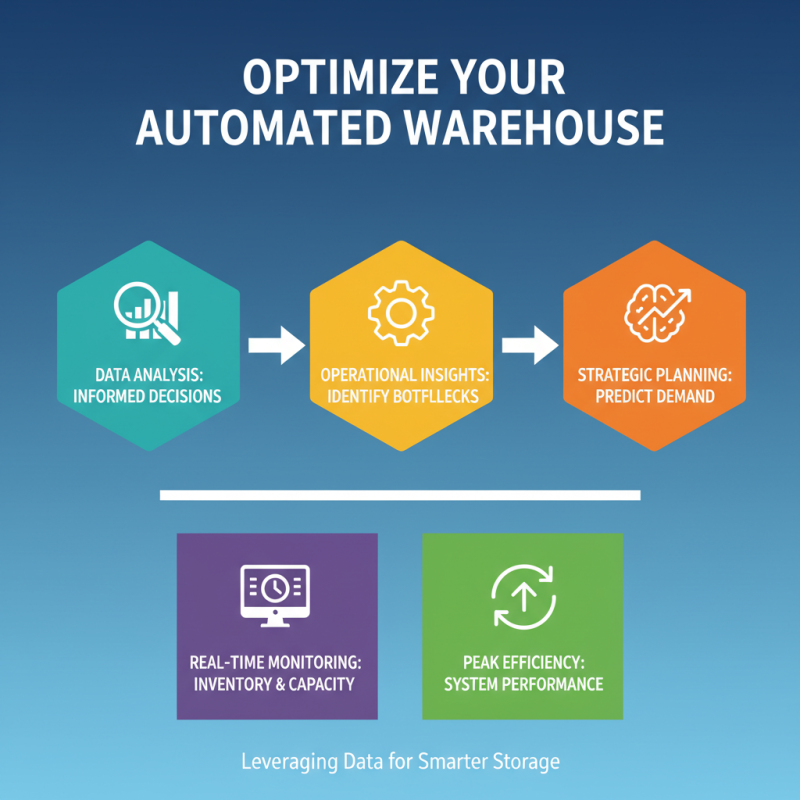
In today's fast-paced world, optimizing your automated storage warehouse requires a keen focus on data analysis to facilitate informed decision-making and strategic planning. By leveraging insights from operational data, warehouse managers can identify bottlenecks, assess system performance, and predict future demands. This analytical approach allows for real-time monitoring of inventory levels and storage capacities, ensuring that the warehouse operates at peak efficiency.
Tips: Utilize data visualization tools to track key performance metrics. This can highlight trends over time, making it easier to identify areas that may need improvement. For instance, by analyzing pick rates, dwell times, and order fulfillment accuracy, you can pinpoint inefficiencies and devise corrective actions.
Moreover, predictive analytics can play a pivotal role in capacity planning. By analyzing historical data and seasonal trends, you can forecast inventory requirements and optimize stock levels accordingly. This proactive approach minimizes the risk of overstocking or stockouts, leading to a more streamlined operation.
Tips: Implement regular data audits to ensure accuracy and relevance. Outdated or incorrect data can lead to misguided decisions, so maintaining data integrity is crucial for effective warehouse optimization. Utilize key metrics regularly to adjust strategies dynamically, ensuring that your warehouse adapts continuously to changing demands.
Innovative Solutions for Efficient Logistics: Exploring the Intelligent Three-Dimensional Warehouse Conveying System
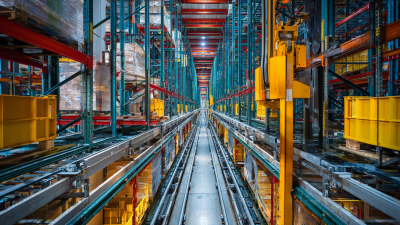
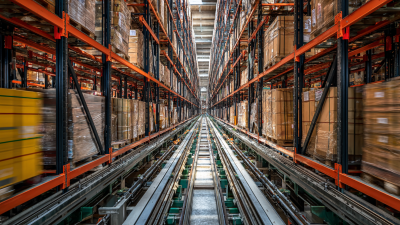
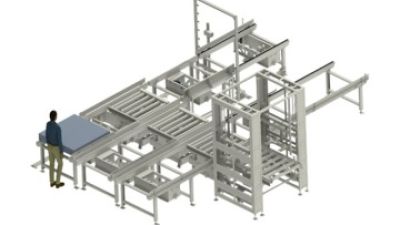
In the realm of modern logistics, the intelligent three-dimensional warehouse conveying system stands out as a beacon of innovation aimed at revolutionizing storage and retrieval processes. This advanced system features a sophisticated array of equipment, including chain conveyors, dismantling and stacking machines, top lifting and transplanting machines, and roller conveyors. Together, these components create a seamless flow of goods, enabling warehouses to maximize space efficiency while significantly reducing the time required for inventory management. According to a recent report by the Warehousing Association, companies implementing automated warehouse solutions have seen productivity increases of up to 30%, demonstrating the tangible benefits of integrating such systems.
The intelligent warehouse system also leverages cutting-edge software and algorithms to orchestrate operations with precision. Real-time data analytics allow for optimal inventory tracking and management, which is crucial in reducing carrying costs. Industry studies indicate that effective inventory management systems can reduce excess stock levels by as much as 20%, further emphasizing the importance of adopting technological advancements in logistics. By optimizing the good's retrieval process, warehouses can improve their service levels and meet customer expectations faster, thus positioning themselves competitively in an ever-evolving market.
Moreover, the integration of these intelligent systems aligns with the growing need for sustainable practices in logistics. Automated systems often lead to a decrease in energy consumption and waste generation, significantly benefiting overall environmental impact. Reports from the Global Logistics Network indicate that warehouses that implement energy-efficient technology can save up to 25% on operational costs over time, thus appealing to both economic and ecological sensibilities in today’s market landscape.
FAQS
: KPIs are measurable values that assess the performance of warehouse operations, including inventory turnover rates, order picking accuracy, space utilization, and cycle time.
Real-time tracking systems provide immediate data on KPIs, enabling quick decision-making and strategy adjustments to improve efficiency.
Cycle time measures the duration from receiving an order to fulfilling it. Reducing cycle time is critical for enhancing productivity and service quality.
An optimized storage layout minimizes congestion and wasted space, allowing for efficient flow of goods and reducing travel time for retrieval and storage.
Streamlining processes through better automation integration and real-time monitoring systems can reduce downtime and improve the overall workflow.
Well-trained staff can effectively manage automated systems and workflows, leading to reduced cycle times and improved service quality.
Automation can enhance order accuracy and reduce manual errors, which contributes to higher order fulfillment rates and overall operational efficiency.
Regular reviews of KPIs help identify performance benchmarks and areas for improvement, enabling ongoing enhancements to warehouse efficiency.
Repositioning storage units for better accessibility and incorporating vertical space usage can enhance operational throughput and efficiency.
Analyzing workflows and implementing real-time monitoring can help identify operational bottlenecks, allowing for immediate corrective actions to enhance efficiency.
Conclusion
Optimizing an Automated Storage Warehouse requires a strategic approach focused on enhancing overall efficiency. Key performance indicators (KPIs) should be identified to measure success accurately, while a thorough assessment of the current storage layout and workflow can highlight areas for improvement. Integrating advanced automation technologies will facilitate smoother operations, paired with robust inventory management and tracking systems to ensure precision and accuracy.
Training staff effectively on the usage of these automated systems is essential for maximizing productivity. Additionally, regular maintenance and timely upgrades foster a culture of continuous improvement, allowing the warehouse to adapt to evolving demands. Finally, analyzing data generated by the operations aids in informed decision-making and long-term planning, ensuring that your Automated Storage Warehouse remains at the forefront of efficiency.