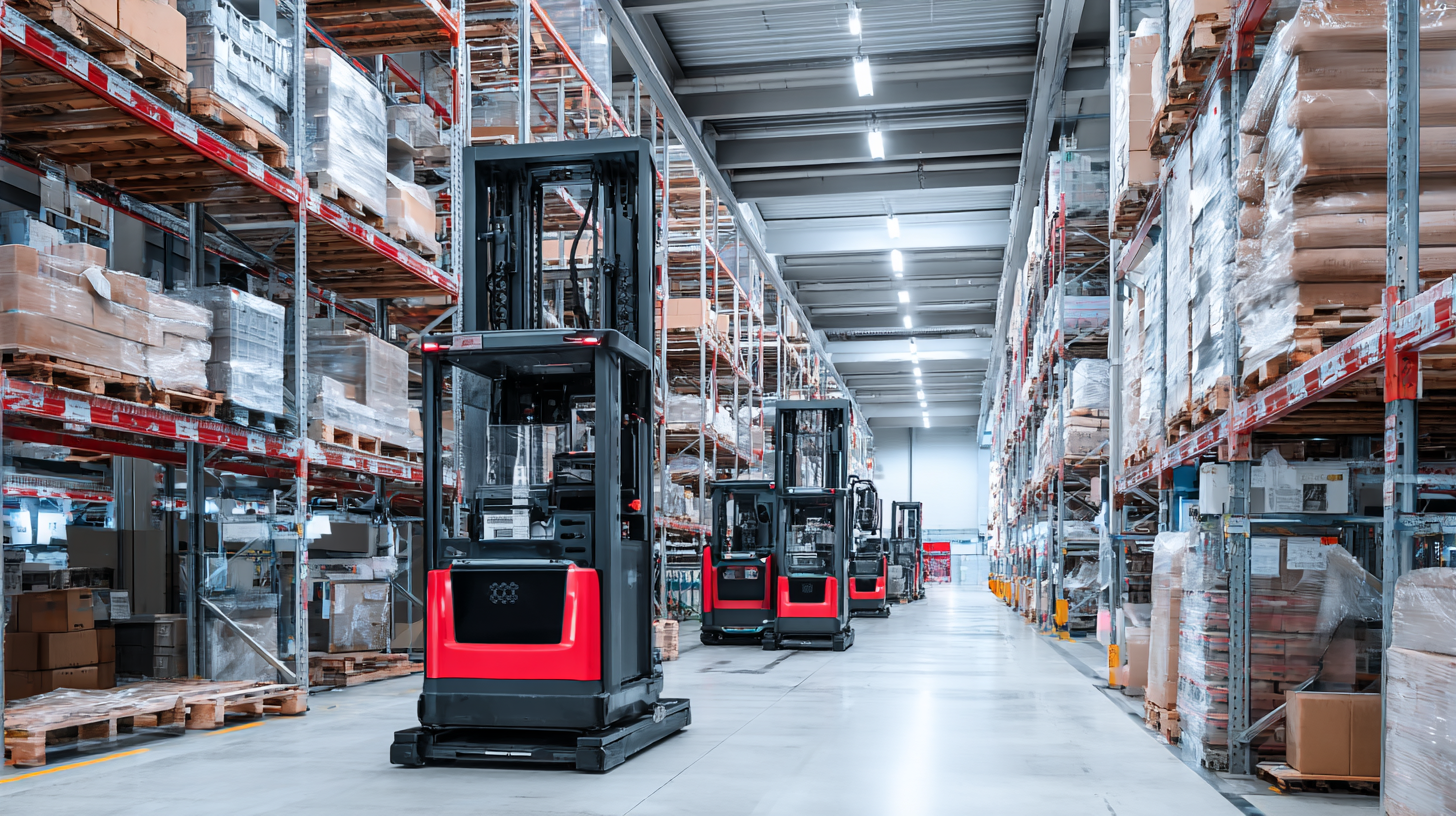
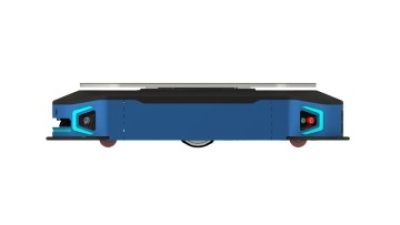
In today’s fast-changing world of logistics, fine-tuning warehouse operations is more important than ever if you want to stay ahead of the competition. A recent report by IDC mentioned that companies can boost their efficiency by up to 30% just by adopting smarter automation tech. 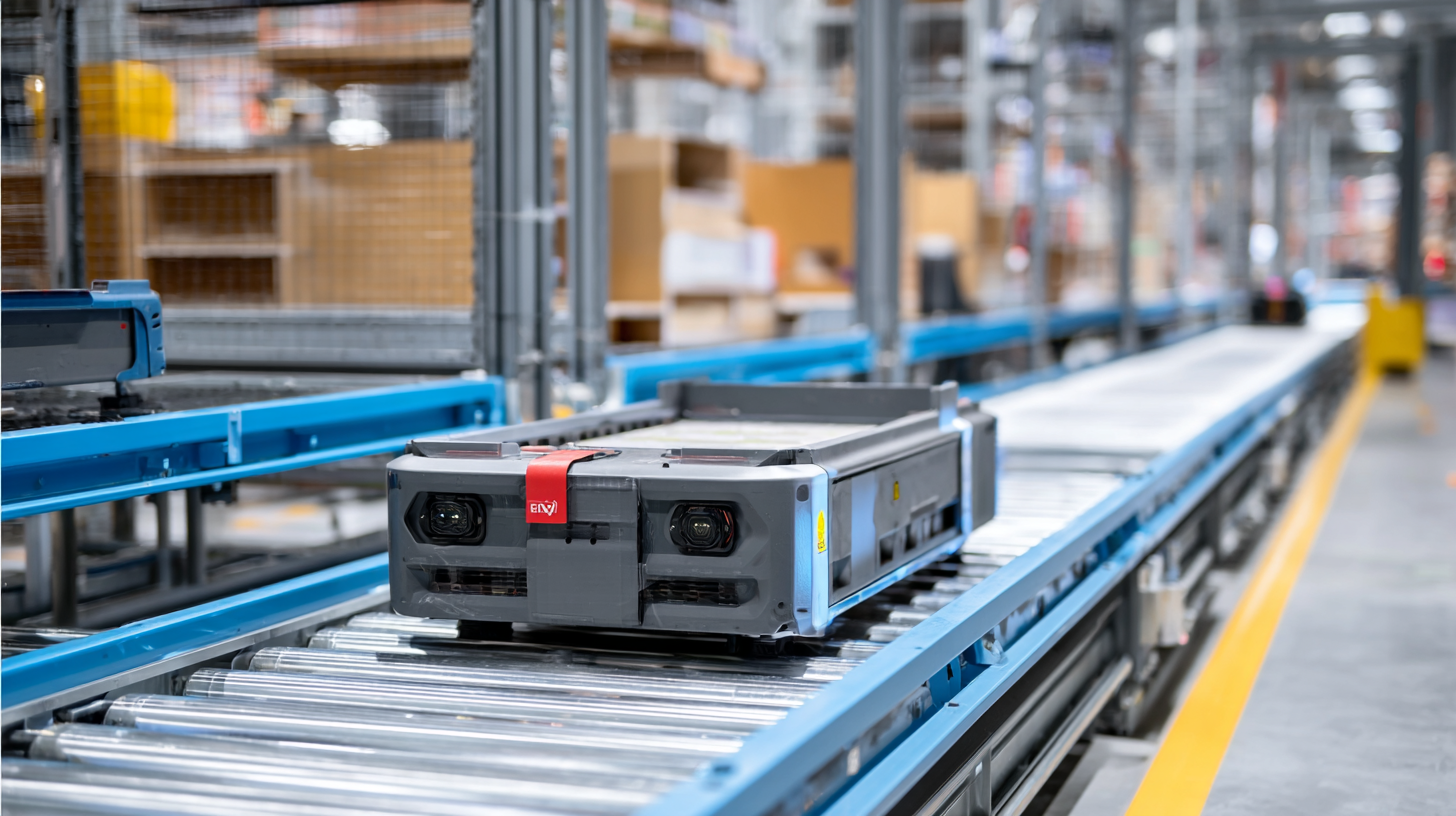 One of the standout solutions lately is Ribbon Navigation Agv systems, which are really making waves because they help improve navigation accuracy and make material handling a lot smoother. Linyi Lingong Intelligent Information Technology Co., Ltd., has been around since 2013 and is recognized as a high-tech enterprise in China. They focus on developing smart manufacturing products, especially state-of-the-art AGV systems. By using Ribbon Navigation AGV tech, businesses can cut down on labor costs, reduce mistakes, and manage inventory better — basically transforming how warehouses work. As the industry keeps moving toward automation, deploying innovative systems like Ribbon Navigation AGV is a crucial step toward running things more efficiently and reaching new heights of operational excellence.
Understanding Ribbon Navigation AGV Systems and Their Benefits
Ribbon navigation AGV systems are really changing the game in warehouse operations, making everything more efficient and boosting productivity. They use some pretty advanced tech—think omnidirectional wheels and AI-powered software—that helps them navigate even tricky environments with a lot of precision when moving goods around. 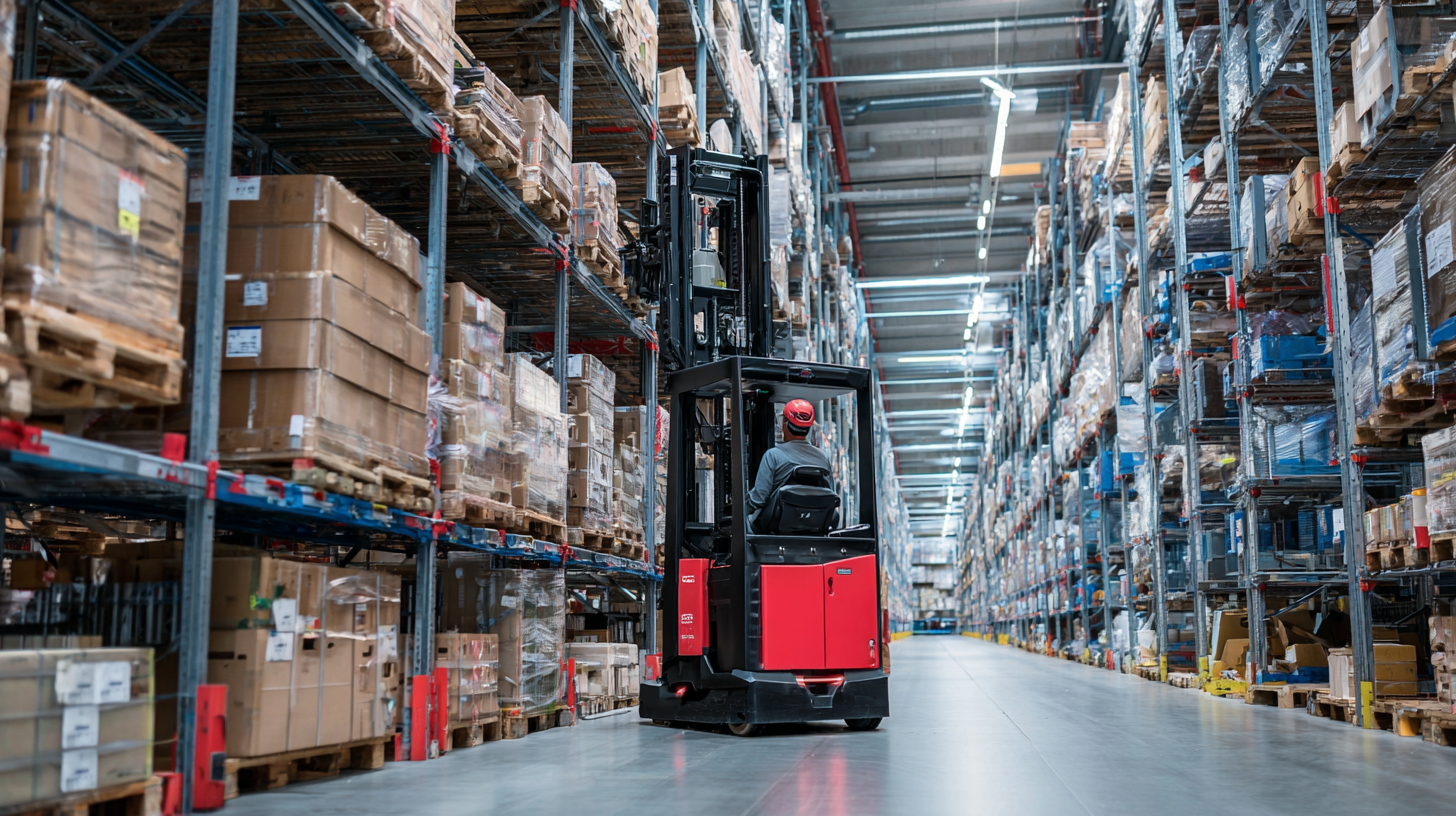 Unlike the older Guided Vehicles, these ribbon navigation AGVs are way more flexible. They can adapt on the fly, reroute easily, and help streamline workflows, especially in busy warehouses where things are constantly moving.
If you're thinking about bringing these systems in, a good starting point is to do a thorough needs assessment. Make sure the tech you pick actually fits what your warehouse needs. It’s also a smart move to run a pilot program first—just to see how well the AGVs perform in your specific setup. Also, don’t forget about training your team. Providing some proper training helps everything run smoother and makes sure everyone gets the most out of this cutting-edge tech.
Switching to ribbon navigation systems can seriously cut down lead times and make inventory management a breeze. And with the market for AGVs expected to grow a lot, investing in these systems not only keeps you competitive but could really give your business a leg up in Industry 4.0. Basically, it’s about staying ahead and making your operations smarter and more efficient.
Key Components of an Efficient Warehouse Layout for AGV Integration
Having a well-thought-out warehouse layout is super important when you're working with Ribbon Navigation Automated Guided Vehicles (AGVs). Basically, you want to keep pathways clear, position shelves smartly, and set up specific spots for loading and unloading. I read a study from the Warehousing Education and Research Council (WERC) that said optimizing your warehouse setup can boost productivity by up to 30%. That just goes to show how much good design matters when it comes to making AGV operations smooth and efficient.
Getting the integration of AGVs right means you’ve gotta plan carefully. It's all about reducing bottlenecks and making the most of your space. Think wide enough aisles for the AGVs to move around easily, and consider using vertical storage options to save on floor space. Actually, research shows that warehouses with well-organized layouts can cut down operational costs by up to
20%. So, it’s definitely worth investing some time and resources in the planning stage.
Here’s a couple of tips: Regularly check how traffic flows through your warehouse and tweak aisle widths if needed. Also, using flexible storage systems that can adapt to changing inventory levels can keep things running smoothly as your operations grow or change. And don’t forget to clearly mark all AGV routes — it helps reduce confusion and keeps everything flowing nicely.
Implementing Ribbon Navigation AGVs: Best Practices for Smooth Operation
Getting Ribbon Navigation Automated Guided Vehicles (AGVs) up and running can really boost your warehouse’s efficiency — but only if you follow some best practices. First off, it’s a good idea to do a deep dive into your warehouse layout. Know the most popular routes and spot any potential obstacles. When you set clear, well-planned paths, the AGVs can run smoothly without getting stuck or causing delays, so goods move faster across the warehouse.
Also, don’t forget regular check-ups and software updates. Regular maintenance is key — inspect batteries, navigation systems, and the physical parts of the vehicles every now and then. Keeping the software current is just as important because it helps the AGVs adapt to changes in your warehouse, plus it fine-tunes their routing so they work smarter. Oh, and making sure everyone on your team is trained and comfortable with the system makes a huge difference. When staff know what they’re doing, troubleshooting is easier, and things just flow better overall.
Warehouse Efficiency Optimization: AGV System Performance
This chart illustrates the efficiency improvement observed in warehouses utilizing Ribbon Navigation AGV systems over a six-month period. The data reflects the average time taken for order fulfillment in hours, showcasing the positive impact of AGV implementation.
Monitoring and Analyzing AGV Performance for Continuous Improvement
In today’s super fast-paced world of logistics, making warehouses more efficient really depends on the latest tech, like Ribbon Navigation Automated Guided Vehicles, or AGVs for short. One of the biggest keys here is constantly keeping an eye on how these AGVs are performing — you know, tracking their movement, how much they’re handling, and how they're being used. A recent report from the International Journal of Logistics Management even says that warehouses that monitor performance in real time can boost their efficiency by up to 30%. That’s pretty significant! By keeping tabs on things like travel times, load handling, and system use, managers can spot the bottlenecks and areas where things can be smoothed out. It’s all about making smarter adjustments on the fly.
And here’s the cool part: using data analytics means you can tweak routes and schedules before problems even pop up, really cutting down on downtime. The Logistics Management Association points out that putting systems in place to analyze performance can drop operational costs by around 25%. It just goes to show how much smarter decisions based on real data can save money and time. As AGVs keep getting better and more sophisticated, adding these monitoring tools isn’t just about staying up to date — it’s about staying ahead of the game, making your warehouse more resilient and competitive in this fast-changing industry. All these insights really form the foundation for ongoing improvements, leading to smarter, more adaptable warehouse operations for the long haul.
How to Optimize Warehouse Efficiency with Ribbon Navigation AGV Systems - Monitoring and Analyzing AGV Performance for Continuous Improvement
| Performance Metric | Description | Current Value | Target Value | Improvement Opportunity |
| Cycle Time | Time taken for AGV to complete a round trip | 15 min | 12 min | Reduce delays at pick-up points |
| Uptime Percentage | Percentage of time AGVs are operational | 85% | 95% | Improve maintenance schedules |
| Navigation Accuracy | Precision of AGV's routing | 98% | 99% | Implement advanced R&D in navigation systems |
| Energy Consumption | Energy used per trip | 2 kWh | 1.5 kWh | Optimize routing and reduce idle times |
| Load Capacity Utilization | Percentage of load carriage capacity being used | 70% | 85% | Implement better load planning |
Training Staff and Managing Change for Enhanced Warehouse Efficiency
If you’re looking to boost warehouse efficiency with Ribbon Navigation AGV systems, one thing you definitely don't want to overlook is training your staff and managing the change smoothly. At Linyi Lingong Intelligent Information Technology Co., Ltd., we totally get that the success of these high-tech automation solutions really depends on having a team that's ready to roll with it. So, training shouldn't just cover how to operate the new AGV systems—it’s also about encouraging a mindset of flexibility. When your team is equipped with the right skills and understanding, switching over to new processes becomes much easier, and you get to enjoy all the benefits automation offers.
And let’s not forget, managing change is super important too. It’s normal for folks to be a bit wary about new tech, so being upfront about why the upgrade matters can make a big difference. Open conversations help ease concerns and get everyone on board. Here at Linyi Lingong, we love working closely with our clients to craft change strategies that fit their unique needs. When staff are actively involved in the transition, it creates a more adaptable, efficient warehouse environment. That way, not only do operations run smoother, but the business can stay competitive and keep growing in the fast-paced world of smart manufacturing.
Enhancing Warehouse Efficiency: Leveraging LGIM 1-Ton Piggyback Lift AGV in Automated Material Handling Systems
In the realm of automated material handling systems, enhancing warehouse efficiency is paramount for meeting the growing demands of modern logistics. The introduction of the LGIM 1-Ton Piggyback Lift Automated Guided Vehicle (AGV) represents a significant leap forward in this field. With its innovative automatic lifting function, the LGIM AGV streamlines the process of material handling, allowing warehouses to operate with greater precision and speed.
This AGV is designed to seamlessly integrate with an AGV dispatching system, enabling autonomous operations that include pickup, transportation, and unloading. The autonomous features not only reduce the need for human intervention, thereby minimizing labor costs, but also mitigate the risk of errors associated with manual handling. As a result, warehouses can achieve a higher throughput, optimize space utilization, and enhance overall productivity.
Moreover, the LGIM 1-Ton Piggyback Lift AGV is equipped to navigate complex warehouse environments, adapting to various layouts and workflows. Its ability to handle diverse materials autonomously means that operations can run continuously and efficiently, ensuring that products are delivered to their destinations without delay. With such capabilities, this AGV stands out as an essential tool in driving warehouse automation and efficiency, paving the way for smarter logistics solutions.
FAQS
Regular maintenance checks on battery life, navigation systems, and physical components are essential, along with keeping the AGV software up-to-date to adapt to changes in the warehouse environment.
Monitoring AGV performance allows managers to track metrics like travel time and load handling, helping to identify bottlenecks and improve operational efficiency, potentially increasing it by up to 30%.
Leveraging data analytics facilitates proactive adjustments to AGV routes and schedules, significantly reducing downtime and potentially lowering operational costs by about 25%.
Staff training is essential to equip employees with the necessary skills and knowledge to manage AGV systems effectively and facilitate smooth transitions to new operational protocols.
Clear communication about the advantages of AGV technology and involving staff in the transformation process can help alleviate concerns and increase productivity.
Training programs should focus on both the operational aspects of AGV systems and fostering a culture of adaptability among employees.
Integrating sophisticated monitoring tools can enhance system resilience and provide a sustainable competitive edge in the logistics sector.
Effective change management can mitigate resistance to new systems and maximize the benefits of automation, leading to enhanced operational outcomes.
Conclusion
Hey, have you checked out the article titled "How to Optimize Warehouse Efficiency with Ribbon Navigation AGV Systems"? It really dives into how these fancy Ribbon Navigation AGVs can totally transform warehouse operations. It kicks off by explaining what these smart automated guided vehicles can do—like how they help save space and make workflows a lot smoother. From there, it moves on to discuss the key elements of a good warehouse layout that works hand-in-hand with AGVs, so businesses can get the most out of automation.
The piece also shares some practical tips on how to roll out Ribbon Navigation AGVs without hiccups—think smooth sailing and fewer disruptions. Plus, it stresses the importance of keeping an eye on performance and continuously improving. They also point out that training staff well and managing change effectively are big deals if you want the workplace to adapt and thrive.
And, just to throw in a bit of context, Linyi Lingong Intelligent Information Technology Co., Ltd., being a pretty tech-savvy company, is ready to help organizations bring these cutting-edge solutions into their operations and really boost efficiency.