You know, in today’s world where being efficient and precise really matters, the logistics industry is going through some pretty exciting changes. A lot of it is thanks to innovative tech like Laser Navigation Tow AGVs, which are changing the game. There’s this company, Linyi Lingong Intelligent Information Technology Co., Ltd.—a high-tech firm started back in 2013—that’s really leading the charge. They focus on creating and supporting cutting-edge products for smart manufacturing. As global supply chains keep evolving, using advanced automation solutions like these laser-guided AGVs can really boost efficiency, cut costs, and help reduce human mistakes. This blog is all about how Linyi Lingong’s adoption of these next-gen AGVs isn’t just shaking up logistics—it's also setting new standards for how supply chains might work in the future worldwide.
The Impact of Laser Navigation Technology on AGV Efficiency in Logistics
You know, the logistics world is really going through a pretty big change right now, mainly because of these cool advancements in laser navigation tech for Automated Guided Vehicles — or AGVs, as folks call them. This new way of guiding those vehicles makes them way better at maneuvering through tricky warehouse setups, not to mention faster and more precise. That means companies can get more done in less time and cut down on costs, which is a huge deal with how fierce the global supply chains are these days.
If you're looking to get the most out of your AGVs, a few tips might help: make sure to keep the navigation software up-to-date so you’re always running the latest and greatest. Regular maintenance is also key — check those parts here and there so nothing breaks unexpectedly. And don’t forget, training your team on how to work smoothly with these machines can make all the difference — it keeps things running smoothly and minimizes headaches.
With the market for automated vehicles expected to keep growing like crazy, investing in laser navigation tech could seriously put your business ahead of the curve. Plus, paying attention to data collection and analysis can really boost how well your AGVs perform, helping you stay flexible and efficient in a constantly changing market.
Key Benefits of Laser Navigation Tow AGVs for Streamlined Supply Chain Operations
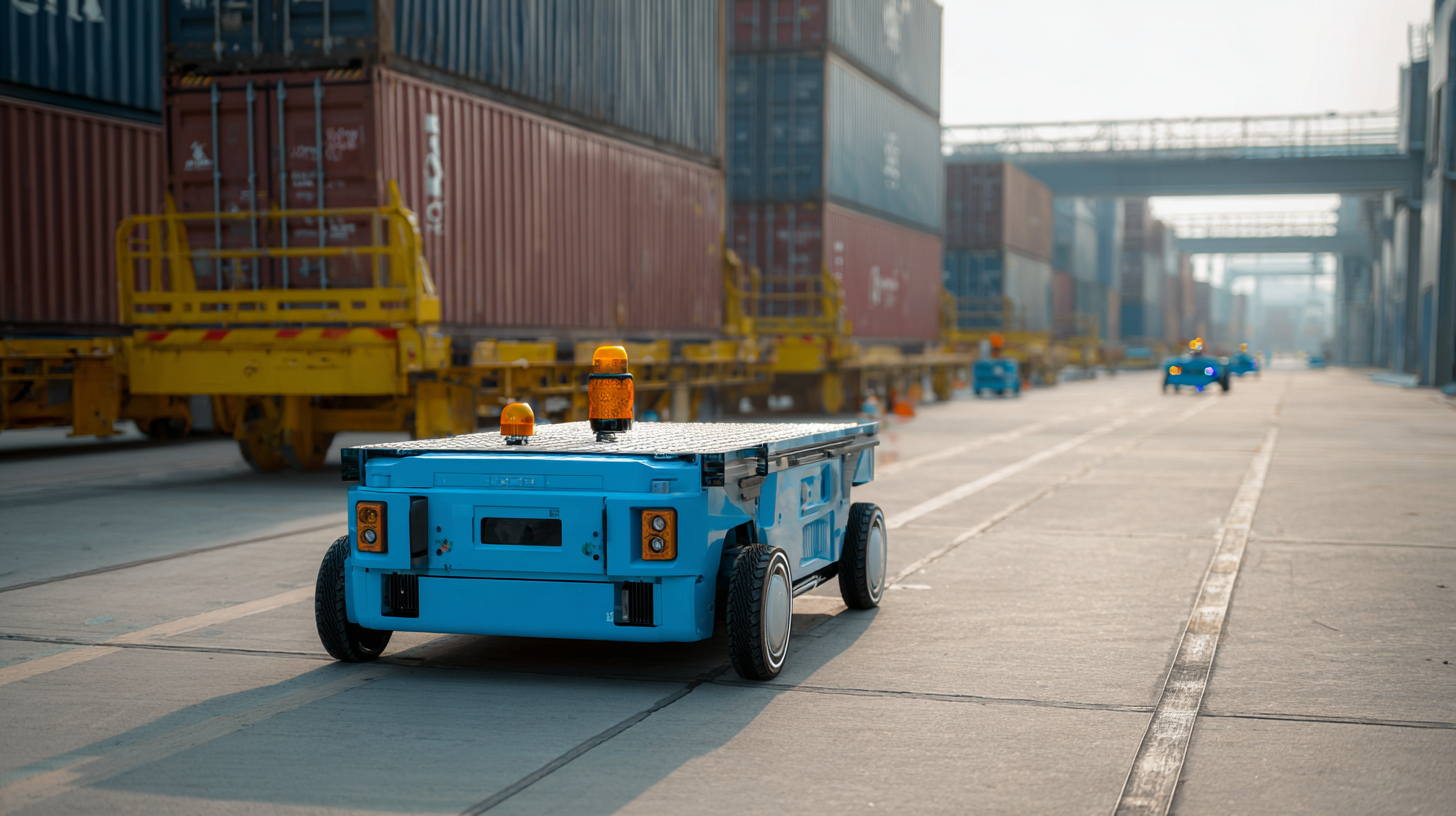
In today’s fast-changing world of global supply chains, bringing in the latest tech is absolutely essential if you want to stay ahead. Laser-navigation tow AGVs are really changing the game when it comes to logistics — making warehouse operations smoother, faster, and way more efficient. One of the biggest perks? Their precise navigation. Thanks to advanced laser tech, these little guys can quickly move through tricky spaces without bumping into obstacles, making sure everything gets from point A to B without a hitch. That kind of accuracy helps cut down on damaged goods, which is a win for the bottom line, for sure.
And here’s the thing: these AGVs are super flexible. Unlike older systems that depend on fixed tracks or complicated programming, laser-guided AGVs can easily adapt to new layouts and changing workflows. That means they’re perfect for busy, ever-shifting supply chain environments. They make processes more streamlined and give companies a real edge when it comes to responding to ups and downs in demand. As more businesses look for ways to boost efficiency and cut costs, investing in laser-navigation tow AGVs is a smart move — it keeps your supply chain agile and innovative, ready for whatever comes next.
Comparative Analysis: Laser Navigation Tow AGVs vs. Traditional Automated Solutions
You know, in the fast-changing world of logistics, it’s pretty exciting to see how Laser Navigation Tow Automated Guided Vehicles (AGVs) are really shaking things up in supply chain management. Unlike the older, more stuffy automated systems that needed fixed pathways or bulky setups to move around, these laser-guided ones use cutting-edge tech to map out their surroundings on the fly. That means they’re way more flexible and efficient when it comes to handling materials, and they can adjust to new warehouse layouts or changes in production setups without breaking a sweat.
And honestly, there are some pretty compelling reasons to choose laser navigation over traditional AGVs. They can navigate in real time and dodge obstacles, which means fewer collisions and less downtime—big wins in any operation. Plus, integrating these into your supply chain can seriously make things smoother, helping cut costs and boost productivity overall. With the global market for AGVs expected to hit around USD 9.18 billion by 2030, it’s pretty clear that more and more folks are turning to laser-guided tech as a key part of the future of efficient logistics.
Emerging Trends in Global Supply Chains and the Role of AGVs
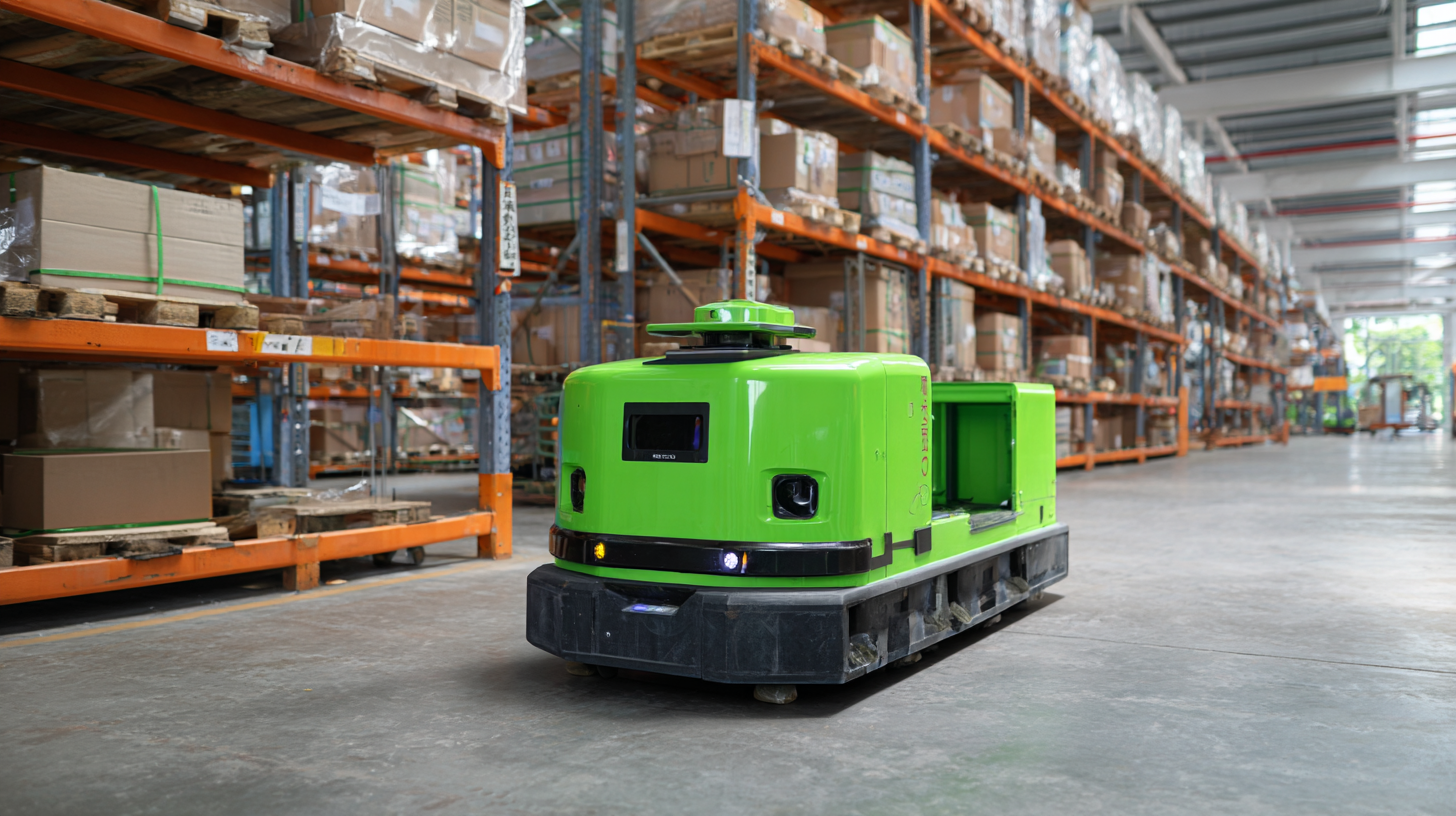
You know, Automated Guided Vehicles (or AGVs) are really becoming crucial when it comes to making supply chains run smoother worldwide. As businesses face more and more complicated challenges and higher demands, more companies are jumping on the bandwagon with tech like AI and automation to shake things up in logistics. The market for AGVs is expected to grow a lot — actually, it's projected to expand from about $7 billion in 2025 to over $22 billion by 2032, thanks to a compound annual growth rate of nearly 18%. That’s a pretty big deal and shows just how vital it’s become to weave the latest technology into supply chain strategies.
One really exciting development is laser navigation technology, like what China’s top AGVs are using. It’s changing how warehouses operate, making material handling way more precise and efficient. With online shopping growing like crazy, more and more companies are relying on these robotic AGVs to speed up deliveries, cut down on labor costs, and give customers a better experience. The push for automation isn’t just about speed — it’s also making supply chains more resilient, helping businesses adapt quickly to market shifts and customer needs. As logistics keeps evolving, smartly deploying AGVs will definitely be a key factor for success going forward.
Case Studies: Successful Implementations of LGV in Leading Industries
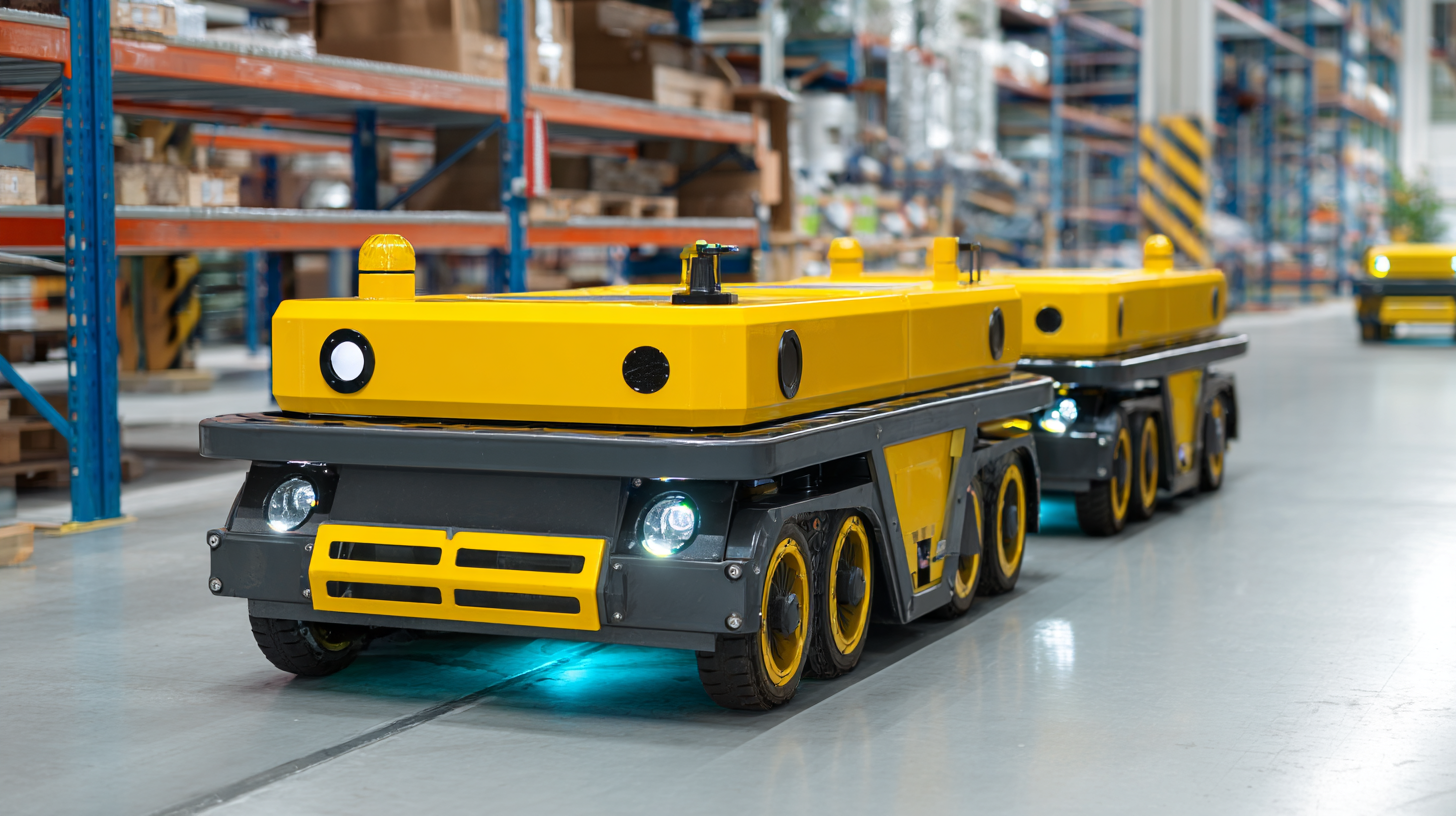
Lately, laser navigation tech in Automated Guided Vehicles (or AGVs) has really shaken up the logistics world, especially when it comes to global supply chains. A study by ARC Advisory Group mentioned that companies using laser-guided vehicles have seen efficiency jump by as much as 30%. That’s a pretty big deal—faster operations mean businesses can smooth out their supply chain, cut down on costs, and respond quicker to what the market throws at them.
For example, one of the top car manufacturers started using LGVs in their assembly plant, and they saw a 25% drop in the timeit takes to handle materials. On the same note, a major online retailer noticed that by bringing in Laser Navigation Agvs, they managed to cut theirorder fulfillment times by up to 40%. According to the Material Handling Industry of America, the market for these kind of AGVs is expected to grow at over 15% annually through 2025—which really shows how much companies are leaning on tech to make logistics more efficient. All these cases prove that LGVs aren’t just about moving faster—they’re actually setting new standards for how smoothly and efficiently operations run across different industries.
Future Prospects: Innovations in AGV Technologies and Their Economic Implications
You know, the way Automated Guided Vehicles (or AGVs for short) have evolved is honestly a total game-changer for logistics and supply chains, especially in China. Lately, there have been some pretty cool advancements, particularly with laser navigation tech, which really boost how efficiently these tow AGVs operate. Thanks to smarter sensors and algorithms, these robots can navigate complex environments almost like they’ve got a brain of their own—minimizing the need for humans to step in all the time. It’s a pretty big leap forward, making it easier to fit them seamlessly into existing supply chain setups. That means companies can streamline their workflows and respond a lot faster to market changes.
Looking ahead, the economic impacts of these improvements are pretty huge. As more businesses start using smarter AGVs, we’re bound to see costs go down on labor, while productivity shoots up. With optimized routes and higher load capacities, goods get moved quicker and safer through warehouses and distribution hubs. Plus, these tech upgrades also cut down on operational risks and errors, which really boosts the overall resilience of supply chains. As AGV tech keeps advancing, I think it’s going to shake up how we think about logistics worldwide—fostering innovation and giving a real push to growth across different industries.
Future Prospects of AGV Technologies in Global Supply Chains
Optimizing Efficiency: The Role of Commercial Vehicle Cab Trim Line AGVs in Modern Manufacturing
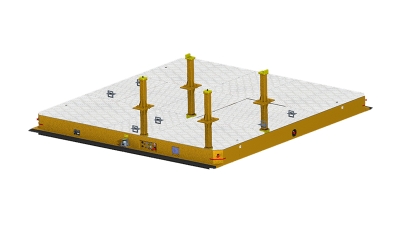
In the ever-evolving landscape of modern manufacturing, the efficiency of production lines is paramount, particularly in the commercial vehicle sector. Optimizing efficiency often hinges on integrating innovative technologies, such as Automated Guided Vehicles (AGVs) specifically designed for cab trim lines. These AGVs utilize magnetic navigation guidance to operate seamlessly within manufacturing environments, offering precise movement and reliability critical for maintaining production flow.
One standout feature of these AGVs is their adaptability to different cab models, which is essential for diverse production needs. With a total length of 4002mm, these vehicles are engineered to meet the specific installation requirements for components such as front and rear glass, sun visors, and air intake ducts. The flexibility in design allows manufacturers to accommodate various models without compromising the efficiency of their operations. Furthermore, the vehicles support both floor charging and online charging options, ensuring they remain operational with minimal downtime.
Operating at speeds adjustable between 0-30m/min, these AGVs can be tailored to the pace of the assembly line, thereby enhancing throughput while maintaining safety standards. This capability not only streamlines the workflow but also maximizes productivity, making the AGVs an essential asset in modern manufacturing setups. As industries continue to seek ways to optimize their processes, the integration of advanced AGVs in cab trim lines serves as a prime example of how technology can drive efficiency and innovation in manufacturing.
FAQS
Businesses can optimize AGV performance by regularly updating navigation software, conducting routine maintenance checks, and training staff on efficient operation and coordination with AGVs.
The global automated vehicle market is projected to grow significantly, particularly driven by advancements like laser navigation technology, which offers a competitive edge to businesses that invest in it.
The global material handling equipment telematics market is expected to grow from $7.05 billion in 2025 to $22.21 billion by 2032, reflecting a compound annual growth rate (CAGR) of 17.8%.
Laser navigation technology enables companies to utilize robotic AGVs to expedite freight movements, minimize labor costs, and improve overall service delivery, which is crucial as e-commerce continues to soar.
The integration of advanced technologies like AI and automation is essential in supply chain management as it helps businesses manage rising complexities and demands more effectively.
AGVs streamline operations and boost supply chain resilience by allowing firms to adapt swiftly to market changes and consumer demands, making them integral to modern logistics.
Data collection and analysis are critical for enhancing AGV utility, as they enable companies to optimize logistics operations and adapt to changing market demands.
Automation, through the use of AGVs and advanced technologies, transforms logistics operations by improving efficiency, reducing labor costs, and streamlining workflows.
The strategic deployment of AGVs is vital for success in the evolving logistics landscape, as it remains a critical factor in enhancing operational efficiency and adaptability.