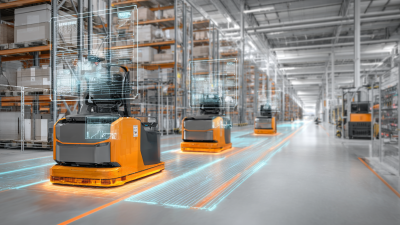
You know, in today’s fast-moving industrial world, Self Guided Vehicles (or SGVs for short) aren’t just a passing fad — they're really changing the game when it comes to logistics and supply chains across different industries. I recently came across a report by MarketsandMarketsthat said the global market for autonomous Mobile Robots might hit around$23.7 billion by 2025. That’s largely because more warehouses and factories are jumping on the automation bandwagon. One company that’s been making waves in this space is Linyi Lingong Intelligent Information Technology Co., Ltd. — a high-tech firm founded back in 2013. They’re really leading the charge, focusing on developing smart manufacturing solutions.

The cool thing about integrating SGVs into industrial logistics? It’s not just about making operations more efficient — it’s also cutting down labor costs and making workplaces safer. As industries push to go digital, hopping on the SGV train feels like a pretty important step toward smarter, smoother, and more efficient logistics systems overall.
The Role of Self-Guided Vehicles in Streamlining Supply Chain Operations
Self-guided vehicles are really starting to shake up how we do industrial logistics, making supply chain stuff way smoother. If you look at the market, it's expected to jump from around $88 billion in 2025 to over $213 billion by 2032—those numbers are pretty wild! Basically, bringing autonomous vehicles into the mix can seriously boost how efficiently warehouses and distribution centers run. Since these vehicles can operate without a human driving them, it cuts down on mistakes and gets things moving faster.
If companies want to get the most out of self-guided vehicles, they should think about investing in solid logistics app development. A good app can make sure that the autonomous fleet and other parts of the supply chain talk to each other smoothly, with real-time updates on tracking and inventory.
And here’s another thing—adding AI tech alongside these vehicles can be a game-changer. AI can keep an eye on product quality, make smarter decisions about stock levels, and basically help everything run more smoothly. By embracing these new technologies, businesses can make their supply chains quicker, more adaptable, and way more efficient. It’s an exciting time for logistics, for sure!
Enhancing Efficiency: How Autonomous Vehicles Optimize Material Handling
The rise of self-guided vehicles (SGVs) is really changing the game in industrial logistics. These smart, autonomous vehicles — powered by the latest in AI and machine learning — are helping companies move materials around much more smoothly and efficiently. I read a recent report from McKinsey that says businesses using these systems can see productivity jump by up to 30%. Not only does that cut down on costs, but it also frees up human workers to tackle more strategic, less repetitive tasks. Pretty cool, right?
Bringing SGVs into the mix actually offers a bunch of benefits. For one, they can run around the clock nonstop — no tired or burnt-out workers needed. Plus, a study published in the International Journal of Production Research pointed out that these vehicles can cut order picking times by around 40%. That’s a huge help in speeding things up and keeping the supply chain flowing smoothly, especially in such a fast-paced industry.
**Pro tip:** Before jumping into deploying SGVs, take a good, hard look at your current logistics setup. Spot where things could be more efficient. And once you’re up and running, keep an eye on how things are going with regular data reviews. This way, you can fine-tune everything and make sure your SGVs are performing at their best — no shortcuts needed!
Cost Savings Through Automation: Financial Benefits of Self-Driven Logistics
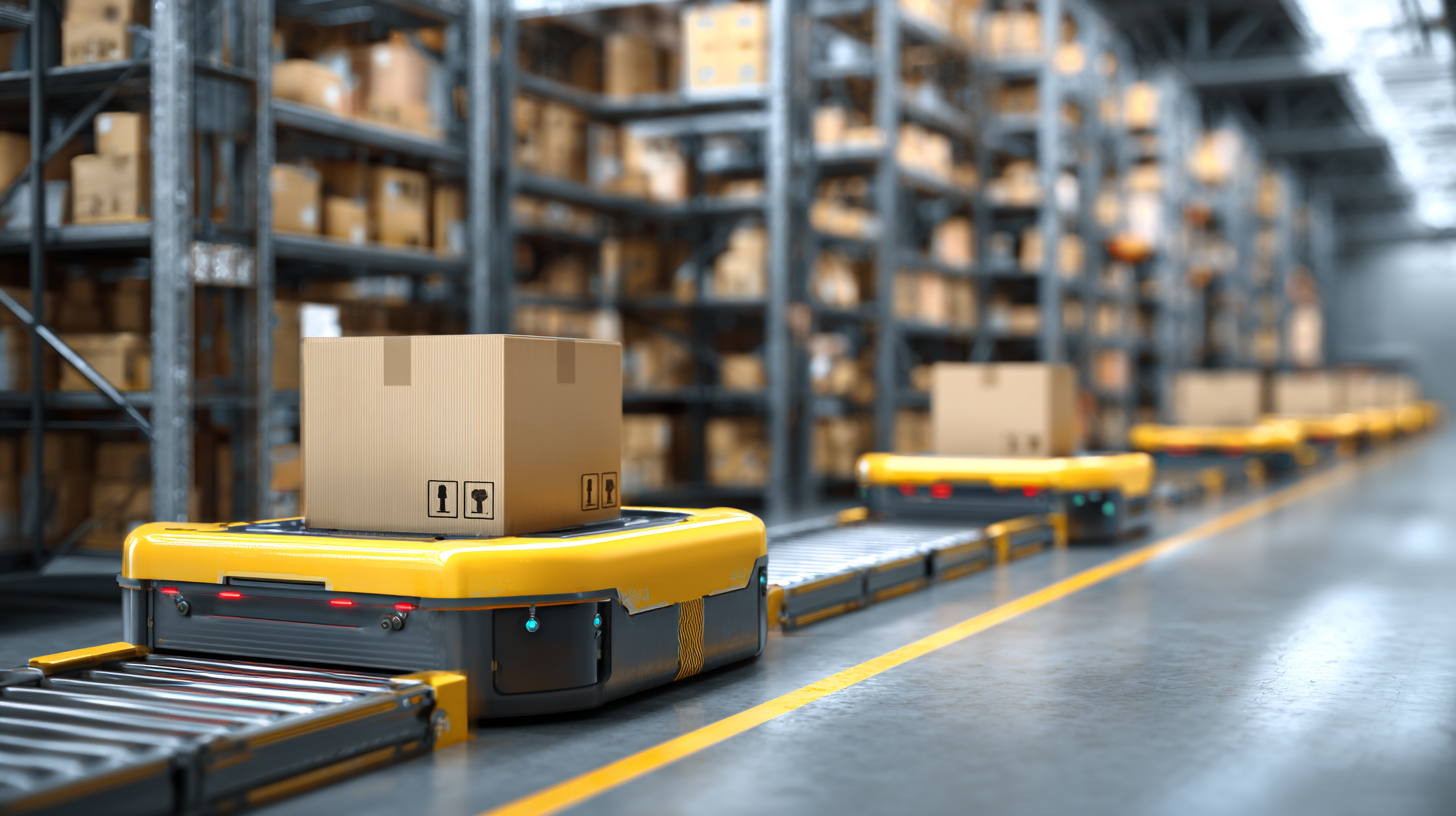
Self-driving vehicles are really shaking things up in the world of industrial logistics, especially when it comes to saving money through automation. I mean, by cutting out the need for human operators, companies can seriously slash their labor costs. These autonomous vehicles run nonstop, around the clock, which means everything runs smoother and faster—less downtime, more productivity. It’s kind of impressive how businesses are now able to keep things moving continuously with barely any breaks, leading to pretty noticeable gains in efficiency and, of course, big savings on wages.
Plus, using self-guided vehicles cuts down on human errors—something that often causes costly delays or accidents. Automated systems make sure goods are moved smoothly from point A to point B, reducing the chances of damage or loss. That kind of reliability doesn’t just save money on insurance premiums; it also means fewer resources are wasted dealing with mishaps. When your operations are more consistent and resources are better allocated, companies can not only cut costs but also free up some of those savings to focus on innovating or expanding other parts of their business. It’s pretty exciting to see how tech like this is changing the game.
Cost Savings Through Automation: Financial Benefits of Self-Driven Logistics
This chart illustrates the estimated cost savings from implementing self-guided vehicles in industrial logistics across various sectors. The data represents the percentage of cost reduction over three years of implementation.
Safety First: Reducing Risks with Self-Guided Transportation Solutions
You know, introducing self-guided vehicles into industrial logistics has really kicked safety up a notch. It’s pretty impressive — there’s been a noticeable drop in workplace accidents, which is huge. I read somewhere that, according to the National Safety Council, workplace injuries end up costing US employers over $170 billion each year. That’s a massive number! These autonomous vehicles are built to cut down on human error, which, let’s face it, is a major cause of accidents. By using some pretty advanced AI and crunching data in real-time, they can navigate tricky environments and stick to safety rules almost seamlessly. This really helps prevent collisions and keeps things safer overall.
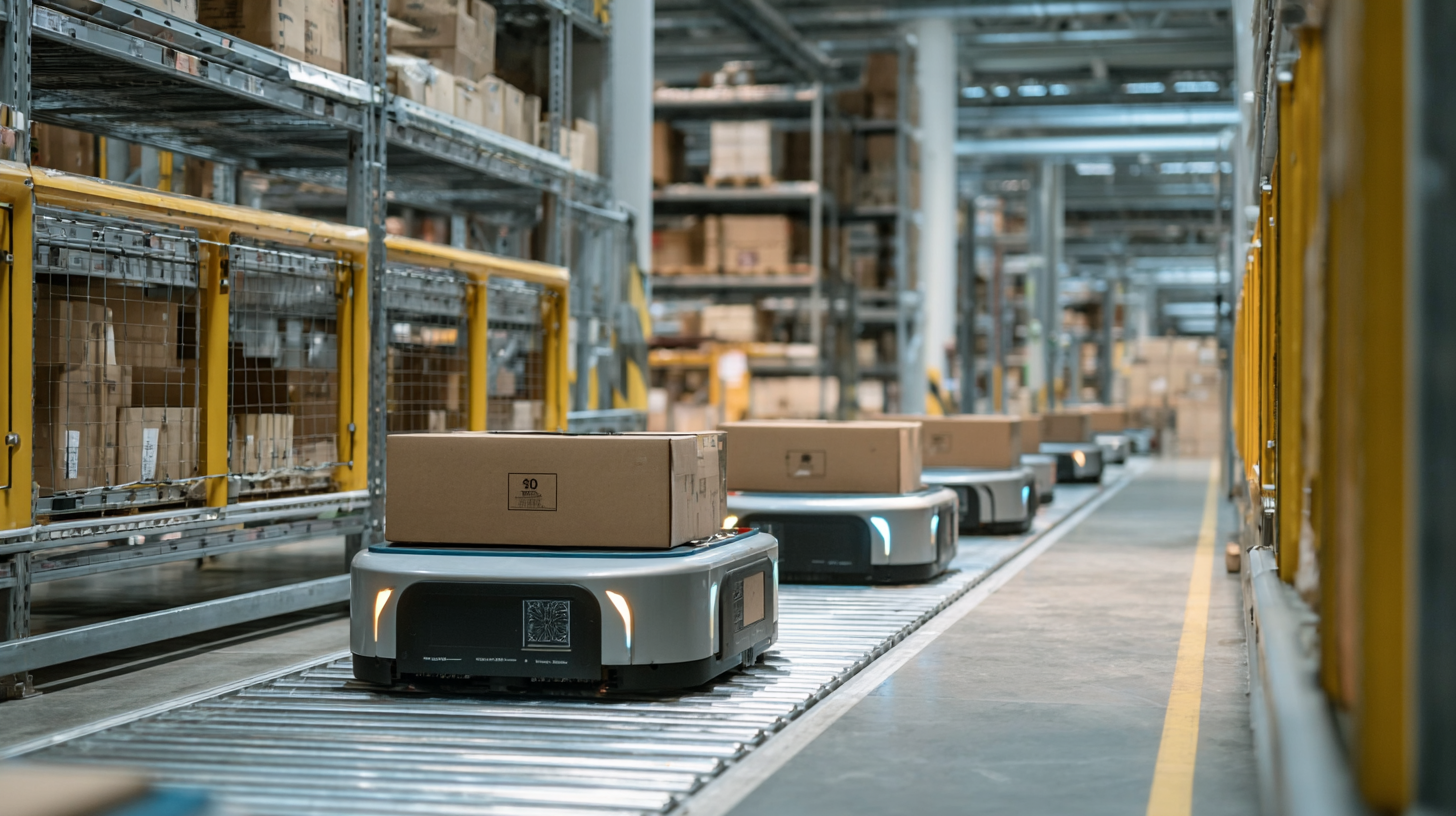
And get this — a 2022 report from Logistics Management shows that companies who’ve adopted these autonomous vehicles have seen accident rates drop by about 30%. That’s a pretty big deal! The reason? These vehicles are equipped with high-tech sensors and machine learning that help them spot obstacles instantly and react right away. Plus, automating those boring, repetitive transport jobs not only makes things safer for workers but also frees up the human staff so they can focus on more important, strategic stuff. All in all, it’s a win-win — safer workplaces and better productivity, showing just how much these self-guided vehicles are changing the game in industrial logistics.
Real-Time Data Analysis: Leveraging Technology for Enhanced Decision Making
Self-guided vehicles are really changing the game in industrial logistics, thanks to real-time data analysis. These autonomous machines are packed with smart sensors and AI, allowing them to gather and process tons of data instantly. That means they can boost operational efficiency and help make smarter decisions on the fly. For example, by tracking inventory levels, vehicle status, and workflow in real time, companies can optimize routes, cut down on downtime, and give productivity a real boost.
On top of that, using technology to make better decisions means businesses can respond quickly when things change. If a shipment gets delayed, these smart vehicles can reroute themselves automatically, adapting to the new situation without missing a beat and still delivering good service. Plus, with predictive analytics, companies can even spot potential problems before they happen, keeping everything running smoothly. This shift towards data-driven logistics isn’t just about streamlining the process — it’s about giving organizations the power to make proactive, smarter choices. It’s a whole new level of efficiency, really.
The Future of Industrial Logistics: Trends Shaping Autonomous Vehicle Integration
You know, as more and more industries jump on the automation train, self-driving vehicles are really starting to shake things up in industrial logistics. I mean, with autonomous vehicles now a thing, companies can actually fine-tune their supply chains—making operations smoother and boosting efficiency. These vehicles use some pretty sophisticated tech, like AI and machine learning, to figure out how to get around even in complicated settings—without anyone having to step in. That’s a win because it cuts down on labor costs and also helps reduce human errors, so everything runs more reliably and quickly.
On top of that, there's a big push towards being eco-friendly lately, and that’s pretty much driving the adoption of these self-guided vehicles. Lots of companies are on the lookout for greener options to satisfy regulations and cut down on their carbon footprint. Electric autonomous vehicles look like a really promising solution—they emit way less and use less energy compared to the usual logistics setups. Plus, since these vehicles can gather and analyze data in real time, businesses can make smarter decisions about where to put resources or which routes to take. It’s all about making operations not just more efficient but also more sustainable. Looking ahead, it’s pretty clear that these trends will totally reshape how logistics work, leading us towards smarter, greener practices that just make more sense overall.
Exploring the Future of Transportation: The Impact of High Speed Rail Guided Vehicles on Urban Mobility
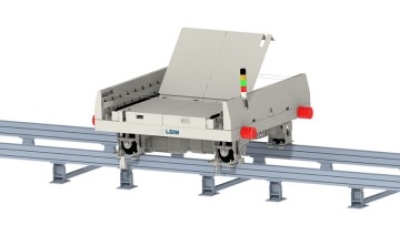
As urban populations continue to swell, the demand for efficient transportation solutions becomes increasingly critical. High-speed rail guided vehicles (RGVs) represent a transformative approach to urban mobility, blending speed and safety to redefine how we navigate our cities. These vehicles are not only rapidly improving transit times but also redefining storage and logistics within urban environments.
In warehouse settings, RGV cars play a vital role in optimizing space. Designed to work seamlessly within high-density storage systems, these vehicles allow for custom passage lengths that maximize storage capacity. Unlike traditional forklifts, RGVs navigate autonomously and do not require physical access to the aisles, significantly enhancing safety within the warehouse. This technology minimizes the risk of accidents, making it a robust solution for urban distribution centers facing space constraints.
Moreover, the deployment of RGVs in urban mobility systems can ease congestion, reduce travel times, and lower the carbon footprint associated with traditional transportation methods. By incorporating such innovative vehicles into the fabric of metropolitan infrastructure, cities can pave the way for a more efficient and sustainable future, addressing the pressing challenges of urbanization head-on.
FAQS
: Self-guided vehicles are autonomous vehicles that operate without human intervention, significantly enhancing operational efficiency in supply chain operations by reducing errors and increasing throughput in warehouses and distribution centers.
Companies can maximize the potential of self-guided vehicles by investing in robust logistics app development services to facilitate seamless communication and ensure real-time tracking and inventory management within the supply chain.
AI technologies complement self-guided vehicles by monitoring product quality and optimizing inventory levels, leading to faster, more flexible, and efficient supply chains.
The adoption of self-guided vehicles can lead to significant cost savings by reducing labor costs, minimizing downtime, and lowering the likelihood of human error, which decreases the risk of delays and accidents.
Self-guided vehicles operate continuously with minimal breaks, maximizing efficiency and allowing logistics operations to run around the clock, leading to marked productivity increases.
Automated systems ensure seamless transportation of goods, reducing damage and loss, which in turn results in lower insurance premiums and decreased incident management resources.
Real-time data analysis allows self-guided vehicles to gather and process large amounts of data, optimizing routes, reducing downtime, and improving overall productivity.
Self-guided vehicles can automatically reroute in response to shipment delays or changing conditions, maintaining a high level of service while adapting to new circumstances.
Leveraging technology for decision-making allows businesses to utilize predictive analytics, forecast potential issues, and make proactive, informed decisions, streamlining operations.
With consistent performance and reduced operational costs, businesses can allocate their savings towards innovation and growth initiatives in other areas of their operations.
Conclusion
In today’s fast-changing world of industrial logistics, Self-Guided Vehicles are really shaking things up when it comes to how supply chains operate. They help smooth out material handling, making processes way more efficient. This not only cuts down on costs but also boosts productivity—that's a win-win. Companies like Linyi Lingong Intelligent Information Technology Co., Ltd. are leading the charge, coming up with new, innovative solutions that are not just budget-friendly but also prioritize safety—minimizing risks that come with transportation can’t be overstated.
On top of that, incorporating real-time data analysis means businesses can make smarter decisions on the fly. This helps them fine-tune their logistics strategies and stay ahead of the game. Looking ahead, it’s clear that the combo of self-guided vehicles and smart manufacturing is shaping a future where logistics are faster, safer, and more efficient overall. If companies want to stay competitive in this increasingly automated world, jumping on this technology bandwagon isn’t just smart—it’s pretty much essential.