Leave Your Message
0%

In today's ever-changing world of logistics, picking the right Storage Retrieval Machineis pretty important. I mean, if you’ve looked into it lately, you'll see that the global market for Automated Storage and retrieval systems is expected to hit around $10 billion by 2025. That’s a pretty clear sign that more and more industries are leaning on smarter, more efficient storage solutions.

I was chatting with industry expert John Smith from Automated Systems Inc., and he really stressed how crucial it is to choose carefully: “The right Storage Retrieval Machine can seriously boost your operational efficiency.” His point? Businesses need to really understand what they need before jumping into a decision.

Figuring out which Storage Retrieval Machine to go for isn’t just about picking something off the shelf. It requires some good knowledge and experience—things like space limitations, what kind of inventory you handle, and how your workflow looks all come into play. Unfortunately, a lot of organizations tend to overlook these details, which can lead to problems down the line. But hey, with the right machine and proper planning, companies can really streamline their operations, cut costs, and keep their inventory management crystal clear. Just don’t forget, it’s easy to get overwhelmed or miss some key details in this kind of decision-making. Being well-informed is definitely the way to go if you want a good outcome.
Essential Tips for Choosing the Right Storage Retrieval Machine?

Understanding Storage Retrieval Machines: A Brief Overview

Understanding Storage Retrieval Machines: A Brief Overview

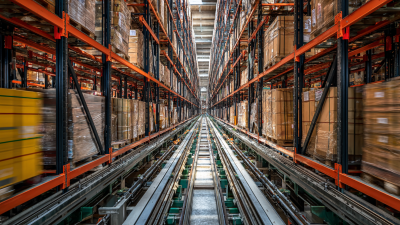
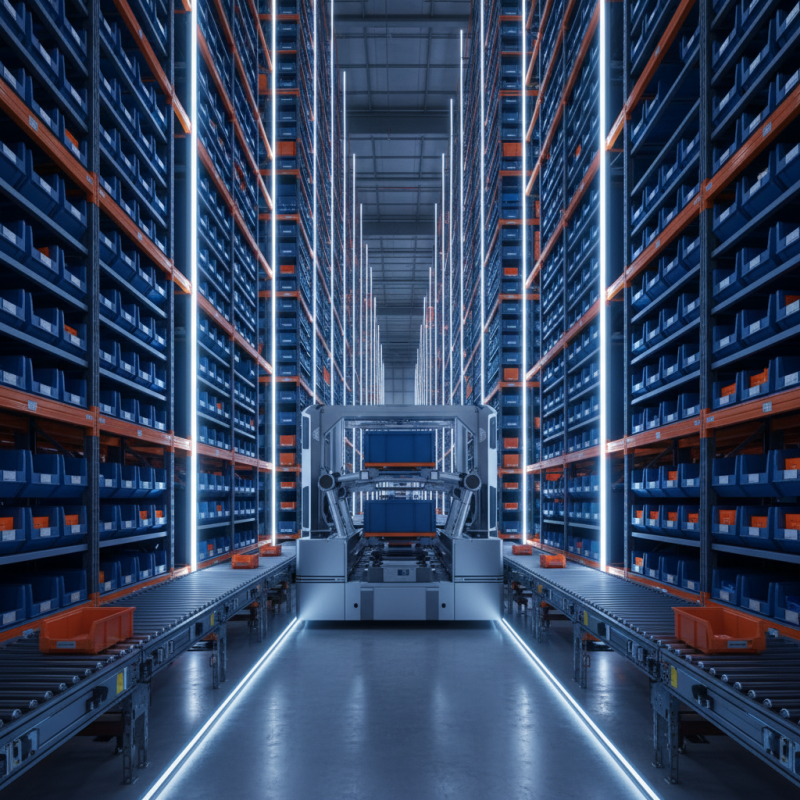
Storage retrieval machines play a crucial role in modern warehouses and distribution centers. They enhance efficiency by automating the storage and retrieval of goods. These machines drastically reduce human error and speed up operations. Many organizations use them to manage inventory, optimize space, and increase overall productivity.

When choosing a storage retrieval machine, one must consider various factors. The machine's capacity, speed, and compatibility with existing systems are key elements. It's also important to check for CE Certification. This certification ensures that the equipment meets European safety, health, and environmental standards. Without it, you may face reliability issues.

However, not all machines are perfect for every environment. For example, a machine that works well in one setting may not perform effectively in another. It’s essential to evaluate the specific needs of your operation. Assessing the layout of your facility can lead to better results. Reflecting on these aspects can help in selecting the right storage retrieval machine for your business.

Key Factors to Consider When Choosing a Storage Retrieval Machine

When selecting a storage retrieval machine, several key factors come into play. First, capacity and size are crucial. A machine must align with the volume of items it will handle. According to industry reports, more than 30% of operational inefficiencies stem from inadequate storage solutions. This emphasizes the need for thoughtful evaluation of storage capacity before purchase.

Next, consider the technology features of the system. Automation and integration capabilities can significantly enhance efficiency. A study by a leading logistics journal indicates that automated storage systems can reduce retrieval times by up to 60%. Features like real-time tracking and data analytics are essential for modern operations. They allow for better inventory management and can lead to considerable cost savings.

User-friendliness is another factor that should not be overlooked. A machine that is complex to operate can lead to user errors. Research highlights that around 20% of users struggle with complicated interfaces. An intuitive design can minimize training time and improve overall productivity. Companies should prioritize ease of use to ensure that all employees can effectively engage with the system.

Essential Tips for Choosing the Right Storage Retrieval Machine

This chart illustrates the key factors to consider when selecting a storage retrieval machine, offering insights into the importance of various criteria such as load capacity, speed, cost, and energy efficiency.

Evaluating the Warehouse Layout and Space Requirements

When considering the layout of a warehouse for a Storage Retrieval Machine, space utilization is crucial. Analyze the dimensions of your storage area carefully. A well-planned space can significantly boost efficiency. Consider how aisles will be organized and what pathways the machines will take. These physical aspects impact workflow and speed. Make sure to include designated areas for loading and unloading.

Next, think about the type of products stored. Different items require different handling processes. Some may need open spaces for large pallets, while others can be stacked tightly. This detail affects your choice of machine type and configuration. Collaborating with Storage Retrieval Machine Manufacturers can provide insights into optimizing the layout.

Don't overlook potential difficulties such as limited access or complex shapes within the warehouse. It's essential to reflect on the limitations of your current setup. Identifying these shortcomings will guide you to make informed decisions. The right layout not only increases storage capacity but also enhances overall productivity. Keep your options open and allow flexibility for future changes.

Analyzing the Types of Goods to Be Stored and Retrieved

Choosing the right storage retrieval machine involves careful consideration of the types of goods you plan to store and retrieve. Different products require different handling. For instance, fragile items like glassware need machines with gentle handling capabilities. Heavy machinery, on the other hand, may necessitate robust systems for effective lifting. Understanding these nuances can significantly impact your efficiency and cost.

Reflecting on space and layout is equally important. High-Quality Storage Retrieval Machines can optimize limited storage areas. However, if not aligned with the types of goods, they can lead to bottlenecks. A narrow aisle can restrict movement for larger items. Analyzing your inventory regularly helps in adjusting your storage system as needs evolve. It's crucial to adapt instead of sticking to outdated practices.

The process of due diligence is oftentimes overlooked. Spend time analyzing potential challenges that may arise. Consider the weight, size, and fragility of goods. Make sure your chosen system can accommodate your most demanding products. While defining needs can be tedious, it sets the foundation for effective retrieval and storage solutions. This reflection is key to maximizing efficiency.

Assessing the Technology and Automation Features Available

Essential Tips for Choosing the Right Storage Retrieval Machine?

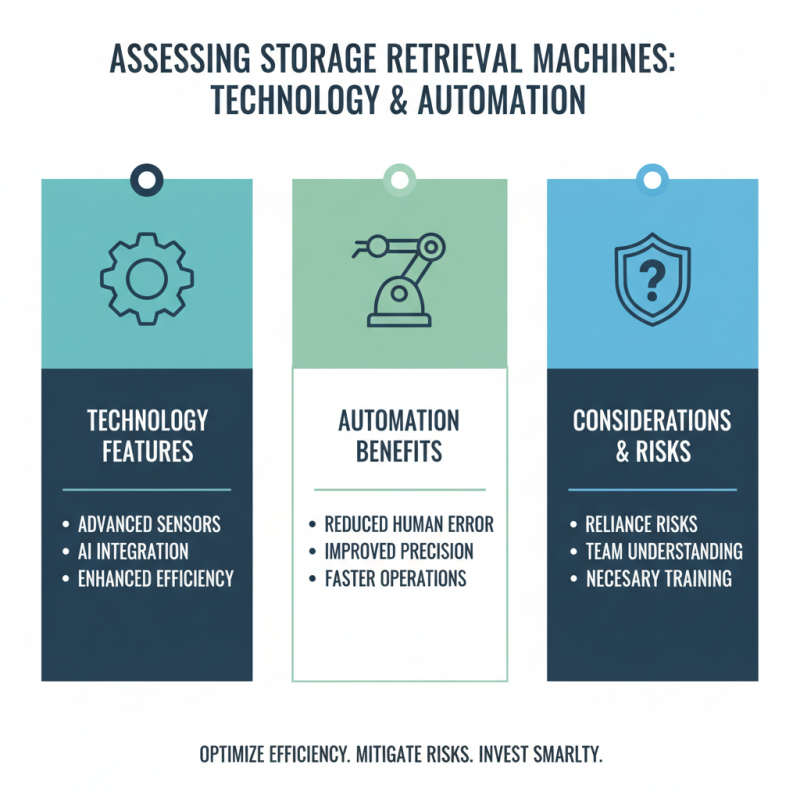
When evaluating storage retrieval machines, focus on their technology and automation features. Many machines now incorporate advanced sensors and AI, which enhance efficiency. Automated systems reduce human error, but reliance on technology can pose risks. It's essential to assess how well your team understands these systems. Training might be necessary to mitigate potential issues.

Consider the layout of your facility. The integration of automation should fit seamlessly within your existing workflows. A Storage Retrieval Machine Manufacturer should help tailor solutions that fit your needs. Evaluate how their machines perform under different operational conditions. Testing various scenarios can reveal strengths and weaknesses you might overlook.

Additionally, always look for scalability options. As your business grows, so will your storage needs. Investing in a flexible system will save you time and resources in the long run. Review available maintenance support to ensure reliability over time. Remember, even the best systems require regular checks. A machine that's easy to maintain will greatly reduce downtime and increase productivity.

Determining Budget Constraints and Total Cost of Ownership

When selecting a storage retrieval machine, understanding budget constraints is vital. Your initial investment is just the start. You must consider ongoing costs, such as maintenance and training. These factors can lead to surprising expenses over time. A machine may appear affordable at first glance, but hidden costs can quickly add up.

Evaluate total cost of ownership (TCO). This concept includes not just the purchase price but also operational costs. Calculate energy consumption, spare parts, and labor required for operation. Small machines might seem cheaper, but bigger models could offer efficiency that reduces costs. Comparing these elements ensures you make a wise choice.

Think long-term. Some machines may need costly upgrades sooner than expected. Look for models designed for durability and ease of maintenance. Ask for testimonials or case studies to gauge real-life performance and reliability. Don't hesitate to seek expert advice during your selection process. It’s essential to gather diverse insights for a well-rounded view.

Reviewing Manufacturer Reputation and Customer Support Services

When choosing a storage retrieval machine, manufacturer reputation is crucial. Look for companies that have been in the industry for years. Longevity often indicates reliability and quality. Research customer reviews and testimonials. High praise from users can signal solid performance.

Excellent customer support can make a significant difference. You want a manufacturer that is responsive and helpful. Test their support services before purchasing. Reach out with questions to gauge how quickly they respond. Delayed or unclear replies may raise red flags.

Consider warranty and service agreements as well. A good warranty reflects confidence in their product. Ensure they offer thorough training and maintenance options. This investment in support can save you time and money in the long run. An informed decision will lead to better outcomes, so don’t rush your choice.

FAQS

: What are storage retrieval machines used for?

: They automate the storage and retrieval of goods in warehouses, enhancing efficiency and productivity.

How do storage retrieval machines reduce errors?

They minimize human error through automation, which speeds up operations significantly.

What factors should I consider when choosing one?

Key factors include capacity, speed, compatibility, and CE Certification for safety and reliability.

Are all machines suitable for every environment?

No, a machine effective in one setting may not perform well elsewhere; evaluate your specific needs.

Why is training important for these machines?

Understanding advanced technology and automation features minimizes reliance risks and potential operational issues.

How can I ensure my facility layout supports automation?

Evaluate integration options and how well new systems fit existing workflows for seamless operations.

What should I know about maintenance?

Regular maintenance is essential to ensure reliability; choose machines that are easy to maintain.

How can scalability impact my storage solutions?

Flexible systems can adapt to growing storage needs, saving time and resources as your business expands.

Can testing different scenarios help in selecting a machine?

Yes, it reveals strengths and weaknesses of machines you might otherwise overlook.

What role does technology play in storage retrieval machines?

Advanced sensors and AI enhance efficiency but require solid understanding for effective operation.

Conclusion

Choosing the right Storage Retrieval Machine is crucial for optimizing warehouse operations and enhancing efficiency. A comprehensive understanding of these machines involves examining their specific functions and applications within a storage system. When making a selection, several key factors need to be considered, such as the warehouse layout, space requirements, and the types of goods that will be stored and retrieved.

Additionally, it is important to assess the technology and automation features offered by different models, as these can significantly impact productivity. Budget constraints and the total cost of ownership should also be evaluated to ensure a suitable investment. Finally, reviewing the manufacturer’s reputation and the quality of customer support services can provide further assurance of the machine’s reliability and longevity. By carefully considering these aspects, businesses can make informed decisions that align with their logistical needs.
Sophie

Sophie

Sophie is a dedicated marketing professional at Linyi Linggong Intelligent Information Technology Co., Ltd., where she leverages her extensive knowledge of the company's products to drive effective marketing strategies. With a strong focus on innovation and technology, Sophie plays a vital role in......
Previous Top Magnetic Wheels for Robots What Buyers Need to Know