Hey! So, at this year’s 139th Canton Fair, the spotlight is definitely on Intelligent Guided Vehicles(or IGVs for short). They're gonna play a pretty big role this time around. What's really cool is that this year, they're rolling out some AI-powered features like smarter search and navigation—kind of like giving these robots a brain boost, making life easier for everyone wandering the fair. As Tom Anderson, a big name in the IGV world, mentioned, “Intelligent Guided Vehicles are really set to change how we move around huge venues like trade fairs.” It’s pretty exciting stuff!
Considering the massive space—over 1.55 million square meters of exhibition fun—efficiency is everything. IGVs can seriously cut down the time it takes to jump from one section to another. Buyers will love how they can plan paths precisely and move smoothly without wasting time. But, hey, it’s not all smooth sailing. These gadgets depend a lot on accurate maps and real-time data to work their magic. And let’s be honest, not everyone tech-wise might be fully up to speed. Some suppliers might have a tough time adapting, which could put them at a disadvantage.
As the fair gets closer, it’s worth thinking about how we can make the most of these new tech leaps and also tackle the gaps that still exist. The potential of IGVs is super promising, but implementing them well means careful planning and ongoing tweaks. Overall, it’s an exciting time, just a bit of a learning curve for some of us. But that’s part of the fun, right?
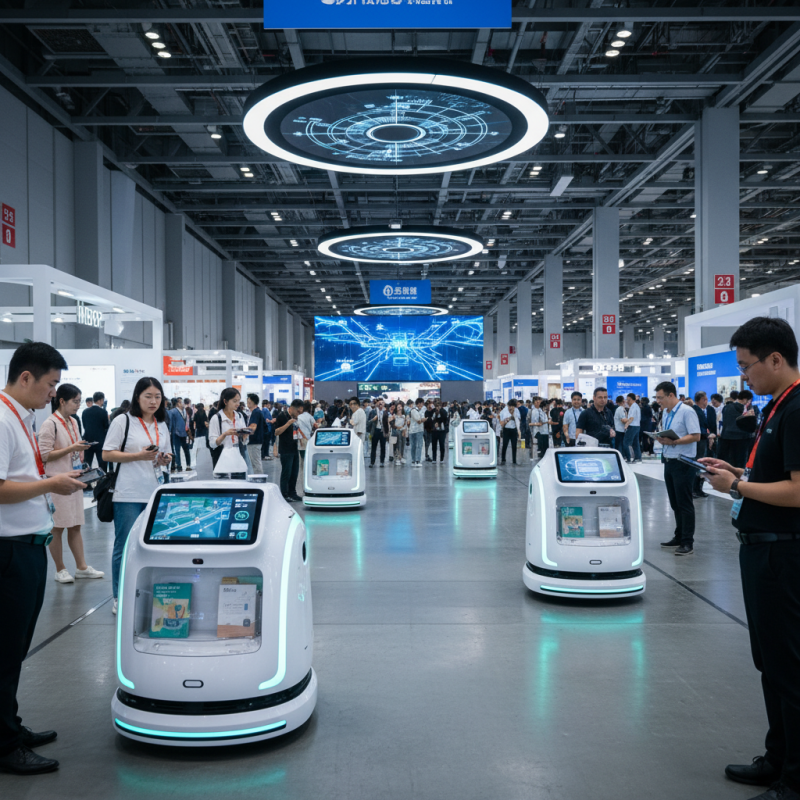
Key Features of Intelligent Guided Vehicles
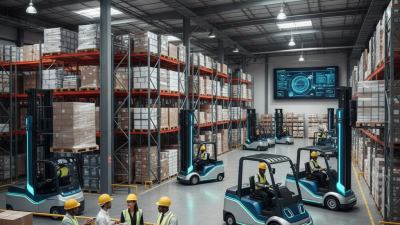
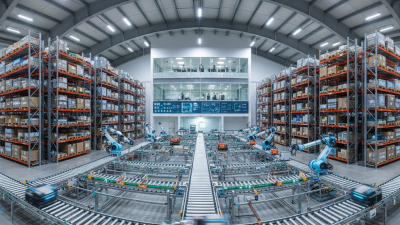
Intelligent Guided Vehicles (IGVs) are changing the logistics landscape. These vehicles utilize advanced algorithms and sensors for navigation. The market for IGVs is projected to reach $4.6 billion by 2027, according to a recent industry report. Such vehicles show efficiency gains by reducing manual labor and optimizing routes, which is a must in busy environments like trade fairs.
Key features of IGVs include obstacle detection, real-time data processing, and adaptive learning capabilities. For instance, many IGVs can calculate the most efficient paths in real-time, adjusting to new obstacles instantly. These features are critical at busy events such as the Canton Fair, where swift navigation is vital. Additionally, IGVs often comply with standards like CE Certification Intelligent Guided Vehicle, ensuring safety and reliability for users.
Despite their advantages, IGVs are not without challenges. Some users report issues with the vehicles’ performance in dynamic settings. Others find cost a barrier when transitioning to autonomous systems. Balancing innovation with practical application is essential for IGVs to thrive in the marketplace. The future of logistics relies on resolving these issues effectively.
Importance of Navigation Technology in Guided Vehicles
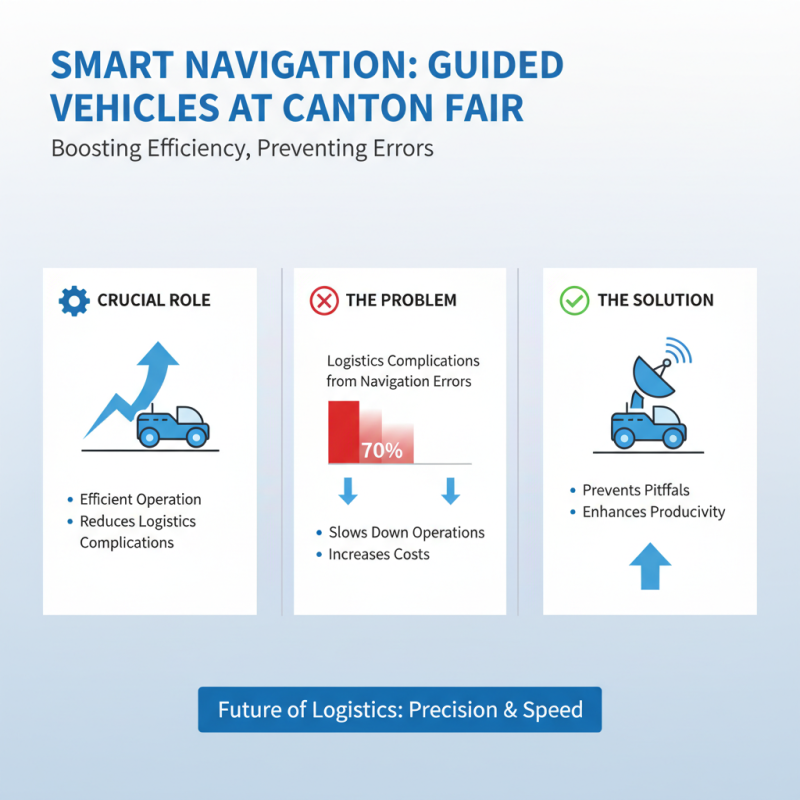
The role of navigation technology in guided vehicles is crucial, especially at events like the Canton Fair. Advanced navigation systems ensure guided vehicles operate efficiently. Reports show that over 70% of logistics complications stem from navigation errors. These issues can slow down operations and increase costs. Smart navigation helps prevent these pitfalls, enhancing overall productivity.
When considering tips for intelligent guided vehicles, reliability is key. Ensure that your navigation system has real-time updates. Testing these systems in various environments is essential. Data indicates that 60% of vehicle failures occur due to outdated navigation data. Regular updates and calibrations can mitigate this risk.
Another tip focuses on the integration of AI. Implementing AI can improve route planning and obstacle detection. Studies suggest that AI-powered systems can reduce delivery times by up to 30%. However, technical glitches can occur. Continuous monitoring and feedback loops are necessary to address unforeseen challenges. This reflective approach enhances both safety and efficiency in vehicular navigation.
Safety Standards for Intelligent Guided Vehicles at Trade Fairs
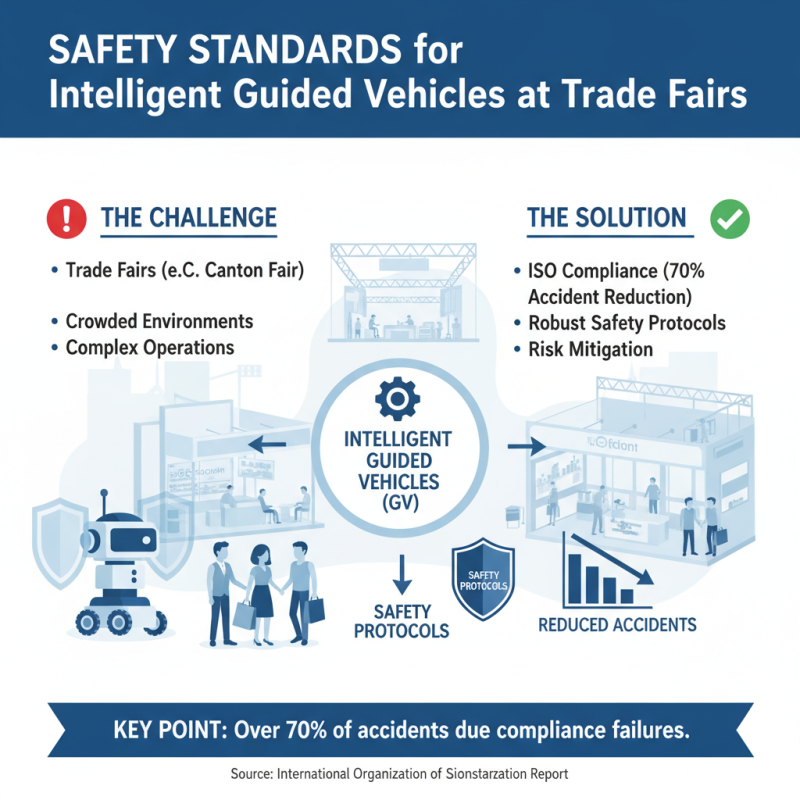
Safety standards for intelligent guided vehicles are crucial, especially at trade fairs like the Canton Fair. According to a recent report by the International Organization for Standardization, over 70% of accidents involving automated vehicles occur due to compliance failures. Ensuring that these vehicles meet the necessary safety protocols can significantly reduce risks.
Tips for enhancing safety include regular maintenance checks. This ensures optimal performance and can prevent potential mishaps. Moreover, investing in advanced sensors can help navigate congested environments. These sensors act as eyes for the vehicle, avoiding collisions with pedestrians or obstacles. It's essential to train operators thoroughly too. Even the best machinery requires skilled handling.
Guided vehicles must also comply with local regulations and international standards. They should undergo rigorous testing before deployment at events. For example, a 2022 study found that vehicles meeting strict guidelines had 50% fewer incidents. However, the industry struggles with uniform adoption of these standards. Awareness of safety practices varies greatly among manufacturers.
Operational Efficiency of Guided Vehicles in Canton Fair Settings
At the Canton Fair, operational efficiency is vital. Intelligent guided vehicles navigate through crowded spaces. They ensure smooth transportation of goods. However, challenges still arise. Vehicles may encounter unexpected obstacles, slowing down processes.
Some operators struggle with real-time adjustments. A small delay can disrupt schedules. Therefore, training is essential. Understanding the environment improves vehicle performance. Intelligent Guided Vehicle Manufacturers focus on enhancing navigation systems. Advanced sensors help vehicles adapt quickly.
Coordination between humans and machines is key. Operators should communicate effectively with vehicles. This partnership can boost efficiency. Yet, there will always be room for improvement. Regular reviews of operations can highlight areas needing attention. Embracing technology while addressing shortcomings is crucial for success at the fair.
Integration of AI and Machine Learning in Guided Vehicle Systems
Intelligent guided vehicles (IGVs) are becoming essential in various industries, especially at events like the Canton Fair. The integration of AI and machine learning in these systems enhances their efficiency. With advanced algorithms, these vehicles can navigate complex environments seamlessly. They can learn from their surroundings and adapt to different scenarios.
For example, an IGV can analyze traffic patterns in real-time. This allows for smoother operations, even in crowded spaces. However, the reliance on AI brings challenges. Sometimes, the system may misinterpret signals or obstacles. Developing robust algorithms that handle unexpected situations is crucial. Continuous testing and data collection are necessary.
Furthermore, machine learning models require high-quality data. Training these models can be time-consuming and resource-intensive. There is also a risk of overfitting, where the model performs well on training data but fails in real-world scenarios. Addressing these issues ensures that the guided vehicles operate safely and effectively. Continuous improvement is vital for their success.
Top Tips for Intelligent Guided Vehicles at Canton Fair 139
This bar chart illustrates the key focus areas for the implementation of Intelligent Guided Vehicles at the Canton Fair 139, highlighting the significant role of AI and Machine Learning in enhancing vehicle efficiency, cost-effectiveness, and safety features.
Best Practices for Demonstrating Guided Vehicles at Exhibitions
At exhibitions like the Canton Fair, demonstrating Intelligent Guided Vehicles effectively is crucial. One study shows that 90% of visitors prefer interactive displays. Engaging attendees with live demonstrations can significantly enhance their understanding. Show how the vehicles navigate in real-time. This offers tangible insights into their capabilities.
Another key practice is data visualization. A report indicates that visuals improve retention by 65%. Display performance metrics, such as speed and accuracy, using clear graphs or infographics. Attendees respond better to visuals than lengthy text. Ensure the environment is interactive but not overwhelming. Too much information can confuse potential clients.
Consider staffing as well. Trained personnel can address visitor inquiries effectively. Yet, having too many staff can lead to an intimidating atmosphere. A balance must be struck. Not all attendees will engage deeply; some prefer watching. Feedback indicates that a friendly, knowledgeable presence enhances overall experience. This allows visitors to feel comfortable while exploring what the Intelligent Guided Vehicle Manufacturer offers.
Future Trends in Intelligent Guided Vehicles Technology
Intelligent Guided Vehicles (IGVs) are reshaping logistics and transportation sectors. At the Canton Fair, the focus will be on emerging trends in IGV technology. One key aspect to consider is the integration of AI. It allows for better navigation and efficient routing. AI empowers IGVs to adapt to changing environments. This is critical in busy settings like trade fairs.
Safety remains a top concern. Existing IGVs sometimes misinterpret obstacles. Continuous improvements are essential. Sensors and cameras need to be upgraded for better accuracy. Additionally, communication between vehicles can create a synchronized flow. This will enhance overall safety.
Sustainability is another important trend. IGVs aim to minimize energy consumption. They help reduce carbon footprints but are not perfect yet. Battery technology continues to evolve, but there are challenges. Charging infrastructure must keep pace with advancements. High-Quality Intelligent Guided Vehicles can lead this charge. However, their development requires constant feedback from users. This will ensure they meet the dynamic demands of modern logistics.
FAQS
: Navigation technology is vital for efficiency. Over 70% of logistics issues arise from navigation errors.
Data shows 60% of vehicle failures relate to outdated navigation. Regular updates can reduce these risks.
AI enhances route planning and obstacle detection. It can cut delivery times by 30%, but glitches may happen.
Guided vehicles often face unexpected obstacles. These can slow down operations and disrupt schedules.
Operators must understand their environment. Effective training and real-time adjustments are crucial for success.
Continuous monitoring and feedback loops are essential. They help in addressing unforeseen challenges promptly.
Coordination enhances efficiency significantly. Communication is key to ensuring smooth operations.
Regular reviews can highlight areas needing improvement. Embracing technology while reflecting on practices is crucial.
Conclusion
Intelligent Guided Vehicles (IGVs) have become essential in enhancing operational efficiency at trade events such as the Canton Fair. Key features of IGVs include advanced navigation technology, which plays a critical role in their performance, ensuring safe and efficient movement in busy environments. Adhering to stringent safety standards is paramount for their deployment, particularly in exhibition spaces where human traffic is high.
The integration of AI and machine learning significantly enhances the capabilities of IGVs, allowing them to adapt to various operational scenarios. Best practices for demonstrating these vehicles at exhibitions highlight the importance of showcasing their functionalities and safety features to attract potential users. As technology evolves, the future trends in IGV development promise even greater innovations, making them an integral part of logistics and operations in diverse settings, including trade fairs.