Leave Your Message
0%

When it comes to robotics, getting a good grasp of the Types Of Wheels In Robotics is pretty important. Wheels are basically what help robots move around and interact with their surroundings. Whether you're dealing with simple bots or really complex machines, the design of those wheels can totally influence how well they perform. For example, differential wheels are great for making tight turns, while omni-wheels can slide sideways, which is pretty cool if you need more flexible movement.

Picking the right wheel isn't just about aesthetics; it actually impacts how your robot runs. Different terrains call for different kinds of wheels. If you're dealing with rough, bumpy terrain, bigger and tougher wheels are the way to go. On smooth floors, smaller, lighter wheels usually work just fine. But here’s the catch: each type of wheel has its own set of challenges—that’s something engineers always have to think about.

And let’s be real, not all wheels are perfect. Some designs can limit how fast your robot can go or how stable it is. Plus, certain wheels tend to wear out faster than others, so regular maintenance becomes a must. The best choice really depends on what your robot’s supposed to do and where it’s gonna be operating. Figuring all this out—especially the
Types of Wheels in Robotics What You Need to Know

Understanding the Importance of Wheel Types in Robotics

Types of Wheels in Robotics What You Need to Know

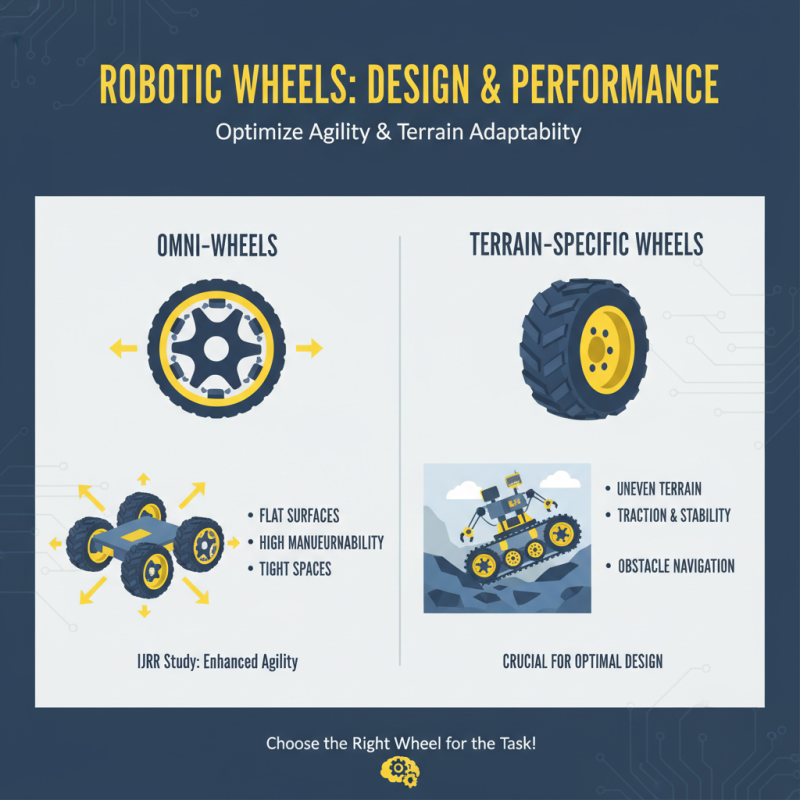
Understanding the importance of wheel types in robotics is crucial for optimal design and performance. Different terrains and tasks require specific wheel configurations. For instance, a study from the International Journal of Robotics Research highlights that robots using omni-wheels are more agile on flat surfaces. These wheels allow multidirectional movement, enhancing maneuverability in tight spaces.

However, not all wheel types fit every scenario. Tracks, while more stable on uneven terrain, can slow down a robot's speed, limiting application in high-speed environments. The choice of wheels affects energy consumption. According to a 2022 report, robots with well-matched wheels can reduce battery usage by up to 30%. This data emphasizes the importance of selecting the right wheel type.

Tip: Always consider the environment where the robot will operate. This helps in choosing the suitable wheel type. Test different designs to see which performs best. Think about weight distribution as well. A poorly balanced robot can cause excessive wear on wheels, leading to inefficiency. Make small adjustments to wheel design based on testing results for better performance.

Classification of Wheel Types Used in Robotic Systems

Types of Wheels in Robotics What You Need to Know

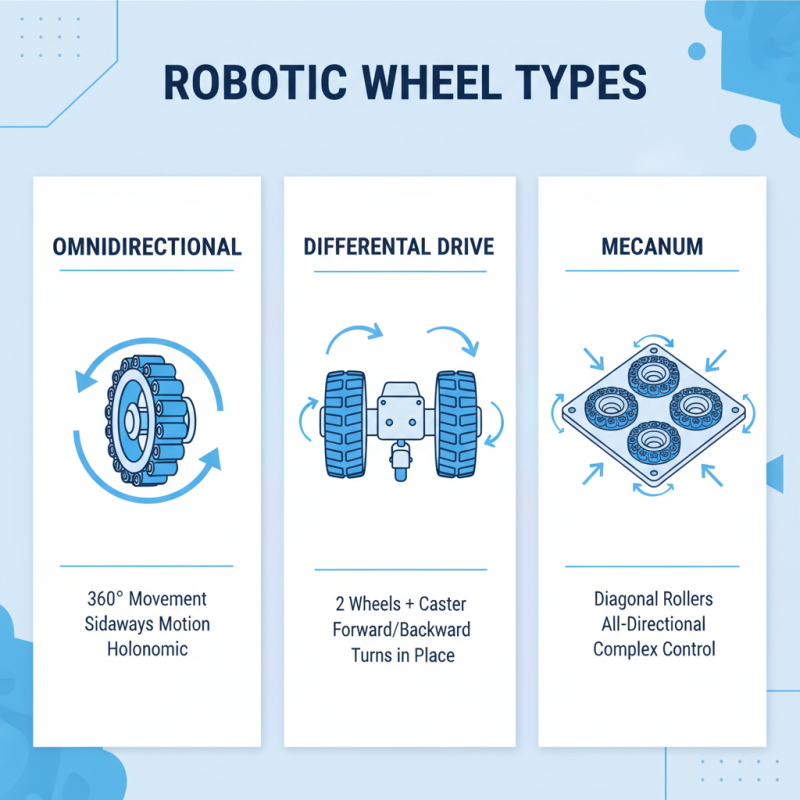
When discussing robotic systems, understanding the classification of wheel types is crucial. Wheels in robotics can be generally categorized into three types: omnidirectional, differential drive, and Mecanum Wheels. Each has distinct characteristics that enhance a robot's maneuverability and functionality in different environments.

Omnidirectional wheels support movement in any direction. They allow the robot to pivot and change direction easily. This flexibility is incredibly beneficial for tasks in confined spaces. In contrast, differential drive wheels focus on propulsion through the rotation of two wheels at varying speeds. This system offers great traction and stability, especially on uneven surfaces.

**Tips**: When designing a robotic system, carefully assess the environment. Consider the terrain and required movements. Mecanum wheels offer versatility but may require precise calibration. Data from industry reports indicates that robots with proper wheel types experience a 30% increase in task efficiency.

Keeping wheels aligned is essential. Misalignment can lead to uneven wear and reduced performance. A study found that 15% of robotic failures stem from wheel issues. Regular maintenance ensures reliability and longevity, enhancing your robot's durability in various applications.

Key Features of Different Wheel Designs in Robotics

Wheels are crucial in robotics. They determine a robot’s mobility. Different designs have unique features. For example, omni-wheels allow movement in any direction. This flexibility is useful in tight spaces.

Another design is the mecanum wheel. It optimizes maneuverability, often found in industrial robots. A recent report from the Robotics Industry Association indicated that 23% of robots in warehouses use this type. Meanwhile, standard wheels are more common in Outdoor Robots. They provide better traction but are less agile.

Choosing the right wheel is not straightforward. For instance, using complex wheel types requires advanced control systems. Not all manufacturers adopt these designs. The research highlights a gap in user training. Many engineers lack knowledge about the "Types Of Wheels In Robotics Manufacturers". This can impact performance. Users must reflect on their choices to make better decisions.

Advantages and Disadvantages of Each Wheel Type

When considering the types of wheels in robotics, each design brings its advantages and disadvantages. Let's take a look at three main types: omni-wheels, treaded wheels, and mecanum wheels. Omni-wheels offer 360-degree movement. They excel in agility. However, they sometimes struggle with traction. On smooth surfaces, they perform well. Yet, on uneven terrain, they can lose stability.

Treaded wheels are common in outdoor robotics. They provide excellent grip on rough surfaces. Mud and snow don't deter them easily. The downside? They can be bulky. They also limit maneuverability. Turning can be a challenge. In tight spaces, treaded wheels may not fit well.

Mecanum wheels allow for complex movements. Robots can move sideways and rotate. They provide great versatility in confined spaces. But there's a catch. Mecanum wheels can be complex to control. Their efficiency drops on soft ground. Each wheel type presents a trade-off. The right choice depends on the robot's intended environment. Understanding these types of wheels in robotics can steer you towards better designs. Always think about the specific application before deciding. Types Of Wheels In Robotics Manufacturer often recommend tailored solutions.

Applications of Various Robot Wheel Types in Real-World Scenarios

When it comes to robotics, the type of wheel used can significantly impact performance. Different wheel designs serve specific functions. For instance, omni-wheels allow robots to move in multiple directions seamlessly. This is crucial for tasks requiring agility, like warehouse automation. However, these wheels can struggle on uneven surfaces. It's something developers need to consider.

Another interesting option is the tracked wheel system. These provide excellent traction and stability. They are ideal for rough terrains and outdoor activities, like search and rescue missions. The downside? They can be slower compared to traditional wheels. Navigating tight spaces also becomes a challenge. It’s clear that choosing the right wheel type involves trade-offs.

Mecanum wheels are also popular due to their unique design. They enable lateral movement, which makes them versatile in crowded environments. Yet, their complexity can lead to higher maintenance needs. Developers often face the challenge of balancing performance and reliability. Real-world applications must take these nuances into account. Exploring various wheel types can lead to innovative solutions and improved robotic designs.

Types of Wheels in Robotics

Wheel Type Description Advantages Applications
Differential Wheels Two powered wheels that can rotate at different speeds Simple design, efficient maneuverability Mobile Robots, wheeled robots
Omni Wheels Wheels with rollers that allow movement in multiple directions High agility, can move sideways Industrial automation, robotics competitions
Mecanum Wheels Wheels that allow diagonal movement with unique angled rollers Versatile movement capabilities Service robots, material handling
Tracked Wheels Wheels with tracks for enhanced traction and stability Excellent on rough terrain Exploration robots, military applications
Spherical Wheels Rolling spheres that enable omnidirectional movement Manoeuvrability in tight spaces Research robots, unique mobility solutions

Innovations and Future Trends in Robotic Wheel Technology

The landscape of robotic wheel technology is rapidly evolving. Innovations are emerging regularly, enhancing functionality and efficiency. Recently, researchers have introduced adaptive wheels. These wheels can change shape based on terrain. They help robots navigate obstacles effectively. Such adaptability is crucial in environments that vary greatly.

Another exciting trend is the integration of smart materials. These materials can alter properties in response to environmental conditions. For example, wheels with variable friction can provide better control on slippery surfaces. This technology is still in its infancy but shows promise. However, challenges remain. Finding the right balance between complexity and reliability is difficult. Developers must also consider cost implications as they innovate.

Robotic wheels are becoming lighter due to advancements in materials. This reduction in weight improves energy efficiency. Nevertheless, lighter wheels may compromise durability. Striking a balance is essential for practical applications. There is ongoing research to ensure robustness without sacrificing performance. As these technologies develop, the future of robotic mobility looks bright. Yet, there are hurdles to overcome. Navigating these challenges will define the next generation of robotic wheels.

Types of Wheels in Robotics: Innovations and Future Trends

This bar chart illustrates the percentages of various types of wheels used in robotics. Standard wheels dominate the market, followed by omni and mecanum wheels, which offer unique movement capabilities. Caterpillar tracks and ball wheels find niche applications, highlighting diverse innovations in robotic wheel technology.

Selecting the Right Wheel Type for Specific Robotic Applications

Selecting the right wheel type for robotic applications can seem daunting. Each type of wheel has unique characteristics that affect performance and movement. For instance, omni-wheels provide excellent maneuverability, allowing robots to move sideways. These wheels are ideal for tight spaces. However, they may lack stability on uneven surfaces.

Tips: Consider the terrain where the robot will operate. If the surface is rough, larger wheels may be beneficial. They can navigate obstacles more effectively. Alternatively, smaller wheels can enhance precision in controlled environments.

The environment and objectives influence wheel selection. For outdoor robots, rugged wheels handle diverse terrains well. In contrast, if speed and agility are priorities, lightweight wheels are a better choice. However, High-Quality Types Of Wheels In Robotics may sometimes come with trade-offs. A lightweight wheel may not provide the strength needed for heavy loads.

Evaluate task requirements carefully. Sometimes, a hybrid approach works best. Combining different wheels can maximize performance. Balancing durability and flexibility is crucial for effective robot design.

FAQS

: What is the best way to start a new hobby?

: Begin with something that interests you. Research and gather necessary supplies. Start small and set realistic goals.

How do I stay motivated when learning something new?

Track your progress often. Celebrate small achievements. Surround yourself with supportive people who encourage your efforts.

What if I feel overwhelmed by a new skill?

Take breaks when needed. Reflect on your feelings. Break tasks into smaller, manageable steps to reduce stress.

Is it normal to struggle with a new hobby at first?

Yes, struggling is common. Embrace the challenges as part of the learning process. Growth takes time and practice.

How can I find time for a new activity in my schedule?

Identify free time slots in your week. Prioritize your hobby as valuable. Consider combining it with social activities.

What should I do if I lose interest in a hobby?

Reflect on what changed. Explore related interests or take a break. Sometimes, stepping away can reignite your passion.

Conclusion

The article "Types of Wheels in Robotics: What You Need to Know" explores the crucial role that wheel types play in the functionality and efficiency of robotic systems. It categorizes various wheel types, highlighting their unique features, advantages, and disadvantages. Understanding these classifications is essential for selecting the most suitable wheel design for specific robotic applications.

Additionally, the article delves into real-world applications of different robotic wheel types, showcasing their use in diverse scenarios. It also discusses innovations and future trends in robotic wheel technology, emphasizing the importance of staying updated on advancements in this field. Ultimately, a well-informed choice regarding the types of wheels in robotics can significantly enhance a robot's performance and adaptability in various tasks.


Nathan

Nathan

Nathan is a dedicated marketing professional at Linyi Linggong Intelligent Information Technology Co., Ltd., where he leverages his extensive knowledge and expertise to promote the company's innovative products. With a strong focus on intelligent technology, Nathan plays a crucial role in enhancing......
Previous Navigating the Future of AMR Technology for Global Supply Chains